
The DJI Mini 3 Pro clearly outshines the Anzu Raptor V with its advanced O3 technology, achieving a remarkable transmission range of 10km compared to the Raptor’s 7km. This significant difference in range enhances the Mini 3 Pro’s usability for both recreational and professional drone enthusiasts. In this article, we will delve into the specifications, features, and overall performance of both drones, providing you with a comprehensive guide to help determine which model best suits your needs.
Overview of the Drones
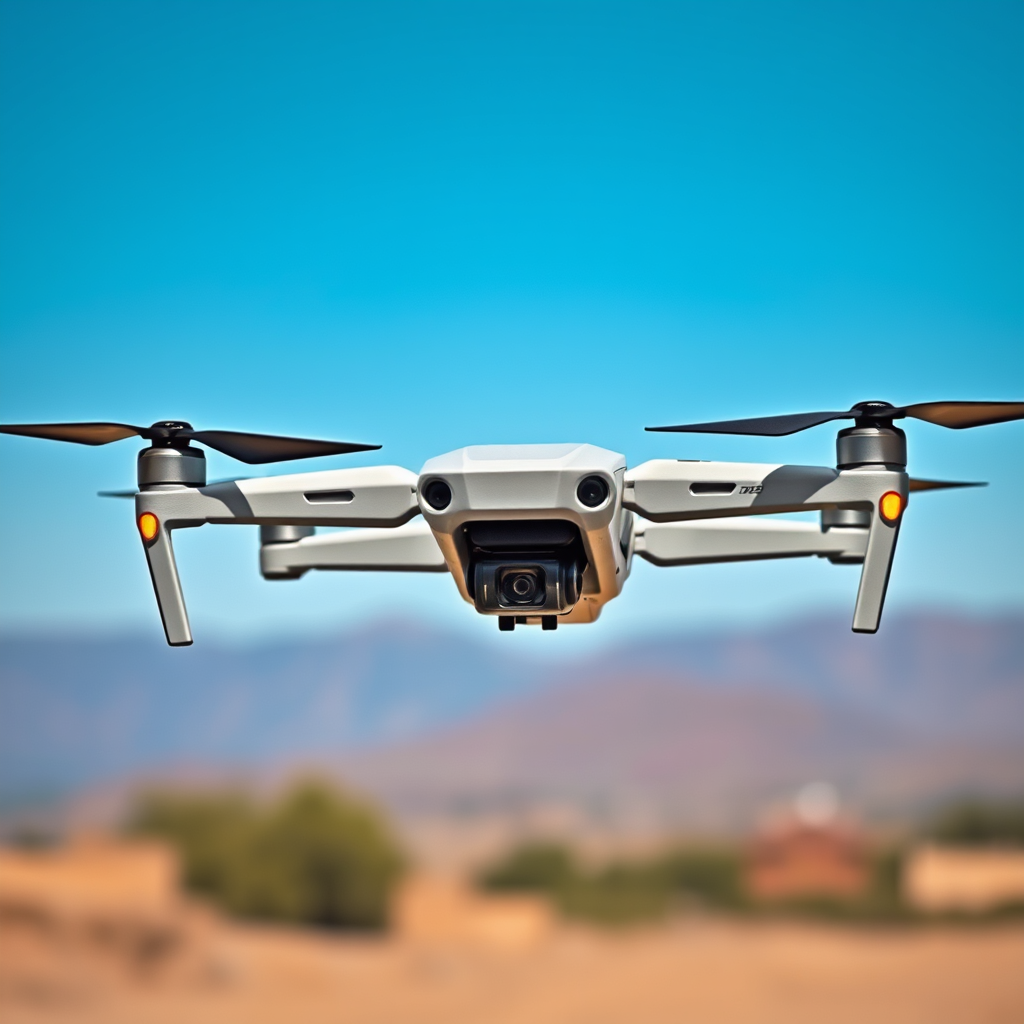
The DJI Mini 3 Pro is a compact, high-performance drone designed for both casual users and professional creators. Weighing approximately 249 grams, it adheres to the regulations that allow for easier transport and operation across many jurisdictions. Its sleek, foldable design emphasizes portability without compromising on features, making it an ideal companion for outdoor adventures.
In contrast, the Anzu Raptor V also aims to capture the attention of drone users with its lightweight design, coming in at about 250 grams. The Raptor V prides itself on its rugged construction and user-friendly design, appealing particularly to those who may be new to flying drones. While it may not boast the same level of advanced features as the Mini 3 Pro, it offers a decent alternative for users focused on essential functionality and ease of use.
Transmission Range Comparison
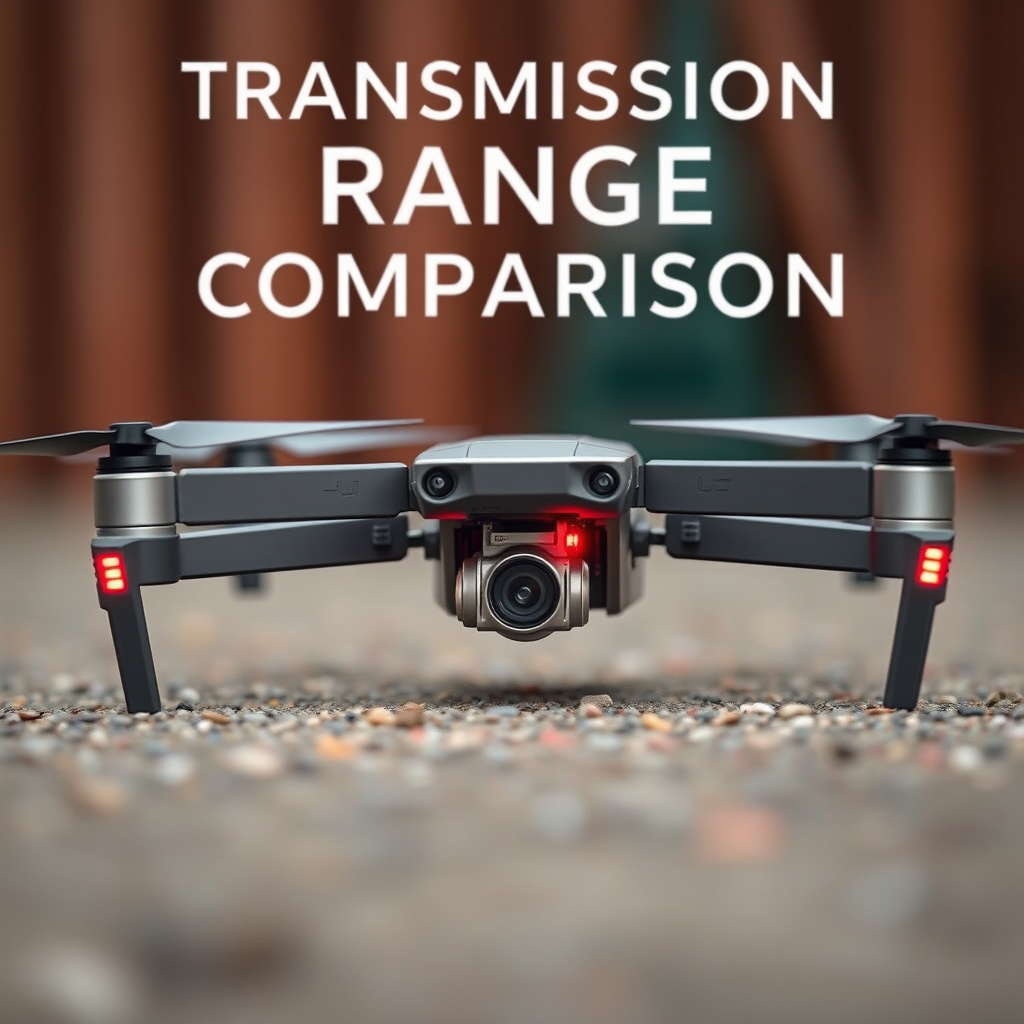
Transmission range is a critical aspect for drone users, especially for aerial photographers and videographers who require stable and reliable connectivity. The DJI Mini 3 Pro employs O3 technology, which optimizes the transmission signal, enabling an impressive range of up to 10km (6.2 miles). This capability allows users to explore vast areas without losing connection, making it perfect for expansive landscapes or detailed inspections of large structures.
On the other hand, the Anzu Raptor V offers a respectable 7km (4.3 miles) transmission range. While this distance may cater to casual users and hobbyists, it could be limiting for professional applications that necessitate longer flight distances. Users operating in remote areas or those wishing to capture expansive vistas may find the Mini 3 Pro’s superior range to be a significant advantage.
Camera Capabilities
Camera quality significantly influences the overall experience of drone flight, particularly for those focused on aerial photography and videography. The DJI Mini 3 Pro is equipped with a 1/1.3-inch CMOS sensor capable of capturing 48MP still images and 4K video at 60 frames per second. This sensor size allows for better performance in low-light conditions, enabling photographers to achieve stunning results even during twilight hours.
In contrast, the Anzu Raptor V features a 12MP camera with the ability to shoot 1080p video. While the Raptor V’s camera may suffice for casual users and social media enthusiasts, it lacks the advanced features and superior image quality that professionals demand. The disparity in camera capabilities highlights the Mini 3 Pro’s edge in delivering high-quality content for serious creators.
Flight Performance and Stability
Flight performance and stability are essential for ensuring smooth and controlled flights, particularly in dynamic environments. The DJI Mini 3 Pro boasts advanced flight stabilization technology, including a three-axis gimbal, which ensures that footage remains steady even in windy conditions. Additionally, it offers multiple flight modes, such as FocusTrack and QuickShots, allowing users to effortlessly capture cinematic shots while focusing on their creativity.
The Anzu Raptor V, while stable in flight, does not feature the same level of advanced stabilization technology. It provides basic flight modes that cater to beginners, but the absence of advanced gimbal stabilization may impact the quality of footage captured in more challenging conditions. For users prioritizing flight performance and versatility, the Mini 3 Pro is the clear choice.
Regulatory Compliance and NDAA Considerations
Regulatory compliance is a crucial factor for drone operators, especially in light of the ongoing discussions surrounding the National Defense Authorization Act (NDAA). The DJI Mini 3 Pro has been designed with these considerations in mind and is compliant with NDAA regulations, making it suitable for both recreational and commercial use within the United States.
In contrast, the Anzu Raptor V’s compliance with NDAA regulations is less clear. This can lead to uncertainties for prospective buyers, particularly those intending to use the drone for commercial purposes or within government contracts. The importance of NDAA compliance cannot be overstated, as it influences purchasing decisions for users who prioritize regulatory assurance and peace of mind.
Price and Value for Money
Price is often a decisive factor when selecting a drone, and the DJI Mini 3 Pro and Anzu Raptor V reflect different price points in the market. The Mini 3 Pro is positioned as a premium drone, typically priced around $759, which reflects its advanced features and capabilities. In contrast, the Anzu Raptor V is generally more budget-friendly, with prices hovering around $299.
However, evaluating value for money requires looking beyond the price alone. The advanced camera, extended transmission range, and superior flight performance of the Mini 3 Pro justify its higher cost for serious users. For those who seek basic functionalities and lower investment, the Raptor V may provide adequate value, but it may not meet the needs of users looking for high-quality aerial footage.
User Reviews and Expert Opinions
User feedback and expert reviews provide valuable insights into the real-world performance of drones. The DJI Mini 3 Pro has garnered praise for its exceptional camera quality, impressive transmission range, and user-friendly interface. Many users highlight its stability during flight and the ease of use for beginners, making it a favorite among both casual and professional pilots.
Conversely, the Anzu Raptor V has received mixed reviews. While users appreciate its affordability and straightforward controls, many express concerns about the camera quality and limitations in flight range. Experts often recommend the Mini 3 Pro for those serious about aerial photography, while suggesting the Raptor V for beginners looking to explore drone flying without a significant financial commitment.
The DJI Mini 3 Pro and Anzu Raptor V both offer unique strengths, but the Mini 3 Pro stands out with its longer range and superior camera capabilities. Depending on your priorities—whether it’s distance, camera quality, or regulatory compliance—one may be a better fit for you than the other. Consider what features matter most to your drone experience and make an informed decision based on the comparisons outlined above.
Frequently Asked Questions
What are the key differences between the DJI Mini 3 Pro and the Anzu Raptor V in terms of flight distance and capabilities?
The DJI Mini 3 Pro boasts an impressive O3 transmission system that allows for a flight distance of up to 10 km, providing users with extended reach for aerial photography and videography. In contrast, the Anzu Raptor V offers a solid 7 km range. Additionally, the Mini 3 Pro is known for its lightweight design and advanced obstacle avoidance features, while the Raptor V is marketed as a more rugged option suited for various outdoor conditions.
Why is the NDAA compliance important when choosing between the DJI Mini 3 Pro and the Anzu Raptor V?
NDAA compliance ensures that the drone is not manufactured by companies that pose a national security risk, which has become a critical factor for government and military use. The DJI Mini 3 Pro is not NDAA-compliant, whereas the Anzu Raptor V is designed to meet these standards, making it a better choice for users who require adherence to these regulations, particularly in sensitive environments.
How do the camera features of the DJI Mini 3 Pro compare to those of the Anzu Raptor V?
The DJI Mini 3 Pro features a superior camera system with a 1/1.3-inch sensor capable of capturing 4K video at 60fps and 48MP stills, providing exceptional image quality and dynamic range. On the other hand, the Anzu Raptor V, while adequate for general use, typically focuses on functionality over high-end videography, making the Mini 3 Pro the preferable option for professional content creators seeking high-resolution footage.
Which drone is better for beginners, the DJI Mini 3 Pro or the Anzu Raptor V?
The DJI Mini 3 Pro is often considered the better choice for beginners due to its user-friendly interface, automated flying modes, and advanced safety features like obstacle detection. Its compact design and ease of operation make it accessible for novice pilots. Conversely, while the Anzu Raptor V may appeal to users looking for ruggedness, its additional features may present a steeper learning curve for those new to flying drones.
What should I consider when deciding between the DJI Mini 3 Pro and Anzu Raptor V for aerial photography?
When choosing between these two drones for aerial photography, consider the camera quality, flight stability, and range. The DJI Mini 3 Pro is superior for high-quality imagery and longer flight distances, making it ideal for capturing stunning landscapes. However, if NDAA compliance and a more durable design are critical for your needs, the Anzu Raptor V may be the better option, though it may compromise on camera performance. Always evaluate your specific use case and preferences before making a purchase.
References
- DJI Mini
- https://www.reuters.com/technology/dji-launches-mini-3-pro-drone-with-new-camera-features-2022-05-10/
- https://www.theguardian.com/technology/2022/may/10/dji-mini-3-pro-drone-review
- Unmanned Aircraft Systems (UAS) | Federal Aviation Administration
- https://www.wired.com/story/dji-mini-3-pro-drone-review/
- https://www.techradar.com/news/dji-mini-3-pro-review
- https://www.cnbc.com/2022/05/10/dji-mini-3-pro-drone-review.html
- https://www.nbcnews.com/technology/dji-mini-3-pro-drone-review-rcna73036
