
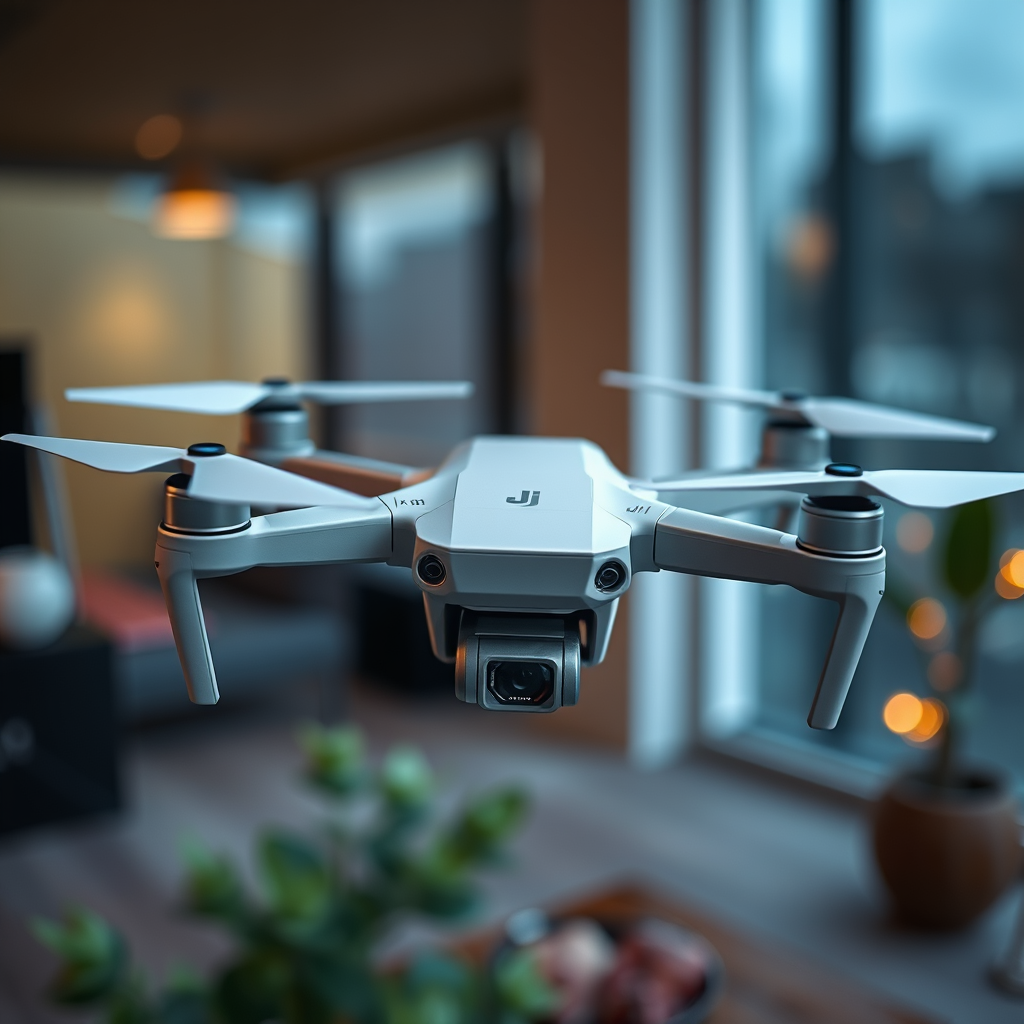
The short answer is that while there have been discussions and concerns regarding the regulation of DJI drones, particularly due to security issues, there is currently no outright ban in place. As the leading manufacturer of commercial drones, DJI has faced scrutiny from various governments concerned about data security and privacy. In this article, we’ll explore the reasons behind these concerns, the potential implications for users, and what the future might hold for DJI drones.
Understanding the Concerns
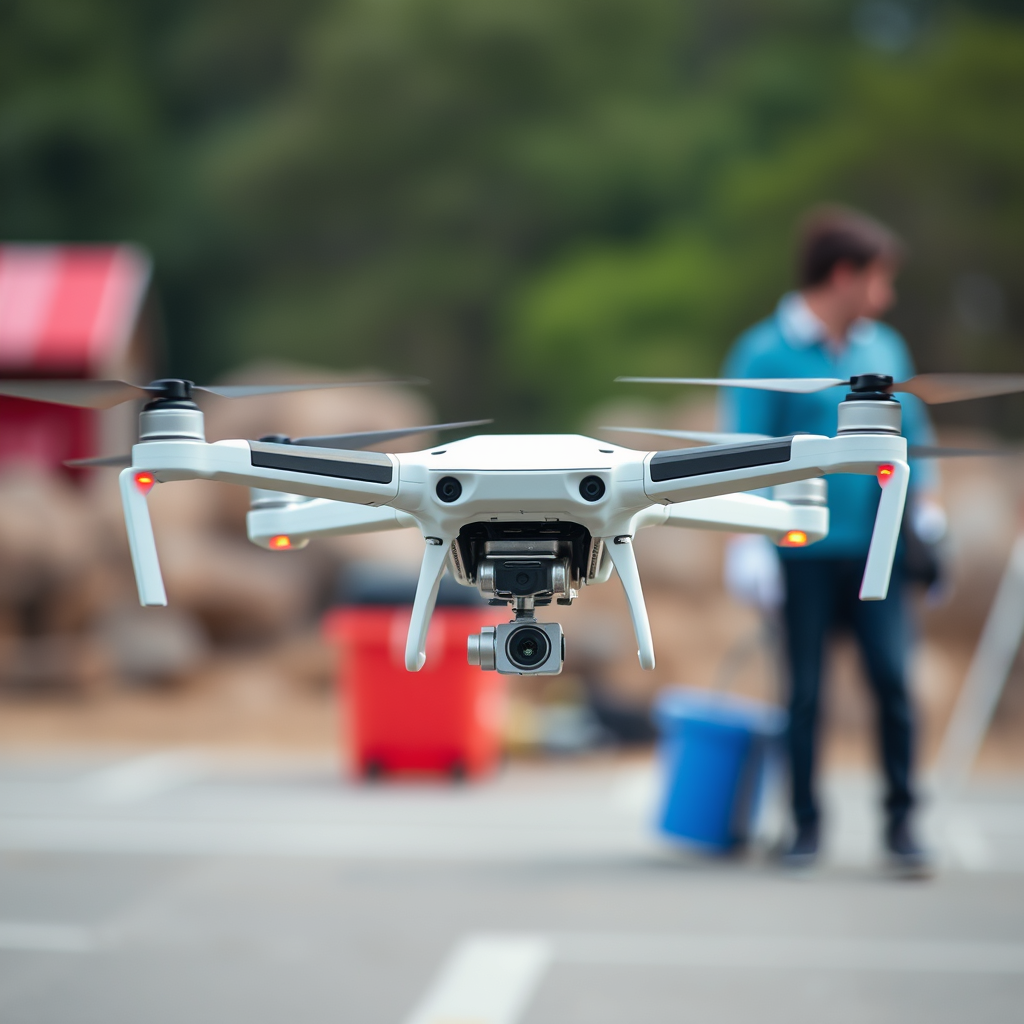
National security issues have taken center stage in discussions about DJI drones. The Chinese-based company has come under fire from several governments, particularly in the United States, due to fears that the data collected by its drones could be accessed by the Chinese government. Reports from various intelligence agencies have suggested that DJI drones could pose a risk, leading to calls for increased regulation and even bans in some sectors. The apprehension is particularly pronounced in military and government applications, where sensitive data is often at stake.
Regulatory scrutiny is not limited to the United States. Countries like India, Australia, and the UK have raised similar concerns, leading to a global dialogue about the safety and security of foreign-manufactured drones. The increasing calls for transparency and accountability in data handling have prompted regulatory bodies to consider stricter measures, including possible bans on the use of DJI drones in sensitive areas or functions. The implications extend beyond national security to encompass broader issues of privacy and consumer protection, making this a multifaceted topic.
Current Regulations and Restrictions
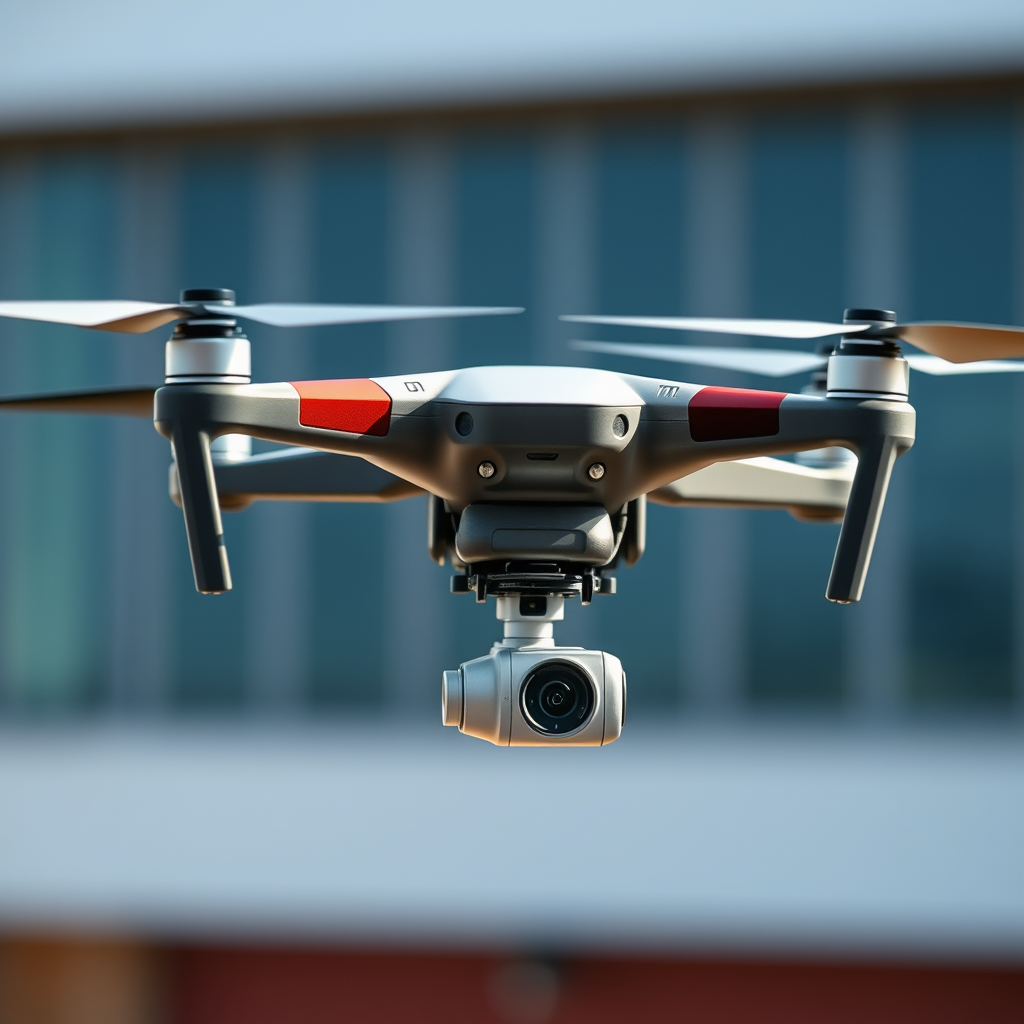
Existing bans on DJI drones have already been implemented in certain countries. For instance, the U.S. government has prohibited the use of DJI drones by federal agencies, citing security risks. Similarly, the Indian government has placed restrictions on the import and operation of foreign drones, including those manufactured by DJI, focusing on the potential for data leaks and misuse. These actions have created a ripple effect, prompting other nations to re-evaluate their drone regulations with an eye toward national security.
Local regulations can also significantly impact how DJI products can be used. Many regions have specific drone laws that govern where, when, and how drones can be operated. For example, in urban areas, local ordinances may restrict drone flights over populated spaces or critical infrastructure. Users are often required to register their drones, obtain permits for commercial use, and adhere to strict flight guidelines. Therefore, while DJI drones are not universally banned, their operation is increasingly subject to a complex web of regulations that can vary widely from one jurisdiction to another.
Responses from DJI
In response to the growing concerns over data privacy and security, DJI has taken steps to address these issues head-on. The company has released several public statements emphasizing its commitment to user data protection. DJI insists that it does not share user data with the Chinese government and has implemented measures to safeguard customer data, including encryption and local data storage options.
Furthermore, DJI has been proactive in rolling out software updates aimed at enhancing security and compliance with evolving regulations. These updates often include improved data management features, robust user controls, and transparency mechanisms that allow users to better understand how their data is being used. By taking these steps, DJI aims to rebuild trust among its user base while navigating an increasingly challenging regulatory landscape.
Impact on Consumers
Despite the concerns and regulatory hurdles, DJI drones remain immensely popular among hobbyists and professionals alike. The brand’s reputation for high-quality imaging, user-friendly interfaces, and advanced technology continues to attract a loyal customer base. For many users, the performance and features of DJI drones outweigh the potential risks highlighted by governments. Applications in photography, agriculture, and surveying are driving demand, which keeps the brand at the forefront of the drone market.
However, the discussions around DJI have prompted some consumers to explore alternative drone brands that are perceived as less controversial. Manufacturers like Parrot, Skydio, and Autel Robotics have gained traction as customers seek options that may sidestep the geopolitical issues surrounding DJI. This shift in consumer behavior illustrates that while DJI remains a dominant player in the market, the landscape is evolving with increasing competition and diverse offerings.
Future Outlook for DJI Drones
The future outlook for DJI drones remains uncertain but also promising. Ongoing dialogues between governments and DJI could lead to evolving regulations that seek to balance national security concerns with the need for innovation and technological advancement. As regulatory bodies continue to assess the risks associated with foreign-manufactured drones, it is likely that more nuanced policies will emerge, allowing for greater transparency and user control.
Emerging technologies, such as AI-driven features and enhanced data encryption, could also influence the regulatory landscapes. As drone technology continues to advance, it may facilitate new uses and applications that could garner broader acceptance among regulators and the public. Consequently, how DJI and the broader drone industry navigate these challenges will be crucial in determining their future role in both commercial and recreational spheres.
What You Can Do
To stay ahead in this evolving landscape, it is essential for drone users to remain informed about local and international regulations. Regularly checking updates from aviation authorities or drone-specific organizations can help you stay compliant with the latest laws. Additionally, engaging with the drone community through forums, social media, or local meetups can provide valuable insights and shared experiences, helping you navigate the complexities of drone usage.
Participating in discussions around drone regulations and advocating for responsible drone usage can also play a significant role. By actively engaging in this dialogue, users can contribute to a more informed public and help shape the future of drone regulations.
The situation regarding DJI drones is complex, but as of now, they are not facing a complete ban. It’s essential for users to stay informed about regulations and potential changes. By understanding the landscape, you can make informed decisions about your drone usage and stay ahead of any developments. The path forward for DJI and its users will depend on a delicate balance between security concerns and the desire for innovation in an ever-evolving technological environment.
Frequently Asked Questions
Are DJI drones going to be banned in the United States?
As of October 2023, there is no nationwide ban on DJI drones in the United States. However, concerns regarding data privacy and security have led to discussions among lawmakers about potential restrictions. It’s important to stay updated on local regulations and federal guidelines, as drone laws can vary by state and are subject to change based on ongoing reviews.
What are the reasons behind the possible ban on DJI drones?
The potential for a ban on DJI drones primarily stems from national security concerns. U.S. officials have raised alarms about data privacy, claiming that DJI drones may transmit sensitive information back to China. These concerns have prompted investigations and calls for stricter regulations, particularly for government and military use of DJI products.
How can I find out if DJI drones are banned in my area?
To determine if DJI drones are banned in your area, you should check both local and state regulations regarding drone usage. Additionally, you can consult the Federal Aviation Administration (FAA) website for updates on national drone laws. Local drone enthusiast forums and news outlets can also provide information on recent developments affecting drone regulations.
What should I do if DJI drones are banned in my region?
If DJI drones are banned in your region, you should consider alternative drone brands that comply with local regulations. Research and select drones that meet your needs and are permitted for use in your area. Additionally, staying informed about any changes in legislation can help you make timely decisions regarding your drone usage.
Which DJI drones are most at risk of being banned?
While there is no specific list of DJI drones at risk of being banned, models that are widely used in commercial and governmental applications, such as the DJI Matrice series and Mavic series, are under greater scrutiny due to their potential for sensitive data collection. It’s advisable for users of these drones to monitor ongoing discussions and policy changes related to drone use and security concerns.
References
- https://www.bbc.com/news/world-us-canada-67189680
- https://www.reuters.com/technology/us-transportation-department-proposes-new-drone-rules-2023-09-29/
- https://www.nytimes.com/2023/10/01/us/drones-regulations-transportation.html
- https://www.faa.gov/uas/getting_started/drone_registration
- https://www.cnbc.com/2023/09/29/us-drone-regulations-what-to-know.html
- https://www.theguardian.com/us-news/2023/oct/01/us-drone-regulations-dji-ban
