
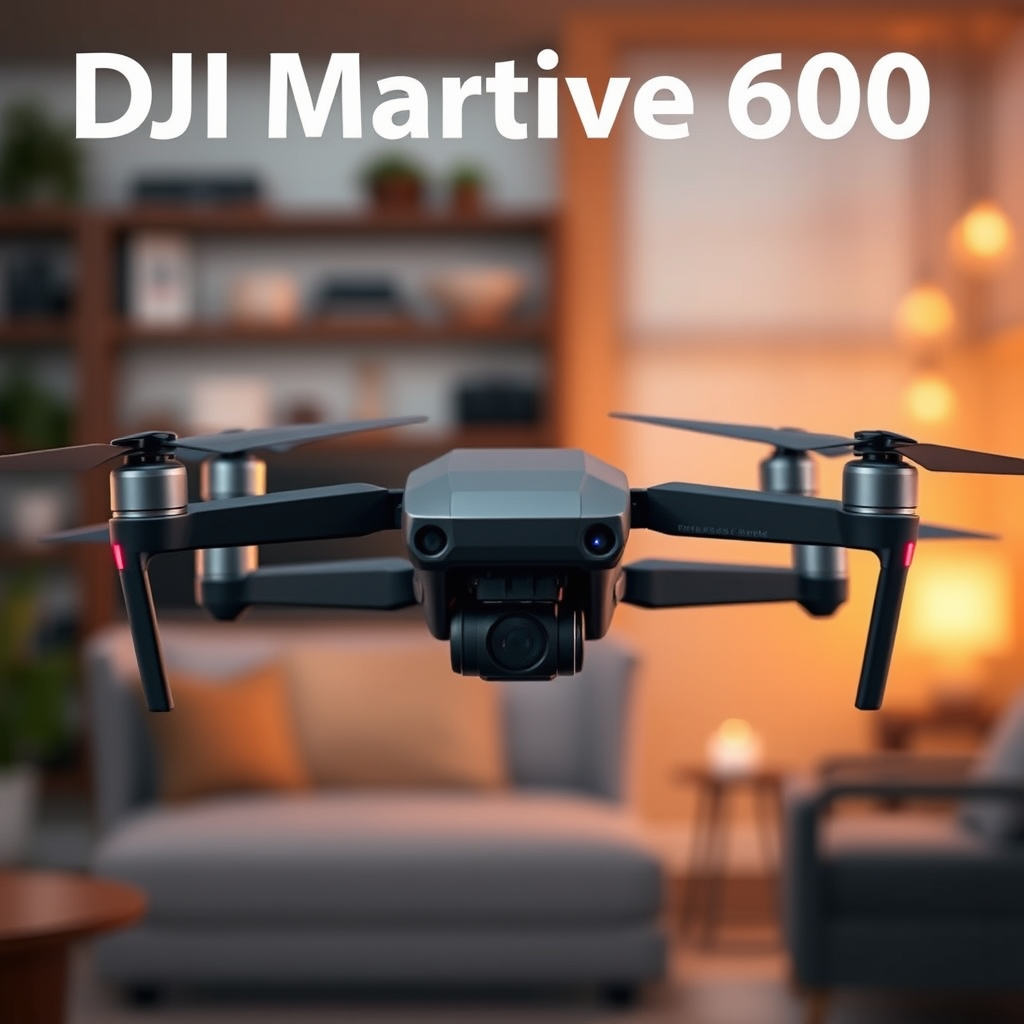
The DJI Matrice 600 is an exceptional drone that combines versatility, power, and advanced technology, making it a top choice for professionals in aerial photography, videography, and industrial applications. With its robust hexacopter design, this drone excels in stability and payload capacity, enabling users to capture high-quality images and data from the sky. In this article, we will delve into the key features, performance metrics, compatibility, applications, safety measures, and maintenance tips associated with the DJI Matrice 600, equipping potential users with the knowledge needed to maximize its benefits.
Key Features of the DJI Matrice 600
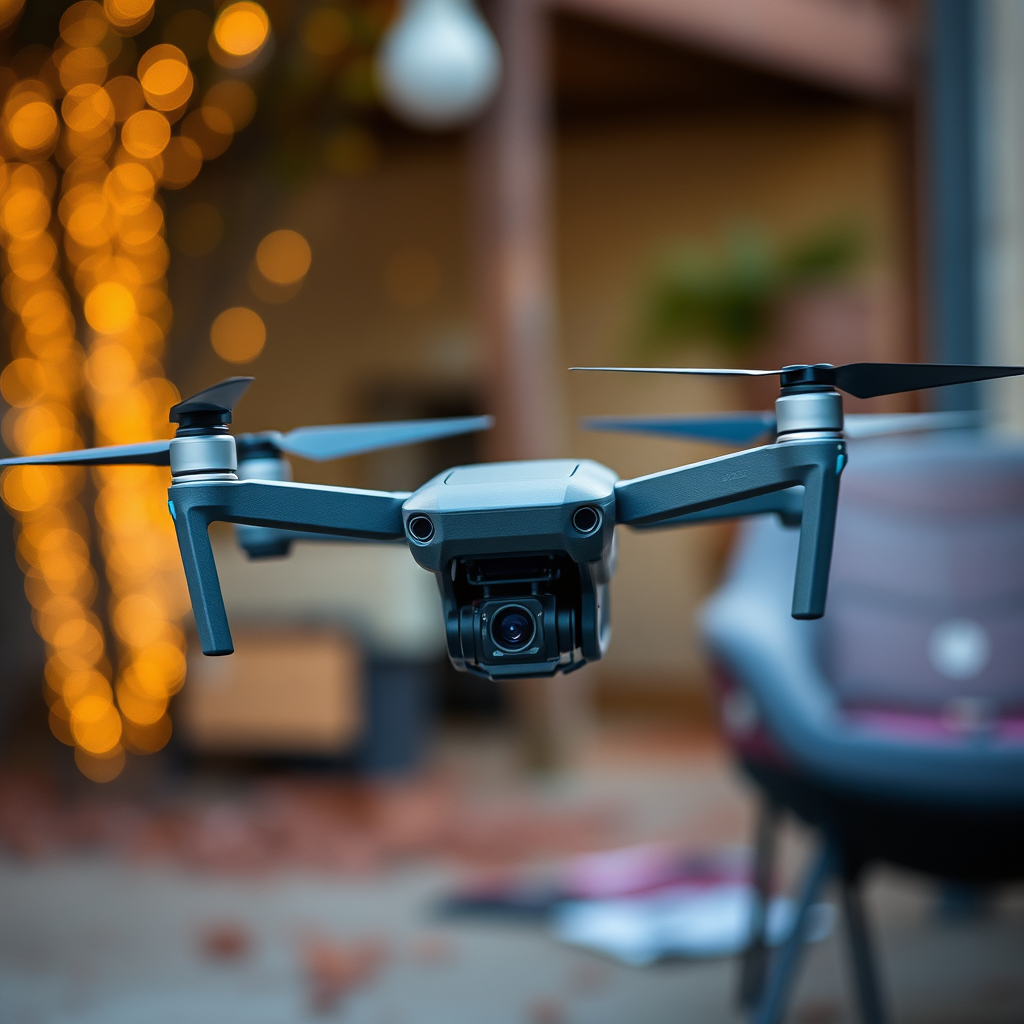
The DJI Matrice 600’s design is engineered for optimal performance and safety. The hexacopter configuration not only enhances stability during flight but also provides an additional layer of safety; if one rotor fails, the drone can still maintain control and land safely. It boasts an impressive payload capacity of up to 6 kg (13.2 lbs), making it suitable for a variety of professional-grade cameras and equipment. This capability allows filmmakers to mount high-end cameras like the Zenmuse X5 and X5R or other third-party devices, ensuring that no compromise is made on image quality.
Moreover, the integrated DJI Lightbridge 2 technology facilitates high-definition video transmission over long distances, allowing operators to monitor their shots in real time without any lag or loss of quality. This is particularly beneficial in dynamic shooting environments where precise framing is essential. The Matrice 600 also includes a robust flight controller, which offers various intelligent flight modes, including Follow Me, Point of Interest, and Waypoint Missions.
Performance and Flight Time
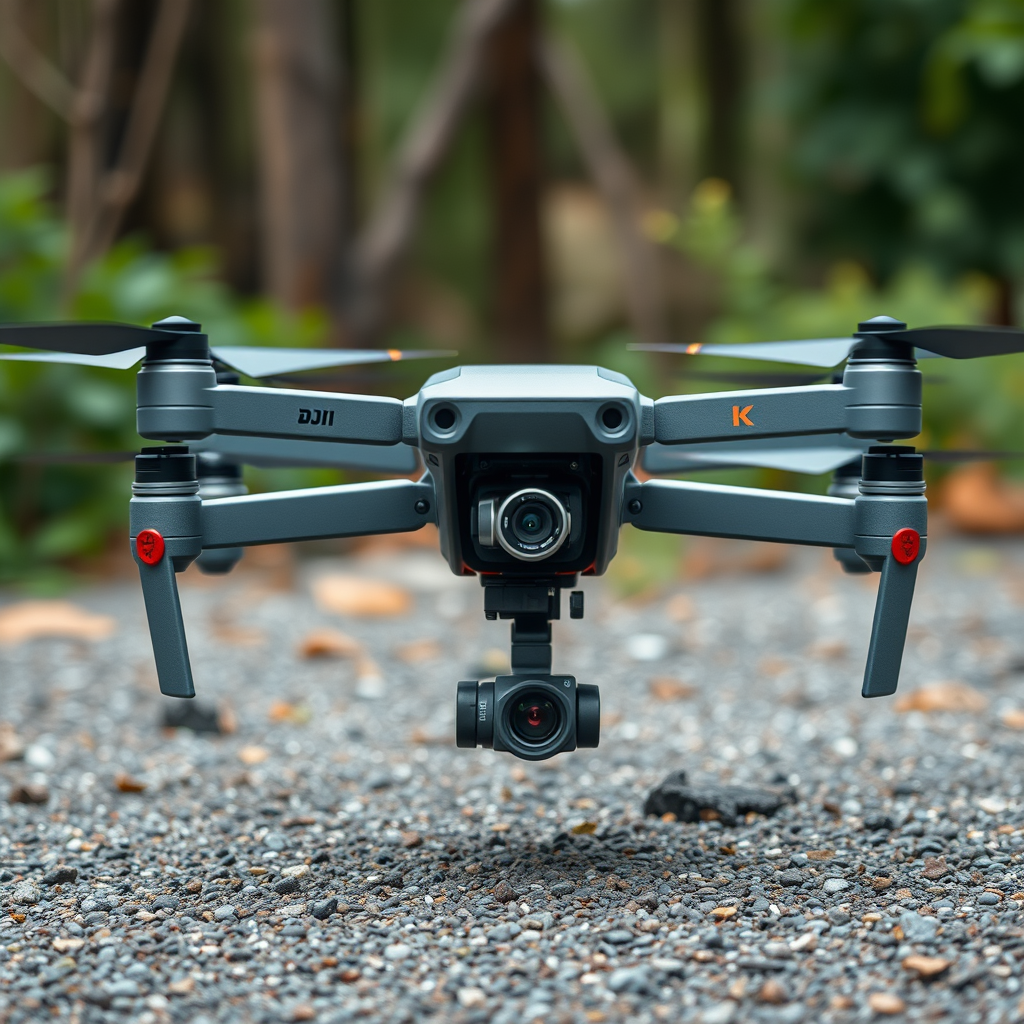
When it comes to performance, the DJI Matrice 600 does not disappoint. It offers up to 35 minutes of flight time, depending on the payload and environmental conditions such as wind speed and temperature. This extended flight duration is critical for lengthy shoots or during tasks that require sustained aerial monitoring. The drone can reach a maximum flight speed of 18 m/s (40 mph), enabling quick repositioning between locations and efficient coverage of large areas.
Additionally, the Matrice 600 employs advanced GPS and Inertial Measurement Unit (IMU) systems that contribute to precise navigation and enhanced stability. These systems work in tandem to ensure that the drone maintains a steady hover, even in windy conditions, which is vital for capturing high-quality aerial footage. This combination of features positions the Matrice 600 as a reliable tool for both novice and experienced operators looking to achieve professional results.
Payload Options and Compatibility
The flexibility of the DJI Matrice 600 extends to its payload options, making it a highly adaptable platform for various applications. It is compatible with a range of popular cameras, including the Zenmuse X5 and X5R, which are known for their exceptional image quality and performance. The gimbal options available for the Matrice 600 ensure that footage remains smooth and stable, even during high-speed maneuvers or in challenging weather conditions.
Moreover, users can customize payload configurations to suit specialized tasks. For instance, drones equipped with thermal cameras can be employed in search and rescue operations or for infrastructure inspections, while those with multispectral cameras can assist in agricultural monitoring and analysis. This versatility is crucial for professionals who may require different payloads for different projects, allowing them to maximize the utility of their drone investment.
Setup and Operation
The DJI Matrice 600 is designed with user convenience in mind, featuring a modular design that simplifies the setup process. Operators can quickly assemble and disassemble the drone, making it easy to transport between locations. The user-friendly interface provided through the DJI GO app enhances control, allowing users to operate the drone with intuitive gestures and commands.
Additionally, the Matrice 600 supports autonomous flight missions, which can significantly streamline workflows in professional settings. The waypoint navigation feature allows operators to pre-program flight paths, ensuring that complex shots can be executed with precision and efficiency. This capability is particularly beneficial in film and television production, where consistency and repeatability are essential.
Applications of the Matrice 600
The versatility of the DJI Matrice 600 makes it suitable for a wide array of applications across various industries. In the film and television sector, it is widely used for capturing stunning aerial shots that enhance storytelling and visual appeal. Its ability to carry high-end cameras and maintain stability in challenging conditions makes the Matrice 600 an invaluable asset for filmmakers.
In addition to its cinematic capabilities, the Matrice 600 is also ideal for surveying and mapping tasks in industries such as construction, agriculture, and environmental monitoring. Drones equipped with high-resolution cameras can efficiently gather data for land surveys, crop health assessments, and topographical mapping, providing valuable insights that aid decision-making.
Furthermore, the Matrice 600’s robust design and advanced features make it an effective tool for search and rescue operations. Its ability to cover large areas quickly and relay real-time data can assist rescue teams in locating missing persons or assessing disaster-stricken regions.
Safety Features and Regulations
Safety is a paramount concern for any drone operation, and the DJI Matrice 600 is equipped with several built-in fail-safe mechanisms designed to protect both the drone and its operator. These mechanisms ensure safe landings in case of emergencies, such as battery depletion or loss of signal. Additionally, the geofencing technology integrated into the drone prevents it from flying in restricted areas, which is essential for compliance with local regulations.
Moreover, operators must familiarize themselves with local drone regulations and obtain the necessary permits to operate the Matrice 600 legally. Understanding and adhering to these regulations not only ensures compliance but also promotes safe and responsible drone use.
Maintenance and Care
To maximize the performance and lifespan of the DJI Matrice 600, regular maintenance and care are essential. Keeping the firmware updated is crucial, as updates often include performance enhancements and bug fixes that can improve the drone’s overall functionality.
Routine checks on battery health and propeller conditions should be conducted to ensure optimal flight safety. Batteries should be charged according to manufacturer guidelines, and propellers should be inspected for any signs of wear or damage before each flight. Additionally, users should follow best practices for storing and transporting the drone, such as using protective cases and avoiding extreme temperatures, to ensure its longevity.
By investing time in proper maintenance, operators can significantly extend the lifespan of their Matrice 600, ensuring it remains a reliable tool for years to come.
The DJI Matrice 600 stands out as a powerful tool for professionals seeking high-quality aerial footage and data collection capabilities. By understanding its features, performance, and applications, users can effectively leverage this drone for various projects. If you’re considering investing in the Matrice 600, be sure to explore its potential benefits to enhance your work in aerial imaging or industrial applications.
Frequently Asked Questions
What are the key features of the DJI Matrice 600 drone?
The DJI Matrice 600 drone is known for its advanced features, including a maximum payload capacity of 6 kg, which allows it to carry professional camera equipment like the Zenmuse series. It is equipped with a robust battery system that provides up to 35 minutes of flight time, depending on payload. Additionally, the drone supports various flight modes, such as Tripod and Failsafe, ensuring stability and safety during operation, making it an ideal choice for filmmakers and industrial applications.
How do I set up and calibrate my DJI Matrice 600 drone for the first flight?
To set up and calibrate your DJI Matrice 600, begin by ensuring that all components, including the batteries and propellers, are securely attached. Use the DJI GO app to connect your drone and follow the on-screen instructions for compass calibration and IMU calibration. It’s crucial to perform these calibrations in an open area away from magnetic interference to ensure accurate readings, which significantly enhances flight stability and performance.
Why is the DJI Matrice 600 a popular choice for aerial cinematography?
The DJI Matrice 600 is highly regarded in the aerial cinematography community due to its versatility and high payload capacity, enabling it to carry professional-grade cameras such as the RED or Canon series. Its ability to stabilize footage with the Zenmuse gimbals ensures smooth video quality, even in challenging conditions. Additionally, its compatibility with various accessories and software for live streaming and post-production makes it an invaluable tool for filmmakers looking to capture stunning aerial shots.
What are the best practices for maintaining the DJI Matrice 600 drone?
To maintain your DJI Matrice 600, regularly inspect the drone for any signs of wear or damage, especially on propellers and batteries. Clean the drone after each flight to remove dirt and debris, particularly around the motors and sensors. It’s also advisable to update the firmware regularly through the DJI GO app to ensure optimal performance and access to the latest features. Proper storage in a controlled environment will enhance the longevity of the drone and its components.
Which accessories should I consider purchasing for the DJI Matrice 600?
Essential accessories for the DJI Matrice 600 include additional batteries to extend flight time, a high-capacity storage card for capturing high-resolution footage, and a carrying case for safe transport. Other useful accessories are the DJI Lightbridge for real-time video transmission and various gimbals for stabilizing your camera. Investing in these accessories can significantly enhance your flying experience and the quality of your aerial photography and videography projects.
References
- Drone
- https://www.reuters.com/technology/dji-drone-technology-2021-06-15/
- https://www.sciencedirect.com/science/article/pii/S2352864821000280
- https://www.nist.gov/itl/iad/ig/drones-and-robotics
- https://www.nasa.gov/mission_pages/tdrss/news/drones.html
- drones | TechCrunch
- https://www.theguardian.com/technology/drones
- Drones | Latest News, Photos & Videos | WIRED
