
The simple answer is yes, DJI drones can be used in India, but they must adhere to specific regulations set by the Indian government. As drone technology grows rapidly, the Indian government has established a framework to ensure safe and responsible use of these devices. In this article, you’ll learn about the legal requirements, registration processes, and restrictions that apply to flying DJI drones in India, enabling you to navigate the regulatory landscape effectively.
Overview of Drone Regulations in India
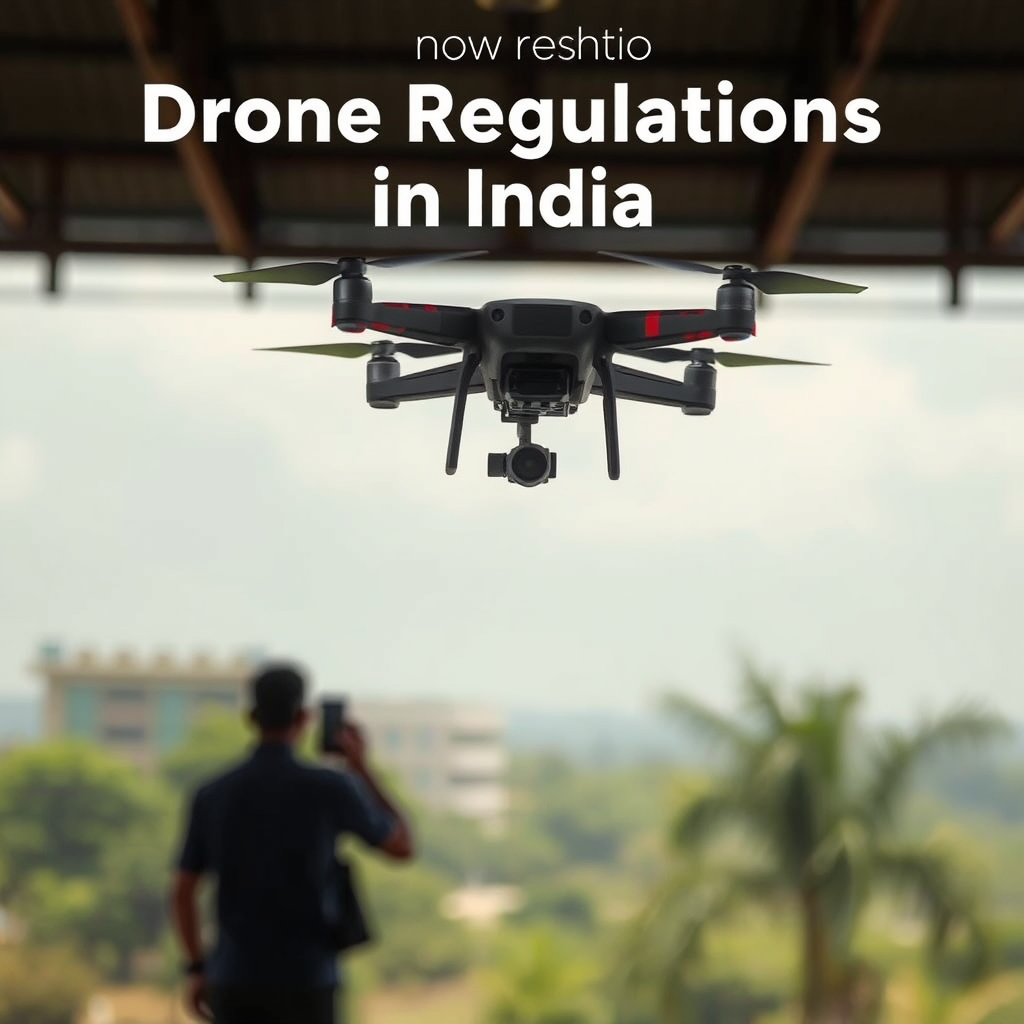
In India, the Directorate General of Civil Aviation (DGCA) is the primary regulatory body governing drone usage. The DGCA has implemented a series of regulations to ensure that drone operations are conducted safely and responsibly. One of the key requirements is that all drones must be registered and possess a Unique Identification Number (UIN). This registration process is crucial for tracking drone activities and ensuring compliance with regulations.
The regulations classify drones into different categories based on their weight, purpose, and usage, and they dictate the operational parameters for each category. For instance, micro drones (weighing less than 250 grams) may have fewer restrictions compared to larger drones intended for commercial use. Understanding these classifications is vital for any drone operator looking to fly legally in India.
Types of Drones and Their Classifications
DJI drones are available in various models that fall under different categories of classification as defined by the DGCA. The classifications primarily include:
1. Nano Drones: Weighing less than 250 grams, these drones generally do not require registration. They are typically used for recreational purposes and have minimal restrictions.
2. Micro Drones: Weighing between 250 grams and 2 kilograms, these drones must be registered with the DGCA and are subject to specific operational guidelines. They can be used for both recreational and commercial purposes.
3. Small Drones: Weighing between 2 kilograms and 25 kilograms, these drones require a UIN and compliance with additional regulations, particularly if used for commercial activities.
4. Medium and Large Drones: These weigh more than 25 kilograms and require extensive regulatory compliance, including obtaining a Remote Pilot License (RPL) for operators.
The distinction between recreational and commercial drone operations is also crucial. While recreational users may have more leniency, commercial users must adhere to stricter regulations, including obtaining necessary licenses and permissions before flying their drones.
Registration Process for DJI Drones
To legally operate a DJI drone in India, users must complete the registration process through the DGCA’s online portal. The steps for registration include:
1. Creating an Account: Users must create an account on the DGCA portal, providing necessary personal information and verifying their identity.
2. Drone Registration: After account creation, users can register their drones by submitting details such as the drone’s make, model, and serial number.
3. Obtaining a Unique Identification Number (UIN): Once the registration is approved, the drone will be assigned a UIN, which must be displayed on the drone.
4. Remote Pilot License (RPL): For those using drones for commercial purposes, obtaining a Remote Pilot License is mandatory. This involves completing a training program and passing a competency test, ensuring that pilots are well-versed in safe flying practices and regulations.
Ensuring compliance with the registration process not only legitimizes drone operations but also enhances safety in the airspace.
No-Fly Zones and Restrictions
Understanding no-fly zones is vital for any drone operator. In India, certain areas are designated as no-fly zones, where drone operations are strictly prohibited. These include but are not limited to:– Airports: A buffer zone of several kilometers around airports is off-limits to drones to prevent interference with manned aircraft operations.
– Military Installations: Drone flights are restricted near military bases and sensitive government sites to maintain security.
– Urban Areas: Flying drones over densely populated areas may be restricted to minimize risks to public safety.
Additionally, Temporary Flight Restrictions (TFRs) can be imposed during special events or emergencies, which may affect the ability to fly drones in specific locations. Operators must stay informed about these restrictions and plan their flights accordingly to avoid legal repercussions.
Safety and Compliance Requirements
Safety is paramount in drone operations, and adhering to established guidelines can prevent accidents and legal issues. Operators are encouraged to follow a set of best practices, including:
– Conducting Pre-Flight Checks: Before every flight, operators should ensure that their drone is in good working condition, checking battery levels, GPS functionality, and propeller integrity.
– Understanding Airspace: Familiarizing oneself with the airspace in which they plan to operate is critical. This includes knowing altitude limits and avoiding restricted airspace.
– Adhering to Manufacturer Guidelines: Following the manufacturer’s instructions regarding usage, maintenance, and software updates can enhance the safety and performance of the drone.
Regular maintenance checks are also essential to ensure that the drone operates efficiently and safely. By being proactive in these areas, drone operators can mitigate risks and enhance their flying experience.
Consequences of Non-Compliance
Failing to comply with India’s drone regulations can lead to serious consequences. Legal penalties for flying unregistered or unauthorized drones can include hefty fines, confiscation of equipment, and even criminal charges in severe cases. The DGCA has been known to conduct inspections and monitor drone activities to enforce compliance.
Furthermore, non-compliance can also result in safety hazards. Incidents involving drones can lead to accidents, property damage, or injuries, which can have far-reaching implications for the operator. Staying updated with regulatory changes and ensuring compliance is crucial to avoid complications and ensure a safe flying experience.
Resources for DJI Drone Users in India
For those looking to operate DJI drones in India, several resources can provide support and information:
– DGCA Official Website: The DGCA’s website offers comprehensive guidelines, updates on regulations, and access to the drone registration portal.
– Local Drone Clubs: Joining a local drone club can provide valuable networking opportunities, access to training, and shared knowledge from experienced drone operators.
– Mobile Apps: Utilizing applications like UAV Forecast or Airmap can help drone users stay informed about airspace conditions, TFRs, and weather updates in real-time.
These resources can empower drone users to fly responsibly and stay compliant with regulations, enhancing their overall experience.
Summarizing the details shared, DJI drones are permitted in India as long as users comply with the necessary regulations and registration processes. For anyone considering flying a DJI drone, it’s crucial to stay informed about the legal landscape and follow best practices to ensure a safe and lawful flying experience. Check the DGCA website for the latest updates and embark on your drone flying adventure responsibly.
Frequently Asked Questions
Are DJI drones allowed in India for commercial use?
Yes, DJI drones are allowed for commercial use in India, but operators must adhere to regulations set by the Directorate General of Civil Aviation (DGCA). This includes obtaining a Unmanned Aircraft Operator Permit (UAOP) and ensuring that the drone is registered and compliant with safety standards. Additionally, users must follow the prescribed operational guidelines to ensure safe flying practices.
What are the legal requirements for flying DJI drones in India?
To fly DJI drones legally in India, you must register your drone with the DGCA and obtain a Unique Identification Number (UIN). Furthermore, operators need to complete the necessary training and certification to be eligible for a Remote Pilot License (RPL). It is crucial to familiarize yourself with airspace restrictions and maintain compliance with local laws regarding drone usage.
How can I register my DJI drone in India?
To register your DJI drone in India, visit the DGCA’s Digital Sky platform, where you can apply for a Unique Identification Number (UIN). You’ll need to provide details such as the drone’s specifications, your identification, and any relevant certification documents. The process involves paying a registration fee and fulfilling the necessary requirements outlined by the DGCA.
Why are there restrictions on flying DJI drones in India?
Restrictions on flying DJI drones in India are primarily in place to ensure public safety and security. These regulations help prevent unauthorized surveillance, maintain air traffic safety, and protect sensitive areas such as airports and military installations. Complying with these restrictions is essential for responsible drone operation and helps mitigate risks associated with drone flights.
Which DJI drones are approved for use in India?
Most DJI drones can be used in India as long as they comply with the DGCA regulations. Popular models like the DJI Mavic Air 2, Mavic Mini, and Phantom 4 Pro can be flown, provided they are registered and used by certified pilots. It’s essential to check the latest DGCA guidelines and ensure that your specific drone model meets the criteria for legal operation in Indian airspace.
References
- https://en.wikipedia.org/wiki/Drone_regulation_in_India
- Welcome! | Ministry of Civil Aviation
- https://www.thehindu.com/news/national/drones-in-india-what-you-need-to-know/article33245532.ece
- https://www.mygov.in/circulars/faq-on-drones/
- https://www.bbc.com/news/world-asia-india-53605563
- https://www.reuters.com/article/us-india-drones-idUSKBN2B61E8
- https://www.theguardian.com/world/2021/jul/15/indian-government-issues-new-guidelines-for-drone-use
- India News: Today’s Breaking News & Latest Updates From India | Business Standard
