
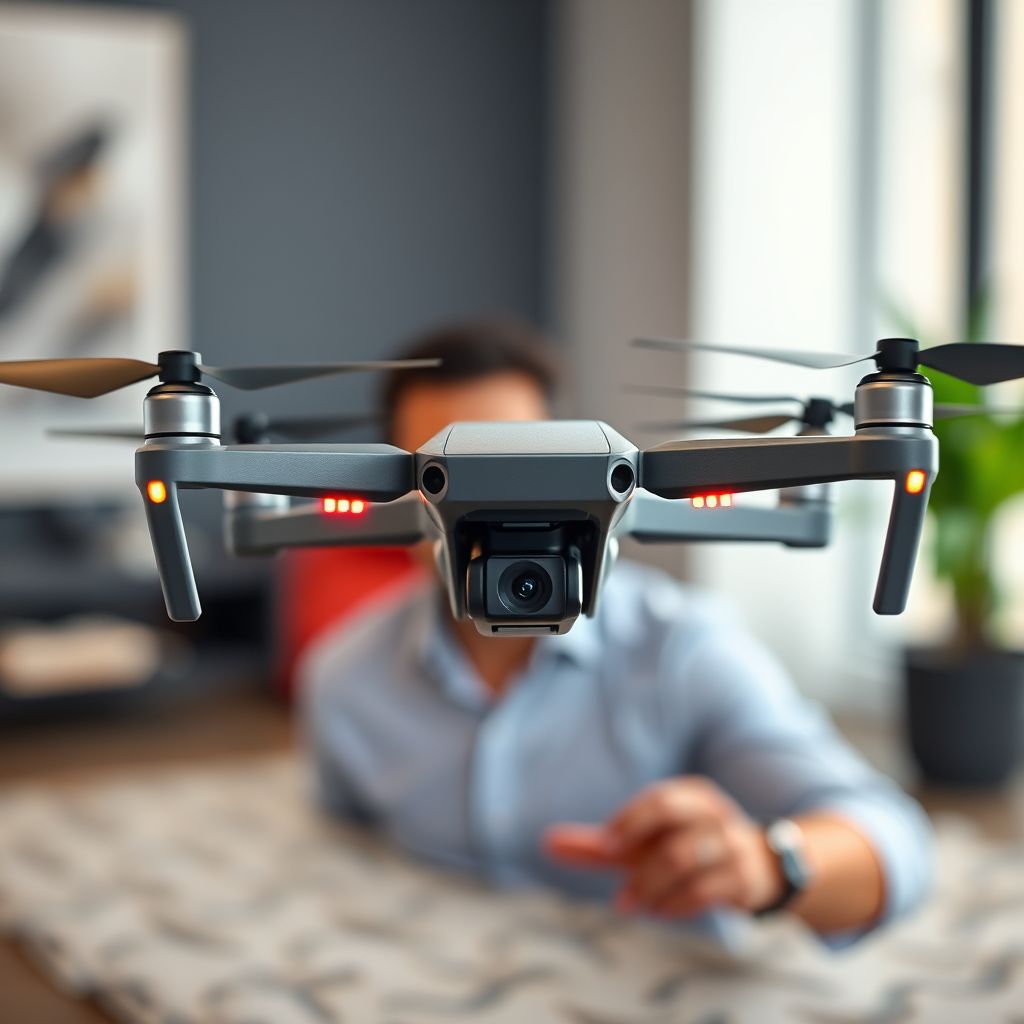
Flying DJI drones is generally not hard, especially with their user-friendly features and intuitive controls. Most beginners find that with a little practice, they can quickly become proficient pilots. DJI has designed their drones to be accessible, even for those who have never flown before. With advanced technology and a plethora of supportive features, new pilots can navigate the skies with confidence. In this article, we’ll explore the ease of flying DJI drones, key features that assist pilots, common challenges, and tips for mastering your drone.
Understanding DJI Drone Technology
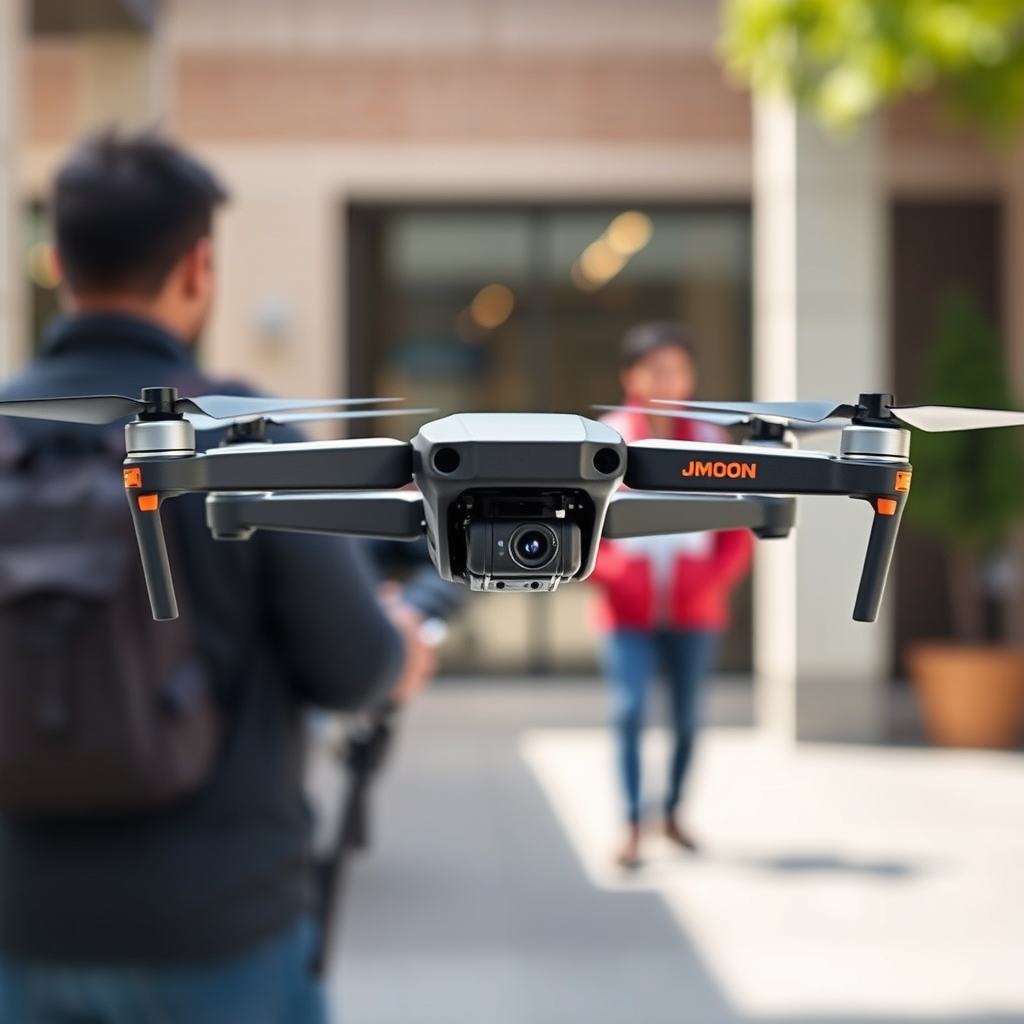
DJI drones are renowned for their cutting-edge technology, which plays a significant role in making them easy to fly. One of the standout features is the advanced stabilization system, which employs multiple sensors and algorithms to ensure smooth flight. This system reduces the impact of wind and turbulence, allowing for a stable flying experience, even in less-than-ideal weather conditions. For instance, models like the DJI Mavic Air 2 utilize a 3-axis gimbal to maintain camera stability, giving users clear, high-quality footage regardless of flight conditions.
In addition to stabilization, GPS positioning is another critical aspect of DJI drones that enhances ease of use. The drones can lock onto satellites for precise positioning, enabling features like geofencing and waypoint navigation. This technology not only provides the pilot with a reliable location reference but also enhances safety by preventing the drone from straying into restricted areas. Furthermore, obstacle avoidance systems use sensors to detect nearby objects, automatically adjusting the flight path to prevent collisions. This feature is particularly beneficial for beginners, who may not yet have developed the spatial awareness needed to navigate complex environments.
Beginner-Friendly Features
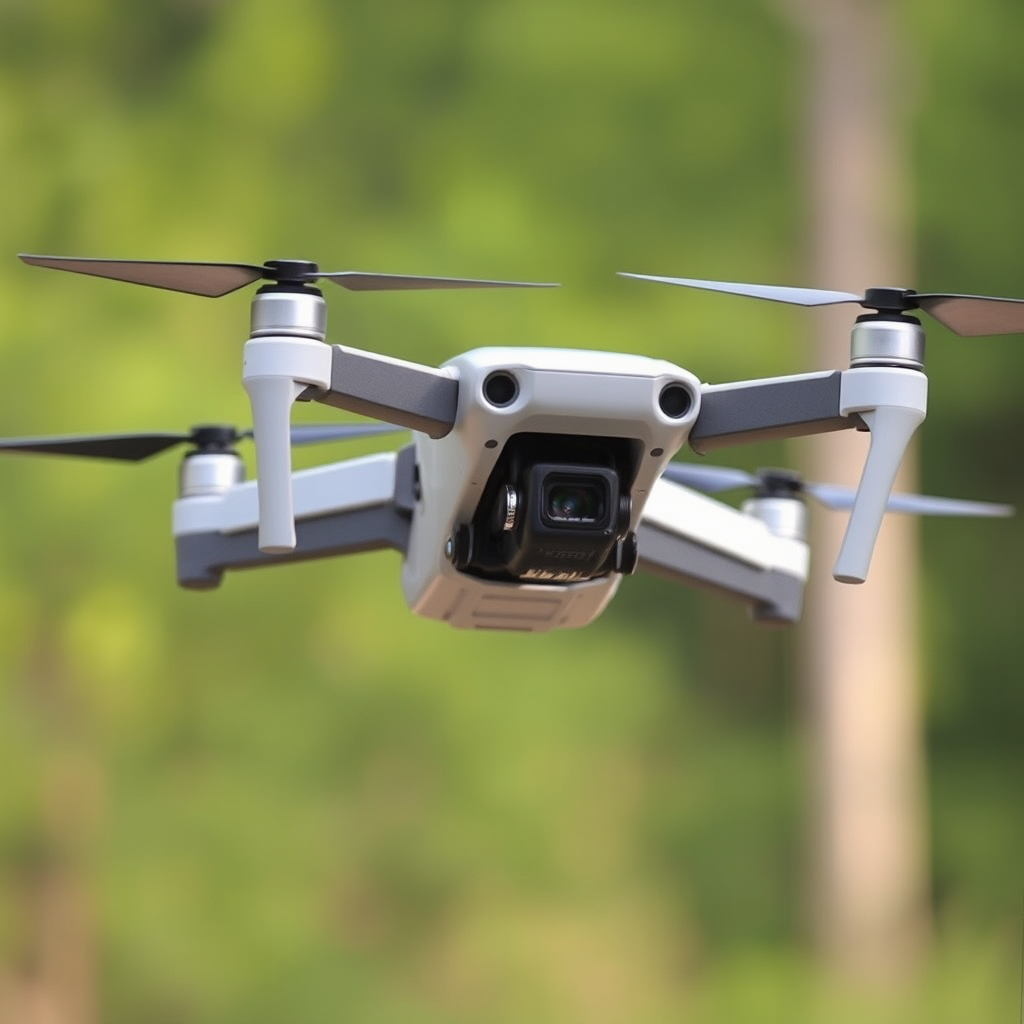
DJI has made a concerted effort to cater to new pilots by incorporating various beginner-friendly features into their drones. For instance, many models come with a “Beginner Mode,” which restricts maximum altitude and speed. This is an invaluable tool for novice pilots, allowing them to familiarize themselves with drone controls without the fear of losing control or flying too high. By gradually increasing these limits as their confidence grows, new pilots can build their skills at a comfortable pace.
Additionally, DJI provides integrated tutorials and guided flying modes within their mobile app. These features offer real-time support by walking users through the fundamental flight maneuvers and settings adjustments. For example, the Fly App includes a “Flight Tutorial” section that educates users on how to take off, hover, navigate, and land safely. This hands-on approach not only accelerates the learning curve but also instills a sense of confidence in new drone operators.
Common Challenges for New Pilots
Despite the user-friendly features, new pilots may still encounter challenges when flying DJI drones. One of the most common issues is the sensitivity to wind. While DJI drones are designed to handle mild winds, stronger gusts can make flying difficult, particularly for inexperienced users. It’s essential for new pilots to check weather conditions before flying and to avoid taking off in windy environments to minimize the risk of losing control.
Another significant hurdle is understanding drone regulations and no-fly zones. Each region has specific laws governing where and how drones can be operated. Many beginners find this information overwhelming, which can raise safety concerns. It is crucial for new pilots to familiarize themselves with local regulations, such as the Federal Aviation Administration (FAA) guidelines in the United States, to ensure compliance and promote safe flying.
Tips for Easy Learning
To ease the learning process, new pilots should adopt several best practices. First and foremost, it’s advisable to practice in open areas away from obstacles and people. This not only minimizes risks but also allows pilots to focus on mastering the controls without the distraction of potential hazards. Fields or large parks are ideal environments for initial flights.
Utilizing the “Return to Home” feature can significantly enhance safety for beginner pilots. This function allows the drone to automatically return to its takeoff point with the push of a button, which can be particularly useful if the pilot loses sight of the drone or encounters any technical issues. Familiarizing oneself with this feature beforehand can alleviate anxiety and boost confidence during early flights.
Additionally, keeping the drone’s firmware updated is crucial for safety and performance. DJI frequently releases updates that improve functionality and fix known issues. New pilots should regularly check the DJI app for updates and follow the prompts to ensure their drone is operating with the latest software.
Resources for New Pilots
A wealth of resources is available to help new pilots navigate their drone flying journey. Online forums and communities, such as the DJI Forums and various Facebook groups, provide platforms for users to share their experiences, ask questions, and offer troubleshooting tips. Engaging with these communities can be immensely beneficial for beginners seeking advice from seasoned pilots.
Moreover, DJI’s official resources, including user manuals and instructional videos, are excellent starting points for learning. The user manuals offer detailed explanations of each drone’s features and controls, while the instructional videos provide visual guidance on everything from setup to advanced flying techniques. Taking advantage of these resources can significantly enhance a pilot’s understanding and skills.
Advanced Features for Experienced Users
As pilots gain experience, they may wish to delve into the more advanced features offered by DJI drones. For instance, experienced users can explore manual flying modes, where they have full control over the drone’s movements rather than relying on automated features. This allows for greater creativity and adaptability in flight, particularly for capturing stunning aerial footage.
Understanding camera controls and settings is another area where experienced pilots can elevate their skills. DJI drones often come equipped with high-quality cameras capable of shooting in various formats, including 4K video and RAW photos. Learning how to adjust settings such as ISO, shutter speed, and white balance can dramatically improve the quality of captured images and videos, allowing pilots to produce professional-grade content.
Conclusion
In summary, while flying DJI drones can pose challenges, their user-friendly designs and supportive features make them accessible for most individuals. With advanced stabilization systems, GPS technology, and beginner-friendly modes, even those with no prior experience can become skilled pilots with a little practice. By familiarizing themselves with regulations, utilizing available resources, and honing their skills in safe environments, new pilots can confidently navigate the skies. Start your journey today by choosing a DJI model that suits your needs and exploring the myriad possibilities that drone flying has to offer!
Frequently Asked Questions
Are DJI drones hard to fly for beginners?
DJI drones are generally user-friendly and designed with beginners in mind. Most models feature intuitive controls, automated flight modes, and smart features like GPS positioning and obstacle avoidance, making them easier to operate than many other drones. Additionally, DJI provides comprehensive tutorials and support, which helps new users quickly get comfortable with flying.
What are the best DJI drones for first-time flyers?
The best DJI drones for first-time flyers include the DJI Mini 2 and the DJI Mavic Mini. Both models are lightweight, compact, and equipped with user-friendly features like automatic takeoff and landing, which can ease the learning curve. Their impressive flight times and built-in safety features also make them ideal choices for those new to drone flying.
How can I improve my flying skills with a DJI drone?
To improve your flying skills with a DJI drone, start by practicing in open spaces away from obstacles and people. Utilize the beginner mode available on many DJI models, which limits speed and altitude, allowing you to build confidence. Additionally, consider using flight simulators or taking an online course specifically designed for drone operation to enhance your skills further.
Why do some people find DJI drones challenging to operate?
Some people may find DJI drones challenging to operate due to their initial unfamiliarity with drone controls and technology. Features like GPS, return-to-home function, and various flight modes can be overwhelming at first. However, with practice, experience, and utilizing the instructional resources provided by DJI, most users can quickly adapt and become proficient pilots.
Which DJI drone has the easiest learning curve for new users?
The DJI Mini SE is often cited as one of the easiest drones for new users due to its lightweight design, simple controls, and reliable stability. Its user-friendly app interface and features like QuickShots (automated flight paths) allow beginners to capture stunning aerial footage without extensive flying experience. Its affordability and compact size also make it a practical choice for novice pilots looking to start flying drones.
References
- Drone
- https://www.faa.gov/uas/getting_started/fly_a_drone
- https://www.cnet.com/tech/mobile/how-to-fly-a-drone/
- https://www.nytimes.com/2020/07/27/technology/drone-flying-tips.html
- https://www.wired.com/story/how-to-fly-a-drone/
- https://www.dronepilotgroundschool.com/drone-flying-tips/
- https://www.techradar.com/how-to/how-to-fly-a-drone
- https://www.nationalgeographic.com/science/article/how-to-fly-a-drone-tips-and-tricks
