
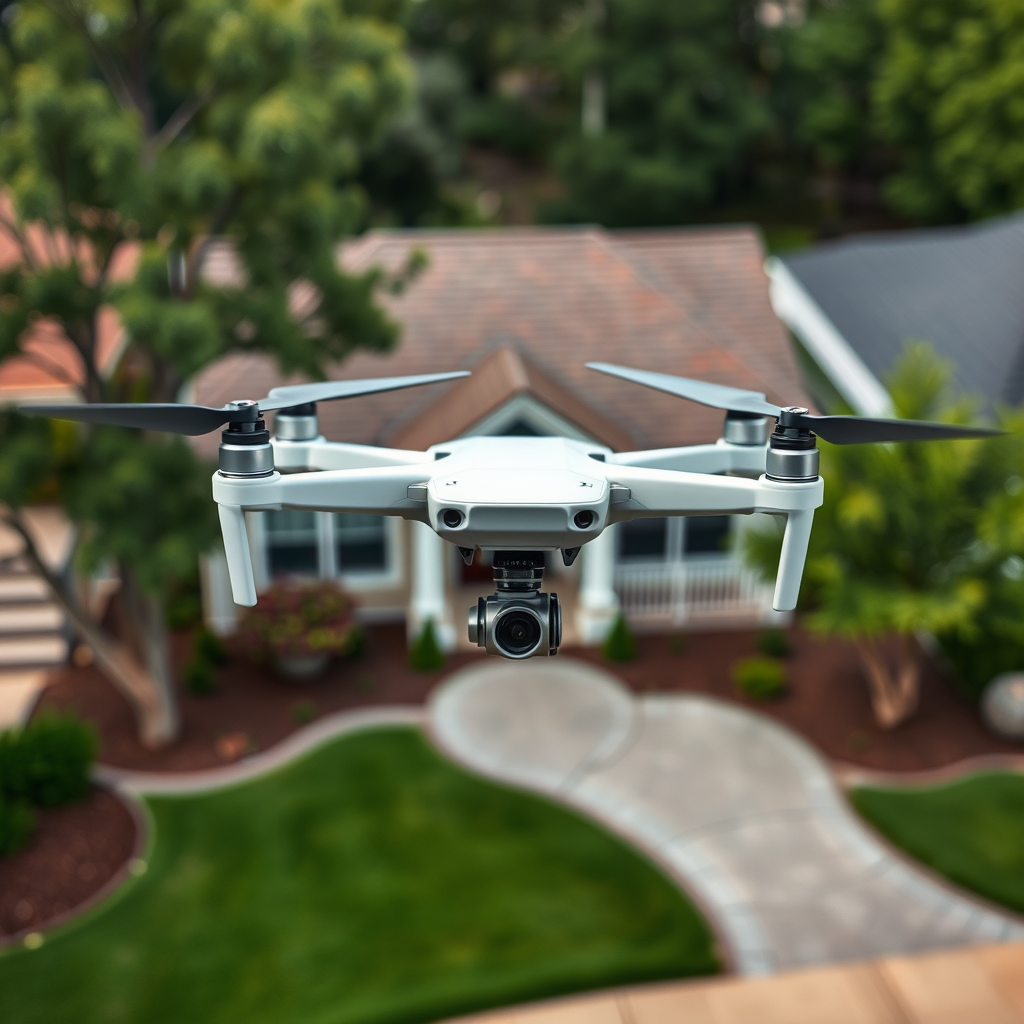
The short answer is no, DJI drones are not currently banned in the U.S. However, there are ongoing discussions and regulations that could impact their use. As one of the leading manufacturers in the drone industry, DJI has faced scrutiny from U.S. government agencies due to security concerns. This article will explore the current status of DJI drones in the U.S., the reasons behind any restrictions, and what drone users need to know moving forward.
Current Regulations on Drones
In the United States, drone usage is primarily governed by the Federal Aviation Administration (FAA), which has established a framework under which both commercial and recreational drone operators must comply. The FAA’s regulations require all drones weighing over 0.55 pounds to be registered, and operators must adhere to specific operational guidelines, including flying below 400 feet, maintaining visual line of sight, and avoiding restricted airspace.
Regarding foreign-made drones, the FAA has additional considerations. While it does not outright ban foreign drones, there are heightened scrutiny measures in place, particularly for drones manufactured by companies based in countries deemed as having potential security threats. This includes DJI, which is based in China. The FAA has been tasked with ensuring that unmanned aerial systems (UAS) do not pose risks to national security or public safety, leading to more rigorous evaluations of foreign manufacturers.
The Concerns Surrounding DJI Drones
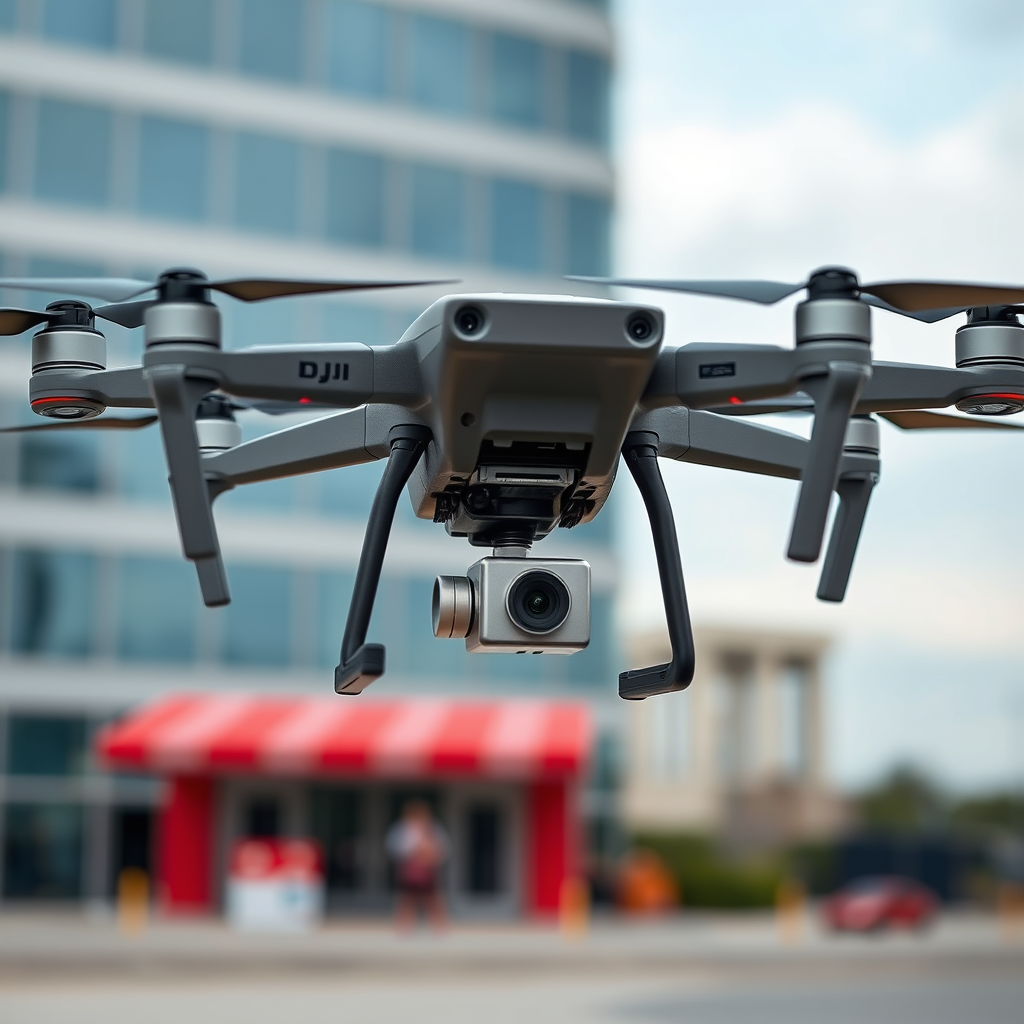
The concerns surrounding DJI drones primarily stem from national security issues raised by various U.S. government agencies. In 2020, the Department of Interior grounded its fleet of DJI drones after a report suggested that the technology could potentially be used to gather intelligence or data that could be accessed by the Chinese government. These concerns have led to an ongoing debate about the risks associated with using foreign-manufactured technology, particularly in sensitive applications such as law enforcement and federal operations.
Moreover, there are fears regarding data privacy and the potential for misuse of information collected by these drones. The use of advanced sensors and cameras can capture vast amounts of data, and without stringent oversight, there are worries that this information could be leveraged for surveillance purposes, either by foreign entities or malicious actors.
Recent Developments and News
Recent announcements from government officials have highlighted the complexities surrounding the use of DJI drones. In 2021, the U.S. government issued a warning to federal agencies to avoid using DJI products unless determined necessary, further emphasizing their concerns regarding data security. Additionally, some local and state governments have begun implementing their own restrictions on the use of DJI drones in public projects.
Pending legislation is also in the works that could affect drone operations across the country. The National Defense Authorization Act has included provisions that would limit the use of certain foreign-made drones, particularly those from companies with ties to adversarial nations. As this legislation progresses, it could create a more restrictive environment for DJI and similar manufacturers.
Alternatives to DJI Drones
For those concerned about the implications of using DJI drones, several alternative brands offer compliant drones that meet U.S. regulations. Companies like Skydio, Parrot, and Autel provide a range of UAVs that cater to both recreational and commercial markets, often with robust features and capabilities comparable to DJI’s offerings.
When considering alternatives, it is essential to weigh the pros and cons. Domestic manufacturers may provide an added layer of comfort regarding data security and compliance with U.S. regulations, but they may not always match the technological advancements or pricing of DJI drones. On the other hand, foreign manufacturers that do not face the same scrutiny as DJI may offer competitive options, but users must remain vigilant regarding potential risks associated with data privacy.
What Users Should Know
Current DJI drone owners should be aware of their responsibilities regarding usage and compliance with existing regulations. As the situation evolves, it is crucial to stay informed about any potential changes that could affect their operational capabilities. Regularly checking the FAA website or subscribing to drone-related news sources can help users remain updated on important developments in drone regulations.
For those considering purchasing a drone, understanding the landscape of regulations and restrictions is vital. Engaging with drone communities online, attending local meetups, or participating in forums can provide valuable insights and experiences from other users. This active engagement can also help to foster a sense of community and shared knowledge among drone enthusiasts.
Future Outlook for DJI Drones in the U.S.
Looking ahead, it is likely that the regulatory landscape for DJI and similar brands will continue to evolve. As technology advances and concerns about data security grow, we may see more stringent regulations being implemented, which could affect the operational capabilities of foreign-manufactured drones. Additionally, as the drone industry expands, the demand for compliance with local and national laws will likely increase, pushing manufacturers to adapt their products accordingly.
The potential impacts on the drone industry in the U.S. could be significant. Companies that prioritize security and compliance may gain a competitive edge, while those unable to adapt to regulatory pressures may face challenges in the marketplace. For consumers, this means that choices may become more limited, but it could also lead to innovations that enhance safety and privacy in drone operations.
In summary, while DJI drones are not currently banned in the U.S., the landscape of regulations and concerns surrounding their use is complex and continuously evolving. Drone users should remain vigilant, stay informed, and explore alternative options to ensure compliance and safety in their operations. By doing so, they can navigate the challenges and opportunities presented by the current regulatory environment, ensuring responsible and enjoyable drone usage.
Frequently Asked Questions
Are DJI drones currently banned in the US?
As of October 2023, DJI drones are not outright banned in the United States. However, certain government agencies have imposed restrictions on their use due to security concerns related to data privacy and potential foreign interference. It’s essential for users, especially those in government or sensitive industries, to check their specific regulations and guidelines regarding the use of DJI drones.
What are the reasons behind the potential ban on DJI drones?
The potential ban on DJI drones stems primarily from national security concerns. The U.S. government has raised alarms about the possibility of the Chinese government accessing data collected by these drones, which may pose risks to critical infrastructure and sensitive information. These worries have led to increased scrutiny and discussions about imposing restrictions on DJI products.
How can I check if my DJI drone is compliant with US regulations?
To ensure your DJI drone complies with US regulations, you should first consult the Federal Aviation Administration (FAA) guidelines and any applicable state regulations regarding drone use. Additionally, keep an eye on updates from the U.S. Department of Defense and other relevant agencies that may issue advisories on specific drone models. It’s also wise to refer to DJI’s official website for any updates on compliance and safety standards.
Which DJI drone models are most impacted by the US restrictions?
As of now, models like the DJI Mavic series, Phantom series, and the Inspire series have been under scrutiny due to their widespread use in both commercial and recreational flying. While there are no official bans on these models, some government agencies have stopped using them in favor of drones from manufacturers that meet specific security criteria. It’s advisable to research which models are currently deemed compliant for your intended use.
What alternatives to DJI drones are available in the US market?
There are several alternatives to DJI drones available in the U.S. market that are considered more secure by some users. Brands like Parrot, Skydio, and Autel Robotics offer various models that cater to both recreational and commercial use. When choosing an alternative, consider factors such as flight capabilities, camera quality, and compliance with local regulations to find the best fit for your needs.
References
- https://www.reuters.com/technology/us-says-dji-drones-could-pose-national-security-risk-2023-01-25/
- https://www.nytimes.com/2023/01/26/us/dji-drone-ban-national-security.html
- https://www.bbc.com/news/technology-64312078
- Unmanned Aircraft Systems (UAS) | Federal Aviation Administration
- Home | Homeland Security
- https://www.wired.com/story/us-dji-drone-ban/
- https://www.npr.org/2023/01/26/1150699889/us-dji-drone-national-security-concerns
