
The short answer is yes; DJI drones can send data to servers in China, raising concerns about privacy and data security. DJI, a major player in the drone industry, has faced scrutiny regarding the potential for user data to be accessed by foreign entities, particularly the Chinese government. In this article, we’ll delve into the specifics of how data transmission works, the implications for users, and what you can do to protect your information while using these devices.
Understanding DJI’s Data Transmission
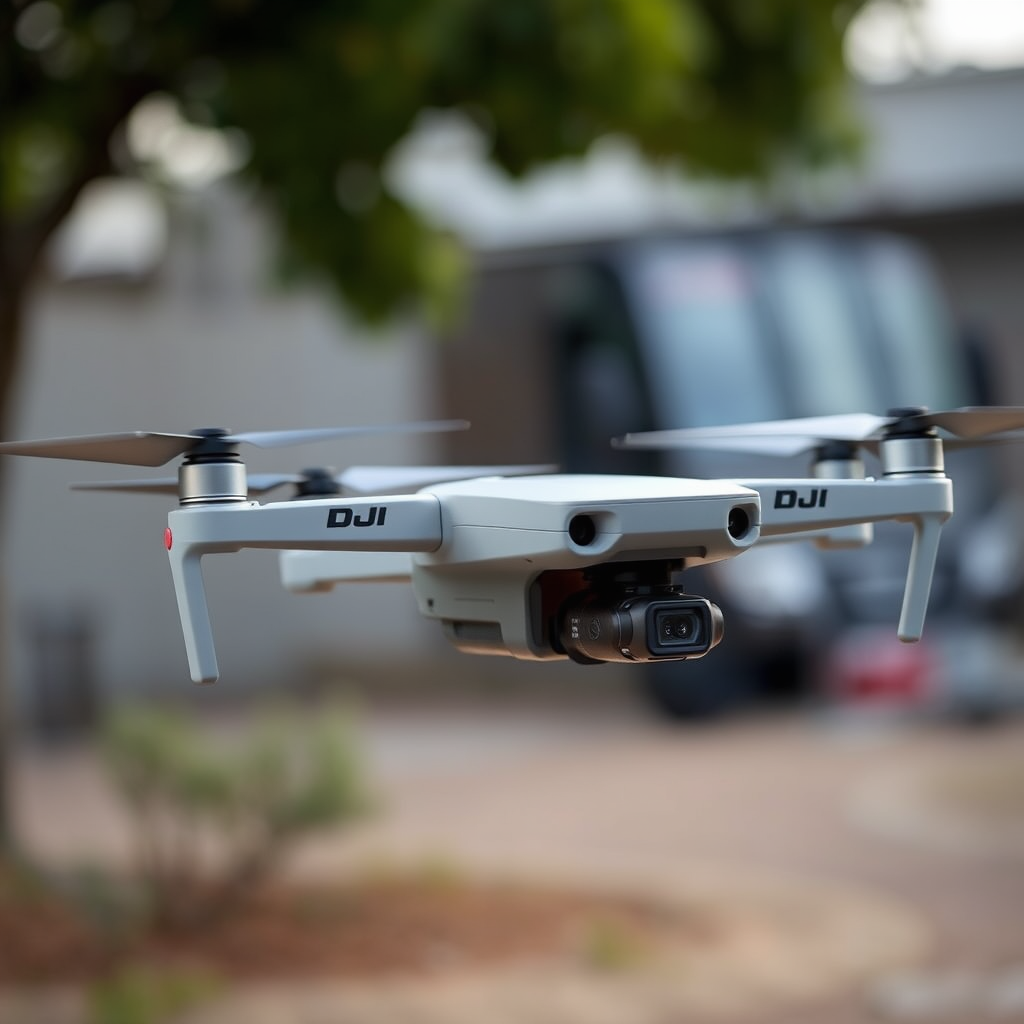
DJI drones are equipped with various sensors and software that collect a range of data during flight operations. This includes flight logs, GPS coordinates, and user-specific information such as email addresses and account details. While this data can be beneficial for improving user experience and troubleshooting issues, it also raises concerns about where this data is sent and how it is used.
When a DJI drone is in operation, it may transmit data to DJI servers for analysis and support. This transmission can include data sent to servers located in China, where DJI is headquartered. For instance, flight logs can help improve algorithm accuracy, while GPS data can assist in providing better mapping services. However, this data flow has sparked fears about unauthorized access and potential misuse of personal information, particularly in light of geopolitical tensions.
The Concerns of Data Privacy
The implications of data privacy are profound, especially in a world where digital surveillance and data breaches are increasingly commonplace. There are widespread concerns about the Chinese government’s potential access to data from foreign companies, including DJI. Critics argue that the Chinese government could compel domestic firms to provide data under the guise of national security, leading to fears among users regarding their privacy and the security of sensitive information.
Additionally, the nature of drone operations often involves capturing images and videos of private property and individuals, which can further complicate privacy considerations. The public’s growing awareness of data privacy issues has led to increased scrutiny of how companies handle user information. As a result, consumers are becoming more cautious about the devices they choose to operate, particularly those that could potentially transmit sensitive data across borders.
DJI’s Response to Allegations
In response to allegations regarding data privacy concerns, DJI has publicly stated that they prioritize user privacy and data security. The company has implemented several measures aimed at minimizing unnecessary data transmission. One such initiative is the introduction of local data modes, which allow users to restrict their drones from sending data to the cloud during flight. This mode stores data on the device itself, ensuring that sensitive information does not leave the user’s control.
Furthermore, DJI has made efforts to engage with regulatory bodies and provide transparency about their data practices. They have published white papers detailing their data collection processes and have established guidelines for data protection. Despite these efforts, skepticism persists, and DJI continues to face challenges in rebuilding trust among users concerned about their data security.
Regulatory Scrutiny and Government Actions
The scrutiny surrounding DJI’s operations has led to various government actions across the globe. Countries like the United States and the United Kingdom have expressed concerns about the potential risks associated with allowing DJI drones to operate within their borders. This has resulted in the implementation of restrictions and guidelines governing the use of DJI products, particularly in sensitive or critical areas.
For instance, in 2020, the U.S. Department of Defense added DJI to its list of companies deemed to pose a national security threat, leading to a ban on the purchase of DJI drones for government use. Similarly, other countries have taken proactive measures to mitigate the perceived risks associated with DJI drones, including restricting their use in military installations, government facilities, and other sensitive environments. These actions underscore the growing apprehension regarding data privacy and security in the drone industry.
What Users Can Do to Protect Their Data
For individuals using DJI drones, there are practical steps one can take to safeguard personal data. First and foremost, users should familiarize themselves with the drone’s settings, particularly those related to data sharing. By adjusting settings to limit data transmission and opting for local data storage options, users can maintain a higher level of control over their information.
Additionally, staying informed about software updates is crucial. DJI frequently releases updates that may include security patches and enhancements to data protection features. Regularly checking for these updates can help ensure that your drone operates securely. Users should also consider educating themselves about the various privacy features offered by the drone’s app and software, ensuring they have a comprehensive understanding of how their data is managed.
Alternatives to DJI Drones
For those who remain apprehensive about the data privacy practices of DJI, several alternative drone manufacturers prioritize data security and transparency. Companies like Parrot, Autel Robotics, and Skydio have emerged as viable alternatives, offering drones that are designed with user privacy in mind.
Before making a purchase, it is advisable to conduct thorough research on the privacy features of these alternatives. Reading user reviews and examining the manufacturers’ data handling policies can provide valuable insights into how they protect user information. Opting for drones that emphasize data security may help alleviate concerns related to data transmission and privacy violations.
The issue of data transmission by DJI drones has sparked significant debate among users and regulators alike. Understanding the implications of data sharing, being aware of privacy settings, and exploring alternative options can empower consumers to make informed decisions about their drone usage. Always stay updated on the latest data privacy practices to enhance your drone flying experience.
Frequently Asked Questions
Are DJI drones safe to use in terms of data privacy and security?
DJI drones have faced scrutiny regarding data privacy, particularly concerning whether they send user information to China. While the company asserts that it does not share personal data with the Chinese government, users should be aware of the potential risks. DJI has implemented local data modes and other privacy features that can restrict data transmission during flights, allowing users to enhance their security when using these drones.
How can I ensure my DJI drone is not sending data to China?
To minimize the risk of data transmission to China while using a DJI drone, you can activate the Local Data Mode feature found in the settings of the DJI GO app. This setting disables internet connectivity for the drone, ensuring that data does not leave your device. Additionally, regularly updating your firmware and app to the latest versions can help protect against vulnerabilities and ensure compliance with privacy standards.
Why are there concerns about DJI drones sharing information with China?
Concerns about DJI drones sharing information with China stem from the geopolitical climate and the company’s ownership structure. Many users worry that, under Chinese law, companies must comply with government requests for data. This has led to debates about national security, particularly among government agencies and organizations that rely on drone technology for sensitive operations, prompting them to ban or restrict DJI drone usage.
What steps has DJI taken to address data security concerns?
In response to growing concerns over data security, DJI has introduced several measures aimed at enhancing user privacy. These include the implementation of Local Data Mode, which restricts data transmission, and the establishment of data centers in various countries to store user information locally. Furthermore, DJI regularly releases transparency reports and collaborates with external cybersecurity firms to audit its practices and improve data protection.
Which DJI drones are most scrutinized regarding data privacy issues?
DJI’s most popular models, such as the Mavic series and Phantom series, have been under significant scrutiny regarding data privacy issues. These models are widely used by both consumers and professionals, making them the focus of concerns about potential data transmission to China. Users considering these drones should stay informed about the latest firmware updates and data protection features to ensure their privacy and security while flying.
References
- https://www.theguardian.com/technology/2020/jul/02/dji-drones-data-china-security-concerns
- https://www.reuters.com/article/us-usa-drones-dji-insight-idUSKBN2A60M7
- https://www.nytimes.com/2020/06/29/technology/dji-drones-security.html
- https://www.bbc.com/news/technology-53210029
- https://www.wired.com/story/dji-drone-data-china-security-concerns/
- https://www.forbes.com/sites/forbestechcouncil/2020/07/23/the-security-concerns-around-dji-drones-and-the-future-of-drone-technology/
- White House – President Signs H.J. Res. 38 | Video | C-SPAN.org
- https://www.ncbi.nlm.nih.gov/pmc/articles/PMC7924307/
