
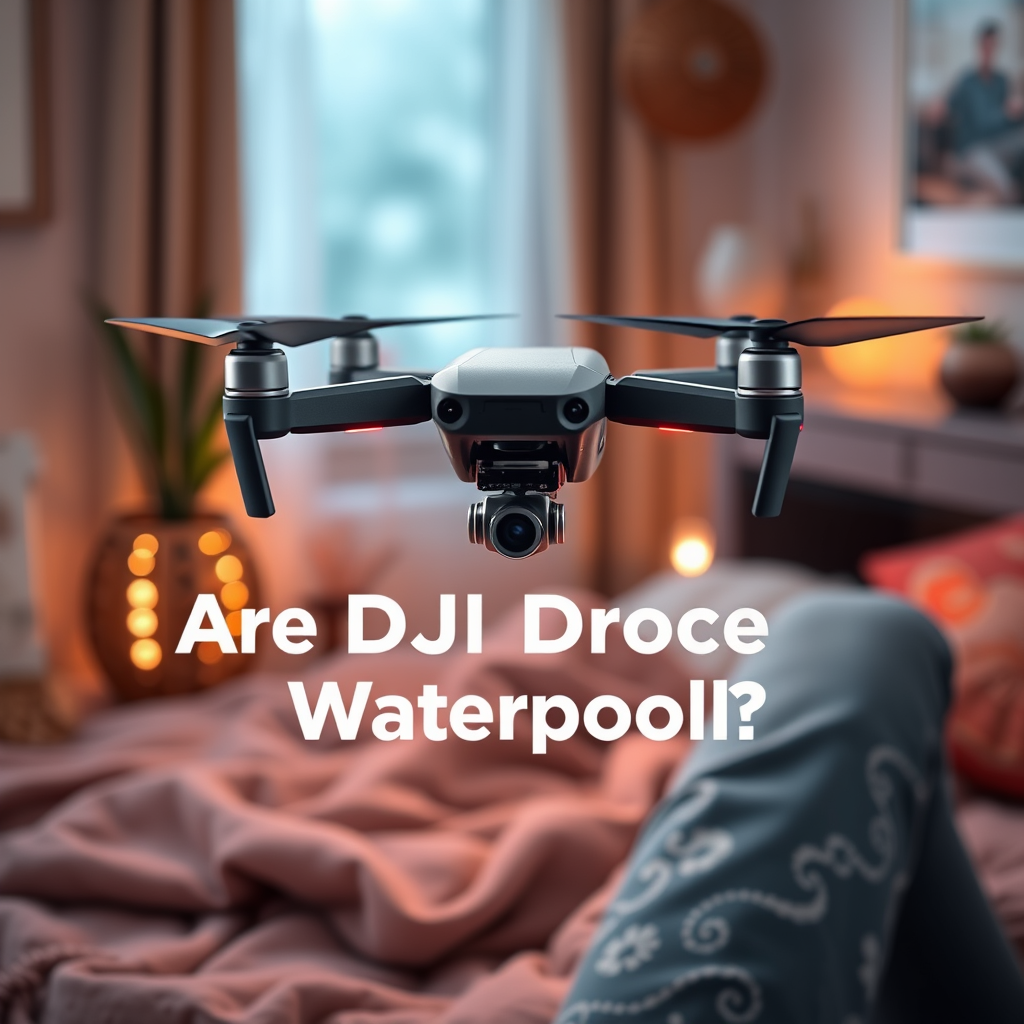
While DJI Spark drones are not waterproof, they do have some level of water resistance, meaning they can handle light rain but should not be submerged in water. This limitation underscores the importance of understanding the drone’s capabilities and the risks associated with flying in wet conditions. In this article, we’ll explore the specifics of the DJI Spark’s water resistance, care tips to maintain its functionality, and alternatives for those needing waterproof options.
Understanding the Water Resistance of DJI Spark Drones

DJI Spark drones are rated to withstand light rain and splashes, offering a degree of protection against moisture. However, it is crucial to note that they are not designed for heavy water exposure or submersion. This water resistance is primarily due to the drone’s construction materials and sealants used in its assembly, which help prevent moisture from entering sensitive areas. Nevertheless, this does not mean that flying in rain is advisable. The manufacturer specifically warns against operating the drone in wet conditions, as even light exposure can lead to potential damage.
The Spark’s design includes a closed body and well-fitted components, which contribute to its ability to resist minor water encounters. Still, it is essential for users to exercise caution and avoid flying in adverse weather conditions. To maximize the lifespan of the drone, users should always check local weather forecasts before heading out.
Risks of Flying in Wet Conditions

Flying a DJI Spark drone in wet conditions poses significant risks that can lead to serious damage. One of the primary concerns is the potential for water to infiltrate electronic components, which could lead to malfunctions or complete failure. Water can accumulate in areas such as the motors, battery compartments, and circuit boards, increasing the risk of short circuits.
Moreover, moisture can reduce the effectiveness of the drone’s sensors, affecting its stability and navigational capabilities. Drones rely on a variety of sensors to maintain flight stability, and water interference can disrupt these systems, leading to erratic behavior or crashes. Additionally, wet conditions can compromise the drone’s camera and gimbal, which are critical for capturing high-quality images and videos. Thus, avoiding flying in rain is not merely a precaution—it’s an essential practice for maintaining the drone’s operational integrity.
Maintenance Tips for Water Resistance
To ensure your DJI Spark maintains its water resistance and overall functionality, regular maintenance is essential. Here are several actionable tips to help prevent moisture-related issues:
1. Regular Cleaning: After each flight, especially in humid or misty conditions, take the time to clean the drone thoroughly. Pay close attention to the ports, battery compartments, and any joints or seams where moisture can accumulate. Use a soft, dry cloth to wipe down surfaces and a small brush to clear debris.
2. Protective Case: When transporting your drone in wet weather, always use a protective case. This not only shields the drone from moisture but also protects it from physical damage. Opt for a case that is waterproof or highly water-resistant, and ensure it fits snugly to minimize movement during transit.
3. Battery Maintenance: Ensure that the battery compartment is dry and free from moisture before inserting or removing batteries. Consider using silica gel packets in your storage area to absorb any residual humidity.
4. Avoid Flying in High Humidity: Even if it isn’t raining, high humidity can be detrimental to the drone’s electronics. If the air feels moist, it’s advisable to postpone your flight until conditions improve.
By following these maintenance tips, you can help ensure that your DJI Spark remains in optimal condition and capable of performing reliably in various environments.
Alternatives for Waterproof Drones
For drone enthusiasts who require waterproof capabilities, there are several alternatives to the DJI Spark that are specifically designed for water activities. One notable example is the Swellpro Splash Drone, which is engineered for aquatic environments and can land on water without sustaining damage. This drone is fully waterproof and floats, making it ideal for fishing, marine photography, and other water-related activities.
Another option is the Gannet Pro, which is also rated for water resistance, allowing it to fly in rain and land on water surfaces. When researching alternatives, pay attention to the IP rating—the International Protection Marking—which indicates the level of protection against water and dust. Drones with higher IP ratings, such as IP67 or IP68, are better suited for wet conditions.
If you frequently fly in wet environments, investing in a waterproof drone can save you from potential repair costs and enhance your flying experience.
User Experiences and Reviews
Many DJI Spark users share their experiences with the drone’s performance in light rain, often reporting that they have flown successfully without immediate issues. Community forums and review platforms are filled with anecdotes from users who have tested the limits of the drone’s water resistance. While some have managed to capture stunning aerial shots in light drizzle, most experts advise caution and reiterate that such practices come with inherent risks.
Users often express their concern regarding the long-term effects of moisture exposure, emphasizing the importance of maintenance and proper care. Many mention that while the drone may handle minor moisture, they would not recommend flying in anything more than light rain. This collective wisdom reinforces the need to heed manufacturer warnings and prioritize the drone’s longevity over momentary convenience.
Conclusion
While DJI Spark drones are not entirely waterproof, they can withstand minor moisture, such as light rain or splashes. To ensure the durability and functionality of your drone, it is crucial to avoid flying in heavy rain and to adhere to proper maintenance practices. For those seeking a drone that can handle water more robustly, considering waterproof alternatives is advisable. By understanding the limitations of your DJI Spark and taking proactive steps, you can enjoy a reliable and high-performing aerial experience. Explore more about DJI drones and their capabilities to find the right fit for your needs.
Frequently Asked Questions
Are DJI Spark drones waterproof or water-resistant?
DJI Spark drones are not waterproof or water-resistant. While they are designed to withstand light rain and moisture, exposure to water can damage the internal components and affect flight performance. It’s crucial to avoid flying in heavy rain or near water bodies to prevent potential damage to the drone.
What should I do if my DJI Spark drone gets wet?
If your DJI Spark drone gets wet, immediately turn it off and remove the battery to prevent short-circuiting. Dry the exterior with a soft cloth and leave it in a dry, ventilated area for at least 24 hours to ensure all moisture evaporates. Avoid using heat sources to dry it, as this can cause further damage.
How can I protect my DJI Spark drone from water damage?
To protect your DJI Spark drone from water damage, consider using a waterproof carrying case or a drone cover during transport. Additionally, avoid flying in areas prone to rain or high humidity, and always check the weather conditions before your flight. Investing in propeller guards can also help protect the drone during unexpected landings in wet conditions.
Why is it important to keep my DJI Spark drone away from water?
Keeping your DJI Spark drone away from water is important because water exposure can lead to electronic malfunctions, corrosion, and irreversible damage to sensitive components. Such damage can compromise flight safety, leading to crashes or loss of control. Ensuring your drone remains dry will prolong its lifespan and maintain optimal performance.
Which drones are considered waterproof if I’m looking for a water-friendly option?
If you’re looking for drones that are waterproof, consider models like the DJI Mavic 2 Enterprise or the Swellpro Splash Drone 3, which are specifically designed for aquatic environments. These drones feature waterproof designs and can operate in rainy conditions, making them ideal for activities like fishing, rescue operations, and marine photography. Always check the manufacturer’s specifications to ensure the drone meets your needs for water resistance.
References
- DJI Spark
- Support for Spark – DJI United States
- Bluetooth 5 is here, but few accessories will support it before 2018 | The Verge
- DJI Spark review | TechRadar
- https://www.suasnews.com/2017/06/dji-spark-drones-need-waterproofing/
- https://www.wired.com/story/dji-spark-drone-review/
- https://www.cnet.com/tech/mobile/dji-spark-drone-review/
- DJI Spark review – Digital Trends
- When a Hobby Drone Becomes a Military Sniper
