
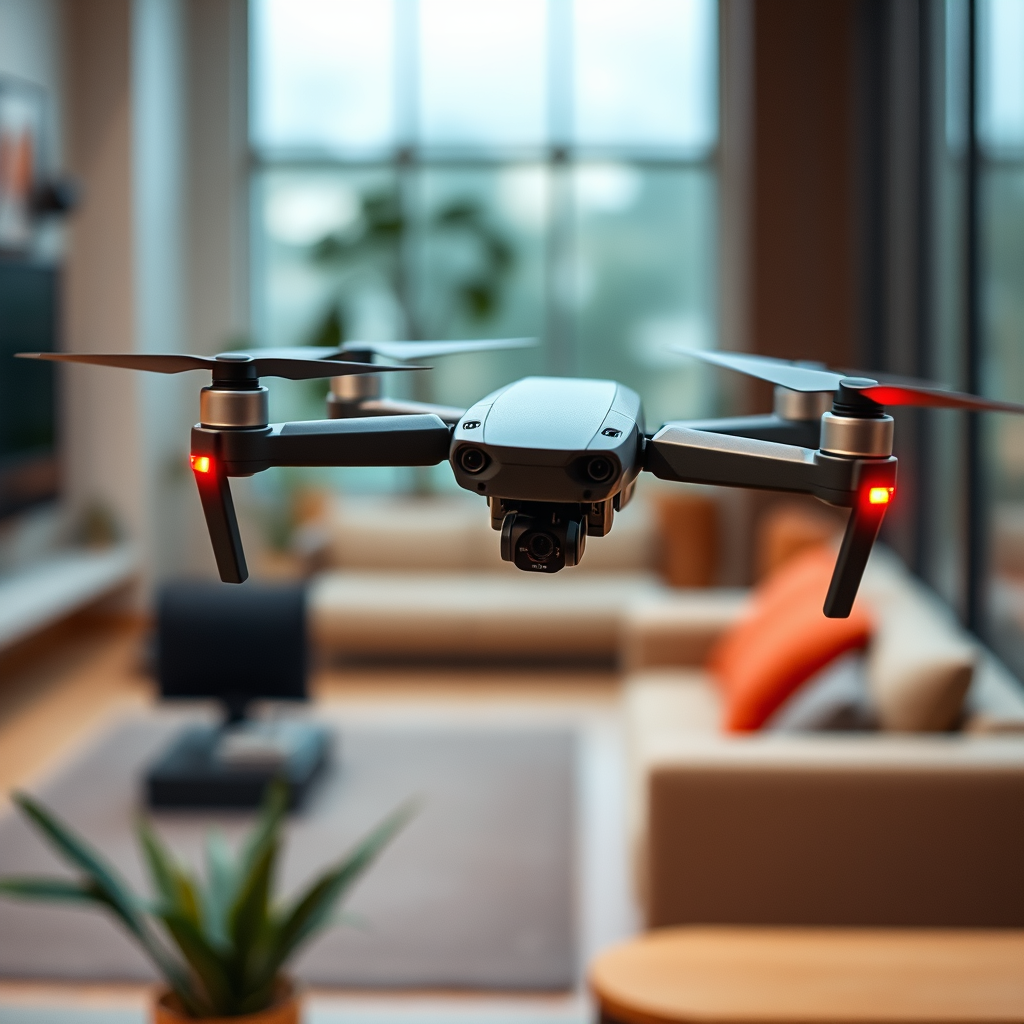
Testing DJI Pha Tim drones is not only possible but also essential for ensuring optimal performance and safety. By engaging in a systematic evaluation of their functionality, users can mitigate risks and enhance their flying experience. This article will guide you through various methods for effectively assessing the reliability of these advanced drones, from crucial pre-flight checks to comprehensive software diagnostics.
Pre-Flight Inspection
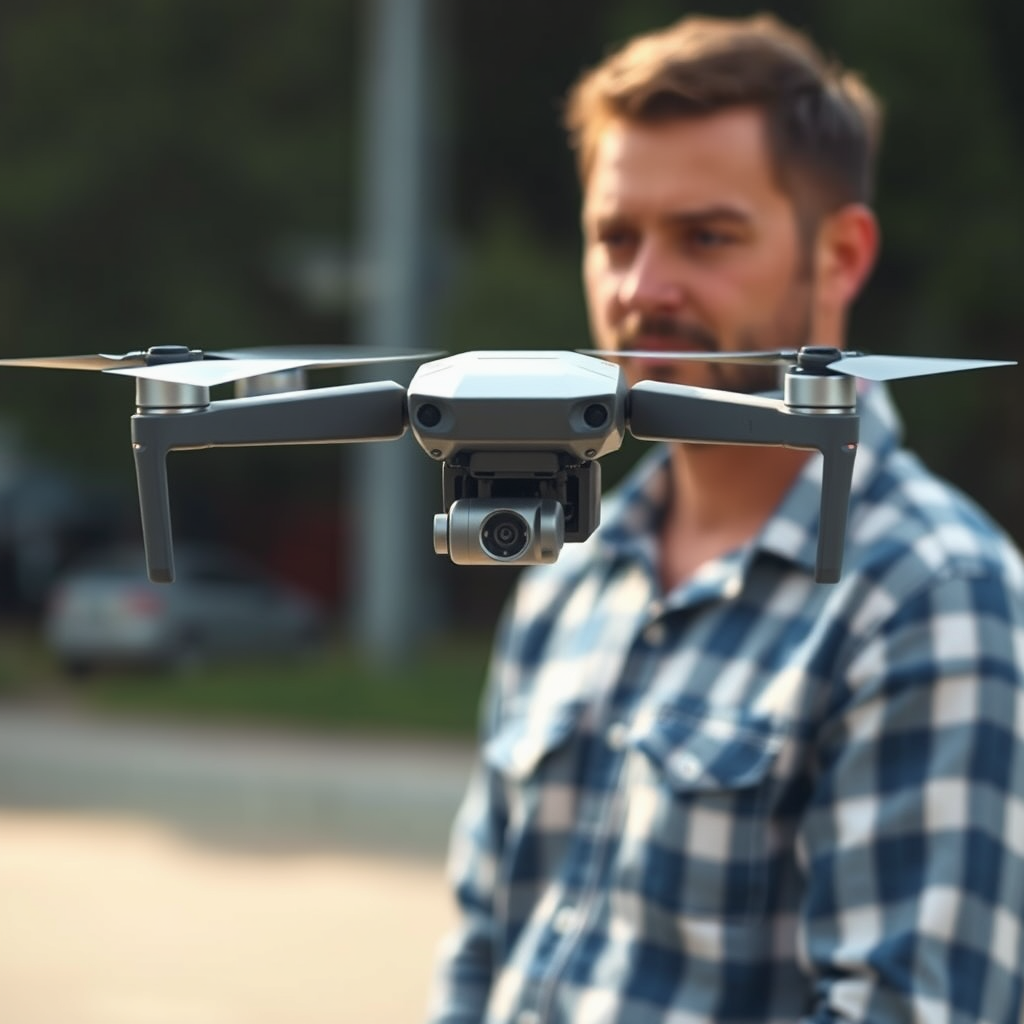
Conducting a thorough pre-flight inspection is crucial to ensure that your DJI Pha Tim drone is in optimal condition before takeoff. Start by visually examining the drone’s body for any signs of physical damage or wear. Look for cracks, dents, or other deformities that may compromise structural integrity. The materials used in drone construction are designed to withstand various conditions, but they can still be susceptible to damage from impacts or excessive use.
Next, check the propellers. They should be securely attached to the motor mounts and free of any cracks or chips. Damaged propellers can significantly impact flight performance and increase the risk of a crash. If you notice any issues, replace the propellers immediately, as this is a relatively simple and inexpensive fix that can save your drone from severe damage.
Additionally, ensure that the battery compartment is secure and that all components, including cameras and sensors, are properly aligned and functioning. Taking the time for these inspections can prevent accidents and enhance the overall reliability of your DJI Pha Tim drone.
Software Diagnostics
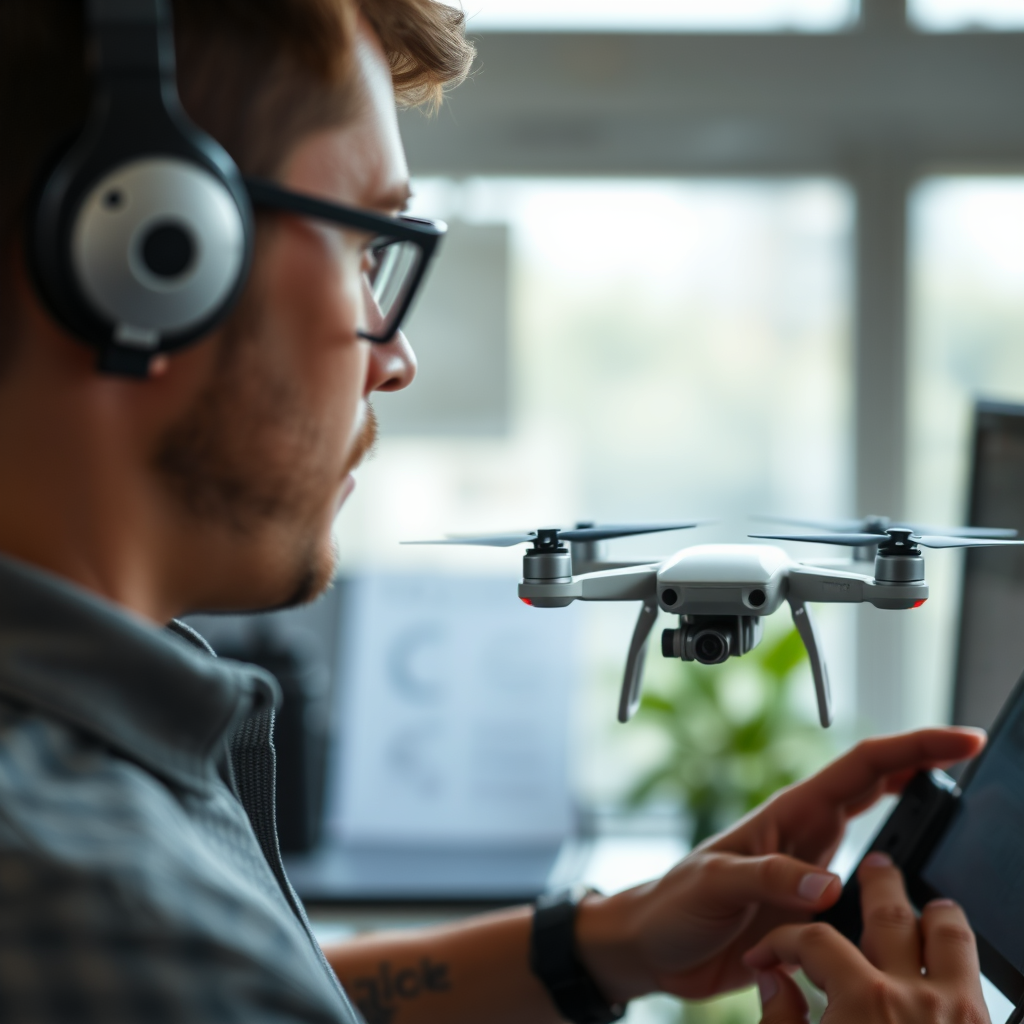
Modern drones, including the DJI Pha Tim, rely heavily on software to operate effectively. Utilizing DJI’s dedicated app is an excellent way to perform software diagnostics. The app allows you to check for the latest firmware updates, which are essential for maintaining optimal performance and incorporating new features. Keeping your firmware up to date can resolve bugs and improve the drone’s overall functionality.
Moreover, the app includes built-in diagnostic tools that can identify potential software issues. These diagnostics can reveal problems such as sensor malfunctions or communication errors that may not be immediately visible during a physical inspection. Addressing these issues proactively ensures that your drone operates smoothly and can help avoid mid-flight failures that could lead to accidents.
Additionally, logging flight data can provide insights into the drone’s performance over time. Analyzing this data can help you identify trends and recurring issues that may require attention or further investigation.
Flight Simulations
Flight simulation software is an invaluable tool for testing drone capabilities without the inherent risks of actual flight. These simulations allow users to replicate various flight scenarios, enabling them to assess how the drone responds to different controls and environmental conditions. This practice is especially beneficial for novice pilots who can develop their skills and confidence before taking their drone into the sky.
By analyzing simulated data, operators can gain insights into potential flight behavior and responses to various inputs. For instance, simulating maneuvers in windy conditions or testing how the drone reacts to sudden altitude changes can help you understand its limits and capabilities. This knowledge is crucial for planning safe and effective flight paths in real-world scenarios.
Furthermore, many flight simulation programs provide performance metrics that can help assess the drone’s responsiveness and stability. By utilizing these simulations, you can ensure that you are fully prepared for the challenges that may arise during actual flights.
Battery and Charging Tests
The battery is one of the most critical components of any drone, and conducting regular battery and charging tests is essential for maintaining performance and ensuring safety. Start by performing health checks on your DJI Pha Tim’s battery. Look for signs of swelling or corrosion, which can indicate a failing battery. Many drones come equipped with battery management systems that provide information on battery health, charge cycles, and remaining capacity.
Conducting charging cycle tests can also provide valuable insights. Ensure that your charger is functioning correctly and that the battery charges efficiently. A well-maintained battery should charge to its full capacity within the expected time frame. If you notice any discrepancies, it may be time to replace the battery or seek professional assistance.
Additionally, understanding the battery’s performance under different loads is vital. Test how the drone performs during various flight conditions, keeping an eye on how quickly the battery drains during intensive maneuvers. This information is crucial for planning flights and ensuring that you have adequate battery life for your intended operations.
Environmental Testing
Environmental factors can significantly affect drone performance. Testing your DJI Pha Tim drone in various weather conditions is essential to ensure it can handle different environments. Start by evaluating how the drone performs in moderate wind conditions. Drones can be susceptible to wind, and understanding how your model reacts can help you make informed decisions about when and where to fly.
Rain and humidity can also impact flight performance, particularly concerning electronics and battery life. Conducting controlled tests in light rain can help you assess how well the drone maintains stability and functionality. Additionally, ensure that the drone’s sensors—such as GPS—function correctly in varying environments. Testing the GPS functionality in urban areas versus open fields can help you understand how well the drone locks onto satellites and maintains its position.
Documenting performance across different conditions will provide a comprehensive understanding of your drone’s capabilities and limitations, allowing you to make educated decisions about flight plans and operational safety.
User Feedback and Reviews
User feedback is a powerful resource when it comes to understanding the performance and reliability of DJI Pha Tim drones. Engaging with the drone community through forums, social media, and online reviews can provide valuable insights into common issues and effective solutions. Specific models may have known weaknesses or strengths, and learning from the experiences of other users can guide your testing and maintenance practices.
Analyze the feedback for patterns. For instance, if multiple users report issues with battery life or camera functionality, it may warrant a closer inspection of your drone. Additionally, many enthusiasts share troubleshooting tips that can save you time and effort in diagnosing problems.
Participating in community discussions can also enhance your understanding of best practices in drone operation. Sharing your experiences and seeking advice from seasoned pilots can foster a collaborative environment that benefits all users.
Professional Inspections
For those seeking an in-depth analysis of their DJI Pha Tim drones, hiring certified technicians for professional inspections is a wise investment. These experts possess the knowledge and tools necessary to conduct thorough evaluations, identifying potential issues that may not be apparent from standard checks. Professional services often include detailed assessments of both hardware and software, ensuring that your drone operates at peak performance.
Moreover, if your drone requires repairs or specific replacements, certified technicians are equipped to handle these tasks efficiently and safely. Utilizing professional services can save you time and reduce the risk of further damage that may arise from improper handling.
Investing in professional inspections periodically, especially after significant flights or crashes, can provide peace of mind and ensure that your drone remains in excellent working condition.
Understanding how to test DJI Pha Tim drones can significantly enhance your flying experience and ensure safety. By following these methods, you can easily assess your drone’s condition and readiness for flight. From pre-flight inspections to professional evaluations, each step contributes to a holistic approach to drone maintenance. Be proactive in testing your equipment and stay informed about best practices to maximize your drone’s potential.
Frequently Asked Questions
What are the best methods to test DJI Pha Tim drones before flying?
To ensure your DJI Pha Tim drone operates correctly before flight, start with a pre-flight checklist that includes checking the battery levels, inspecting the propellers for any damage, and ensuring the firmware is up to date. Additionally, conduct a short hover test in an open area to assess stability and responsiveness. This helps identify any issues early on, allowing for a safer flying experience.
How can I troubleshoot connectivity issues with my DJI Pha Tim drone?
If you’re experiencing connectivity issues with your DJI Pha Tim drone, first ensure that your remote controller and drone are charged and properly linked. Check for any obstructions between the controller and drone that might interfere with the signal. Additionally, resetting your drone and remote controller can often resolve connectivity problems. If issues persist, consult the user manual or reach out to DJI support for further assistance.
Why is it important to perform a compass calibration on my DJI Pha Tim drone?
Performing a compass calibration on your DJI Pha Tim drone is crucial for accurate navigation and flight stability. Calibration helps correct any magnetic interference that may affect the drone’s ability to know its orientation relative to the Earth’s magnetic field. Without a proper calibration, you risk encountering issues such as drift during flight, which can lead to loss of control, especially in complex flying environments.
Which software tools are recommended for testing the performance of DJI Pha Tim drones?
For testing the performance of your DJI Pha Tim drone, software tools like DJI Assistant 2 and Fly App are highly recommended. DJI Assistant 2 allows you to check the firmware, perform calibrations, and analyze flight logs for any anomalies. The Fly App also provides real-time data about the drone’s performance during flight, helping you to identify any potential issues before they become problematic.
What should I do if my DJI Pha Tim drone fails to take off?
If your DJI Pha Tim drone fails to take off, first check that the battery is fully charged and properly connected. Ensure that the takeoff area is clear of obstacles and that you are within the drone’s operational range. Additionally, verify that the drone is in proper mode and that all safety features are disabled if necessary. If the issue persists, refer to the troubleshooting section of the user manual for further guidance.
References
- https://en.wikipedia.org/wiki/Drone_testing
- https://www.nist.gov/news-events/news/2021/09/nist-research-improves-drone-testing-technology
- Recreational Flyers & Community-Based Organizations | Federal Aviation Administration
- Home | International Drone Pilot Certification Association
- https://www.researchgate.net/publication/342796234_Drones_in_Agriculture_Opportunities_and_Challenges
- https://www.sciencedirect.com/science/article/pii/S2352938519306351
- https://www.usc.edu/dept/publicpolicy/airspace/faq.html
