
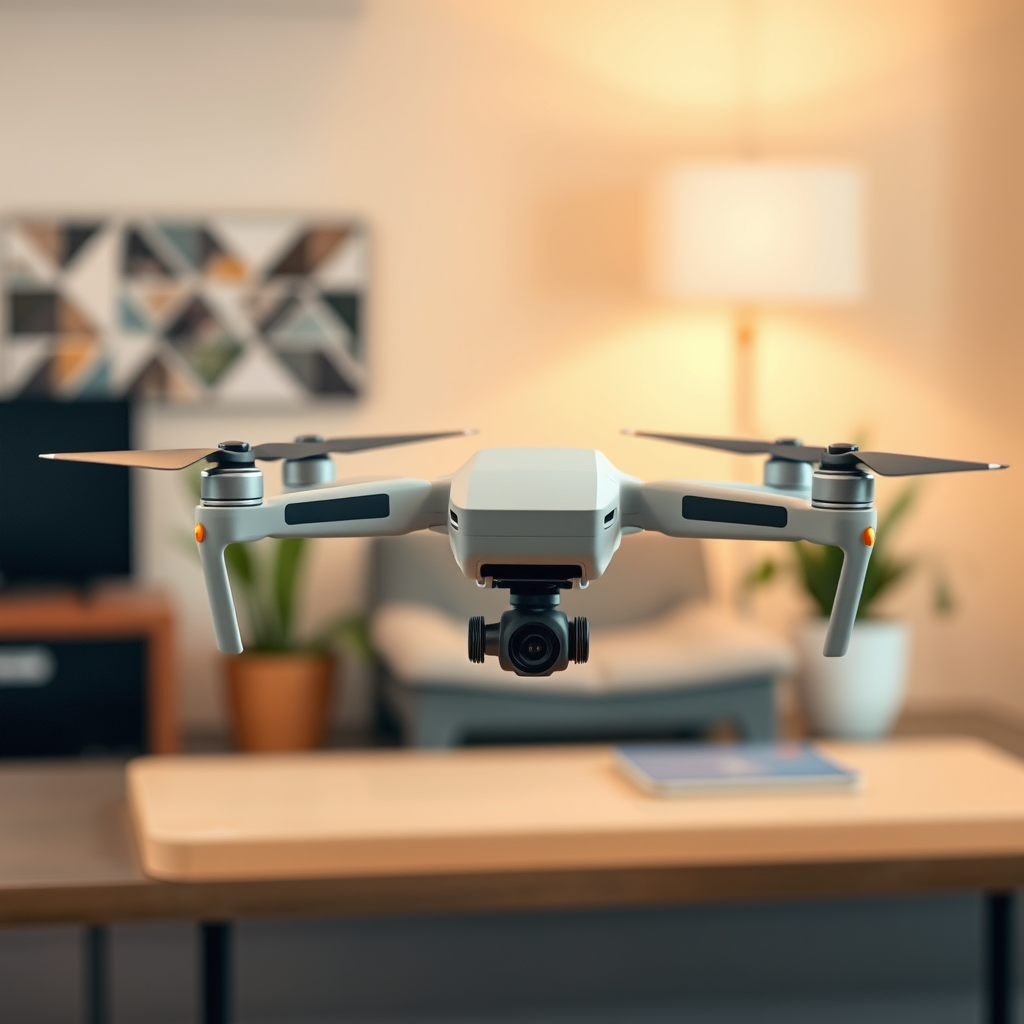
Yes, many DJI drones can be effectively tracked using a variety of methods, which are essential for ensuring safety and facilitating recovery. Understanding how GPS technology, DJI’s built-in features, and third-party applications work together can significantly enhance your drone flying experience. In this article, we will delve into the specifics of tracking DJI drones, covering the technologies involved, the features available, and the legal considerations to keep in mind.
Understanding GPS Tracking in DJI Drones
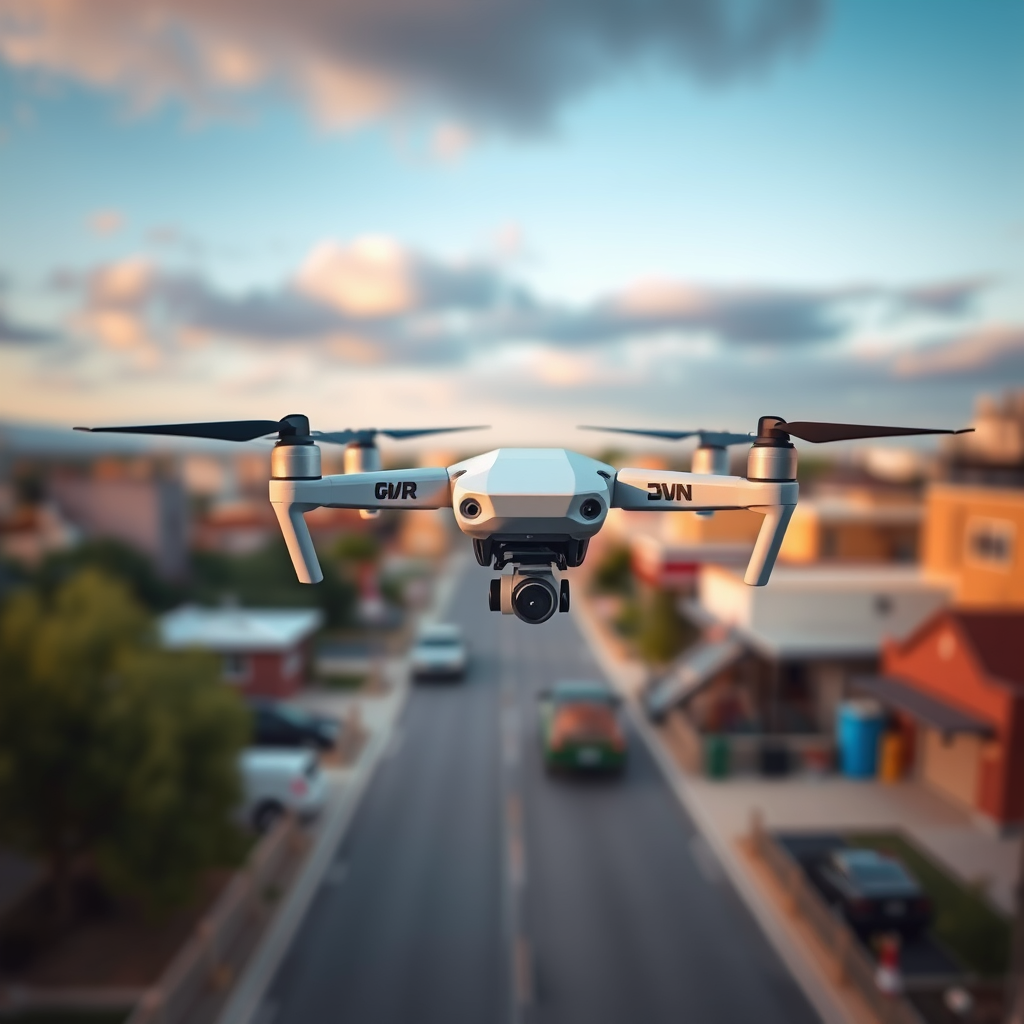
Most DJI drones are equipped with advanced GPS technology that provides real-time location tracking. This capability is crucial not only for navigation but also for ensuring flight stabilization and executing “Return to Home” (RTH) functions. GPS allows the drone to maintain its position accurately, even in windy conditions, by continuously receiving signals from multiple satellites. For instance, the DJI Mavic Air 2 utilizes a dual GPS and GLONASS system, enhancing its ability to lock on to satellites and maintain a stable flight path.
The integration of GPS technology enables users to plan their flights more efficiently. By knowing the precise location of the drone, operators can avoid restricted airspace and navigate around obstacles. Furthermore, GPS tracking can assist in monitoring the drone’s altitude and distance from the takeoff point, providing vital information that helps in maintaining safe flight operations.
DJI’s Built-in Tracking Features
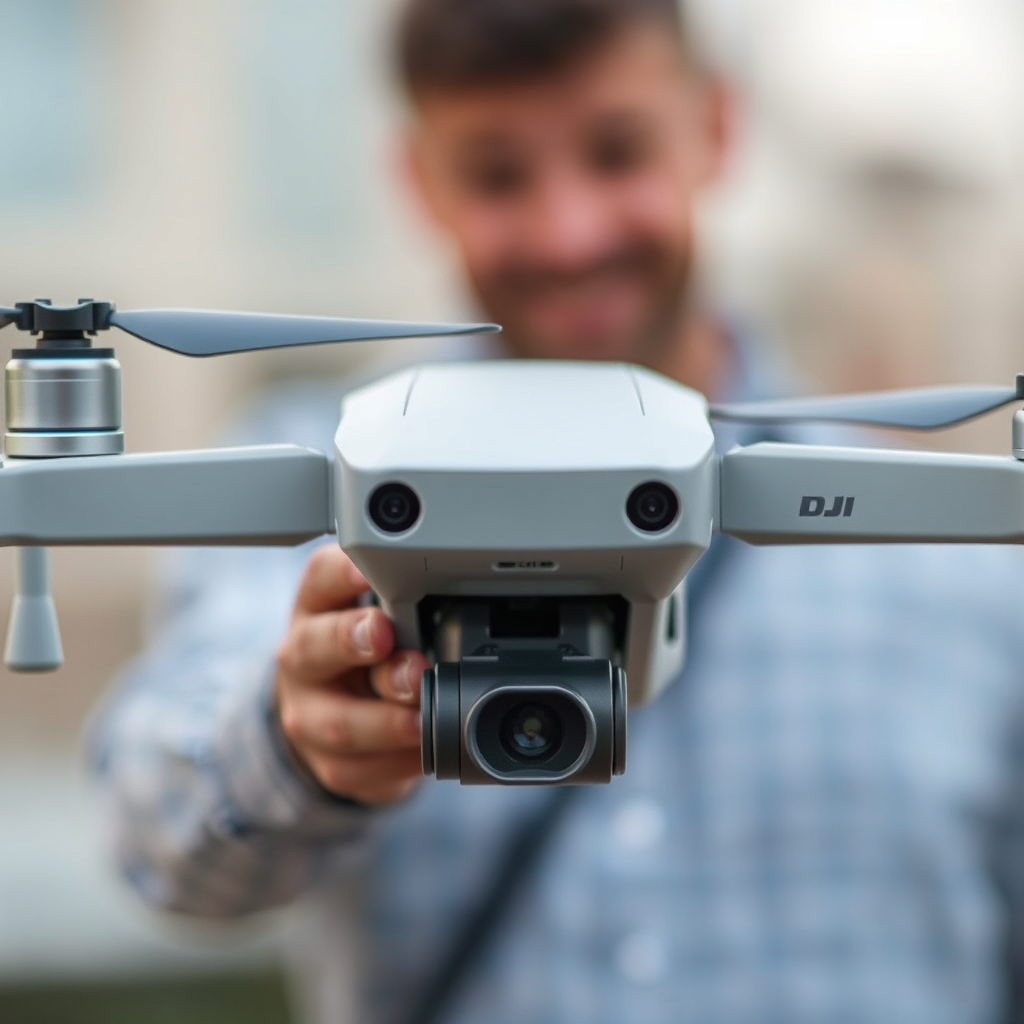
Many DJI models come with built-in tracking features designed to assist in locating lost drones. One of the most notable features is the “Find My Drone” functionality, which allows users to track their drone’s last known location on a map via the DJI Fly app or DJI GO app. This feature is particularly useful when a drone goes out of range or loses connection with the remote controller.
The DJI Fly app provides live tracking information, displaying the distance between the drone and the takeoff point along with altitude data. This real-time feedback enables operators to make informed decisions, such as whether to attempt a manual retrieval or to activate the RTH function. Additionally, many DJI drones are designed to automatically return to their home point when the battery is low or if they lose signal with the remote controller, further enhancing the recovery process.
Third-Party Tracking Solutions
For those seeking enhanced tracking capabilities beyond what DJI offers, there are several third-party applications and devices available. These solutions can provide additional layers of tracking and security. For example, GPS trackers designed for drones can be affixed to the aircraft, allowing users to monitor its location via mobile data, which can be especially beneficial in urban environments where GPS signals may be weak.
Applications like DroneLogbook and Airdata UAV offer comprehensive flight tracking features, including flight history logs and detailed mapping capabilities. These tools not only help track the drone’s location but also provide insights into its performance and maintenance needs. Moreover, some users opt for cellular-based tracking systems that utilize mobile networks to provide location data, which can be advantageous in areas with poor GPS coverage.
Legal and Ethical Considerations
Tracking a drone involves various legal and ethical considerations, particularly concerning privacy laws. Operators must be aware of regulations that govern drone usage in their respective locales, as tracking can raise concerns about infringing on the privacy of individuals. For instance, in many jurisdictions, it is illegal to use drones for surveillance without consent, and tracking features must be used responsibly.
Before implementing tracking solutions, it’s essential to familiarize yourself with local regulations regarding drone operation and tracking. Ensuring compliance with these laws not only protects your interests as a drone operator but also promotes responsible usage within the community. Always respect others’ privacy and ensure that tracking practices do not violate any laws.
Tips for Ensuring Effective Tracking
To maximize the effectiveness of your drone’s tracking capabilities, consider the following tips. First, regularly update your drone’s software and firmware to ensure that all tracking features are functioning optimally. DJI frequently releases updates that enhance performance and introduce new features, including improvements to tracking functionalities.
Additionally, familiarize yourself with your drone’s specific tracking functions before taking off. Understanding how to access and utilize these features can be invaluable in the event of a lost connection. Planning your flight path with known landmarks can also help in visually locating your drone if it goes off course. Lastly, consider conducting pre-flight checks to ensure that GPS is functioning correctly, as environmental factors such as tall buildings or dense forests can impact GPS signal strength.
Troubleshooting Tracking Issues
If you encounter tracking issues, there are several steps to troubleshoot the problem effectively. First, check the GPS signal strength displayed on your app or controller; a weak signal may indicate interference from buildings, trees, or other obstacles. Ensure that you are operating in an open area with a clear view of the sky to minimize signal disruptions.
If your drone loses connection, attempt to regain control by using the RTH function. Consult the user manual for specific troubleshooting steps related to your model’s tracking features, as different DJI models may have unique settings and capabilities. Furthermore, engaging with user forums and communities can provide additional insights and solutions for common tracking challenges.
In summary, tracking a DJI drone is entirely feasible thanks to its advanced GPS technology and additional third-party options. Understanding the built-in tracking features, adhering to legal guidelines, and leveraging effective tips can significantly enhance your flying experience and ensure safe operations. For further information or assistance, consider exploring DJI’s official resources or user forums, which can provide valuable insights and support for drone enthusiasts.
Frequently Asked Questions
Can a DJI drone be tracked if it gets lost?
Yes, a DJI drone can be tracked if it gets lost, primarily through the DJI Fly app or other companion apps that offer the Find My Drone feature. This feature utilizes GPS to help you locate the last known position of your drone before it lost connection. However, the tracking capability is most effective when the drone is still powered on and within range of the remote control.
How does GPS tracking work in DJI drones?
GPS tracking in DJI drones operates by using a built-in GPS module that communicates with satellites to determine the drone’s exact location. This information is relayed back to the pilot through the DJI app, allowing for real-time tracking on a map interface. Additionally, it enables features like Return to Home (RTH), where the drone autonomously returns to its takeoff point if the signal is lost or the battery is low.
Why is it important to track my DJI drone?
Tracking your DJI drone is important for several reasons, including safety, recovery, and compliance with regulations. In the event of a flyaway or loss of signal, GPS tracking can help you locate your drone quickly, reducing the risk of permanent loss. Moreover, tracking features often enhance your overall flying experience by providing data insights and improving operational safety.
What should I do if my DJI drone is not responding to tracking?
If your DJI drone is not responding to tracking, first check that the drone is powered on and within range of the remote control. Ensure that your mobile device has the latest version of the DJI app installed and that GPS is enabled on your device. If the drone is still unresponsive, you may need to troubleshoot further, such as checking for firmware updates or consulting DJI support for assistance.
Which DJI drones offer the best tracking capabilities?
The DJI Mavic series, including the Mavic Air 2 and Mavic 3, are known for their superior tracking capabilities, thanks to advanced GPS technology and obstacle avoidance features. Additionally, the DJI Phantom 4 Pro also provides excellent tracking options, with reliable GPS and return-to-home functions. When selecting a DJI drone, consider the model’s tracking features and range to suit your flying needs.
References
- https://en.wikipedia.org/wiki/Drone_tracking
- Remote Identification of Drones | Federal Aviation Administration
- https://www.sciencedirect.com/science/article/pii/S235286481830307X
- https://www.theguardian.com/us-news/2021/dec/15/drone-tracking-privacy-concerns
- https://www.nytimes.com/2020/08/25/us/drones-privacy-technology.html
- https://www.nist.gov/news-events/news/2021/08/nist-develops-standards-drones-using-geo-fencing-and-tracking
- https://www.pnas.org/doi/full/10.1073/pnas.2006578118
- https://www.cnet.com/news/faa-requires-drone-owners-to-register-their-drones/
