
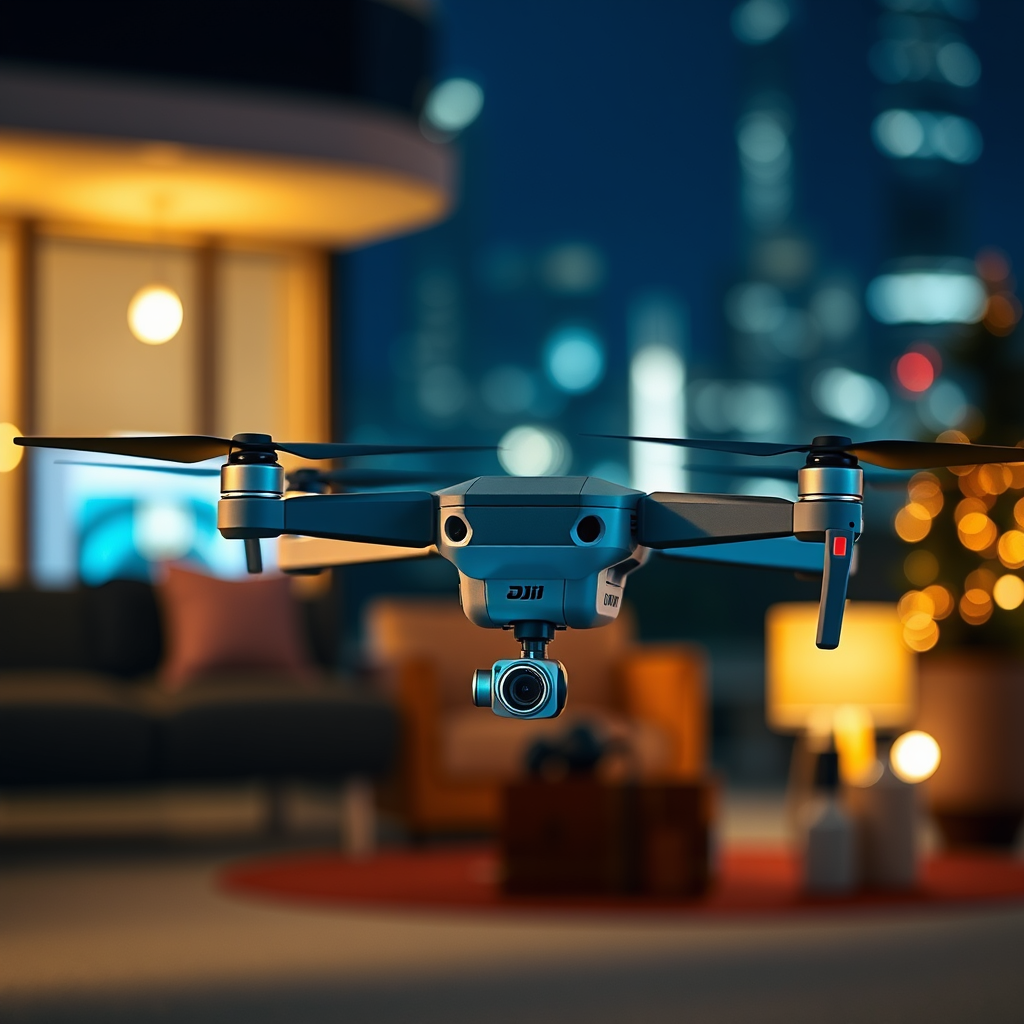
Flying DJI drones at night is indeed possible, but it requires adherence to specific regulations and essential preparations. As nighttime operations present unique challenges, understanding the capabilities of DJI drones, the legal landscape, and best practices for safe flying is crucial for enthusiasts and professionals alike. This article delves into the intricacies of flying DJI drones after dark, ensuring you are well-informed and compliant with necessary guidelines.
Understanding DJI Drone Night Flight Capabilities
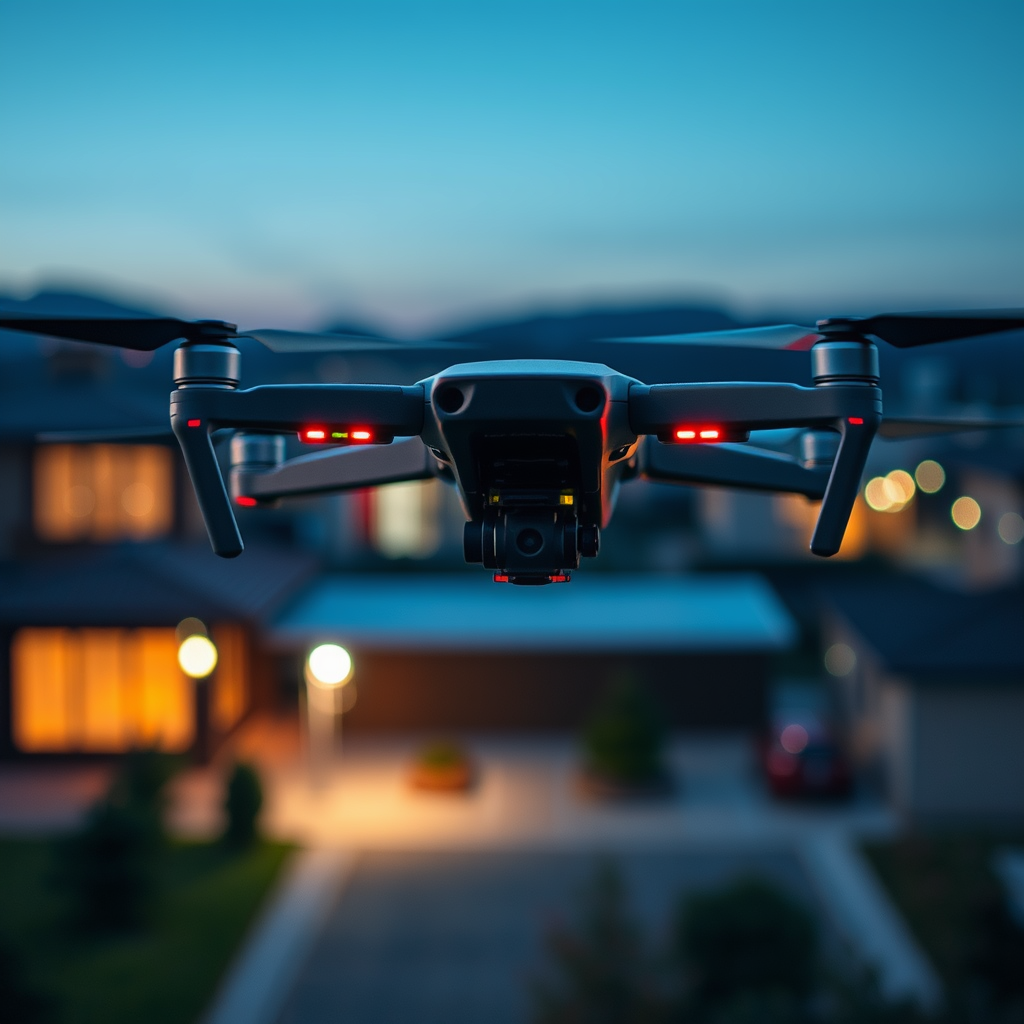
Many DJI drones are equipped with advanced features that facilitate safe operation in low-light conditions. For instance, models like the Phantom 4 and Mavic series come with GPS technology and obstacle avoidance systems, which enhance their navigational precision and safety during night flights. These drones are designed to process data rapidly, allowing them to adjust to changing environments, which is particularly beneficial when visibility is compromised.
Furthermore, high-quality cameras on these drones are optimized for low-light performance, enabling users to capture stunning visuals even in darkness. The Mavic 2 Pro, for example, features a Hasselblad camera with a large sensor that performs exceptionally well in dim lighting, making it suitable for nighttime photography and videography. Utilizing these advanced capabilities can significantly enhance your flying experience after sunset, provided you adhere to the regulations governing nighttime operations.
Legal Regulations for Night Flying
Understanding the legal landscape is paramount for anyone looking to fly a DJI drone at night. According to the Federal Aviation Administration (FAA), drone pilots who wish to operate commercially after dark must possess a Part 107 certificate. This certification ensures that pilots are knowledgeable about airspace rules, operational limitations, and safety protocols, which are critical when navigating the complexities of night flying.
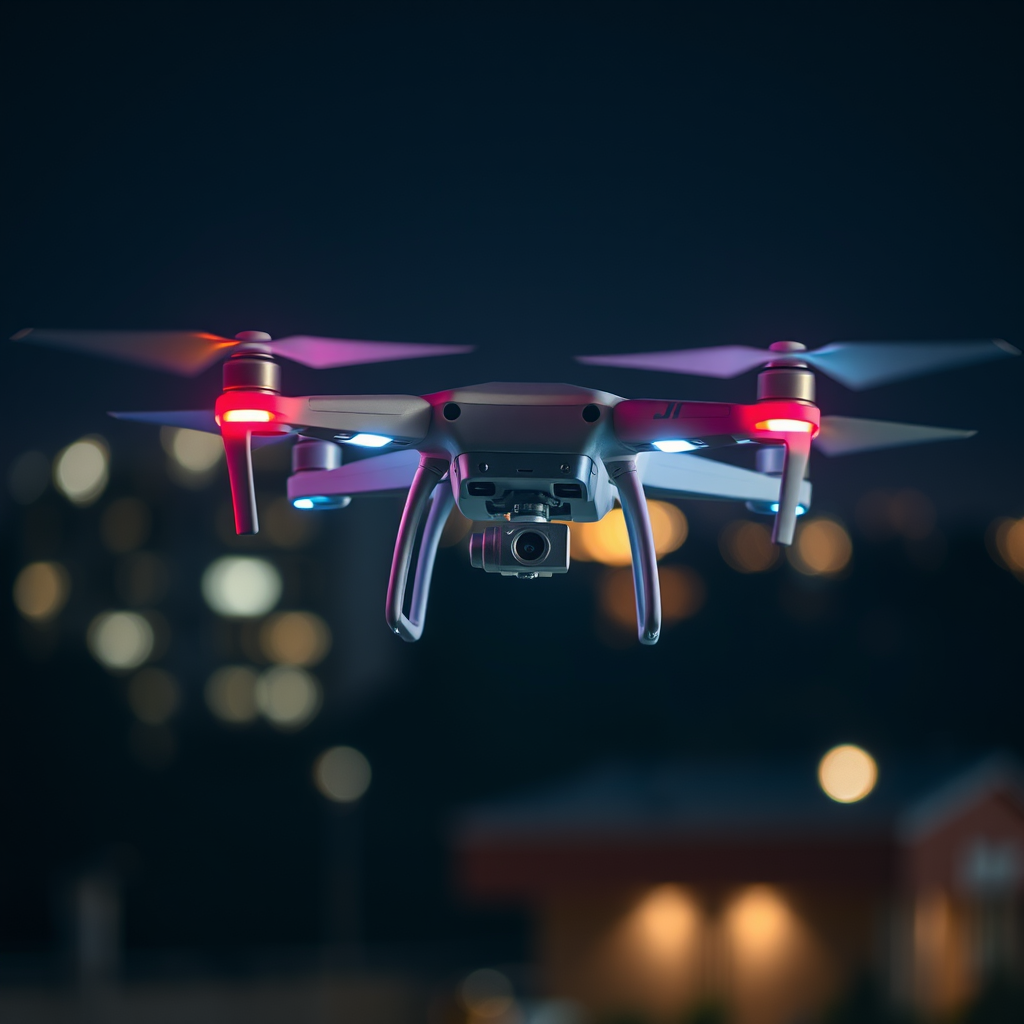
For recreational pilots, the requirements are slightly different but still stringent. While a Part 107 certificate is not necessary for hobbyists, they must operate within the guidelines established by the FAA. This includes ensuring that the drone is equipped with appropriate lighting to maintain visibility and comply with regulations. Proper illumination not only aids in navigation but also helps other airspace users to see your drone, reducing the risk of accidents.
Necessary Equipment for Night Flights
When planning to fly at night, equipping your drone with the right accessories is essential for safety and visibility. Installing bright LED lights on your drone can dramatically improve its visibility against the night sky. These lights should be positioned to illuminate the drone’s surroundings without causing glare that could obstruct your line of sight. Additionally, reflective tape can be an effective way to enhance visibility during low-light conditions.
Moreover, selecting a drone with superior camera capabilities can elevate your night flying experience. Drones with night vision technology or low-light optimization can capture clearer images and videos, providing valuable content for professional and recreational purposes. For instance, the DJI Inspire 2, when paired with the Zenmuse X7 camera, offers remarkable low-light performance, making it an excellent choice for nighttime cinematography.
Best Practices for Flying Drones at Night
To ensure a safe and compliant flying experience at night, following best practices is crucial. Begin with thorough pre-flight checks, focusing on battery levels, equipment functionality, and the operational status of lights. Nighttime flying can drain battery power more rapidly due to increased demand from lighting systems and sensors, so it’s vital to start with fully charged batteries.
Selecting an open area away from populated regions is also a wise decision. This practice minimizes the risk of accidents and helps ensure compliance with local regulations. Familiarizing yourself with the flying area during daylight hours can enhance your confidence and navigation skills, making it easier to identify potential hazards when flying at night.
Safety Tips for Nighttime Operations
Maintaining safety during nighttime operations is paramount. Always keep your drone within visual line of sight, which is crucial since reduced visibility can make it hard to monitor your drone’s position and altitude. The FAA mandates that pilots maintain visual contact with their drones, and this rule becomes even more significant in low-light conditions.
Additionally, being aware of your surroundings is essential. This includes being mindful of potential obstacles, such as trees, buildings, and other air traffic. Utilizing spotters can be beneficial, as they can help monitor the drone’s flight path and alert you to any emergent hazards that might not be immediately visible.
Common Challenges When Flying at Night
Flying at night poses unique challenges that require careful consideration. One of the primary difficulties is reduced visibility, which complicates navigation and obstacle avoidance. Familiarizing yourself with the area during daylight hours is crucial, as it allows you to plan your flight path and identify landmarks that can assist in navigation once it gets dark.
Moreover, technical issues may arise more frequently during nighttime operations. The darkness can complicate troubleshooting, making it vital to have a backup plan. Carrying extra batteries and ensuring you have a means of communication in case of an emergency can help mitigate risks associated with potential equipment failure.
Conclusion
In summary, while DJI drones can fly at night, it is essential to understand the legal requirements and take necessary precautions for safe operation. Obtaining the appropriate certifications, equipping your drone with proper lighting, and adhering to best practices can significantly enhance your nighttime flying experience. Always prioritize safety by maintaining visual line of sight and being aware of your surroundings. For further information on specific models and regulations, consider visiting the FAA website or DJI’s official guidelines to stay informed and compliant in your nighttime operations.
Frequently Asked Questions
Can DJI drones fly at night legally?
Yes, DJI drones can fly at night, but legal requirements vary by region. In the United States, for example, the Federal Aviation Administration (FAA) allows nighttime operations under specific conditions, such as having proper lighting on the drone and holding a Part 107 certification. Always check local regulations to ensure compliance before flying your DJI drone at night.
What do I need to fly my DJI drone at night?
To fly your DJI drone safely at night, you need to equip it with anti-collision lights that are visible for at least three statute miles. Additionally, you should have a Part 107 certification if flying for commercial purposes, and it’s advisable to have a robust understanding of your drone’s capabilities in low-light conditions, as well as ensure you have a reliable way to maintain visual line of sight.
Why is flying a DJI drone at night more challenging?
Flying a DJI drone at night presents challenges primarily due to reduced visibility, which can make it difficult to maintain orientation and control. Additionally, obstacles may be harder to detect, increasing the risk of crashes. Pilots must also navigate the added complexity of ensuring their drone is properly lit and that they can comply with FAA regulations regarding nighttime operations.
What are some tips for flying DJI drones at night?
To ensure a safe night flight with your DJI drone, always use bright LED lights to enhance visibility and avoid obstacles. Familiarize yourself with the drone’s flight characteristics in low-light conditions by practicing during the twilight hours. It’s also essential to plan your flight path carefully and to always keep the drone within your line of sight to avoid losing control.
Which DJI drones are suitable for night flying?
Most modern DJI drones, such as the Mavic Air 2, Mavic 3, and Phantom 4, are suitable for night flying if they are equipped with the necessary lighting. However, the choice of drone may depend on factors like battery life, camera capabilities in low light, and overall flight stability. Ensure that the drone can handle the specific challenges of nighttime conditions, including wind and reduced visibility.
References
- https://en.wikipedia.org/wiki/Drone_flight_regulations
- Certificated Remote Pilots including Commercial Operators | Federal Aviation Administration
- https://www.nytimes.com/2021/06/25/technology/drones-night-flying.html
- https://www.reuters.com/business/aerospace-defense/us-faa-issues-new-drone-rules-allowing-night-flights-2021-06-25/
- https://www.nasa.gov/feature/nasa-and-the-faa-partner-to-allow-advanced-operations-for-drones
- https://www.dronepilotgroundschool.com/can-drones-fly-at-night/
- https://www.theguardian.com/technology/2021/jun/22/drones-night-flying-faa-new-rules
