
Flying DJI drones in cold weather is possible, but there are specific limitations to be aware of. Cold temperatures can significantly affect battery performance, flight stability, and overall drone functionality. As such, understanding these impacts is crucial for safe and effective drone operation during winter months. In this article, we will explore how cold weather affects DJI drones, provide insights on which models perform better in low temperatures, offer preparation tips, and share strategies for a successful and safe flying experience.
Understanding Cold Weather Effects
Cold weather can have a profound impact on the operation of DJI drones, primarily due to its effects on the battery. Lithium-polymer (LiPo) batteries, commonly used in drones, can lose a significant portion of their capacity in cold temperatures. In fact, temperatures below 0°C (32°F) can reduce battery life by as much as 30%, leading to shorter flight times and increased risk of unexpected power losses mid-flight.
Moreover, the cold can also affect the efficiency of the drone’s sensors and motors. Many of the advanced features such as GPS accuracy, object avoidance, and image stabilization rely on precise sensor data. In freezing conditions, these sensors may not function optimally, which can lead to erratic behavior and difficulties in controlling the drone. Additionally, motors may struggle to achieve the necessary performance levels, potentially leading to a decrease in flight stability.
Recommended DJI Drone Models for Cold Weather
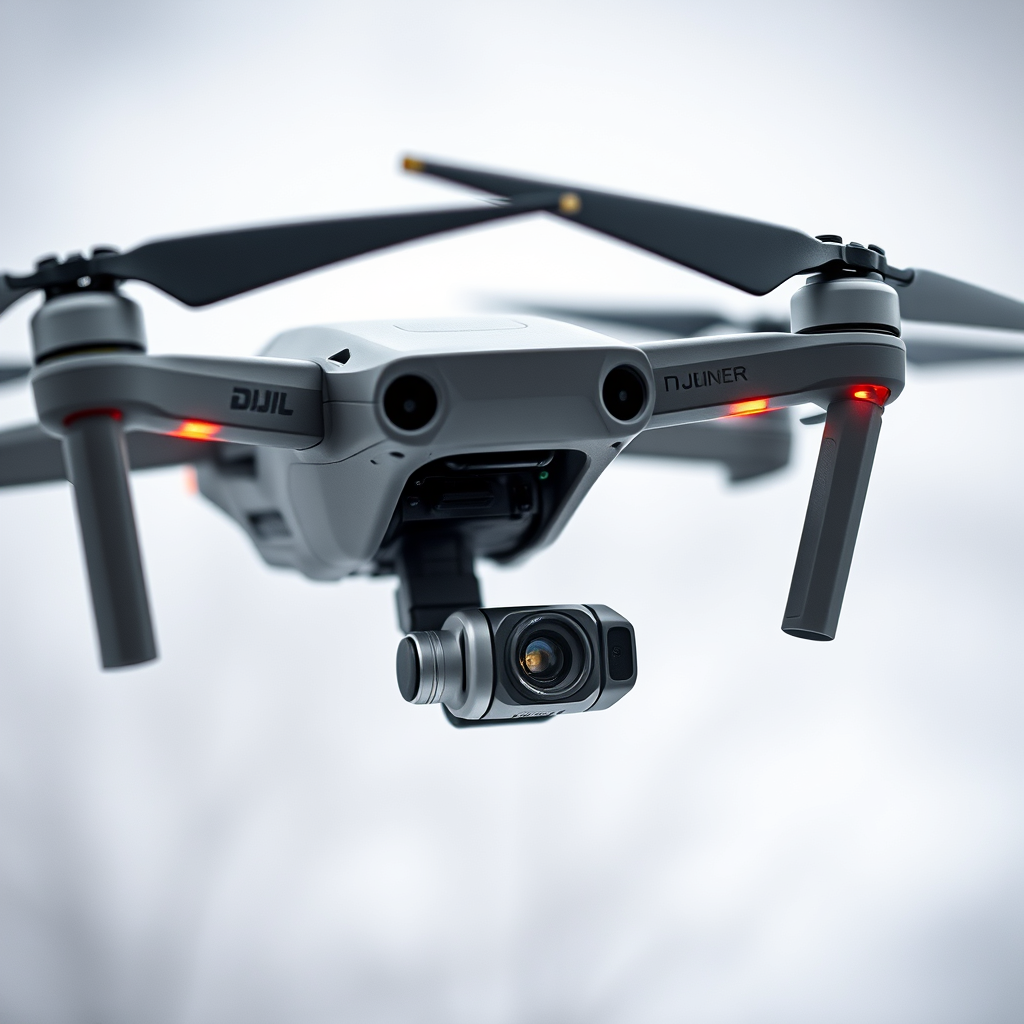
When it comes to flying in cold weather, not all DJI models are created equal. Certain drones are specifically designed with robust features that allow them to function more effectively in low temperatures. For example, the DJI Mavic 2 Enterprise is equipped with a durable build and enhanced flight capabilities, making it suitable for challenging weather conditions, including cold temperatures. Similarly, the Phantom 4 RTK is known for its reliability and stability, even when operating in less-than-ideal environments.
Before flying in cold weather, it’s essential to check the specifications of your drone, particularly its operating temperature range. Most DJI drones have an optimal operating temperature range listed in their user manual. For instance, models like the DJI Mini 2 can typically operate down to -10°C (14°F), but performance declines significantly below this threshold. By choosing a drone with a suitable temperature tolerance, you can ensure better performance and safety during winter flights.
Preparing Your Drone for Cold Conditions
Preparation is key when planning to fly your DJI drone in cold weather. One of the most effective strategies is to warm up your drone before takeoff. Allowing your drone to acclimate to a warmer environment can help ensure that all components, including the battery, sensors, and motors, are functioning optimally. This could mean keeping your drone indoors for a short period before flight or using a warm bag specifically designed for drone transport.
Additionally, it is crucial to store your batteries in a warm environment. Cold batteries not only lose charge more quickly but can also become damaged if exposed to extreme temperatures for prolonged periods. Keeping your batteries in an insulated bag or even your jacket pocket can help maintain their temperature and performance. Always check the battery’s status before flying; if it feels cold to the touch, allow it to warm up before use.
Tips for Safe Flying in Cold Weather
Flying drones in cold weather requires a heightened sense of awareness and caution. One of the most important tips is to monitor your battery levels closely. As mentioned earlier, batteries can deplete much faster in cold conditions, so it’s advisable to keep an eye on the flight time and be prepared for shorter missions. If your drone’s battery life indicator drops unexpectedly, consider landing immediately to avoid losing control of your aircraft.
Another critical consideration is to avoid flying in snow or heavy winds. Snow can obscure your drone’s sensors and affect visibility, while high winds can lead to instability and loss of control. If you find yourself in a situation where the weather turns adverse, it’s best to err on the side of caution and postpone your flight. Additionally, familiarize yourself with the local weather patterns to avoid surprises that could jeopardize your safety and equipment.
Post-Flight Care in Cold Weather
Once your flight is complete, taking care of your drone is essential, particularly in cold weather conditions. Allow your drone to return to room temperature before charging the batteries. Charging cold batteries can lead to damage and may reduce their lifespan. By letting them acclimate to a warmer environment, you can ensure they are in optimal condition for future flights.
Furthermore, after every flight in cold weather, inspect your drone for any signs of moisture build-up. If your drone has been exposed to snow or freezing temperatures, moisture can condense inside the components as they warm up. This moisture can freeze and potentially cause damage if not addressed. Wipe down the exterior and check the motors and sensors for any signs of ice or moisture accumulation.
Common Misconceptions About Drones in Cold Weather
There are several misconceptions regarding the performance of drones in cold weather. One prevalent belief is that all drones can function properly in any weather conditions. However, this is far from the truth. Each drone model comes with specific operating limits, and it’s vital to understand these limitations to ensure safe flying.
Another common myth is that simply flying in cold weather is akin to flying in warm weather, as long as you manage the battery. While battery management is crucial, the impact of cold on sensors, motors, and overall functionality cannot be overstated. Understanding these distinctions is crucial for drone enthusiasts looking to safely navigate winter skies.
When to Avoid Flying DJI Drones in Cold Weather
While it is possible to fly DJI drones in cold weather, certain thresholds should be respected. It is generally advisable to avoid flying in temperatures below -10°C (14°F), as drone performance can decline rapidly in these conditions. The risk of battery failure, combined with potential issues related to sensor accuracy and motor performance, makes such temperatures less than ideal for flying.
Additionally, heavy snowfall, rain, or strong winds should deter any flying attempts. Adverse weather can lead to unpredictable flight behavior and increase the chances of accidents or crashes. Always assess the weather conditions and err on the side of caution before heading out for a winter flight.
Keeping these considerations in mind will help ensure a safe and enjoyable experience while flying DJI drones in cold weather. Always check manufacturer guidelines and prepare adequately before each flight. By following these tips and ensuring your drone is winter-ready, you can navigate the challenges of cold-weather flying with confidence and skill.
Frequently Asked Questions
Can DJI drones operate in cold weather conditions?
Yes, DJI drones can operate in cold weather, but it is essential to note that extreme cold can affect battery performance and flight stability. DJI recommends operating their drones in temperatures ranging from 32°F (0°C) to 104°F (40°C). When flying in colder climates, it’s advisable to monitor battery levels closely, as cold temperatures can cause batteries to drain faster than usual.
What temperature is too cold for DJI drones to fly?
While DJI drones are designed to work in temperatures as low as 32°F (0°C), flying in temperatures below this threshold can lead to decreased battery efficiency and potential malfunctions. Generally, it is advisable to avoid flying in temperatures lower than 32°F unless you are equipped with appropriate battery warmers or techniques to maintain battery performance.
How can I prepare my DJI drone for cold weather flying?
To prepare your DJI drone for cold weather flying, ensure that your batteries are fully charged and warm before takeoff. Consider using insulated battery cases to keep them warm, and avoid exposing the drone to extreme cold for long periods before flight. Additionally, inspect the drone for any ice or snow accumulation that might affect performance, and be cautious about the increased risk of losing signal in colder environments.
Why do cold temperatures affect drone battery life?
Cold temperatures affect drone battery life because the chemical reactions inside lithium-polymer batteries slow down, leading to reduced voltage and capacity. This means that in colder weather, your DJI drone may experience shorter flight times and diminished power output. Understanding this can help you plan your flights better and take necessary precautions to extend your drone’s operational range in cold weather.
Which DJI drones are best suited for cold weather flying?
Most modern DJI drones, including the DJI Mavic Air 2, Mavic 3, and Phantom 4 series, can handle cold weather as long as proper precautions are taken. However, the DJI Matrice series is particularly known for its robust performance in various environmental conditions, including cold weather. If you frequently fly in cold climates, consider investing in a model known for better battery management and durability in harsh conditions.
References
- https://www.faa.gov/uas/getting_started/fly_it_smart/weather_conditions
- https://www.sji.edu/what-to-know-about-flying-drones-in-cold-weather/
- https://www.droneblog.com/2020/02/17/cold-weather-drone-flying-tips/
- https://www.researchgate.net/publication/327038346_The_impact_of_temperature_on_the_flight_characteristics_of_drones
- https://www.wired.com/story/drone-flying-in-cold-weather-tips/
- https://www.nytimes.com/2020/01/30/technology/drones-cold-weather.html
