
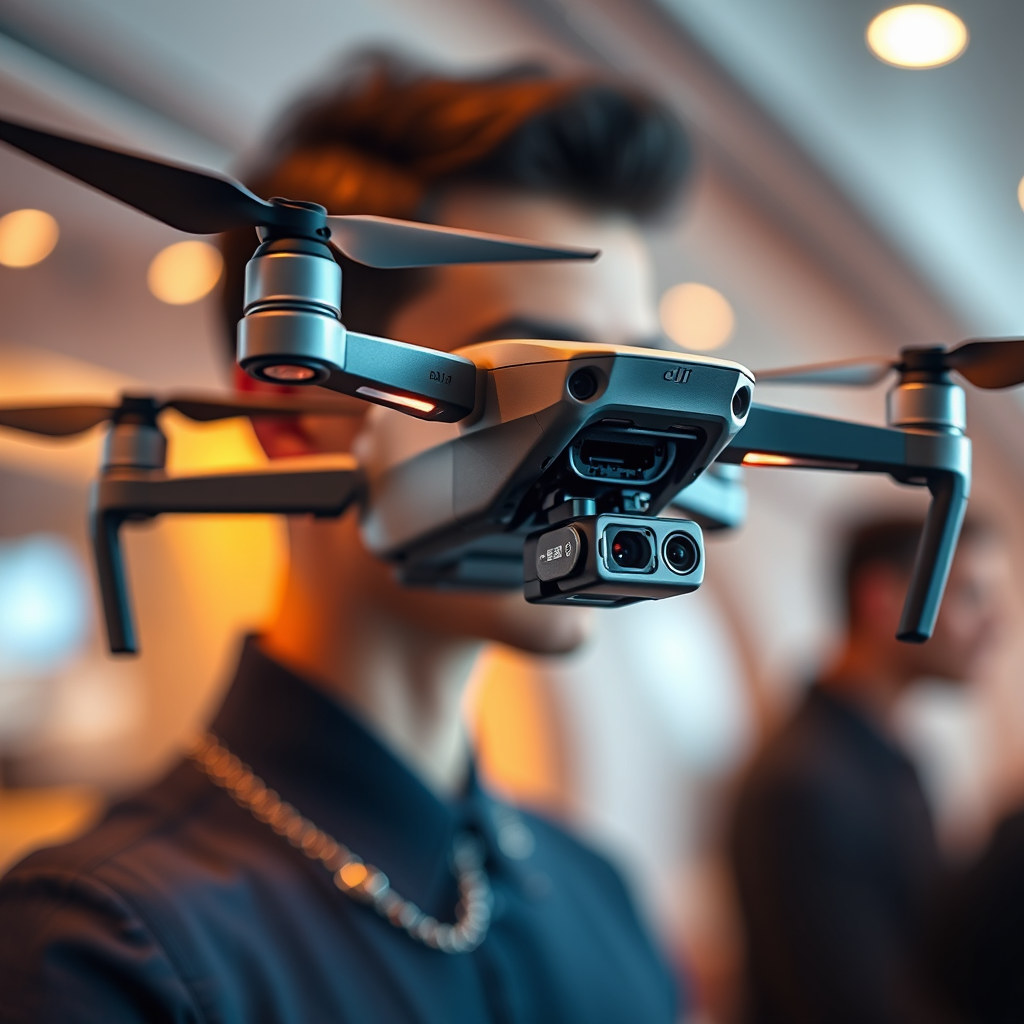
Traveling with a DJI drone is generally permitted, but specific regulations and guidelines apply depending on your airline and destination. Understanding these rules is crucial for a smooth travel experience, as they can vary widely from one airline to another and across different countries. In this article, we’ll explore the essential factors you need to consider when packing your drone for air travel, including airline policies, safety measures, and customs regulations.
Airline Policies on Drones
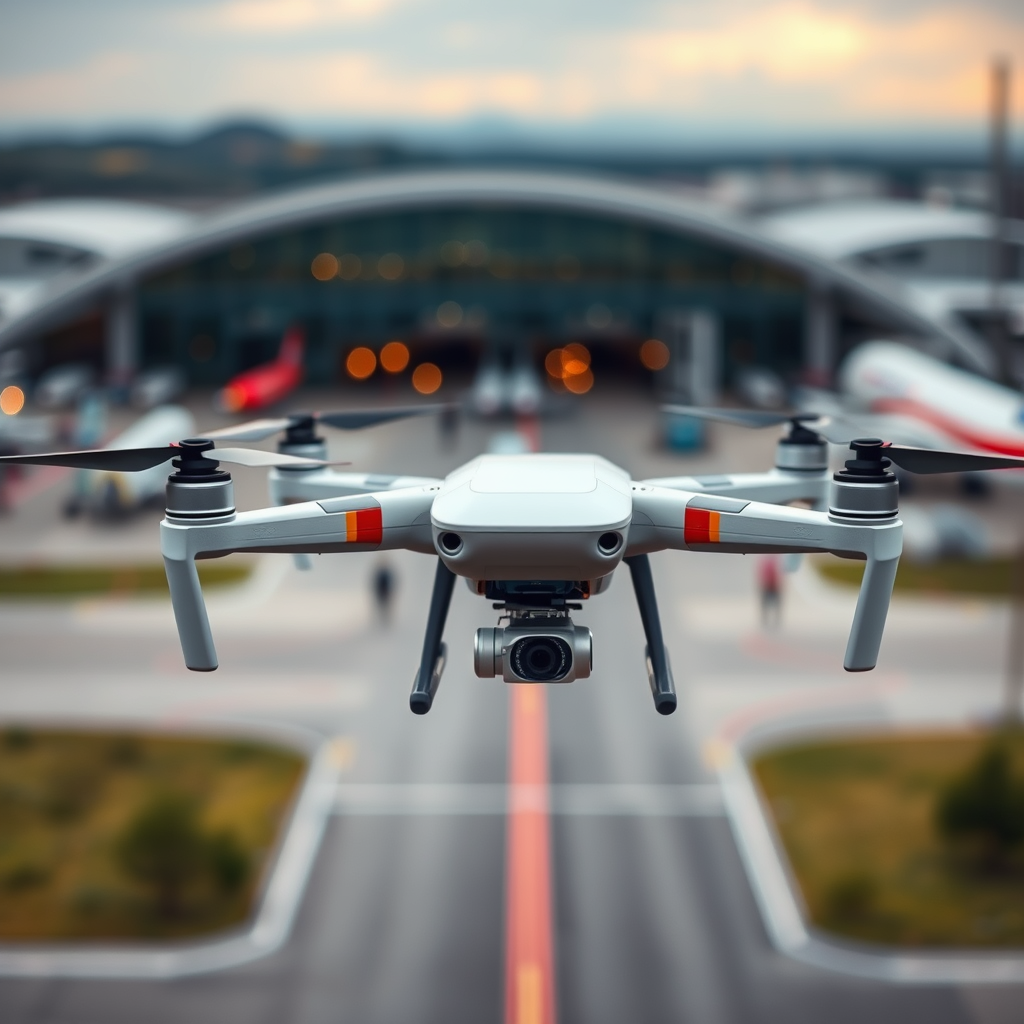
Most airlines allow drones as carry-on luggage, but checking with your airline beforehand is crucial. Many airlines have different policies regarding the transport of drones, particularly concerning size and weight limitations. For example, larger airlines like American Airlines and Delta typically permit drones in carry-on bags, but they may require that the drone fits within standard carry-on dimensions.
It’s advisable to review the airline’s website or contact customer service for specific guidelines. Additionally, some budget airlines might impose stricter limits or additional fees for carrying a drone, so verifying these details in advance can prevent unexpected costs or complications at the airport. Bring any necessary documentation, such as receipts for your drone, to facilitate the check-in process.
Battery Regulations
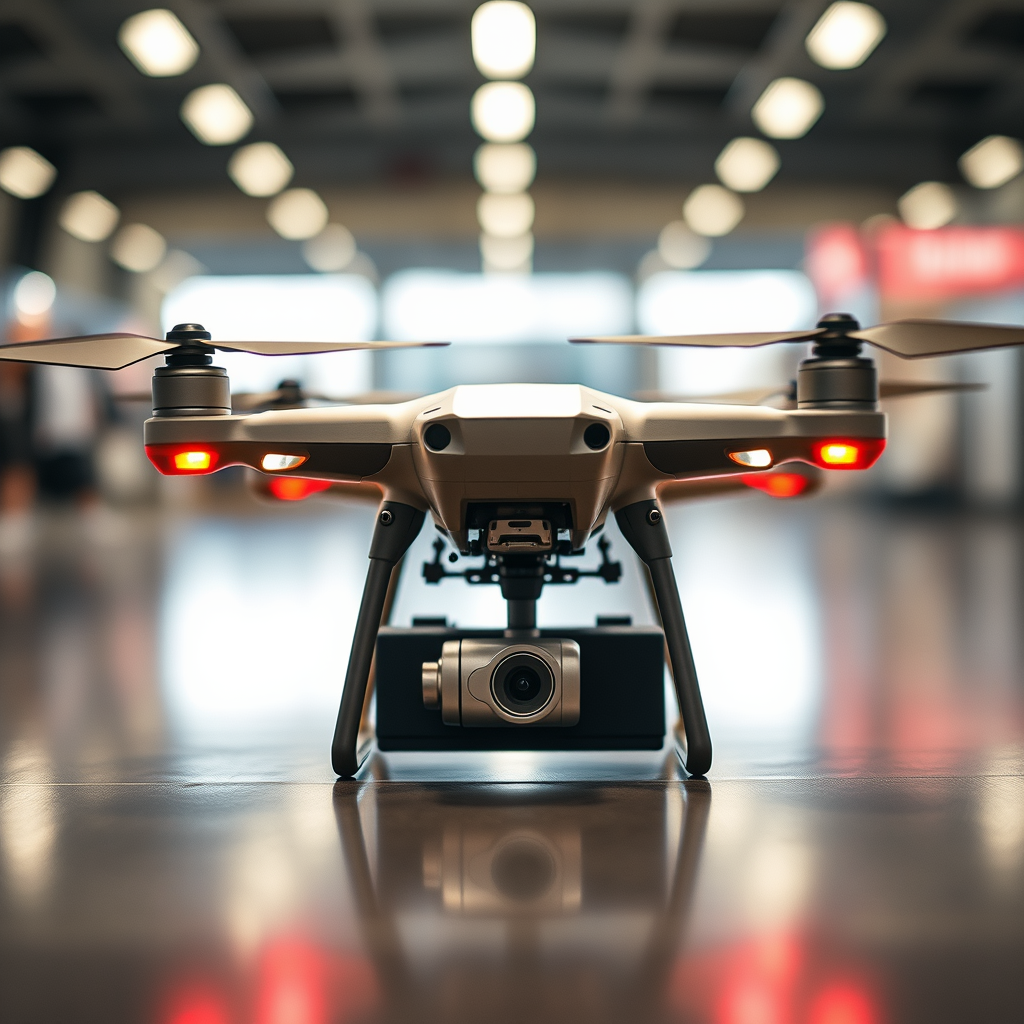
Lithium batteries, commonly used in drones, have strict regulations regarding capacity and transport. The Federal Aviation Administration (FAA) and other international aviation authorities limit the watt-hour (Wh) rating of the batteries that can be carried on planes. For most airlines, batteries under 100 Wh can be taken on board without special permission. However, if your drone batteries exceed this limit, typically between 100 Wh and 300 Wh, you may need to seek approval from the airline.
When preparing for your trip, ensure that your drone batteries are below the maximum allowed watt-hour rating to avoid issues. It is also advisable to carry your batteries in their original packaging or protective cases to minimize the risk of short-circuiting. If traveling internationally, always check the specific battery regulations of your airline and destination country.
Packing Your Drone for Travel
Use a protective case to prevent damage during transport and to securely store your drone and accessories. A high-quality, durable case will not only safeguard your drone from physical harm but also help you stay organized. Look for cases with foam padding or custom inserts designed for DJI drones, which can provide an extra layer of protection.
Disassembling any removable parts, such as propellers and landing gear, can save space and minimize the risk of damage. It’s also wise to keep all components, including batteries and chargers, in your carry-on luggage to ensure they are easily accessible and secure. Consider labeling the case with your contact information in case it gets lost or misplaced during your travels.
Customs and International Travel
Research the drone regulations of your destination country, as some places have restrictions or require permits. Countries such as Canada and certain European Union nations may have specific rules regarding drone flight, including registration, insurance, and operational limits. Failing to comply with local regulations can lead to fines or confiscation of your drone, so it’s essential to do your homework before traveling.
Be prepared to declare your drone and its batteries at customs when traveling internationally. Some countries may require you to fill out specific forms or provide documentation, particularly if you are bringing high-value equipment. Having all necessary paperwork readily available can expedite the customs process and help avoid any misunderstandings.
Safety and Security Considerations
Familiarize yourself with TSA guidelines for traveling with electronics and batteries to ensure a smooth security check. The TSA typically requires that all electronic devices larger than a smartphone be placed in a separate bin for screening. Drones, therefore, may need to be removed from your bag for security checks, so it’s best to pack them in a way that allows for easy access.
Additionally, consider carrying a printed copy of your drone’s user manual to assist security personnel if needed. This can help clarify any questions they may have about your equipment, reducing the chances of delays. Furthermore, avoid carrying any accessories that may raise suspicion, such as modified parts or unusual-looking attachments.
Post-Arrival Tips
Once you arrive, check local drone laws and regulations to ensure compliance before flying. Many countries have strict rules governing where and when you can operate a drone, and failure to follow these guidelines can lead to penalties. Use resources like local aviation authorities, online forums, and drone community groups to gather updated information about where you can legally fly.
If required, register your drone with local authorities, especially in countries with strict drone laws. Some regions may mandate registration for any drone above a certain weight or for specific types of aerial photography. Ensuring compliance with local regulations will enhance your flying experience and contribute to responsible drone use.
Traveling with a DJI drone can be a rewarding experience if you follow the necessary guidelines and regulations. Always double-check airline policies, battery restrictions, and local laws to ensure a hassle-free journey. With the right preparation, you can enjoy capturing stunning aerial footage from your travels while adhering to safety and legal requirements. By taking these steps, you can focus on what matters most—creating unforgettable memories and breathtaking visuals during your adventures.
Frequently Asked Questions
Can I bring a DJI drone on a plane as carry-on luggage?
Yes, you can bring a DJI drone as carry-on luggage on most airlines, but it’s essential to check the specific airline’s policies beforehand. Drones, especially those equipped with lithium batteries, must be transported according to safety regulations. Ensure that the drone’s batteries are under the watt-hour limit set by the airline, typically 100 watt-hours for carry-on items.
What are the regulations for bringing a drone on an airplane?
Regulations for bringing a drone on an airplane vary by country and airline. In general, the Federal Aviation Administration (FAA) in the United States allows drones to be carried on domestic flights, but you must adhere to battery restrictions and ensure that your drone meets the airline’s size and weight limits. Always check the TSA guidelines and the specific regulations of the country you are flying to for a seamless travel experience.
How should I pack my DJI drone for air travel?
When packing your DJI drone for air travel, use a protective case that secures the drone and its components. Remove the batteries and pack them in your carry-on luggage to comply with airline safety regulations concerning lithium batteries. It’s also advisable to label your drone and accessories clearly, making it easier to get through security checks.
Why can’t I check my DJI drone in my luggage?
Checking a DJI drone in your luggage is generally discouraged because of the risk of damage and issues with battery safety. Lithium batteries, commonly used in drones, can pose a fire hazard if not handled correctly. Therefore, airlines typically require these batteries to be transported in the cabin to ensure they can be monitored.
Which DJI drone models are most travel-friendly for air travel?
Travel-friendly DJI drone models include the DJI Mini series and DJI Mavic series, known for their compact design and lightweight structure. These drones are easy to pack and comply with carry-on regulations, making them ideal for travelers. Additionally, their folding designs help minimize space, allowing for convenient transport during your flights.
References
- https://www.faa.gov/uas/travel
- https://www.tsa.gov/travel/security-screening/drones
- https://www.wikihow.com/Travel-with-a-Drone
- Queen Elizabeth cancels engagements after positive Covid test
- https://www.cnet.com/tech/mobile/how-to-bring-your-drone-on-a-plane/
- https://www.droneanalyst.com/drone-travel-guide/
- https://www.tripsavvy.com/flying-with-a-drone-4174485
