
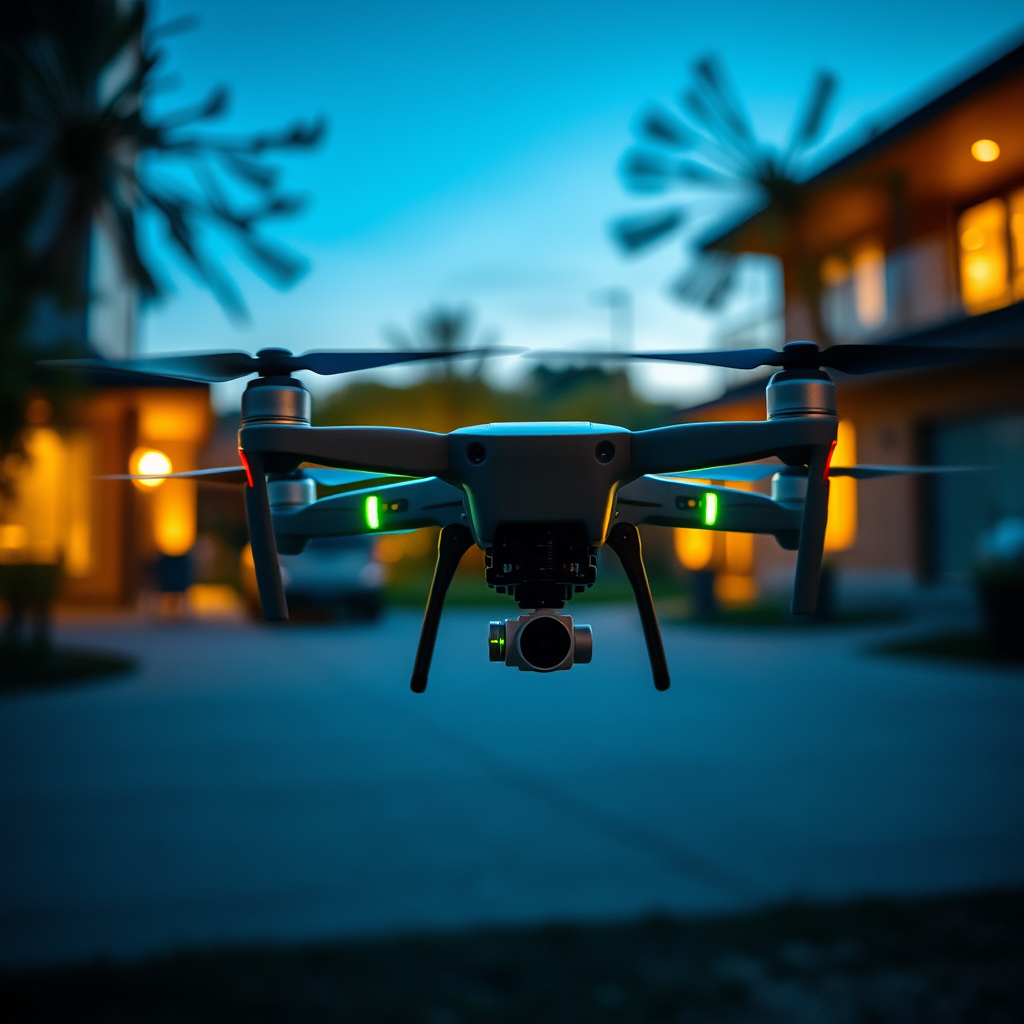
Flying your DJI drone at night is indeed possible, but it’s accompanied by specific regulations and safety considerations that must be adhered to. Many regions enforce local laws that can vary significantly, requiring drone pilots to be well-informed before taking to the skies after dark. This article will clarify the essential rules, safety tips, and necessary equipment for night flying, enabling you to navigate this exciting yet complex aspect of drone operation successfully.
Understanding Night Flying Regulations
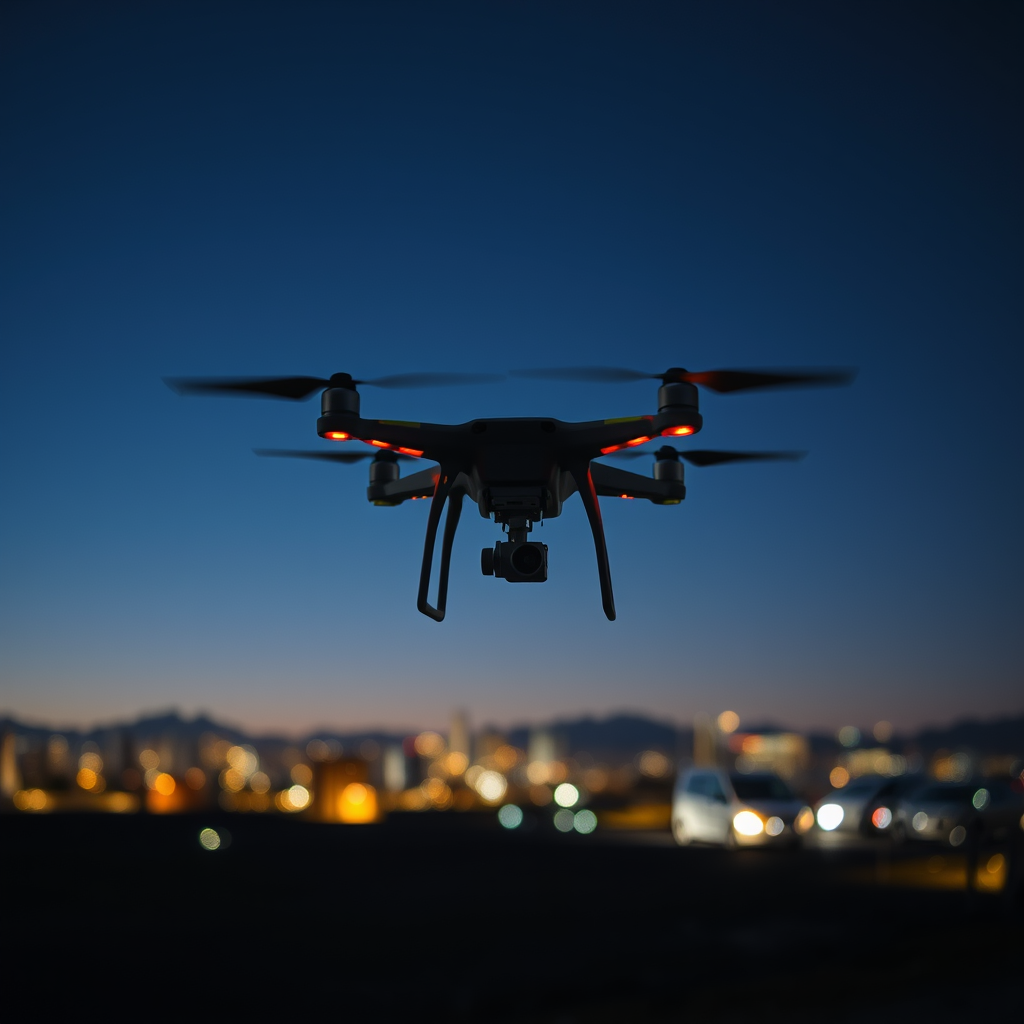
Before venturing into night flying, it’s crucial to understand the regulatory landscape. In many countries, flying a drone at night requires a special waiver or permission from the relevant aviation authority. For example, in the United States, the Federal Aviation Administration (FAA) mandates that pilots must possess a Part 107 certification, which is a commercial drone pilot license. Additionally, there are specific operational rules that govern night flights. These include maintaining visual line of sight, ensuring that the drone is equipped with adequate lighting, and adhering to altitude restrictions.
In Europe, the European Union Aviation Safety Agency (EASA) has also implemented regulations that require drone pilots to follow specific guidelines for night operations. Pilots operating in these jurisdictions must check local laws to ensure compliance, as regulations can differ widely even within the same country. Failure to adhere to these regulations can result in fines, legal repercussions, and even the loss of your flying privileges.
Required Equipment for Night Flights
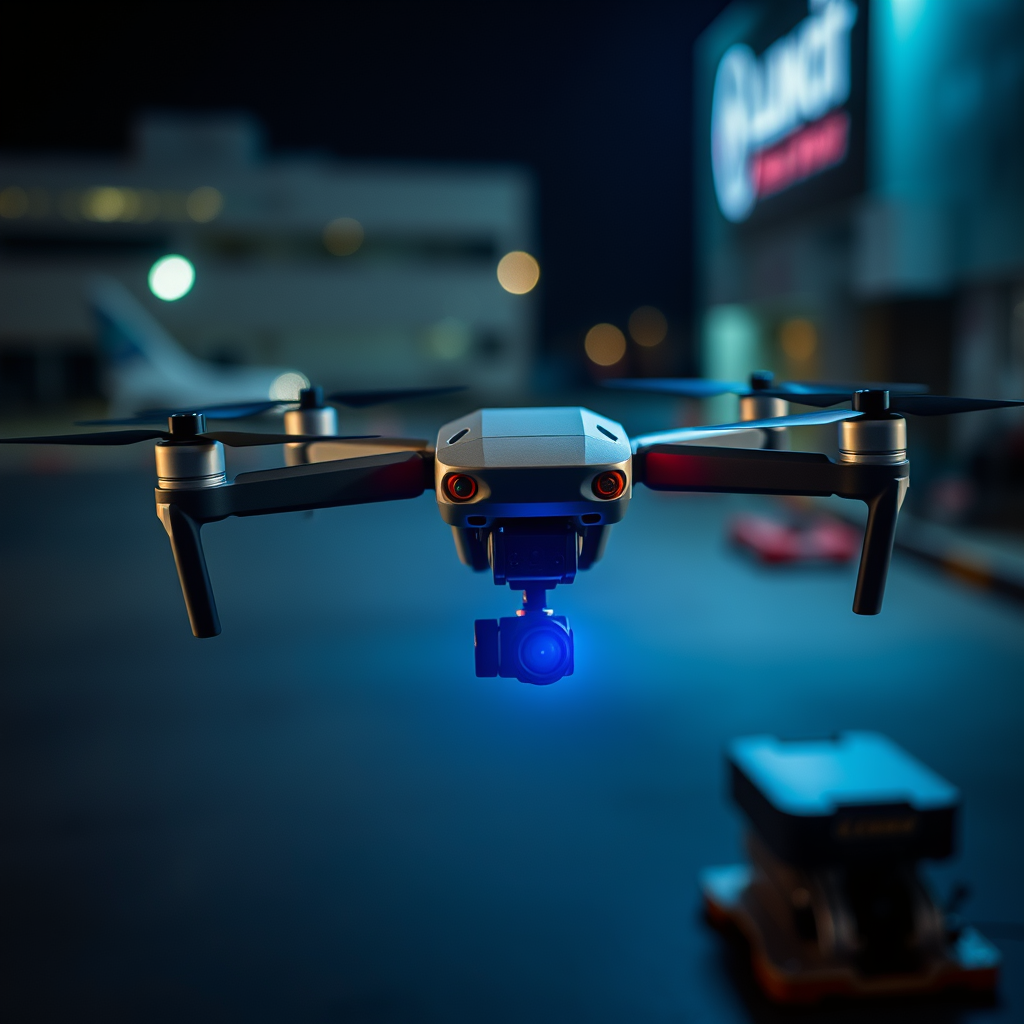
When preparing for a night flight, having the right equipment is paramount. One of the primary requirements is that your drone must be equipped with anti-collision lights that are visible from a distance. These lights help to make your drone visible to other aircraft, pedestrians, and obstacles, thus enhancing safety during night operations.
Additionally, night flying often necessitates the use of additional lighting for safe navigation and operation. This may include LED lights that illuminate the area around your drone, allowing for better visibility of your surroundings. Some pilots opt for forward-facing lights that enhance their ability to navigate, while others may install colored lights to help identify the orientation of the drone in flight.
Furthermore, it is advisable to carry spare batteries, as night flying can consume more power due to increased lighting requirements. Ensuring that your drone is equipped with the latest firmware is also essential, as updates may include enhancements for night flying capabilities.
Safety Tips for Night Flying
Safety should always be your top priority when flying at night. First and foremost, familiarize yourself with the area you plan to fly in before nightfall. This knowledge can help you identify potential hazards, such as buildings, trees, and other obstacles that may not be easily visible in the dark.
Maintaining visual line of sight is another critical safety aspect. The FAA requires that you keep your drone within sight at all times, which can be more challenging at night. Using a spotter can be beneficial, as they can help monitor the drone’s position and alert you to any potential dangers.
Additionally, it is advisable to avoid flying over populated areas whenever possible. Not only does this reduce the risk of accidents, but it also minimizes the potential for disturbing residents with noise or light. Always be prepared for unexpected weather changes, as conditions can shift rapidly at night, impacting your visibility and control.
Advantages of Night Flying
Night flying presents a unique set of advantages that can enhance your drone experience. One of the most enticing benefits is the opportunity to capture stunning photographs and videos illuminated by city lights or moonlight. The contrast between artificial lights and natural darkness can create breathtaking visuals that are significantly different from daytime photography.
Moreover, flying at night often means less air traffic, which can lead to smoother flights with fewer disturbances. This quieter environment allows for a more peaceful flying experience and can provide a sense of solitude that many drone enthusiasts cherish. Night flying can also be an excellent opportunity for practicing advanced piloting skills in a controlled environment, as the reduced visibility can challenge and enhance a pilot’s abilities.
Challenges of Flying at Night
Despite its allure, flying at night comes with its own set of challenges. Reduced visibility can make piloting and navigation significantly more difficult. It can be hard to judge distances and heights, increasing the risk of collisions or crashes. Pilots must rely heavily on their drone’s onboard sensors and GPS capabilities, which can sometimes be less reliable in low-light conditions.
Increased risk of losing your drone is another concern. Disorientation can occur more easily at night, leading to misjudgment of the drone’s position or altitude. Pilots may find themselves struggling to maintain control, especially if they are not accustomed to flying in the dark. Therefore, it is crucial to gain experience flying during twilight hours before attempting full night flights.
Best Practices for Night Flying
To ensure a successful night flying experience, conducting thorough pre-flight checks is essential. Inspect your drone for any mechanical issues and ensure that all lights are functioning correctly. Take the time to familiarize yourself with the controls and settings associated with night flying.
Utilizing a spotter can significantly enhance your situational awareness during night flights. A spotter can help track the drone’s position, monitor the surroundings, and provide guidance in navigating obstacles. Additionally, consider flying in well-lit areas or near known landmarks to aid in navigation and maintain visual line of sight.
Finally, practice makes perfect. Start by flying in low-light conditions, such as during dusk, before progressing to complete night flights. This gradual acclimatization can build your confidence and improve your skills in managing the unique challenges associated with night flying.
In summary, flying your DJI drone at night can be an exhilarating experience filled with opportunities for stunning visuals and quieter operations. However, it is essential to remain compliant with local regulations, equipped with the right gear, and vigilant about safety practices. If you’re considering flying your DJI drone at night, ensure you are prepared and informed. Enjoy the unique experience of night flying, and if you have more questions, feel free to reach out or explore additional resources on drone operation.
Frequently Asked Questions
Can I fly my DJI drone at night legally?
Yes, you can fly your DJI drone at night, but you must adhere to specific regulations set by aviation authorities, such as the FAA in the United States. To fly legally at night, you need to have anti-collision lights visible for at least three statute miles, and your drone must be registered. Additionally, you should also ensure that you are flying in a location that allows night operations and that you maintain visual line-of-sight throughout the flight.
What do I need to know before flying my DJI drone at night?
Before flying your DJI drone at night, it’s crucial to familiarize yourself with local laws and regulations regarding nighttime drone operations. You should also check the weather conditions, as low visibility can pose additional risks. It’s advisable to practice flying during the day to improve your piloting skills and ensure you have the necessary lighting equipment to maintain visibility and safety during nighttime flights.
How can I ensure my DJI drone is safe to fly at night?
To ensure your DJI drone is safe for nighttime flights, equip it with proper anti-collision lights that are visible from at least three statute miles. Additionally, perform a thorough pre-flight check on your drone’s battery, GPS, and camera systems to ensure everything is functioning correctly. Always fly in familiar areas and maintain a clear line of sight, as this is crucial for avoiding obstacles and ensuring safe navigation in low-light conditions.
Why is it important to use lights when flying my DJI drone at night?
Using lights when flying your DJI drone at night is essential for safety and compliance with regulations. Anti-collision lights help other aircraft and people on the ground see your drone, reducing the risk of accidents. Moreover, visibility is crucial for you as the pilot to maintain situational awareness and avoid obstacles, ensuring a safer flying experience.
Which DJI drones are suitable for night flying?
Most modern DJI drones, such as the Mavic Air 2, Mavic Mini 2, and Phantom 4 Pro, are suitable for night flying, provided they are equipped with proper lighting. These drones typically feature stable flight controls, high-quality cameras, and GPS capabilities that enhance nighttime flying. However, always check the specific manufacturer’s guidelines and ensure you are adhering to local regulations before flying your drone at night.
References
- https://www.faa.gov/uas/getting_started/part_107
- https://www.faa.gov/uas/media/Part_107_Summary.pdf
- Sign In with Auth0
- https://www.sUASnews.com/2020/07/06/faq-faa-rules-for-flying-drones-at-night/
- https://en.wikipedia.org/wiki/Drone_flight_regulations#United_States
- https://www.npr.org/2020/06/29/884193045/faa-issues-new-rules-on-nighttime-drone-use
- https://www.cnet.com/news/what-you-need-to-know-about-flying-drones-at-night/
