
The short answer is yes, you can pursue government drone contracts using DJI drones, but there are important considerations regarding regulations, compliance, and operational requirements. As the drone industry continues to expand, government agencies are increasingly incorporating unmanned aerial vehicles (UAVs) into their operations, which opens opportunities for vendors. However, before diving into the market, it is crucial to understand the complexities involved, including regulatory compliance, security concerns, and the procurement process. This article will guide you through the necessary steps and factors to keep in mind when engaging with government contracts using DJI products.
Understanding Government Drone Contracts
Government drone contracts refer to agreements between government agencies and private entities to provide drone services, products, or technology. These contracts are significant because they not only facilitate the adoption of innovative technologies but also enhance the efficiency and effectiveness of government operations. Various types of contracts are available, including those for aerial surveillance, infrastructure inspections, search and rescue operations, and agricultural monitoring. Agencies often seek contractors capable of delivering high-quality services, and this demand can create lucrative opportunities for businesses equipped with reliable drone technology.
DJI Drones: Features and Suitability for Government Use
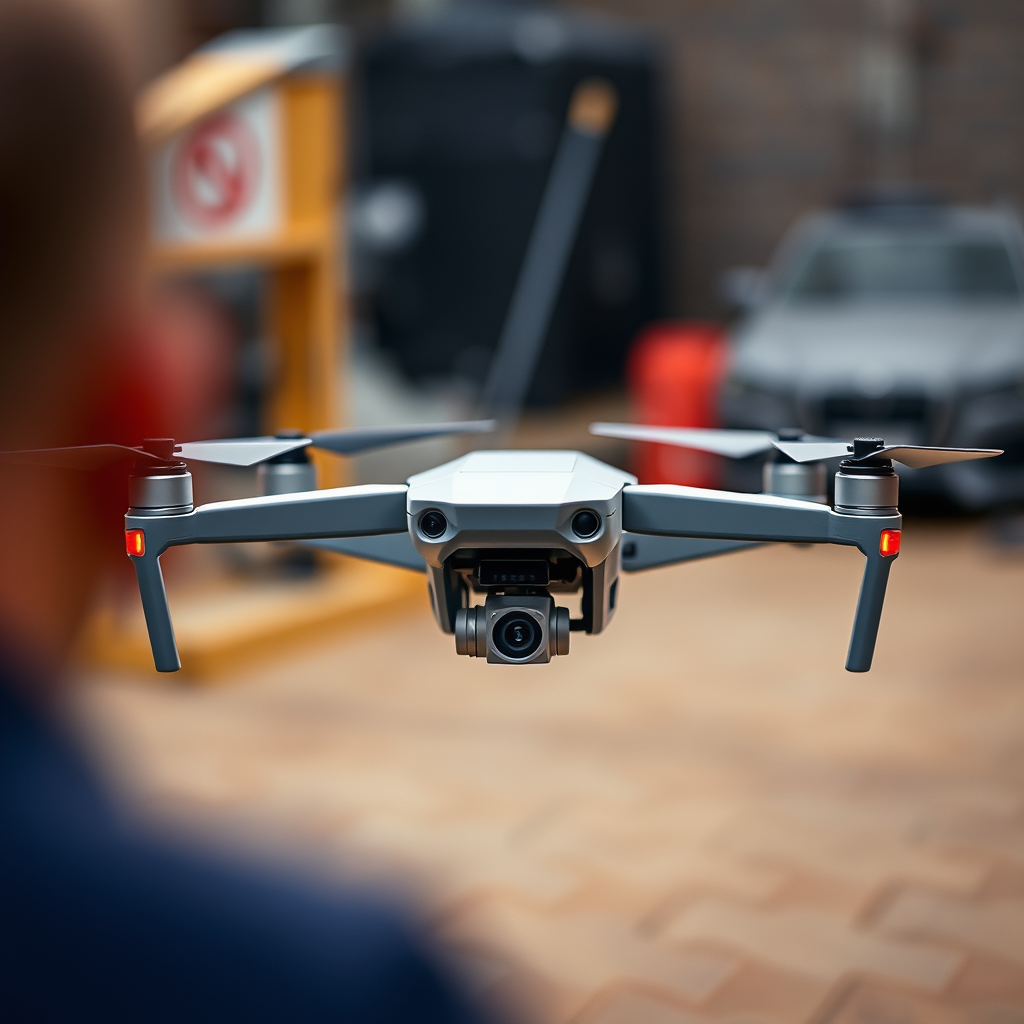
DJI drones are known for their advanced features that cater to a wide array of applications, making them particularly attractive for government contracts. Key features include high-resolution cameras capable of capturing 4K video, advanced stabilization systems, and intelligent flight modes that enhance operational efficiency. For example, the DJI Matrice series offers customizable payloads, making it versatile for various missions, including thermal imaging for search and rescue or multispectral imaging for agricultural assessments.
Successful projects utilizing DJI technology include the use of the Mavic 2 Enterprise for public safety missions, such as disaster response and crime scene investigations. Agencies like the Los Angeles Fire Department have successfully implemented DJI drones for real-time aerial footage during wildfire responses, showcasing the practical benefits of these drones in enhancing situational awareness and operational decision-making.
Regulatory Compliance and Restrictions
When pursuing government drone contracts, compliance with regulatory bodies, such as the Federal Aviation Administration (FAA) in the United States, is paramount. The FAA governs the use of drones in national airspace and establishes guidelines for commercial operations. Additionally, agencies must follow the Federal Acquisition Regulation (FAR), which outlines procurement processes for federal contracts.
Specific restrictions may apply to the use of foreign-made drones, including those developed by DJI, which is based in China. Recent legislation raises concerns about data security and the potential for foreign surveillance. Government agencies may require additional compliance measures to mitigate these risks, which could include data encryption and restricting data access to ensure sensitive information remains secure.
Certification and Procurement Process
To operate drones in government contracts, businesses must obtain the necessary certifications. This includes obtaining a Part 107 Remote Pilot Certificate from the FAA, which certifies individuals to operate drones for commercial purposes. Additionally, organizations may need to demonstrate compliance with local regulations and safety standards.
The procurement process for government contracts typically involves several steps, including responding to Requests for Proposals (RFPs) and submitting detailed bids. It is essential to prepare a robust proposal that highlights the unique benefits of using DJI drones, including their reliability, advanced features, and previous successful implementations. Understanding the specific requirements of the targeted government agency will enhance the chances of winning a contract.
Navigating Security Concerns
Cybersecurity and data security are critical issues associated with using DJI drones, particularly for government applications. Concerns about potential data breaches and unauthorized access to sensitive information have led many agencies to scrutinize the use of foreign-made technology. To address these concerns, organizations should implement comprehensive data security protocols, including encrypting flight data, utilizing secure communication channels, and ensuring compliance with government security requirements.
Moreover, staying informed about the latest cybersecurity frameworks and best practices will help mitigate risks. Collaborating with cybersecurity experts can provide additional assurance that the necessary protective measures are in place.
Success Stories and Case Studies
Several organizations have successfully leveraged DJI drones in government projects, demonstrating the efficacy of this technology in practical applications. For instance, the North Carolina Department of Transportation has utilized DJI Matrice drones for bridge inspections, significantly reducing the time and resources required for these evaluations. This case exemplifies how DJI drones can enhance operational efficiency while ensuring compliance with safety regulations.
Another successful implementation involved the use of DJI drones by the U.S. Department of Agriculture for precision farming techniques. By employing advanced imaging technology, they were able to monitor crop health and optimize resource allocation, ultimately leading to improved agricultural outcomes.
From these success stories, several lessons learned emerge: the importance of thorough preparation, strong stakeholder engagement, and a clear understanding of the operational environment are crucial for successful contract execution.
Potential Challenges and Solutions
While pursuing government contracts with DJI drones presents numerous opportunities, several challenges may arise. Common obstacles include navigating the complex regulatory landscape, addressing security concerns, and competing against other vendors in a crowded field.
Practical solutions to overcome these challenges include developing a strong relationship with local regulatory bodies to better understand compliance requirements and investing in training programs that keep staff updated on the latest regulations and technologies. Additionally, building a robust proposal that clearly outlines the benefits and competitive advantages of using DJI drones can help differentiate your business in the bidding process.
By focusing on these strategies, vendors can enhance their contract viability and position themselves as reliable partners for government agencies.
By understanding the regulatory landscape, ensuring compliance, and addressing security concerns, you can effectively position yourself to obtain government drone contracts using DJI drones. Start by researching the specific requirements for your targeted government agency and prepare a strong proposal that highlights the benefits of using DJI technology. With careful planning and execution, your organization can successfully navigate the complexities of government contracts and leverage the capabilities of DJI drones to drive innovation and efficiency in public service.
Frequently Asked Questions
Can I use DJI drones for government contracts in the U.S.?
Yes, you can use DJI drones for government contracts in the U.S., but there are specific regulations and guidelines you must follow. Due to security concerns regarding data privacy and potential foreign influence, some government agencies may restrict or prohibit the use of foreign-manufactured drones, including those from DJI. It’s crucial to check the specific requirements of the agency you are contracting with and ensure compliance with federal regulations like the Federal Acquisition Regulation (FAR).
What are the requirements for obtaining government drone contracts?
To obtain government drone contracts, you typically need to register your business, obtain necessary licenses, and comply with FAA regulations for commercial drone operations. You may also need to participate in the System for Award Management (SAM) and complete a thorough proposal process that outlines your capabilities, experience, and how your services meet government needs. Understanding the specific procurement processes of different agencies can significantly enhance your chances of securing contracts.
Why are there concerns about using DJI drones for government contracts?
Concerns about using DJI drones for government contracts primarily stem from national security issues, as DJI is a Chinese company. There are fears that data collected by these drones could be accessed by the Chinese government, leading to potential surveillance risks. This has prompted various government entities to issue warnings or impose restrictions on the use of DJI drones in sensitive operations, making it essential for contractors to consider these risks seriously.
What are the best alternatives to DJI drones for government contracts?
Some of the best alternatives to DJI drones for government contracts include U.S.-based manufacturers like Skydio, Parrot, and senseFly, which offer drones designed to meet the needs of government and commercial users. These companies often emphasize data security and compliance with U.S. regulations, making their products more appealing for government contracts. It’s important to evaluate the specific features, capabilities, and regulatory compliance of each alternative before making a decision.
How can I improve my chances of winning a government drone contract?
To improve your chances of winning a government drone contract, focus on building a strong proposal that clearly outlines your experience, technical capabilities, and understanding of the specific needs of the agency. Networking within government procurement circles, attending industry events, and staying informed about upcoming contract opportunities can also be beneficial. Additionally, ensuring compliance with all relevant regulations and demonstrating a commitment to data security will enhance your credibility as a contractor.
References
- Drone
- Certificated Remote Pilots including Commercial Operators | Federal Aviation Administration
- https://www.dhs.gov/science-and-technology/innovation-and-research-drones
- https://www.reuters.com/technology/us-drone-industry-is-booming-but-risks-are-growing-2021-06-09/
- https://www.theguardian.com/us-news/2022/jan/26/us-drone-contracts-china-dji
- https://www.nytimes.com/2020/10/18/us/politics/china-drone-pentagon.html
- https://www.fas.org/sgp/crs/natsec/R45975.pdf
- https://www.bbc.com/news/world-us-canada-50980474
