
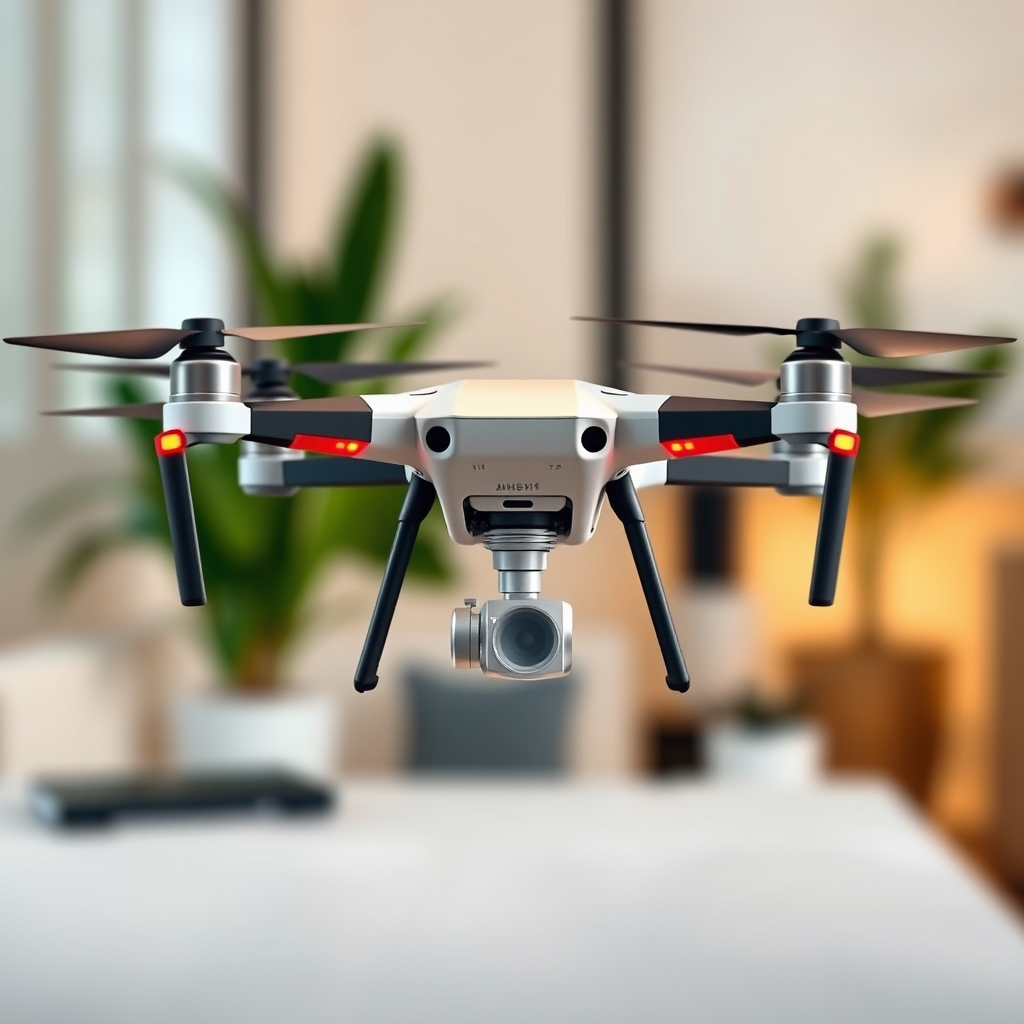
Taking a DJI drone on a plane is indeed possible, but it requires adherence to specific guidelines and regulations. Understanding these rules is vital to ensure a smooth travel experience while complying with airline policies and TSA regulations. In this article, you will learn about the essential requirements for transporting your drone safely and legally, including airline policies, TSA rules, preparation tips, international travel considerations, insurance options, and practical travel tips.
Airline Policies on Drones
When it comes to transporting your DJI drone, airline policies can vary significantly. Each airline has its own set of rules that dictate how drones can be carried on board. Therefore, it is crucial to check your specific airline’s website before you travel. Some airlines may allow drones in carry-on luggage only, while others may have restrictions on the size and weight of the drone. For example, airlines like American Airlines and Delta typically permit drones as carry-on items, but they may require that the drone is packed securely in a case.
Additionally, battery regulations are a critical consideration. Most airlines adhere to the International Air Transport Association (IATA) guidelines, which specify that lithium batteries must not exceed 100 watt-hours when carried in your luggage. Some airlines may impose additional restrictions on battery sizes or the number of batteries you can carry. Thus, it is advisable to contact your airline directly or check their website for the most accurate and up-to-date information.
TSA Regulations for Traveling with Drones
The Transportation Security Administration (TSA) plays a significant role in the safe and secure transport of drones. According to TSA regulations, you are allowed to bring drones in your carry-on luggage but not in checked baggage. This policy is primarily due to safety concerns regarding lithium batteries, which can pose fire risks when placed in the cargo hold.
When packing your drone, ensure that any lithium batteries are under the permissible watt-hour rating, which is typically limited to 100 watt-hours per battery. If your battery exceeds this limit, it is advisable to leave it at home. Additionally, TSA requires that batteries must be carried in a way that prevents short-circuiting, such as by using battery terminals covers or placing them in individual plastic bags. Familiarizing yourself with the TSA’s official website can provide further clarity on these regulations and help you avoid any potential issues at the security checkpoint.
Preparing Your Drone for Travel
Proper preparation of your drone before travel is essential to ensure its safety and functionality upon arrival. Start by removing the propellers and any accessories, as these components are often the most susceptible to damage during transit. Detaching the propellers also helps in minimizing the overall size of your drone for packing.
Investing in a sturdy, padded case specifically designed for drones can make a significant difference in protecting your equipment. These cases are often custom-fitted to hold the drone securely, along with its accessories, reducing the risk of impact and damage. Additionally, consider labeling the case with your contact information in case it gets lost. It is also wise to ensure that your drone’s firmware is updated before traveling, as this can prevent any issues during use in new locations.
International Travel Considerations
Traveling internationally with your DJI drone introduces additional complexities, as drone regulations can vary significantly from country to country. Before embarking on your journey, it is essential to research the laws governing drone usage in your destination. Some countries have strict regulations regarding drone use, including mandatory registration, specific licensing requirements, or permits for operation.
For example, in countries like Canada and Australia, travelers are required to register their drones and may need to adhere to strict operational guidelines. In contrast, some countries may have more lenient regulations. Failure to comply with local laws can result in fines or confiscation of your drone, so thorough research is necessary. Websites like the International Civil Aviation Organization (ICAO) or local aviation authorities can provide detailed information about the regulations you need to follow.
Insurance and Liability
When traveling with your drone, considering insurance is a prudent step. Drone insurance can cover theft, loss, or damage incurred during your travels, providing peace of mind as you transport your equipment. Various insurance providers offer specialized drone coverage options that can be tailored to your needs, including liability coverage for potential damages caused by your drone during operation.
Moreover, understanding your liability is crucial. If your drone causes an accident or injury, you may be held financially responsible. Therefore, it is wise to familiarize yourself with your insurance policy terms and consider obtaining additional liability coverage if necessary. This proactive approach can safeguard you from unexpected financial burdens during your travels.
Tips for Smooth Travel with a Drone
To ensure a seamless travel experience with your drone, consider the following practical tips. First and foremost, arrive early at the airport. Security checks for electronic devices can be time-consuming, and arriving early will allow you ample time to navigate any potential delays.
Additionally, maintain a polite and patient demeanor when interacting with TSA agents. They may have questions regarding your drone and its components, and a courteous attitude can facilitate the process. It is also beneficial to have all necessary documentation readily available, including purchase receipts and proof of insurance, to help address any inquiries you may encounter.
Moreover, familiarize yourself with common airport security procedures for drones. Having your drone easily accessible in your carry-on bag can streamline the security screening process. Lastly, consider keeping a checklist of all your drone components to ensure you have everything you need for a successful trip.
Traveling with your DJI drone can be an enjoyable experience if you follow the necessary guidelines and regulations. By checking your airline’s policies, understanding TSA rules, preparing your drone properly, and considering international regulations, you can ensure a hassle-free journey. Don’t forget to explore insurance options for added protection and implement practical tips for smooth travel. With these considerations in mind, you can confidently take your drone on your next adventure.
Frequently Asked Questions
Can I take a DJI drone on a plane as carry-on luggage?
Yes, you can take a DJI drone on a plane as carry-on luggage, but there are specific guidelines you need to follow. Most airlines allow drones in carry-on bags, but it’s essential to check with your airline for their individual policies. Make sure to pack the drone properly to prevent damage, and remember that lithium batteries should be kept in your carry-on rather than checked baggage, as they pose a fire risk.
What are the restrictions for taking a DJI drone on a plane internationally?
When traveling internationally with a DJI drone, you must be aware of various regulations and restrictions that may differ by country. Some countries have strict laws regarding drone usage, including registration requirements and restrictions on where you can fly. Before your trip, research the specific laws of your destination country and ensure you comply with both local laws and your airline’s policies regarding drones and batteries.
How should I pack my DJI drone for air travel?
To pack your DJI drone for air travel, start by removing the propellers and securing them in a separate pouch to avoid damage. Use a hard case or padded bag to protect the drone and its components, ensuring that the drone is snugly fit to prevent movement during transit. It’s also advisable to carry the drone’s batteries in their original packaging or a dedicated battery case to comply with airline regulations regarding lithium batteries.
Why do airlines have restrictions on carrying drone batteries?
Airlines impose restrictions on carrying drone batteries primarily due to safety concerns associated with lithium batteries, which can pose a fire hazard if damaged or improperly handled. When batteries are transported in checked luggage, there is a higher risk of them being subject to pressure changes and damage, which could lead to overheating. Therefore, most airlines require that lithium batteries, including those for DJI drones, be carried in the cabin to allow for immediate access in case of an emergency.
Which DJI drones are allowed on planes?
Most DJI drones, including popular models like the DJI Mavic series and Phantom series, can be taken on planes, provided you adhere to airline and TSA regulations. However, it’s crucial to check the size and weight limits your airline imposes, as larger drones may have restrictions. Additionally, always verify that the batteries are within the watt-hour limits set by the airline, typically no more than 100 watt-hours for carry-on.
References
- https://www.faa.gov/uas/travel
- https://www.tsa.gov/travel/security-screening/whatcanibring/photography
- https://www.wired.com/story/faa-drone-travel-regulations/
- https://www.nytimes.com/2018/06/01/travel/flying-with-drones.html
- https://www.theguardian.com/travel/2020/jan/27/flying-with-a-drone-what-you-need-to-know
- https://www.cnet.com/how-to/flying-with-a-drone-what-you-need-to-know/
- DJI – The World Leader in Camera Drones/Quadcopters for Aerial Photography
