

Building a drone that surpasses DJI’s offerings is indeed possible, but it requires an understanding of your specific requirements, technical skills, and budget. With the right approach and knowledge, you can design and assemble a drone tailored to your needs that may outperform some of the most popular models on the market. In this article, we will explore the key elements involved in creating a drone that could rival or even exceed the capabilities of DJI’s renowned products.
Understanding DJI’s Dominance in the Drone Market
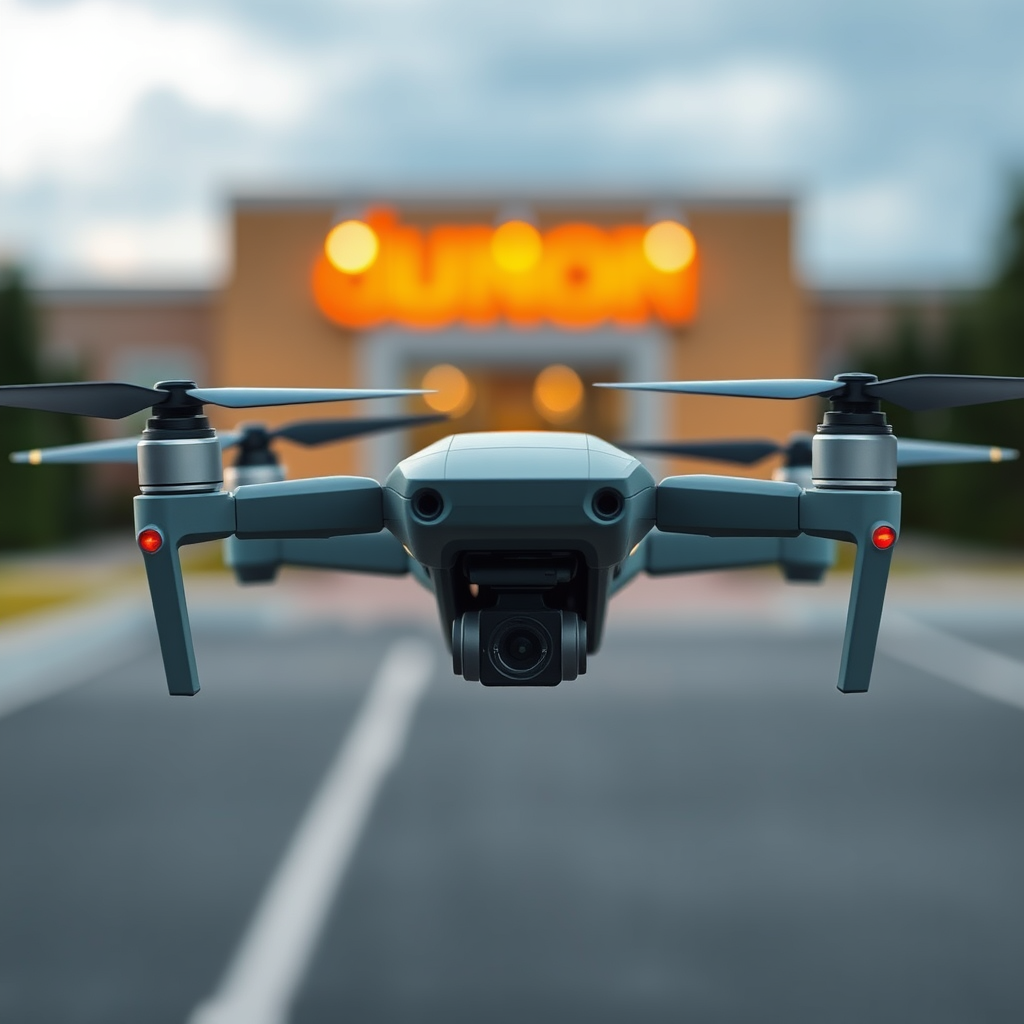
DJI has established itself as a leader in the drone market by consistently delivering high-quality products that combine cutting-edge technology with user-friendly features. Key offerings like the DJI Mavic series and the Phantom line are renowned for their robust camera systems, impressive flight times, and advanced stabilization technologies. DJI’s proprietary software, such as the DJI Fly app, enhances user experience with intuitive controls and smart features like automated flight modes and obstacle avoidance.
Moreover, DJI has set a high standard with innovations such as the OcuSync transmission technology, which offers reliable long-range communication, and the intelligent flight modes that allow users to capture complex shots with ease. This technological prowess, combined with a strong global distribution network and excellent customer support, creates a formidable barrier to entry for competitors. Understanding these elements is crucial for anyone looking to build a drone that can hold its own against DJI.
Assessing Your Needs and Goals
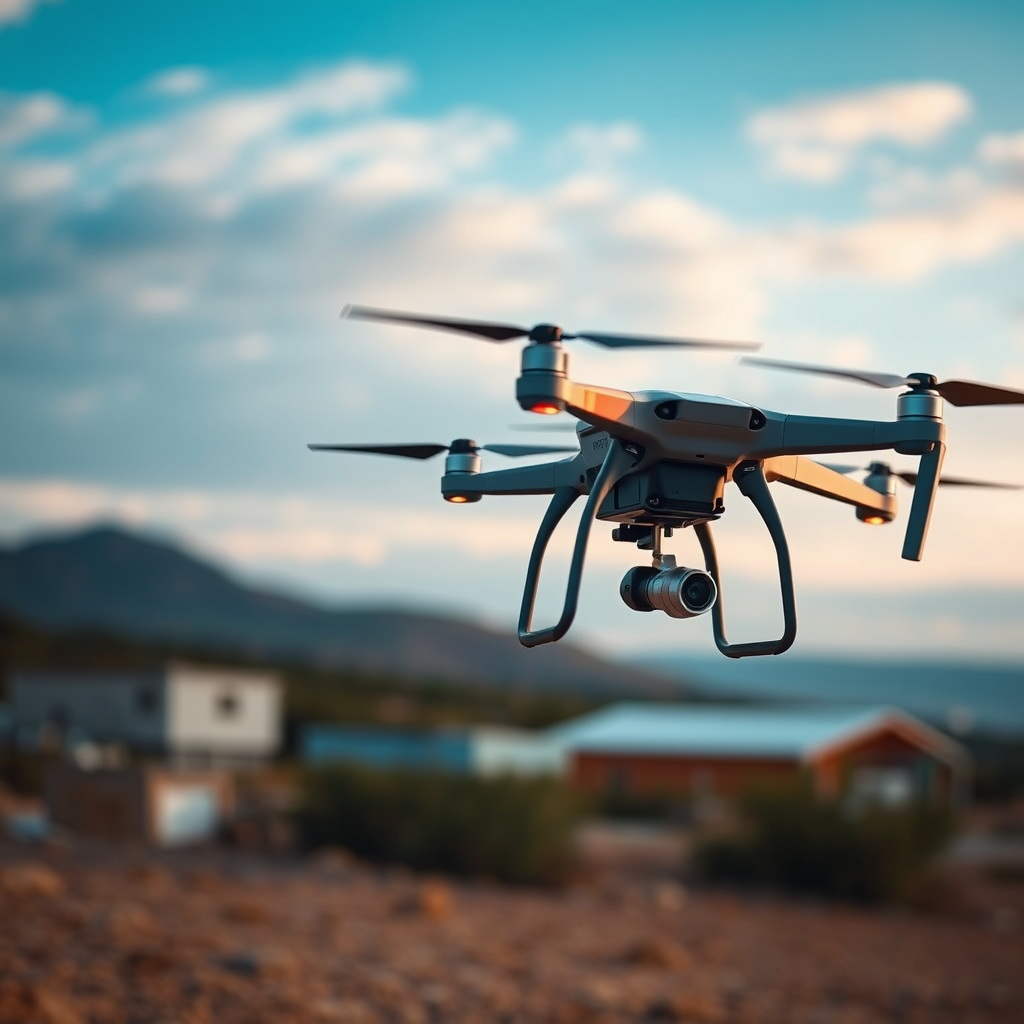
Before embarking on your drone-building journey, it’s essential to define the purpose of your drone. Are you aiming for high-quality aerial photography, racing, or perhaps surveying land? Each application has distinct requirements that will guide your component selection and design approach. For instance, a drone designed for aerial photography will prioritize camera quality and stabilization, while a racing drone will focus on speed and agility.
Budget constraints also play a vital role in this assessment. Building a drone can range from a few hundred to several thousand dollars, depending on the specifications you desire. Establishing a clear budget will help you make informed decisions about which components to invest in and whether to prioritize performance or features. Additionally, understanding the specifications that are most important to you—such as flight time, payload capacity, and camera quality—will help streamline your decision-making process.
Choosing the Right Components
The core of building a competitive drone lies in selecting high-quality components. The main parts you will need include motors, frames, batteries, flight controllers, and cameras. For instance, brushless motors like the EMAX RS2205 are known for their efficiency and power, making them suitable for racing drones. In contrast, high-capacity batteries, such as LiPo batteries with a 4S configuration, will provide the necessary power for extended flight times and heavier payloads.
When comparing components with DJI’s offerings, consider both performance and compatibility. For example, while DJI drones typically use proprietary flight controllers, many third-party options like the Pixhawk or Betaflight provide extensive customization and tuning capabilities. Additionally, when selecting a camera, you might consider using a GoPro or similar high-definition camera that can be mounted on your drone, potentially offering superior image quality compared to DJI’s integrated cameras.
Building vs. Buying: Pros and Cons
Building a custom drone comes with its set of advantages and disadvantages. One of the most significant benefits is the level of customization you can achieve. You have the freedom to select each component based on your specific needs, which can lead to better performance tailored to your use case. Furthermore, a custom-built drone can often be more cost-effective than purchasing a high-end DJI model.
However, there are drawbacks to consider. Building a drone requires a considerable time investment, from component sourcing to assembly and troubleshooting. Additionally, the technical challenges involved in ensuring compatibility and functionality can lead to potential issues for those without prior experience. As such, individuals must weigh the benefits of a personalized drone against the convenience and reliability of a ready-made option.
Technical Skills Required for Building a Drone
To successfully build a drone that meets or exceeds DJI’s standards, certain technical skills are imperative. Familiarity with soldering is essential for connecting electronic components securely. Understanding basic programming principles will also be beneficial, particularly when configuring flight controllers and tuning flight parameters.
Numerous resources are available for people looking to develop their skills in drone assembly and programming. Websites like YouTube offer extensive tutorials covering everything from basic soldering techniques to advanced programming for flight controllers. Additionally, online courses from platforms like Udemy can provide structured learning pathways for those seeking a more comprehensive approach to drone technology.
Testing and Optimization
Once your drone is assembled, rigorous testing is crucial to ensure optimal performance. Start with basic flight tests to assess stability and control response. Pay close attention to the drone’s flight time, range, and any potential issues with motor performance or battery life.
After initial tests, adjustments may be necessary to enhance functionality. This could involve tuning the flight controller settings to improve responsiveness or altering the weight distribution to achieve better balance. Utilizing software like Betaflight can provide deeper insights into performance metrics, allowing for precise adjustments that can significantly improve your drone’s capabilities.
Community and Resources for Drone Builders
Joining forums and online communities can be invaluable for both novice and experienced drone builders. These platforms offer a wealth of knowledge, from troubleshooting tips to design recommendations. Websites such as RCGroups and the Drone Racing League community provide a space for enthusiasts to share their experiences, insights, and queries.
Additionally, many online retailers specialize in drone components and provide tutorials and support for their products. Websites like HobbyKing and GetFPV offer not only parts but also resources that can help you navigate the building process more smoothly.
Building a drone that can compete with DJI is a challenging yet rewarding endeavor. By thoroughly understanding your needs, selecting the right components, and leveraging community resources, it’s possible to create a high-performance drone tailored to your specifications. Take the first step by researching and gathering the materials you need to start your drone-building journey today!
Frequently Asked Questions
Can I build a drone that outperforms DJI models?
Yes, you can build a drone that potentially outperforms DJI models, but it requires careful selection of high-quality components, extensive knowledge of drone technology, and experience in assembly. Factors such as the drone’s purpose, like racing or aerial photography, will influence your component choices, including motors, flight controllers, and cameras. Keep in mind that while custom-built drones can offer superior specifications, achieving the same level of reliability and user-friendliness as DJI may be challenging.
What components do I need to build a drone better than DJI?
To build a drone that could compete with or surpass DJI models, you will need essential components like a high-performance flight controller, powerful brushless motors, and a quality battery for extended flight time. Additionally, consider investing in a high-definition camera for aerial photography, a robust frame for durability, and advanced software for flight stabilization. Researching and selecting components that excel in your specific use case will significantly enhance your drone’s performance.
Why should I consider building my own drone instead of buying a DJI?
Building your own drone allows for customization tailored to your specific needs, whether for racing, photography, or a unique application. You can select premium components that may outperform standard DJI offerings and potentially save money depending on your choices. Additionally, assembling your drone provides invaluable hands-on experience and a deeper understanding of drone technology, which can be beneficial for troubleshooting and upgrades in the future.
What are the advantages of a custom-built drone compared to a DJI drone?
Custom-built drones often offer advantages such as enhanced performance capabilities, tailored features, and the ability to upgrade individual components as technology advances. Unlike DJI drones, which are designed for mass production and may limit customization, a custom drone can be optimized for specific tasks, such as longer flight times or higher payload capacities. Furthermore, you may find that a custom-built drone can be lighter and more agile, particularly for racing or specialized applications.
Which DIY drone kits are best for building a drone that can rival DJI?
Some of the best DIY drone kits for building a drone that can rival DJI models include the DJI Flame Wheel F450 for beginners, the Holy Stone HS720 for a balance of ease and performance, and the ZMR250 Mini Quad for racing enthusiasts. These kits typically include essential components and detailed instructions, making it easier for you to assemble a drone that meets your performance expectations. Researching user reviews and performance benchmarks will help you choose a kit that aligns with your specific needs.
References
- Drone
- https://www.bbc.com/news/technology-47412378
- https://www.theguardian.com/technology/2020/nov/01/drones-are-they-really-the-future-of-flying
- https://www.sciencedirect.com/science/article/pii/S2212017320300130
- https://www.nytimes.com/2021/06/02/technology/drones-competition.html
- https://www.techrepublic.com/article/the-future-of-drones-is-not-what-you-think/
- Earth – NASA
- Unmanned Aircraft Systems (UAS) | Federal Aviation Administration
- https://www.wired.com/story/why-dji-drones-are-so-dominant/
