
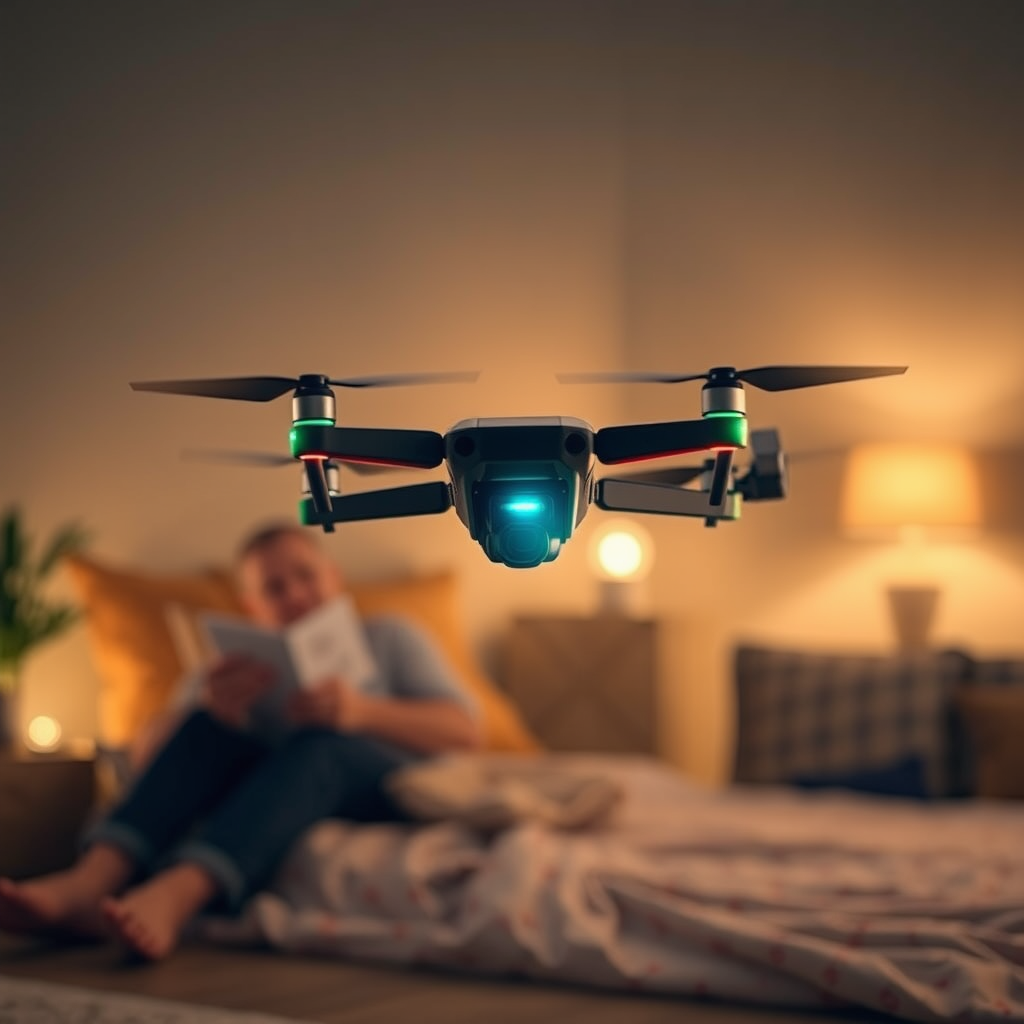
Flying a DJI Spark drone at night is not legally permitted without specific permissions and precautions. While the drone itself is capable of nighttime flight, regulations often require special approvals and additional safety measures to ensure safe operation. In this article, we’ll explore the rules, equipment, and best practices for flying drones at night.
Understanding FAA Regulations
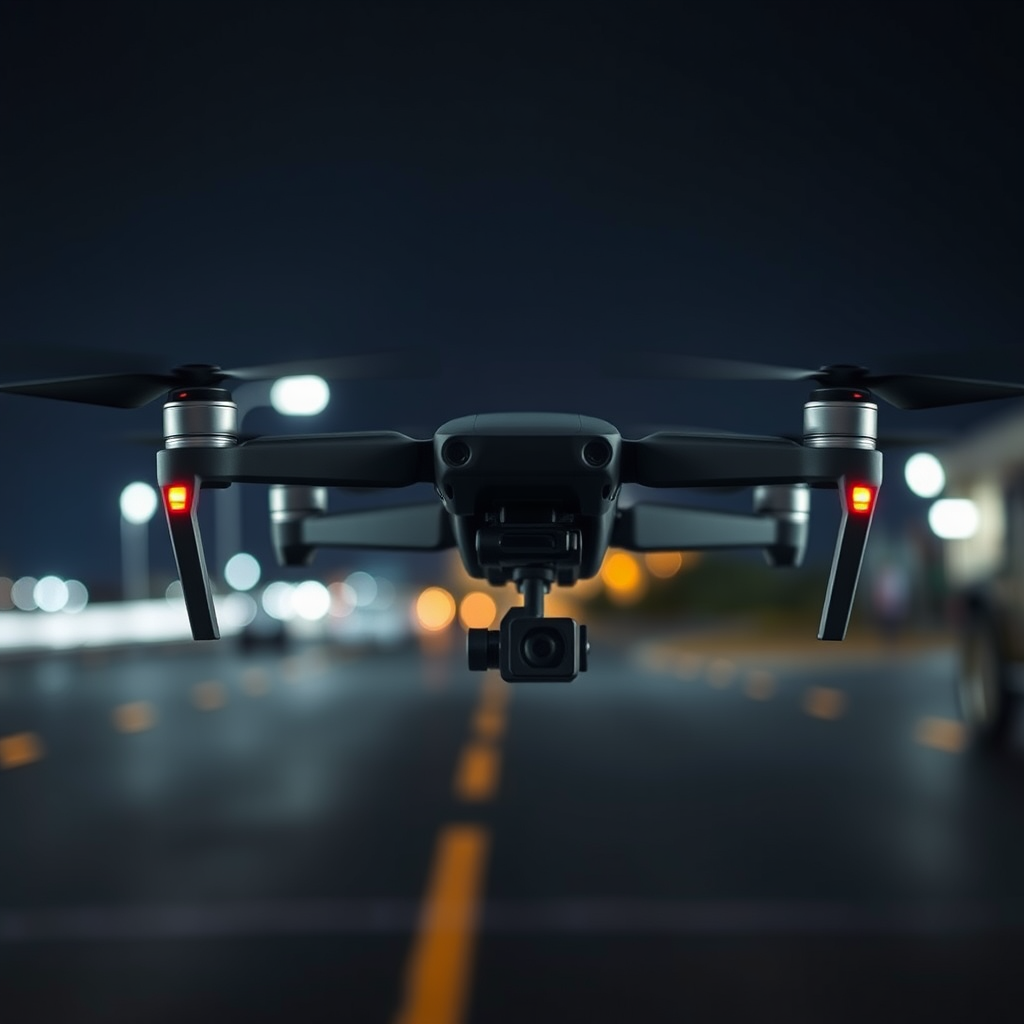
The Federal Aviation Administration (FAA) typically restricts night flying for drones unless you have a Part 107 license. This license is essential for any commercial drone operator and allows for more flexibility in flying conditions, including at night. For hobbyists, night flying is generally prohibited without proper authorization. Additionally, pilots must adhere to visual line-of-sight (VLOS) rules, which become increasingly difficult to maintain in low-light conditions. The FAA emphasizes safety, and flying a drone at night without proper training and equipment can lead to hazardous situations, both for the pilot and others in the vicinity. It is crucial to understand these regulations before considering any nighttime operations.
Necessary Equipment for Night Flight
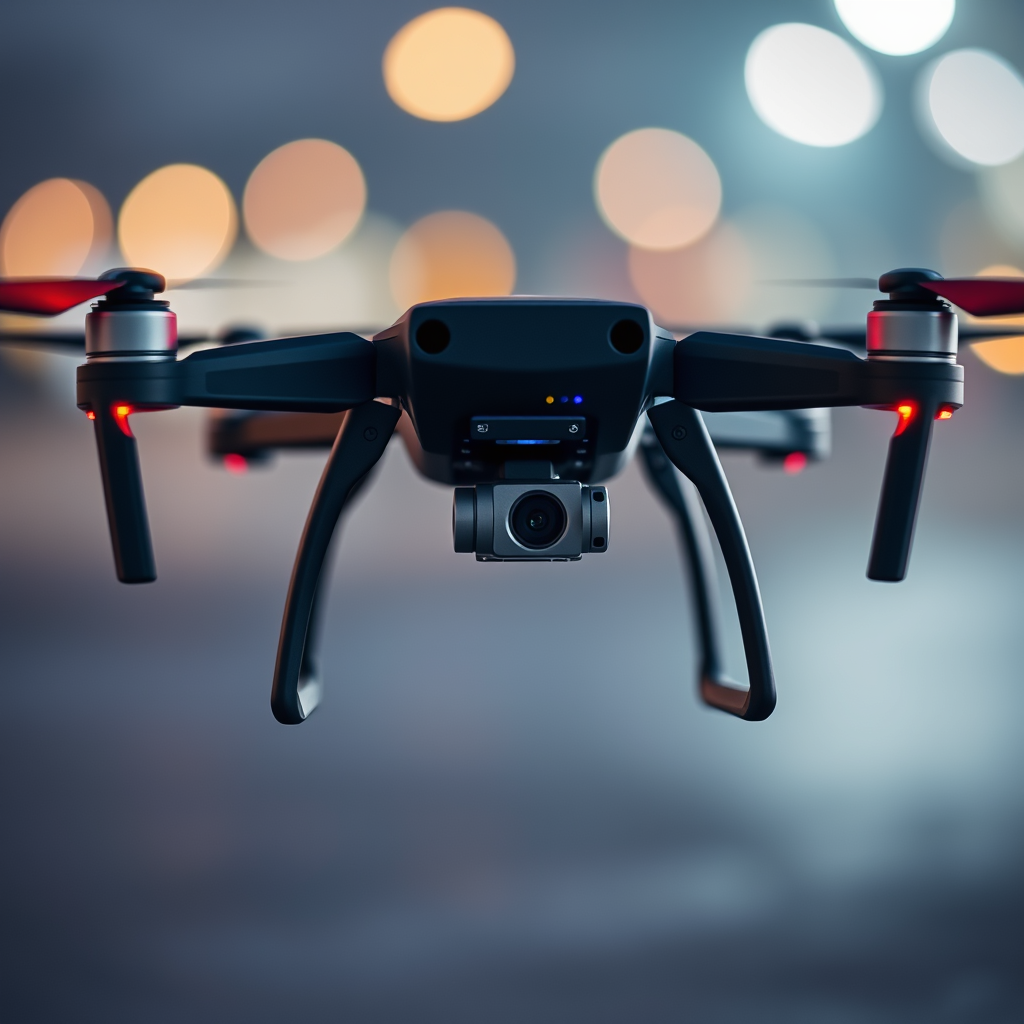
When planning to fly a DJI Spark drone at night, certain equipment is not just recommended but often mandatory. The use of anti-collision lights is essential to ensure your drone is visible to other airspace users and to avoid potential accidents. These lights should be bright enough to be seen from a distance, and they can be mounted on your drone to enhance visibility.
In addition to anti-collision lights, a well-equipped drone is important for safe nighttime operations. While the DJI Spark is not specifically designed for night flying, ensuring that it is outfitted with strong LED lights can significantly enhance your control and safety. Some drones come with built-in night vision capabilities, but if your drone lacks this feature, consider using external night vision devices or camera attachments that can capture better images in low light. These enhancements not only improve safety but also help in capturing stunning nighttime aerial photography.
Pre-Flight Preparations
Thorough pre-flight checks are critical, especially when flying in low-light conditions. Before taking off, conduct a detailed assessment of your drone’s functionality, including battery life, camera operation, and the performance of installed lights. Inspect the propellers and ensure that all components are secure and functioning properly.
Familiarizing yourself with the flying area is another vital step in your pre-flight preparations. At night, obstacles such as trees, power lines, and buildings may not be easily visible, posing significant risks. Utilize maps or tools like Google Earth to study the area in advance, and if possible, conduct a daytime reconnaissance to identify potential hazards. Being aware of your surroundings will enhance your situational awareness and help you avoid accidents during your flight.
Safety Considerations
Safety should always be the top priority when flying any drone, especially at night. Always inform nearby individuals about your flying activity, particularly in populated areas. This communication is essential to avoid startling others and to ensure that people are aware of your drone’s presence, minimizing the risk of collisions.
Selecting open spaces for your nighttime flights is also crucial. Avoid crowded areas and opt for locations with minimal obstacles and ample visibility. Parks, fields, and open bodies of water are often ideal for night drone flights. Moreover, maintain a safe distance from any structures or people to further reduce risks. Consider having a spotter accompany you, especially if you are new to night flying, as they can help monitor your surroundings and assist in maintaining VLOS.
Night Flight Techniques
Mastering night flight requires practice and adaptation to changing light conditions. Begin by practicing flying during dusk, which allows you to gradually acclimate to the diminishing light. This transitional period provides an opportunity to assess your drone’s capabilities and your own comfort level with nighttime flying.
Utilizing GPS and automated flight modes can significantly improve your control and stability during nighttime operations. Many modern drones, including the DJI Spark, offer features such as GPS positioning, which helps maintain a steady hover and reduces the risk of losing control. Automated return-to-home features can also be invaluable in ensuring that your drone safely returns to you if visibility becomes too low or if you encounter unexpected issues during flight.
Local Laws and Permissions
Before flying your DJI Spark at night, it is essential to research local laws and regulations, as some areas may impose stricter rules regarding nighttime drone operations. Local jurisdictions may have specific ordinances or restrictions that differ from FAA guidelines. Failing to comply with these laws can result in fines or other legal consequences.
If your area permits nighttime flying, be sure to obtain any necessary permits. This process may involve filling out applications or notifying local authorities of your intended flight plans. Always keep documentation on hand during your flights, as it may be required if you encounter law enforcement or other regulatory bodies.
In summary, understanding and following all applicable regulations is crucial for safe and legal nighttime drone operations.
Flying a DJI Spark drone at night can be an exhilarating experience, but it comes with a unique set of challenges and responsibilities. It is vital to comprehend FAA regulations, equip yourself with the necessary tools, and make thorough preparations before taking off. By prioritizing safety and adhering to local laws, you can enjoy the beauty of night flights while minimizing risks. Always ensure that you are prepared and informed before attempting to fly your drone after dark.
Frequently Asked Questions
Can you legally fly a DJI Spark drone at night?
Yes, you can fly a DJI Spark drone at night, but it is subject to specific regulations. In the United States, the Federal Aviation Administration (FAA) requires that drones operated at night must have proper lighting to ensure visibility. Additionally, pilots must hold a Part 107 certification and adhere to local laws, which may vary. Always check your local regulations before flying at night to ensure compliance and safety.
What kind of lights do I need for night flying with a DJI Spark?
To fly a DJI Spark drone at night, you need to equip it with anti-collision lights that are visible from a distance of at least three statute miles. These lights should be bright enough to allow other aircraft and people on the ground to see your drone clearly. Many pilots use LED lights that can be attached to the drone’s arms or body for this purpose, ensuring safety and compliance with FAA regulations.
How does flying a DJI Spark at night differ from daytime flying?
Flying a DJI Spark at night presents unique challenges compared to daytime flying, primarily due to reduced visibility. Pilots must rely on their drone’s lights and possibly additional lighting to navigate effectively. Additionally, the risk of losing sight of the drone increases at night, making it crucial to maintain visual line-of-sight at all times. Familiarity with the drone’s controls and features, such as GPS and return-to-home functions, is essential for safe night operations.
What are the best practices for flying a DJI Spark drone at night?
The best practices for night flying with a DJI Spark drone include ensuring your drone is equipped with bright, visible lights, conducting thorough pre-flight checks, and flying in familiar areas. It’s also advisable to keep your flight duration short and maintain visual line-of-sight at all times. Additionally, consider using a spotter who can help you keep track of your drone in the dark and always have a plan for emergencies, such as low battery or signal loss.
Why is it important to have a Part 107 certification for night flying with a DJI Spark?
Obtaining a Part 107 certification is crucial for flying a DJI Spark drone at night in the United States because it demonstrates that the pilot understands the regulations and responsibilities associated with commercial drone operations. This certification ensures that pilots are trained in safety protocols, airspace classifications, and operational limits, which are especially important for night flying, where visibility is reduced and the risk of accidents may increase.
References
- https://en.wikipedia.org/wiki/Drone_flight_regulations
- https://www.faa.gov/uas/getting_started/fly_it_safe/#night
- https://www.npr.org/2021/04/06/984708312/faa-expands-drone-flight-rules-to-allow-night-flying
- Unmanned Aircraft Systems (UAS) | Federal Aviation Administration
- https://www.safety.gov/
- 404 Error – AOPA
- https://www.usatoday.com/story/news/nation/2020/12/29/faa-drone-night-flying/4051054001/
