
Flying a DJI drone at night is generally allowed, provided you adhere to local regulations and safety guidelines. In many regions, night flying requires specific equipment and permits, which you’ll need to understand before taking to the skies. As the popularity of drone technology continues to rise, so does the interest in nighttime operations, offering unique opportunities for capturing stunning visuals and enjoying a serene flying experience. This article will guide you through essential considerations for flying your DJI drone after dark, ensuring that you are well-prepared for a safe and rewarding aerial adventure.
Understanding FAA Regulations
The Federal Aviation Administration (FAA) has established guidelines that govern drone operations, especially concerning night flying. To legally operate a drone for commercial purposes at night, you must possess a Part 107 certification. This certification demonstrates that you have undergone the necessary training and understand the rules of the airspace. Additionally, commercial drone pilots must equip their drones with anti-collision lighting that is visible from at least three statute miles, ensuring that other aircraft can see them.
For recreational flyers, the rules are somewhat different, but just as important. The FAA requires that you notify them of your intent to fly at night if you are flying under the Special Rule for Model Aircraft. This notification can typically be accomplished through the FAA’s online portal. Moreover, it’s crucial to stay updated on local laws and regulations, as they may impose additional restrictions or requirements for night flying.
Necessary Equipment for Night Flights
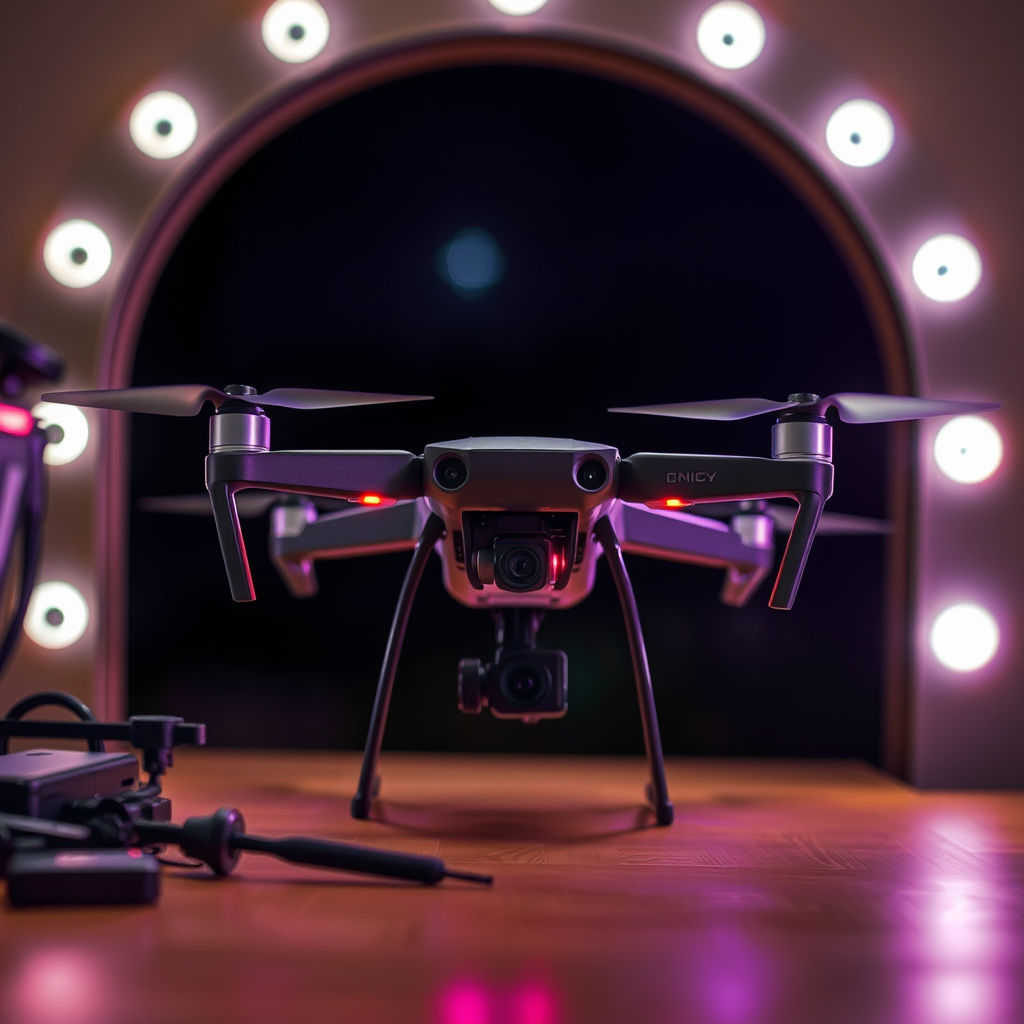
When flying a drone at night, having the right equipment is essential for ensuring a safe and successful flight. One of the key requirements is the installation of anti-collision lights. These lights should be bright enough to be visible from a distance, allowing other pilots and observers to detect your drone. Many DJI drones come with optional LED lights that can be attached or integrated into the drone’s body.
In addition to visibility, a reliable navigation system is vital for maintaining orientation in low-light conditions. DJI drones, such as the Mavic series and the Phantom series, typically feature advanced GPS systems and obstacle avoidance sensors. However, at night, pilots should remain vigilant, as the lack of visual references can make it challenging to maintain control of the drone. Using additional lighting, such as a flashlight or a dedicated spotlight, can aid in tracking your drone and enhancing its visibility.
Pre-Flight Checklist for Night Operations
Before embarking on a night flight, conducting a thorough pre-flight inspection is crucial. This checklist should include verifying that all systems are functioning properly, including battery levels, camera settings, and flight controls. A well-maintained drone is less likely to malfunction mid-flight, which is particularly important when flying in low visibility conditions.
Checking the weather is another essential aspect of your pre-flight routine. Nighttime weather can be unpredictable, and visibility can be significantly reduced due to fog, rain, or other atmospheric conditions. Ensure that the forecast indicates clear skies and minimal wind, as these factors can greatly impact your flying experience. Additionally, familiarize yourself with the area you plan to fly in, noting any potential hazards such as trees, buildings, or other obstructions that may be harder to see at night.
Safety Precautions to Take
Safety should always be your top priority when flying a drone, especially at night. One of the most critical precautions is to fly in familiar areas. Operating in a known location minimizes the risk of losing control of your drone, as you are already aware of the environment and any obstacles that may exist. If you are exploring a new area, consider visiting during the day first to familiarize yourself with the surroundings.
Maintaining visual line-of-sight with your drone is another key safety practice. This can be particularly challenging at night, so it is essential to use your anti-collision lights effectively and to fly within a reasonable distance. If visibility becomes compromised, it’s best to land the drone and wait for better conditions before continuing your flight.
Best Practices for Night Flying
To make the most of your night-flying experience, consider these best practices. Choose well-lit locations that enhance both your visibility and the drone’s visibility to others. Parks, open fields, and areas with streetlights can provide a safer environment for night flying. Avoid flying in crowded areas, as this not only respects the privacy of others but also reduces the chances of accidents.
Additionally, be aware of noise regulations in your area. Some locations may have restrictions on drone noise levels during the night, which can be particularly disruptive in residential neighborhoods. Always respect privacy concerns, ensuring that you do not intrude on the personal space of others while capturing stunning nighttime footage.
Benefits of Flying Drones at Night
Despite the challenges, flying drones at night offers several unique benefits. One of the most significant advantages is the opportunity to capture stunning aerial photography and videography. Nighttime provides a different aesthetic, with city lights creating beautiful patterns and landscapes that are simply not visible during the day. The contrast between illuminated areas and dark spaces can lead to breathtaking images and videos that stand out.
Moreover, many drone pilots find that nighttime flying offers a more peaceful experience. With reduced air traffic and fewer people outdoors, you can enjoy a more serene environment. This tranquility can enhance your focus and creativity, making it an ideal time for artistic exploration.
Common Mistakes to Avoid
While flying a drone at night can be exhilarating, several common mistakes can lead to complications. One major pitfall is failing to check local laws and regulations regarding night flying. Ignorance of the rules can result in fines or penalties, which can put a damper on your flying experience. Always ensure you are compliant with both federal and local regulations.
Another mistake is overestimating your ability to navigate at night without proper experience or equipment. Night flying requires different skills compared to daytime operations. If you are inexperienced or have never flown at night before, consider practicing during twilight hours or under the guidance of a more experienced pilot. This will help build your confidence and ensure a safer flying experience.
Flying your DJI drone at night can be an exhilarating experience, but it requires careful planning and adherence to regulations. By understanding FAA requirements, equipping your drone for nighttime operations, and following safety precautions, you can ensure a successful flight. Remember to check local laws, conduct thorough pre-flight checks, and embrace best practices for night flying. If you’re ready to explore the night skies, start preparing your drone for its evening adventures!
Frequently Asked Questions
Can you fly a DJI drone at night legally?
Yes, you can fly a DJI drone at night, but it depends on your location and local regulations. In the United States, the Federal Aviation Administration (FAA) allows night flying for drones that have proper lighting and are flown under Part 107 rules. Always check your local laws and regulations before flying at night, as some areas may have restrictions.
What specific lighting requirements are needed for flying a DJI drone at night?
When flying a DJI drone at night, the FAA requires that your drone be equipped with anti-collision lights that are visible for at least three statute miles. These lights must be capable of being seen from all directions to ensure safety. DJI drones, like the Mavic and Phantom series, often come with built-in lights, but additional lights can be added for enhanced visibility.
How can I prepare for a night flight with my DJI drone?
Preparing for a night flight with your DJI drone involves several key steps. First, ensure that your drone is equipped with the necessary lighting for visibility. Familiarize yourself with the flying area during daylight hours to avoid obstacles, and plan your flight path meticulously. Finally, consider installing a night vision camera or using a drone equipped with low-light capabilities for better visual clarity in darkness.
Why is it important to follow regulations when flying a DJI drone at night?
Following regulations when flying a DJI drone at night is crucial for both safety and legality. Adhering to FAA guidelines helps prevent accidents and ensures that you are operating within the law, which can save you from potential fines or legal issues. Additionally, following these regulations protects other airspace users, such as manned aircraft and pedestrians, enhancing overall safety in the airspace.
What are the best practices for flying a DJI drone at night?
The best practices for flying a DJI drone at night include conducting a thorough pre-flight check, ensuring your drone’s lights are functioning properly, and maintaining visual line-of-sight with your drone at all times. It’s also advisable to fly in open areas away from populated spaces, use a spotter to help monitor your drone, and be cautious of reduced visibility conditions. Investing in additional lighting and using drones equipped with advanced night flying features can also enhance your nighttime flying experience.
References
- https://www.faa.gov/uas/getting_started/registration
- https://www.faa.gov/uas/resources/policies_regulations/
- Certificated Remote Pilots including Commercial Operators | Federal Aviation Administration
- https://www.nytimes.com/2020/12/31/technology/drones-night-flying.html
- https://www.wired.com/story/faa-night-drone-rules/
- https://www.cnet.com/home/smart-home/faa-says-you-can-fly-drones-at-night-what-you-need-to-know/
- https://www.dronepilotgroundschool.com/can-you-fly-drones-at-night/
