
Flying DJI drones in the rain is generally not recommended, as moisture can damage the electronic components and interfere with performance. However, some DJI models are designed to be weather-resistant, allowing for limited operation in light rain. Understanding the capabilities of your drone and the risks involved is crucial for safe operation in wet conditions. In this article, we will explore the factors that influence flying drones in the rain, the risks involved, and tips for safe operation in such environments.
Understanding DJI Drone Weather Resistance
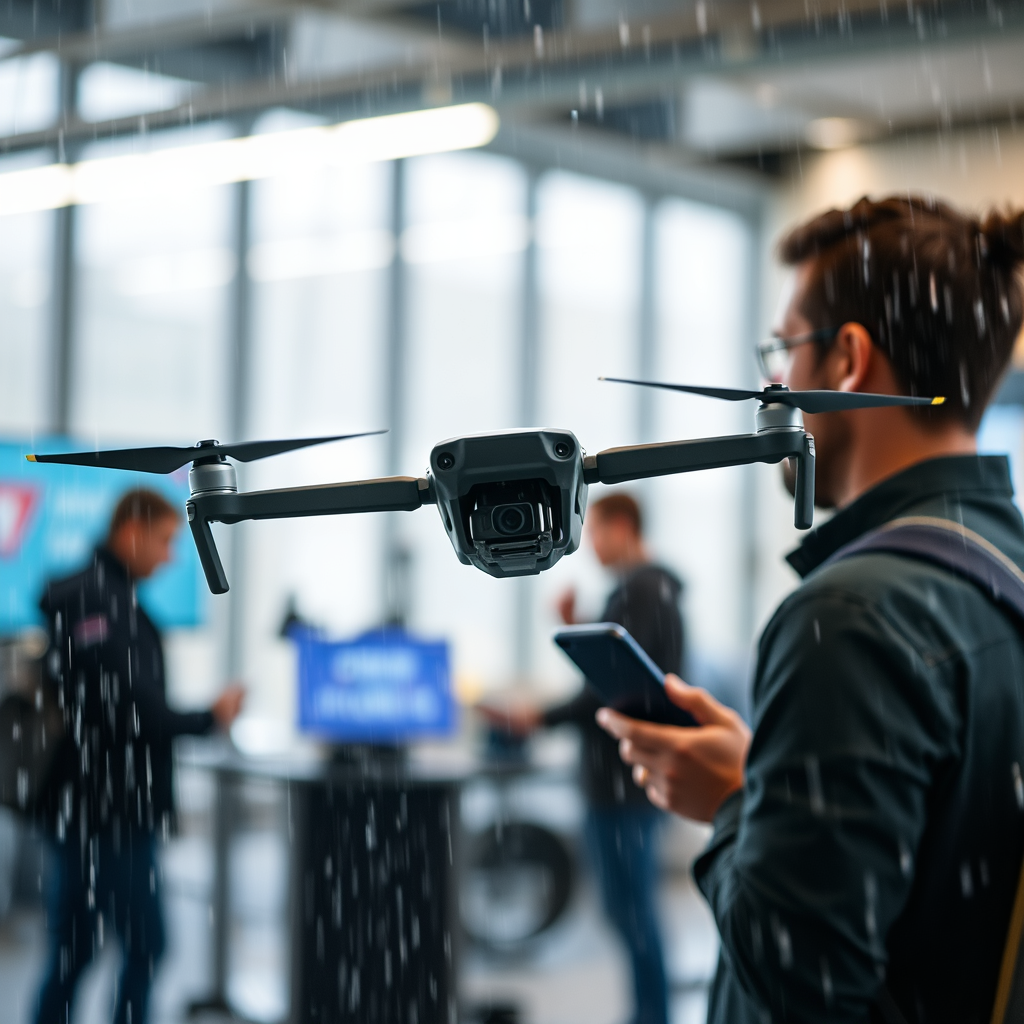
When considering flying a DJI drone in the rain, one of the first factors to assess is its weather resistance. Various DJI models come equipped with Ingress Protection (IP) ratings, which indicate their level of resistance to water and dust. For example, the DJI Mavic 2 Enterprise and the DJI Matrice 200 Series feature enhanced weather protection, rated at IP43 and IP45, respectively. This means they can withstand splashes of water from any direction, making them more suitable for inclement weather compared to standard consumer models.
However, it’s important to note that even weather-resistant drones have limitations. While they can handle light moisture, prolonged exposure to heavy rain can lead to water seepage, potentially causing damage to sensitive electronic components. Therefore, understanding the specific IP rating of your DJI model is crucial and should guide your decision-making when considering flying in the rain.
Risks of Flying Drones in Rain
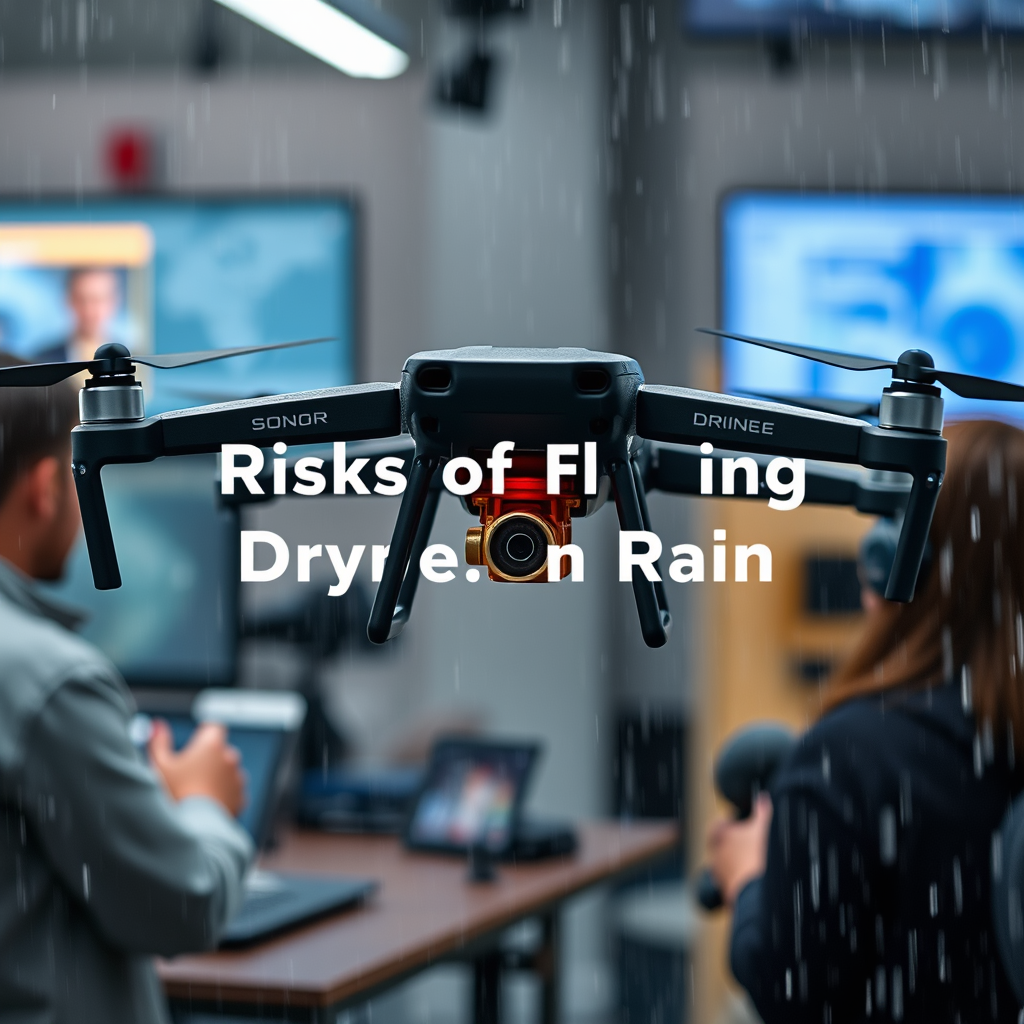
Operating a drone in rainy conditions presents several risks that can compromise flight safety. Water damage is a primary concern, as moisture can infiltrate the drone’s internal systems, leading to malfunctioning motors, short circuits, and potentially irreversible damage. The risk of water entering the battery compartment is particularly concerning, as it can lead to battery failure or even fires in extreme cases.
Additionally, flying in the rain can significantly reduce visibility, not only for the drone operator but also for the drone itself. Rain can obscure the camera lens, leading to poor image quality and limited visibility of the drone’s surroundings. Furthermore, GPS signal interference is more likely in rainy weather due to atmospheric conditions, which could result in loss of control and navigation difficulties. These factors combined make flying drones in rain not only risky but potentially hazardous.
Best Practices for Flying in Light Rain
While heavy rain is clearly inadvisable for drone operation, light mist or drizzle may be manageable for certain DJI models, particularly those with higher IP ratings. If you must fly in light rain, there are several best practices to consider. First, avoid heavy downpours and assess the intensity of the rain before launching your drone.
Ensure that all ports and compartments are tightly sealed to minimize water ingress; this includes battery compartments and any other openings that could allow moisture to penetrate. It’s also wise to monitor the weather continuously during your flight, as conditions can change rapidly. If rain begins to intensify, return your drone to a safe location immediately.
Moreover, consider using a drone cover or waterproof case specifically designed for your model. These accessories can provide an additional layer of protection against light moisture, helping to keep your drone safe in unpredictable weather.
Preparing Your Drone for Rainy Conditions
Preparation is key when considering flying a DJI drone in rainy conditions. Before heading out, check for any firmware updates that may enhance your drone’s performance in adverse weather. Manufacturers often release updates that improve stability and functionality, which can be particularly beneficial when flying in challenging conditions.
In addition, using a protective cover is advisable if you anticipate brief exposure to light rain. These covers can help shield your drone’s sensitive components while allowing for continued operation. Make sure that your drone is clean and free of debris, as dirt and grime can exacerbate moisture issues.
Finally, always conduct a pre-flight checklist that includes verifying battery health, propeller condition, and overall mechanical integrity of the drone. A well-maintained drone is less likely to encounter issues during inclement weather.
Alternatives to Flying in Rain
If weather conditions are unfavorable, consider postponing your flight. Safety should always be the top priority, and there are various alternatives to consider. Indoor flying areas equipped for drones can be a great option, allowing you to practice and refine your flying skills without the risks posed by wet outdoor conditions.
Additionally, using drone simulators provides another excellent avenue for honing your skills. These simulators offer realistic flying experiences and can help you learn how to manage your drone effectively in various scenarios, including adverse weather conditions. This way, you can remain engaged with your passion for flying without risking damage to your equipment.
Legal Considerations and Regulations
Before flying your drone in the rain, it is essential to familiarize yourself with local laws and regulations regarding drone operation in adverse weather conditions. Regulations can vary significantly by region; some areas may have specific prohibitions against flying in poor weather due to safety concerns.
In many jurisdictions, operators are required to adhere to the “line of sight” rule, which can be challenging in rainy conditions. Be sure to check with local aviation authorities or drone regulations to ensure you remain compliant while operating your drone. Failing to understand and follow these legalities can lead to fines or other penalties, making it imperative to stay informed.
Maintenance After Flying in the Rain
If you have flown your drone in the rain, proper maintenance afterward is critical to prevent long-term damage. Start by thoroughly drying your drone, using a soft cloth to wipe down all surfaces and ensuring that no moisture remains in any crevices. Pay particular attention to the battery compartment and motors, as these areas are prone to corrosion if not dried properly.
Regular inspection and cleaning of components like propellers, motors, and sensors are essential for maintaining your drone’s functionality. Look for any signs of water damage or corrosion and address these issues immediately. Additionally, consider using a specialized drone maintenance kit that includes cleaning solutions and tools designed for your specific model.
By following these maintenance steps, you can significantly extend the life of your DJI drone and ensure that it remains in optimal working condition for future flights.
Maintaining the integrity of your DJI drone is crucial for ensuring its longevity and performance. While flying in light rain might be possible with certain models, it is essential to weigh the risks and take appropriate precautions. Always prioritize safety and consider alternative options when weather conditions are less than ideal. For more tips and updates on drone operation, subscribe to our newsletter or check out our latest articles.
Frequently Asked Questions
Can you fly DJI drones in the rain?
Flying DJI drones in the rain is generally not recommended. While some models, like the DJI Mavic 2 Enterprise and DJI Matrice series, have weather-resistant features, most consumer drones are not designed to withstand moisture. Rain can cause damage to the drone’s electronics and motors, potentially leading to malfunction or crashes. It’s best to check your specific drone model’s specifications and guidelines regarding weather conditions before attempting to fly in the rain.
What are the risks of flying a drone in wet conditions?
The risks associated with flying a drone in wet conditions include reduced visibility, impaired control, and potential damage to the drone. Water can seep into the internal components, leading to short circuits or permanent damage. Additionally, raindrops can affect camera performance, resulting in blurry images or video. Always consider the weather and your drone’s limitations before taking off.
How can I protect my DJI drone from rain and moisture?
To protect your DJI drone from rain and moisture, consider using a waterproof case or a drone cover that shields it from the elements. Additionally, you can apply a water-repellent spray specifically designed for electronics to provide an extra layer of protection. However, it’s important to remember that these precautions do not guarantee safety in heavy rain, so it’s wise to avoid flying in adverse weather conditions altogether.
Why is it important to avoid flying drones in inclement weather?
Avoiding drone flights in inclement weather is crucial for safety and equipment longevity. Inclement weather can lead to unpredictable wind conditions, reduced battery performance, and compromised flight control, increasing the risk of accidents. Moreover, flying in rain or snow can void warranties and lead to costly repairs. Prioritizing safe flying conditions ensures a better experience and protects your investment.
Which DJI drones are best suited for flying in light rain?
DJI drones like the Mavic 2 Enterprise and the Matrice 300 RTK are better suited for light rain due to their rugged design and weather-resistant features. However, even these models should not be flown in heavy rain or severe weather conditions. If you frequently operate in variable weather, consider investing in a drone designed for industrial use, as they often provide better durability and performance in adverse conditions. Always refer to the manufacturer’s guidelines for specific recommendations on flying in rain.
References
- https://www.dji.com/uk/flying-safely
- https://www.theguardian.com/technology/2020/jan/28/drones-in-the-rain-should-you-fly-in-wet-weather
- https://www.faa.gov/uas/resources/policies_regulations/
- https://www.nytimes.com/2021/07/01/technology/drones-weather.html
- https://www.wired.com/story/drone-flying-in-rain-tips/
- https://www.societyofautomotiveengineers.org/
- https://www.usatoday.com/story/tech/2020/06/03/drone-flying-outdoors-rain-snow/5302528002/
- https://www.dronepilotgroundschool.com/drone-flying-in-rain/
