
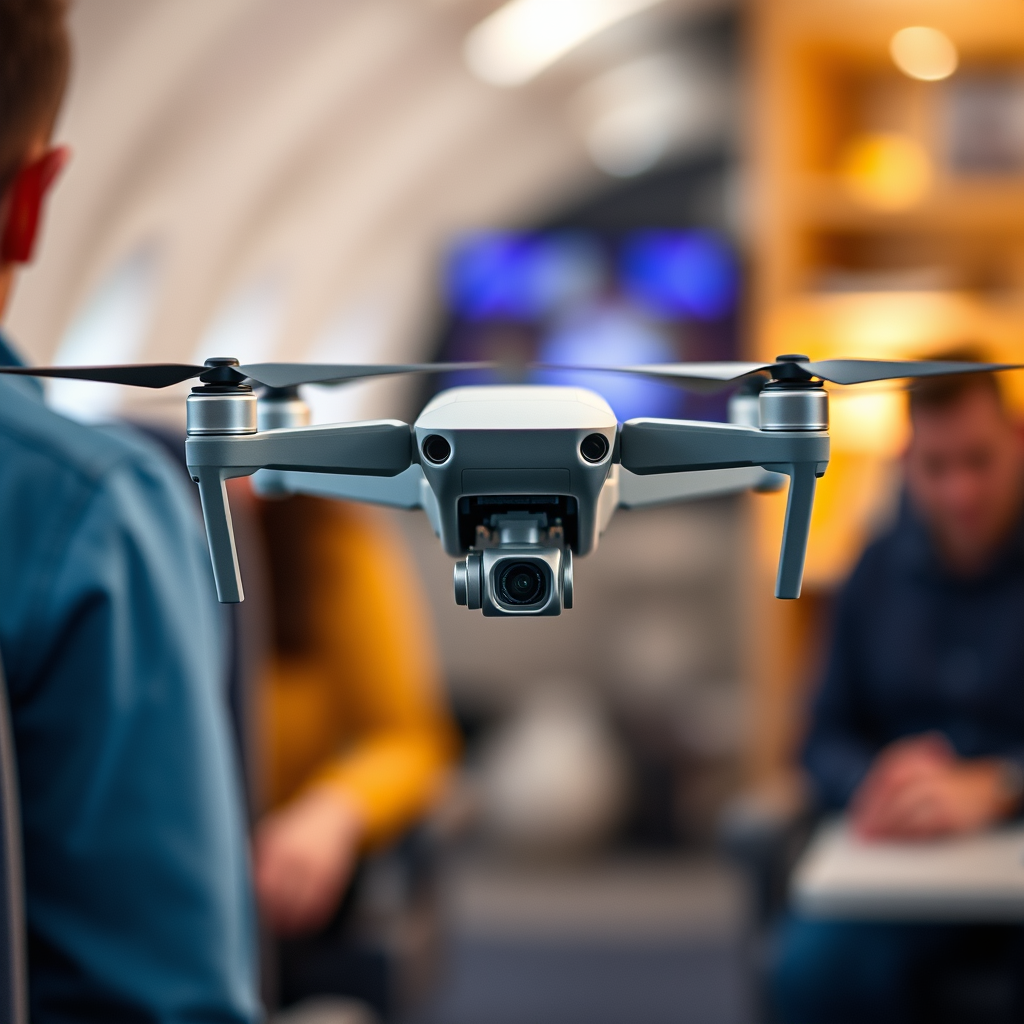
Yes, you can generally take a DJI drone on a plane, but it requires adherence to specific regulations and guidelines. Understanding airline policies, TSA regulations, and international drone laws is crucial for a smooth travel experience. This article will comprehensively explore the necessary steps to ensure your drone travels safely and legally, helping you capture stunning aerial footage during your adventures without encountering complications.
Airline Policies for Drones
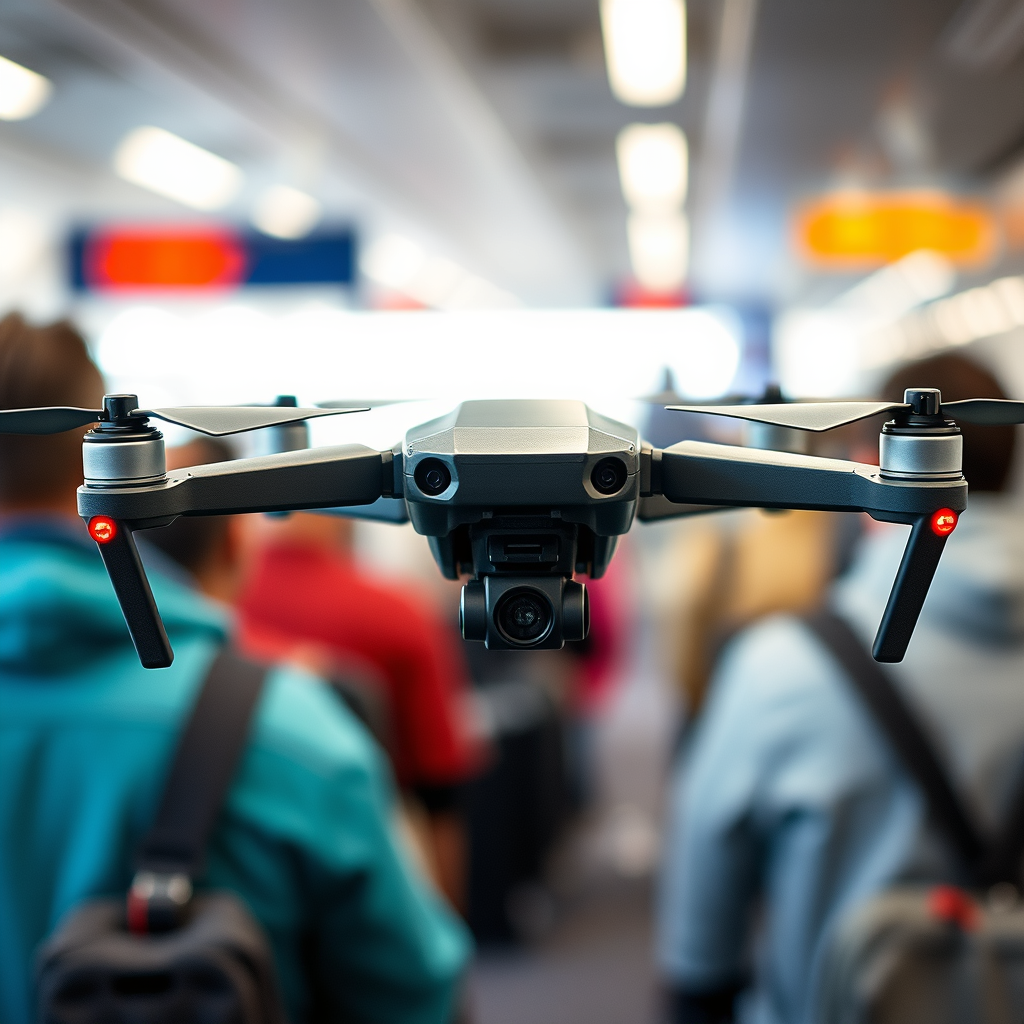
Airlines have varied policies regarding the transport of drones, making it essential to check with your specific carrier before your trip. Most airlines allow passengers to carry drones, but the rules can differ significantly. For example, some airlines, such as American Airlines and Delta, permit drones in both carry-on and checked luggage, while others may restrict drones to carry-on only. Additionally, airlines may limit the size of drones or the type of batteries that can be transported.
It is also advisable to review the airline’s policy on lithium batteries, as they are often subject to stricter regulations due to fire risks. Always consult the airline’s website or contact customer service for the latest guidelines, especially if you are traveling internationally or have a layover with a different airline.
TSA Regulations and Drone Transport
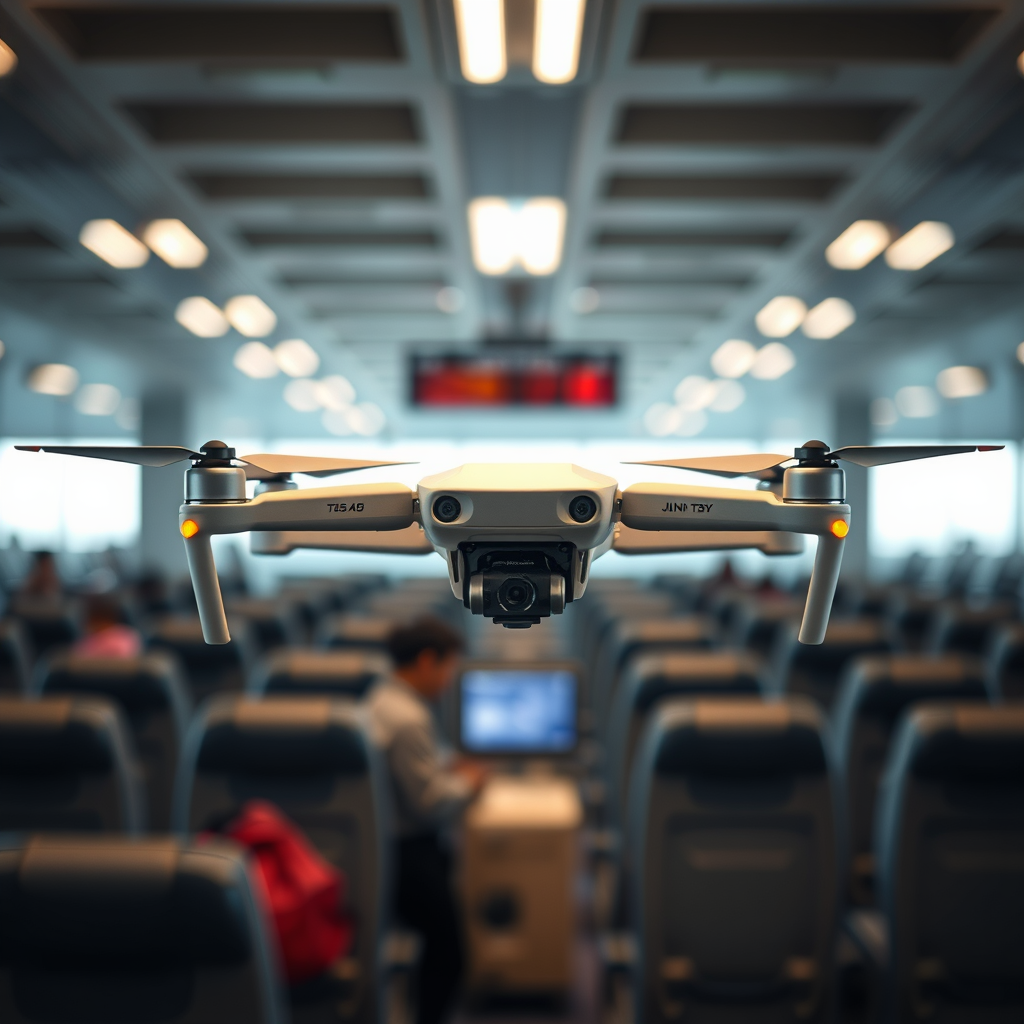
The Transportation Security Administration (TSA) allows passengers to carry drones in their carry-on luggage. When going through security, you may be required to remove your drone from its case for screening. This is similar to how laptops and other electronic devices are treated, so be prepared for this step to avoid delays.
Lithium batteries, which power most drones, have specific transport regulations. The TSA limits the watt-hour (Wh) rating of lithium batteries in both carry-on and checked luggage. Typically, batteries under 100 Wh are allowed without special permission, while those between 100 Wh and 160 Wh may require approval. Batteries exceeding 160 Wh are generally prohibited on passenger flights. Be sure to check your batteries’ specifications and pack them according to TSA guidelines, ensuring they are stored in a protective case or bag to prevent short-circuiting.
Packing Your Drone for Air Travel
Proper packing is essential for protecting your DJI drone during air travel. A hard or padded case is highly recommended to guard against impacts and pressure changes during the flight. Many manufacturers offer cases specifically designed for DJI drones, ensuring a snug fit and adequate protection for the drone and its components.
When packing, keep accessories such as remote controllers, extra batteries, and propellers organized and secure. Utilize compartments within your case for smaller items and consider using bubble wrap or clothing to cushion fragile components. Additionally, label your drone case with your contact information in case it gets separated from you during travel, which can facilitate its return.
International Travel Considerations
Traveling internationally with a drone presents additional considerations, as drone laws can vary significantly from one country to another. Before your trip, research the regulations governing drone use in your destination country. Some nations may require drones to be registered, while others impose restrictions on flying areas or drone weight.
For instance, countries like Canada mandate that drones over 250 grams be registered and that operators hold a valid pilot certificate for advanced operations. In contrast, countries like Japan have stringent regulations on where drones can be flown and may require permits for aerial photography. Always verify local laws before arriving at your destination to avoid fines or confiscation of your equipment.
Insurance and Liability
Obtaining insurance for your drone is a prudent step, especially when traveling. Many standard travel insurance policies do not cover drone-related incidents, so consider purchasing specialized drone insurance that covers theft, damage, or liability claims arising from accidents. This can provide peace of mind while traveling, knowing that you are financially protected.
Additionally, be aware of your liability in case of accidents or damage caused by your drone during your travels. Familiarize yourself with the local laws regarding drone operation, as well as any liability implications. Some countries may hold operators responsible for damages caused by their drones, so understanding your responsibilities is crucial.
Tips for Smooth Travel with Your Drone
To ensure a hassle-free travel experience with your DJI drone, consider the following tips:
1. Arrive Early: Give yourself ample time at the airport to accommodate any additional security checks or unforeseen delays related to your drone.
2. Documentation: Have all necessary documentation ready, including proof of ownership, registration details (if applicable), and any permits required for your destination.
3. Stay Updated: Follow any updates from the TSA or your airline regarding drone travel, as regulations can change frequently.
4. Respect Local Regulations: Always adhere to local laws and guidelines regarding drone operation in your destination country. This includes respecting no-fly zones and altitude restrictions.
5. Engage with Local Communities: If you’re traveling to a popular drone destination, consider connecting with local drone communities or forums. They can provide valuable insights about the best flying locations and any recent changes in regulations.
Traveling with your DJI drone can be a hassle-free experience if you prepare adequately. Familiarize yourself with airline and TSA regulations, pack wisely, and be aware of international laws. By following these guidelines, you can enjoy capturing stunning aerial footage on your trips without complications. Whether for personal enjoyment or professional use, being informed and prepared is essential for a successful drone travel experience.
Frequently Asked Questions
Can you take a DJI drone on a plane as carry-on luggage?
Yes, you can take a DJI drone on a plane as carry-on luggage, but there are specific regulations you must follow. Most airlines allow drones in carry-on bags, provided the drone’s lithium battery does not exceed the airline’s capacity limits, typically around 100 watt-hours (Wh). Always check with your airline for their specific policies regarding drones and battery restrictions before traveling.
What are the regulations for flying a DJI drone in different countries?
Regulations for flying a DJI drone vary significantly from country to country. In the United States, the FAA requires registration for drones over 0.55 pounds, while other countries may have different weight thresholds, altitude limits, and no-fly zones. It is essential to research and comply with the local drone laws of your destination before flying to avoid fines or confiscation of your equipment.
How should I pack my DJI drone for air travel?
To pack your DJI drone for air travel, place it in a sturdy, padded case designed for drones to protect it from damage during transit. Ensure that the batteries are stored in a fireproof bag and that they are either disconnected or stored in designated compartments, as per airline regulations. Additionally, keep essential accessories, such as remote controllers and spare propellers, organized and easily accessible for security checks.
Why is it important to check airline policies regarding DJI drones before flying?
It is crucial to check airline policies regarding DJI drones before flying because different airlines have varying restrictions on the size, weight, and battery capacity of drones allowed in carry-on or checked luggage. Not adhering to these policies can lead to denied boarding, confiscation of your drone, or unexpected fees. By being informed, you can ensure a smooth travel experience and avoid potential hassles at the airport.
Which DJI drones are best suited for air travel?
The best DJI drones for air travel are typically compact and lightweight models, such as the DJI Mini series or the DJI Mavic series. These drones are designed for portability, making them easier to pack and carry. Additionally, they often come with foldable designs, allowing you to save space in your luggage while ensuring you have a high-quality drone for capturing stunning aerial footage during your travels.
References
- https://www.faa.gov/uas/traveling_with_your_drone
- https://www.dji.com/flying-internationally
- https://www.tsa.gov/travel/security-screening/whatcanibring/items/drone
- https://www.cnet.com/tech/mobile/can-you-take-a-drone-on-a-plane-what-you-need-to-know/
- https://www.wired.com/story/flying-with-drone-airplane/
