
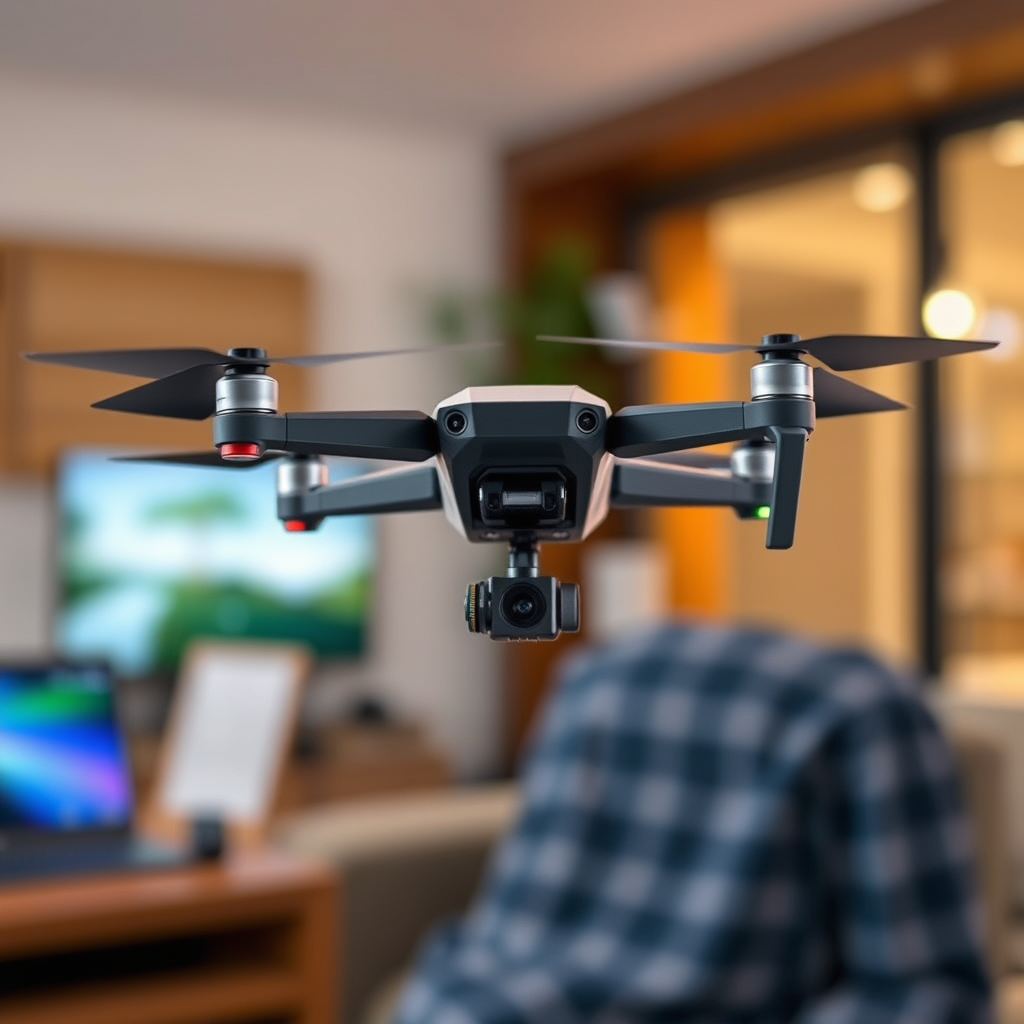
Using a lithium-ion battery in your DJI drone is not only possible but is also often recommended due to its numerous advantages, including lightweight design and efficiency. Lithium-ion batteries are increasingly favored in the drone industry for their high energy density and longevity. In this article, we’ll explore the compatibility of lithium-ion batteries with DJI drones, their benefits, and important safety considerations to ensure optimal performance and safety during operation.
Understanding Lithium-Ion Batteries
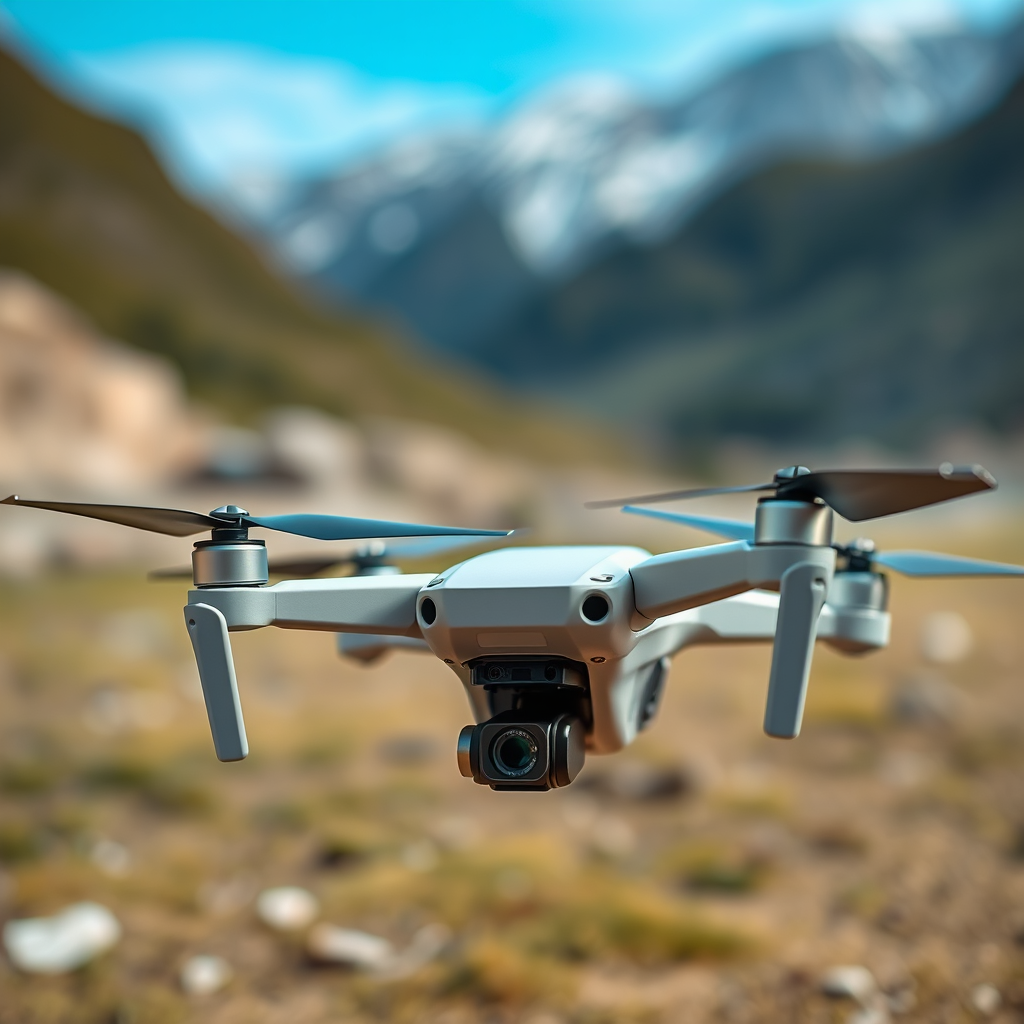
Lithium-ion batteries are a staple in the world of modern electronics, powering everything from smartphones to laptops, and of course, drones. Their appeal lies in their high energy density, which means they can store more energy in a smaller space compared to other battery types. This characteristic makes them ideal for applications where weight is a critical factor, such as in drones. Additionally, lithium-ion batteries have a long life cycle, allowing them to endure numerous charge and discharge cycles without significant degradation. This quality is particularly advantageous for drone operators who frequently fly and need a reliable power source that won’t diminish quickly over time.
Compatibility with DJI Drones
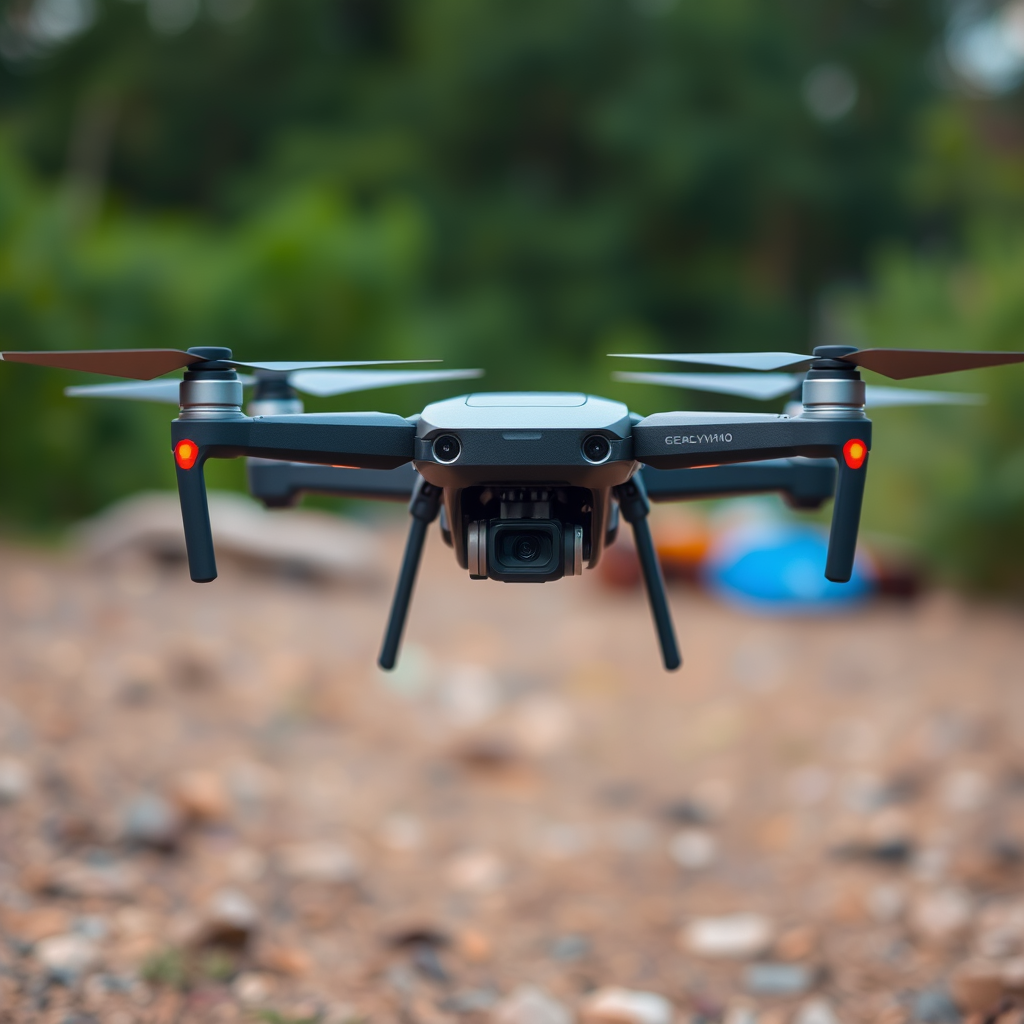
While many DJI models are designed to work with specific battery types, a variety of lithium-ion batteries are compatible with certain models. DJI drones such as the Mavic and Phantom series often come equipped with proprietary batteries; however, some users opt for third-party lithium-ion batteries that offer similar specifications. It is essential to check the user manual or the manufacturer’s guidelines for battery compatibility before making any substitutions. Using a battery that is not specifically designed for your drone can lead to performance issues or even damage, so always prioritize safety and compatibility when selecting a battery.
Benefits of Using Lithium-Ion Batteries
One of the primary advantages of lithium-ion batteries is their lightweight nature. This feature significantly improves drone performance, allowing for enhanced agility and maneuverability in the air. A lighter battery can lead to longer flight times, which is critical for aerial photography, surveying, or any task requiring extended airborne operations. For instance, many lithium-ion batteries can provide an additional 10-20% more flight time compared to traditional lead-acid or nickel-cadmium batteries. Furthermore, lithium-ion batteries maintain their voltage level more consistently during discharge, ensuring that your drone operates at optimal performance throughout its flight.
Safety Considerations
Safety is paramount when handling lithium-ion batteries, especially in drone applications. Proper handling and storage practices are essential to avoid risks such as overheating, swelling, or, in the worst-case scenario, combustion. Always store batteries in a cool, dry place and avoid exposing them to extreme temperatures. Additionally, it’s crucial to use batteries that meet DJI specifications, as third-party batteries may lack the necessary safety features. Regularly inspecting your battery for signs of wear, such as physical damage or unusual heat during charging, can help prevent safety issues and ensure reliable performance.
Alternatives to Lithium-Ion Batteries
While lithium-ion batteries are popular, other battery types, such as Lithium Polymer (LiPo) batteries, are also commonly used in drones. LiPo batteries are known for their ability to discharge high currents, making them suitable for high-performance drones. They typically offer higher discharge rates compared to lithium-ion batteries, which can be advantageous for racing or acrobatic drones. However, LiPo batteries tend to be heavier and may not provide the same longevity as lithium-ion options. When considering alternatives, it is essential to evaluate the specific requirements of your DJI model, as well as the nature of your drone activities, to determine the most suitable battery type.
Maintenance Tips for Lithium-Ion Batteries
To maximize the lifespan and performance of your lithium-ion batteries, it is vital to follow best practices for charging and storage. Always use the charger recommended by DJI or the battery manufacturer to avoid damage. Overcharging or using incompatible chargers can lead to battery failure. It’s also advisable to store batteries at a charge level of around 40-60% if they will not be used for an extended period, as this helps retain capacity. Monitoring for signs of battery wear, such as reduced capacity or physical deformities, is crucial; if you notice any, it may be time to replace the battery to ensure safe and efficient drone operation.
Frequently Asked Questions
Can I use any lithium-ion battery in my DJI drone?
Not all lithium-ion batteries are compatible with every DJI model. Always refer to your drone’s user manual to confirm compatibility.
Will using a non-DJI battery void my warranty?
Using third-party batteries may void your warranty if they cause damage to the drone. It is best to use DJI-approved batteries for optimal safety and performance.
How long can I expect a lithium-ion battery to last?
The lifespan of a lithium-ion battery can vary, but with proper care, it can often last between 300 to 500 charge cycles before significant capacity loss.
Summarizing the key points, using a lithium-ion battery in your DJI drone is feasible and often beneficial, provided you ensure compatibility and follow safety guidelines. Their lightweight design and efficiency make them a valuable choice for many drone operators. If you have further questions or need assistance, consult your drone’s user manual or reach out to DJI support for expert advice.
Frequently Asked Questions
Can I use a third-party lithium-ion battery for my DJI drone?
Yes, you can use a third-party lithium-ion battery for your DJI drone, but it’s essential to ensure that it is compatible with your specific drone model. Third-party batteries may vary in quality, and using a non-DJI battery can void your warranty or lead to performance issues. Always check user reviews and opt for brands that have a good reputation in the drone community to ensure safety and reliability.
How long does a lithium-ion battery last in a DJI drone?
The lifespan of a lithium-ion battery in a DJI drone typically ranges from 300 to 500 charge cycles, translating to about 1 to 2 years of use, depending on how often you fly. Factors such as temperature, storage conditions, and charging habits can significantly impact battery longevity. For optimal performance, it’s advisable to store batteries in a cool, dry place and avoid letting them fully discharge regularly.
Why does my DJI drone battery deplete faster than expected?
Several factors can cause your DJI drone’s lithium-ion battery to deplete faster than expected, including high temperatures, heavy payloads, or aggressive flying maneuvers. Additionally, older batteries may not hold a charge as well as new ones, leading to reduced flight times. To mitigate this, ensure your battery is well-maintained, avoid flying in extreme conditions, and regularly calibrate your drone’s battery management system.
What is the best lithium-ion battery for a DJI drone?
The best lithium-ion battery for your DJI drone will depend on your specific model. For most DJI drones, the original manufacturer’s batteries, such as the DJI Intelligent Flight Battery, are recommended because they are designed for optimal performance and safety. However, if you’re looking for alternatives, consider reputable brands like Tattu or Venom that offer high-capacity batteries compatible with your DJI model.
Which factors should I consider when buying a lithium-ion battery for my DJI drone?
When purchasing a lithium-ion battery for your DJI drone, consider compatibility, capacity, and safety features. Ensure the battery is specifically designed for your drone model to avoid any operational issues. Additionally, look for batteries with a higher mAh rating for extended flight times, and prioritize options that come with built-in safety mechanisms like overcharge protection and temperature monitoring to enhance safety during use.
References
- Lithium-ion battery
- https://www.faa.gov/uas/getting_started/part_107/
- https://www.dji.com/us/fly-safe/learn/what-is-a-lithium-battery
- https://safewise.com/resources/drone-battery-guide/
- https://www.nist.gov/news-events/news/2019/04/nist-releases-new-guidelines-drones-and-batteries
- https://www.ianrpubs.unl.edu/epublic/live/g1815/build/g1815.pdf
