
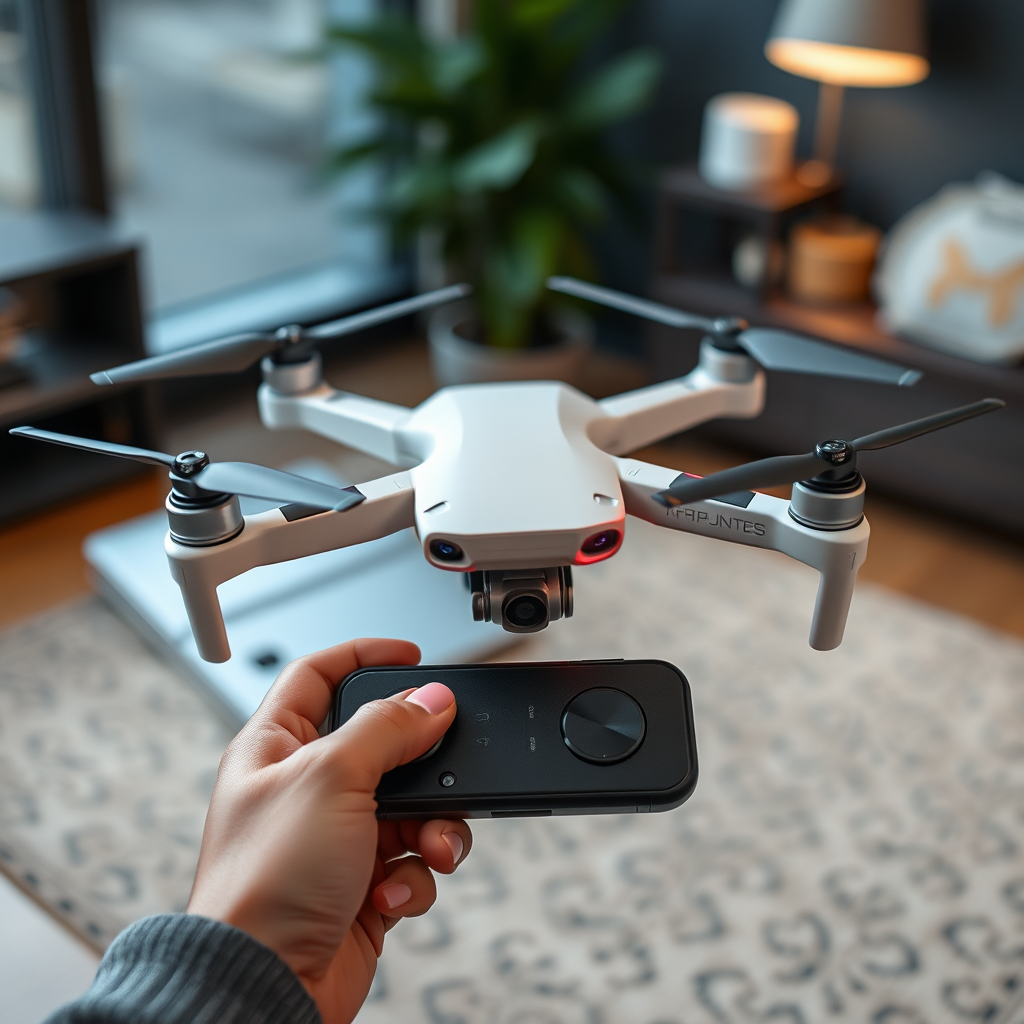
While it is technically possible to use a non-DJI remote with a DJI drone, it often involves significant challenges and limitations. The primary reason for this is that DJI drones are designed to integrate seamlessly with DJI remotes, which can lead to compatibility issues when attempting to use third-party options. In this article, we will explore the compatibility issues, available alternatives, and the implications of using a third-party remote. You’ll learn what to consider before making the switch.
Compatibility of Non-DJI Remotes with DJI Drones
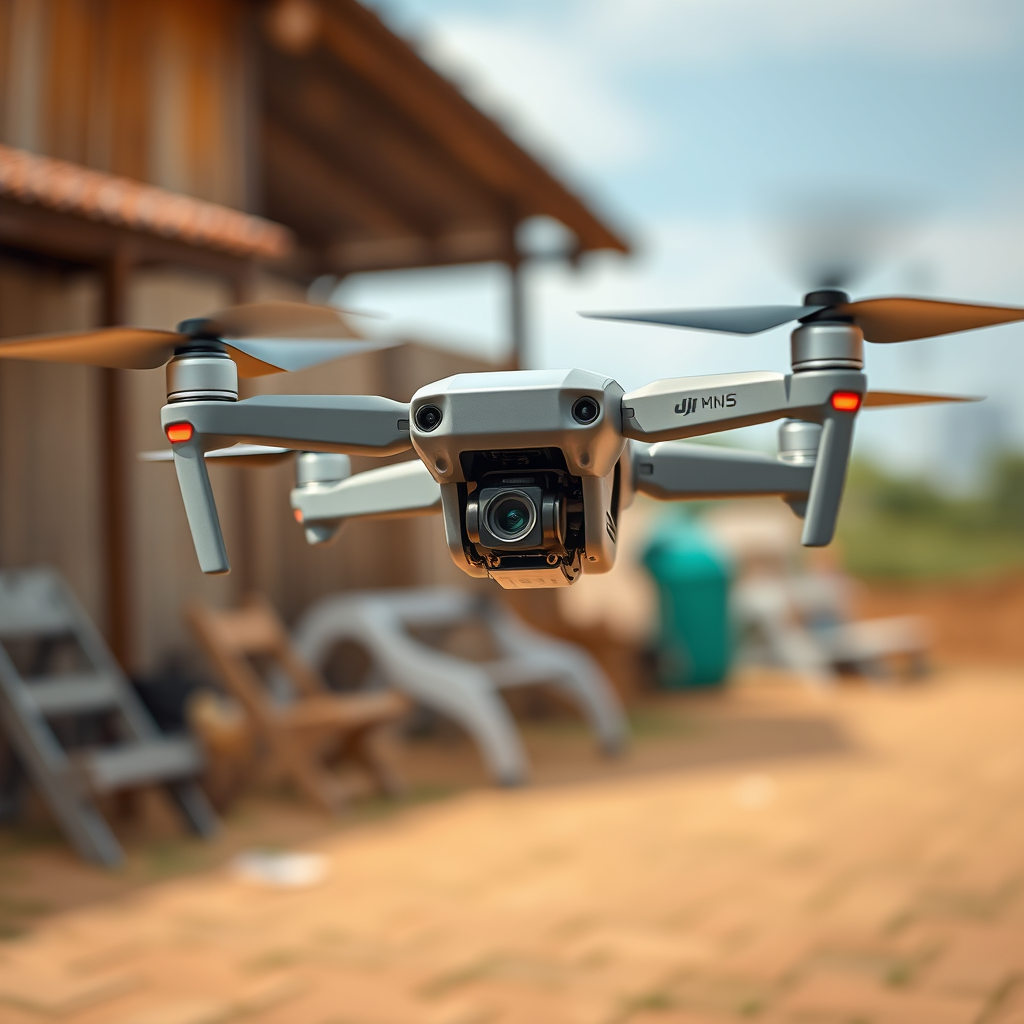
Most DJI drones are designed with proprietary technology that limits their operation to DJI remotes. This exclusivity is rooted in the need for optimal performance, safety, and the integration of advanced features that non-DJI remotes may not support. For instance, features like DJI’s Intelligent Flight Modes, advanced obstacle avoidance systems, and real-time telemetry data are tightly integrated with their remote controllers.
When attempting to use a non-DJI remote, users may find that additional modifications or software installations are necessary to make the drone respond. This could involve installing custom firmware or using specific apps that bridge the compatibility gap. However, these modifications can be complex and may not guarantee full functionality. Many users have reported mixed results, with some remotes only able to control basic flight functions while failing to operate advanced features.
Potential Advantages of Using a Non-DJI Remote
Despite the compatibility challenges, there are potential advantages to using a non-DJI remote that may appeal to certain users.
One significant factor is cost savings. Non-DJI remotes are often priced lower than official DJI remotes, providing a more budget-friendly option for casual users or those who may not need all the advanced features of a DJI controller. This can be particularly beneficial for hobbyists or those just starting in the drone space.
Additionally, many third-party remote controllers come with customizable features that can enhance the flying experience. For instance, some remotes allow users to program their controls, assign functions to various buttons, or even adjust sensitivity settings, offering a degree of personalization that DJI remotes may not provide. This flexibility can make flying more intuitive and enjoyable for seasoned pilots.
Challenges of Using Non-DJI Remotes
While there are advantages, the challenges of using a non-DJI remote can be significant.
One of the primary concerns is limited functionality. Non-DJI remotes may not support all the features and capabilities of the drone, such as advanced flight modes, intelligent obstacle avoidance, or specific camera controls. Users may find that they are unable to access features that enhance their flying experience or that they rely on for safety during complex maneuvers.
Another critical issue is the risk of damaging the drone. Incompatible remotes can lead to erratic behavior, such as unresponsive controls or unexpected drone movements, which could result in crashes or hardware damage. The risk of a malfunctioning remote could not only endanger the drone but also pose a safety hazard to people and property in the vicinity during flight operations.
Popular Non-DJI Remote Options
For those still interested in exploring non-DJI remote options, several brands and models claim compatibility with DJI drones. Some popular choices include the FrSky Taranis series, FlySky, and the Spektrum line of remotes. These remotes often come with various features, including programmable switches and customizable control layouts that may appeal to advanced users.
User experiences vary widely when it comes to the effectiveness and reliability of these remotes. While some users praise the performance of third-party controllers, others report connectivity issues, lack of functionality, or even complete incompatibility with their DJI drones. It’s essential to research user reviews and testimonials to understand the real-world performance of these remotes before making a purchase.
Legal and Warranty Considerations
Using a non-DJI remote can have legal and warranty implications that users should consider carefully. One major risk is that using third-party equipment may void the warranty of the drone. DJI’s warranty policy generally covers only equipment that has been used as intended, and modifications to the drone’s control system can lead to disputes if repairs are needed.
Additionally, users must be aware of local regulations regarding drone operation. Many jurisdictions have specific laws governing the use of drones, and using non-standard equipment may not comply with those regulations. Engaging with local authorities or legal resources can help clarify what is permissible in your area and avoid potential fines or legal issues.
Community Insights and User Experiences
The drone community is a valuable resource for insights and experiences related to using non-DJI remotes. Many enthusiasts share anecdotes about their attempts to integrate third-party remotes, highlighting both successes and failures. Some users have successfully modified their DJI drones to work with non-DJI remotes, often through extensive research and trial-and-error.
Experienced users recommend considering the intended use of the drone before making the switch. For casual users or those who prioritize ease of use, sticking with the official DJI remote may be the best choice. However, for advanced pilots looking to tailor their flying experience, exploring non-DJI options could prove worthwhile if they are willing to navigate the associated risks.
In summary, while it is possible to use a non-DJI remote with a DJI drone, it comes with various risks and limitations that you need to weigh carefully. The challenges of compatibility, functionality, and potential damage must be considered against the benefits of cost savings and customization. If you’re considering this option, be sure to do thorough research, consult with the drone community, and evaluate your needs to make an informed decision.
Frequently Asked Questions
Can I use a non-DJI remote controller with my DJI drone?
Using a non-DJI remote controller with DJI drones is generally not supported, as DJI’s software and hardware are specifically designed to work with their proprietary controllers. Attempting to pair a non-DJI remote may result in compatibility issues, loss of functionality, or even damage to the drone. If you’re looking for advanced control options, consider using DJI’s own range of controllers or check for third-party options that are specifically designed for compatibility with DJI models.
What are the risks of using a third-party remote with a DJI drone?
The primary risks of using a third-party remote controller with a DJI drone include the potential for loss of control, diminished range, and failure to access vital features such as GPS and intelligent flight modes. Additionally, using non-approved equipment could void the warranty of your drone, leaving you vulnerable to repair costs. It’s essential to carefully weigh these risks before attempting to fly with alternative controllers.
How can I improve the range of my DJI drone’s remote controller?
To improve the range of your DJI drone’s remote controller, ensure that both the drone and remote firmware are updated to the latest versions, as updates often include enhancements to transmission range and stability. Additionally, consider using a high-gain antenna or signal booster, and always fly in open areas away from obstacles that can interfere with the signal. Maintaining a direct line of sight between the drone and the controller can also greatly enhance communication range.
Why do DJI drones require their specific remote controllers?
DJI drones require their specific remote controllers because they are designed to work seamlessly with the drone’s software and hardware systems, ensuring optimal performance and safety. DJI’s proprietary technology includes advanced features like obstacle detection, intelligent flight modes, and real-time telemetry data, all of which are integrated into their controllers. Using a non-DJI remote could compromise these systems and lead to performance issues.
Which DJI drones are compatible with third-party remote controllers?
While most DJI drones are optimized for use with their proprietary controllers, some models may have limited compatibility with certain third-party remotes designed specifically for those drones. For instance, certain racing drones, like the DJI FPV, may work with select non-DJI controllers, but functionality can vary widely. Always check the compatibility details from the manufacturer of the third-party remote before making a purchase to avoid any disappointing experiences.
References
- Drone
- https://www.theguardian.com/technology/2021/jul/15/dji-drone-technology-explained
- https://www.faa.gov/uas/getting_started/remote_pilot/
- https://www.techradar.com/news/dji-drone-remote-controller-compatibility-explained
- https://www.reuters.com/technology/dji-launches-new-drone-controller-2022-08-23/
- https://www.wired.com/story/how-drone-remote-controls-work/
