
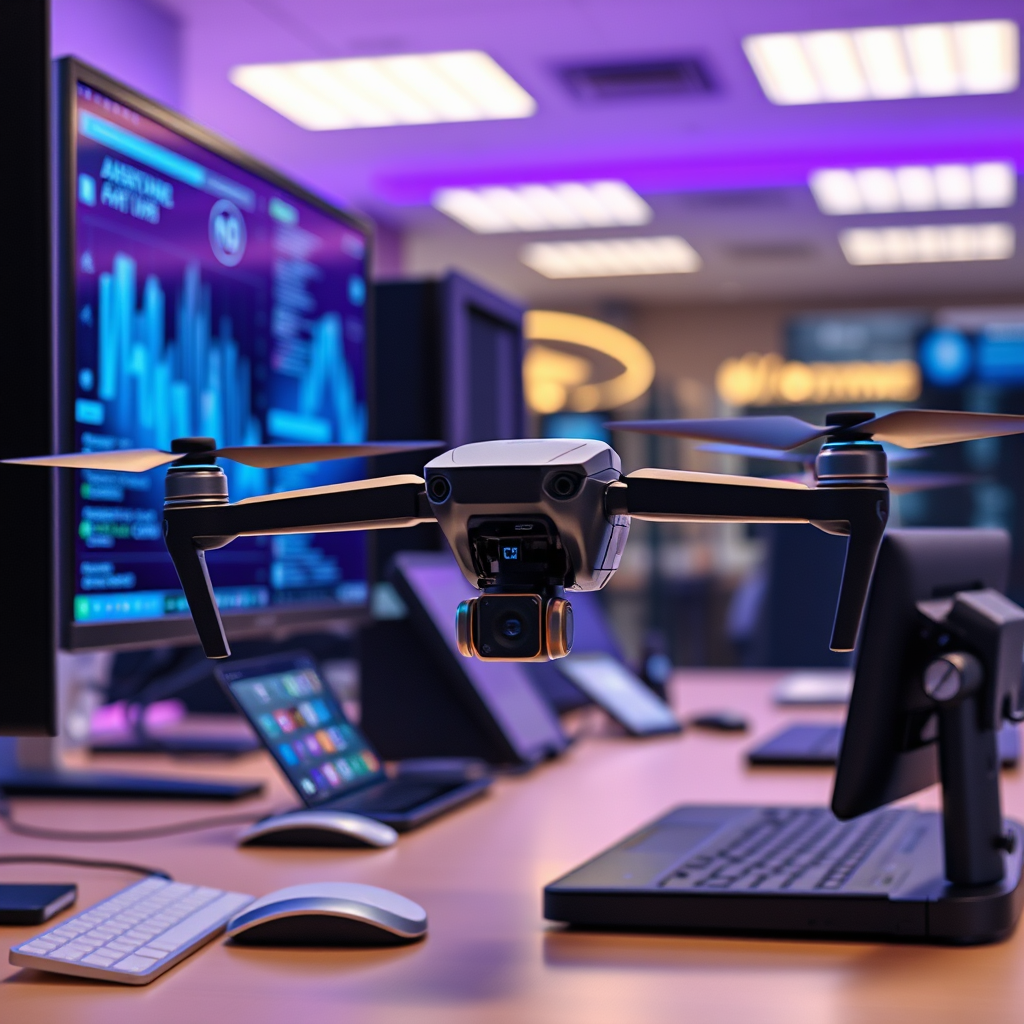
The growth of AI-powered drones is transforming industries like agriculture, delivery, and surveillance in 2023. This year, advancements in autonomous navigation, enhanced data analytics, and improved battery life are leading the charge. Readers will discover the latest innovations and trends shaping the future of drone technology, showcasing how these advancements are revolutionizing operations across various sectors.
Advancements in Autonomous Navigation
One of the most significant breakthroughs in drone technology is the development of sophisticated AI algorithms that enable drones to navigate complex environments autonomously. In 2023, these algorithms have evolved to recognize and adapt to dynamic surroundings, allowing drones to operate in areas with varying obstacles without requiring human intervention. For instance, drones used in urban delivery services are now capable of identifying pedestrians, vehicles, and other potential hazards, thereby ensuring safe operation in crowded spaces.
Additionally, improved obstacle avoidance systems have enhanced the safety and efficiency of drone operations. By utilizing advanced sensors and real-time data processing, drones can effectively navigate through tight spaces, such as construction sites or densely populated urban areas. This not only mitigates risks but also increases the operational versatility of drones, making them suitable for a broader range of applications.
The implications of these advancements are profound, as businesses can now deploy drones in scenarios that were previously too risky or complex, ultimately leading to increased productivity and cost savings.
Enhanced Data Analytics Capabilities

AI-powered drones are not just flying machines; they are sophisticated data-gathering tools equipped to analyze vast amounts of information in real time. With the integration of advanced data analytics capabilities, drones can provide actionable insights that are invaluable for decision-making processes. For example, drones equipped with multispectral sensors can monitor crop health by analyzing various wavelengths of light. This allows farmers to identify issues such as nutrient deficiencies or pest infestations early, enabling timely interventions that optimize crop yields.
Moreover, predictive analytics is becoming a game changer for businesses across industries. By leveraging historical data and real-time analytics, organizations can forecast trends, optimize operations, and improve efficiency. For instance, logistics companies are utilizing drone-collected data to streamline their delivery routes, reducing transit times and costs. This integration of AI-driven analytics not only enhances operational efficiency but also empowers businesses to make informed, strategic decisions based on comprehensive data assessments.
Improved Battery Life and Efficiency
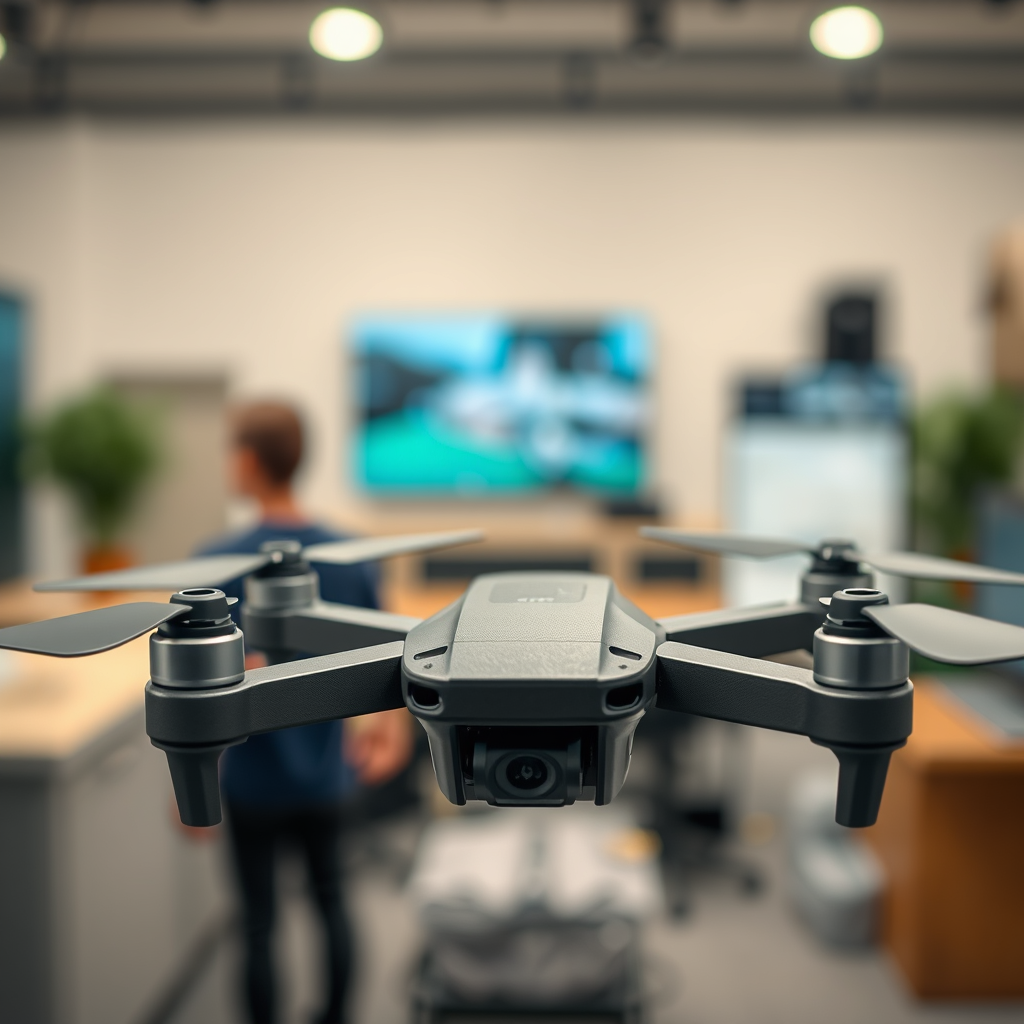
The evolution of battery technology is a pivotal factor in the wider adoption of AI-powered drones. This year, several innovative battery solutions have emerged, significantly extending flight times and allowing drones to cover larger areas in a single trip. For instance, advancements in lithium-sulfur batteries offer higher energy densities compared to traditional lithium-ion batteries, leading to longer operational durations and enhanced performance.
Furthermore, energy-efficient designs are not only contributing to increased flight times but are also aligning with sustainability goals. As organizations face growing pressure to reduce their carbon footprints, the development of drones that consume less energy is crucial. With longer-lasting batteries and more efficient energy consumption, companies can lower their operational costs while maintaining high performance. This is particularly significant in industries like agriculture and logistics, where the ability to conduct extensive monitoring or delivery without frequent recharging can lead to substantial operational efficiencies.
Applications in Various Industries
The versatility of AI-powered drones has opened new frontiers in various sectors, particularly in agriculture and logistics. In agriculture, drones are revolutionizing how farmers approach crop management and yield optimization. These aerial machines allow for detailed monitoring of crops, assessing factors such as growth patterns, soil health, and irrigation needs. By providing farmers with precise data, drones are helping to maximize yields while minimizing resource usage, thereby promoting sustainable farming practices.
In the logistics sector, the utilization of drones for rapid parcel delivery has gained significant traction. Companies like Amazon and DHL have implemented drone delivery systems that drastically reduce shipping times compared to traditional methods. By leveraging AI technology, these drones can navigate complex urban landscapes and deliver packages directly to customers’ doorsteps, improving customer satisfaction and operational efficiency. As this trend continues to grow, we can expect to see further innovations in drone-based delivery systems that enhance speed and reliability.
Regulatory Changes and Challenges
As the technology surrounding AI-powered drones evolves, so too do the regulatory frameworks that govern their use. In 2023, authorities are adapting regulations to ensure public safety and privacy while fostering innovation. For instance, the Federal Aviation Administration (FAA) in the United States has introduced new guidelines that facilitate the integration of drones into national airspace, promoting the use of commercial drones while addressing safety concerns.
However, challenges remain. Industry stakeholders are advocating for clearer and more streamlined guidelines to facilitate the deployment of drones without compromising security. Issues such as air traffic management, privacy rights, and insurance liabilities are key areas of concern that need to be addressed in order for the drone industry to reach its full potential. Engaging with policymakers and participating in discussions about the future of drone regulation will be essential for businesses looking to harness the benefits of this technology.
The Future of AI-Powered Drones
Looking ahead, the future of AI-powered drones appears promising, with predictions suggesting that the integration of AI will lead to even more sophisticated drones capable of performing complex tasks. Ongoing research into drone swarm technology has the potential to revolutionize various fields, such as search and rescue operations, where multiple drones can work together to cover vast areas efficiently and effectively.
Moreover, advancements in machine learning and computer vision could enable drones to conduct more intricate analyses and perform tasks autonomously, further reducing the need for human oversight. As industries continue to explore the applications of AI-driven drones, we can expect significant developments that could redefine operational capabilities across sectors, from disaster response to environmental monitoring.
The rapid advancements in AI-powered drones this year signal an exciting future for various sectors. With improvements in navigation, data analytics, and battery efficiency, these drones are set to redefine the way we operate across industries. As organizations embrace these innovations, they will not only enhance their operational capabilities but also contribute to a more sustainable and efficient future. Stay informed and explore how these innovations can impact your field or interests!
Frequently Asked Questions
What are the key advancements in AI-powered drones in 2023?
In 2023, AI-powered drones have seen significant advancements in autonomous navigation, obstacle avoidance, and enhanced data analytics capabilities. These improvements stem from sophisticated algorithms allowing drones to analyze their environment in real-time, making smarter flight decisions, and improving safety during operations. Additionally, the integration of machine learning enables drones to learn from previous flights, enhancing their efficiency and effectiveness in various applications, such as agriculture, surveillance, and delivery.
How are AI-powered drones being used in agriculture this year?
This year, AI-powered drones are revolutionizing agriculture by providing farmers with precise crop monitoring, health assessments, and yield predictions. Equipped with advanced sensors and imaging technology, these drones can analyze soil conditions, detect pests, and map out crop health, enabling farmers to make data-driven decisions. By utilizing AI algorithms, drones can also optimize the application of fertilizers and pesticides, ultimately leading to increased crop yields and reduced environmental impact.
Why should businesses invest in AI-powered drones in 2023?
Businesses should consider investing in AI-powered drones in 2023 due to their ability to streamline operations, reduce costs, and enhance data collection processes. Drones equipped with AI technology can perform tasks such as surveying, inspections, and logistics more efficiently than traditional methods, saving time and labor costs. Furthermore, the rich data insights generated by these drones can help businesses make informed decisions, improve operational efficiencies, and gain a competitive edge in their industries.
Which industries are adopting AI-powered drones the fastest in 2023?
In 2023, industries such as agriculture, construction, logistics, and emergency services are rapidly adopting AI-powered drones. The agricultural sector benefits from enhanced crop monitoring and pest control, while the construction industry uses drones for site surveying and progress tracking. Logistics companies are leveraging drones for last-mile delivery solutions, and emergency services utilize them for search and rescue operations. This widespread adoption highlights the versatility and value AI-powered drones bring across various fields.
What are the potential challenges of using AI-powered drones this year?
Despite their benefits, the use of AI-powered drones in 2023 comes with several challenges, including regulatory hurdles, privacy concerns, and technical limitations. Navigating the complex landscape of drone regulations can be daunting for businesses, as compliance varies by region and application. Additionally, the collection and storage of data raise privacy issues, particularly in urban areas. Technical challenges, such as battery life and signal reliability, also remain obstacles that companies must address to fully leverage the potential of AI-powered drones.
References
- Drone
- https://www.nytimes.com/2023/05/15/technology/drone-technology-ai.html
- https://www.reuters.com/technology/ai-powered-drones-are-changing-war-2023-04-12/
- https://www.bbc.com/news/technology-65031878
- https://www.sciencedirect.com/science/article/pii/S2352864821001234
- https://www.nasa.gov/feature/nasa-s-ai-drones-are-getting-smarter
- https://www.wired.com/story/the-future-of-drones-is-ai/
- https://www.iarpa.gov/index.php/research-programs/airborne-drones
- https://www.itu.int/en/ITU-T/focusgroups/ai/Pages/default.aspx
