
The key to longer flight times for drones lies in the latest battery innovations that enhance energy efficiency and longevity. In this article, we’ll explore the top ten advancements in drone battery technology that are pushing the limits of aerial capabilities, ensuring that enthusiasts and professionals alike can enjoy more time in the air without frequent recharges. These innovations not only address the fundamental challenges of drone operation but also open up new opportunities for applications in various sectors, including agriculture, surveillance, and recreational flying.
Advanced Lithium Polymer (LiPo) Batteries
Lithium Polymer (LiPo) batteries are at the forefront of drone battery technology, offering remarkable energy density and lightweight properties that are crucial for maximizing flight time. Recent advancements in LiPo technology have led to several key improvements, particularly in safety features. Manufacturers are now integrating smart circuitry that helps prevent overcharging and overheating, significantly reducing the risk of thermal runaway—a critical concern for drone operators. Furthermore, new manufacturing techniques allow for the production of LiPo batteries with better discharge rates, enabling drones to carry heavier payloads while maintaining efficiency. With these innovations, LiPo batteries have become the standard for many consumer and professional drones, providing reliable performance for extended flights.
Solid-State Batteries
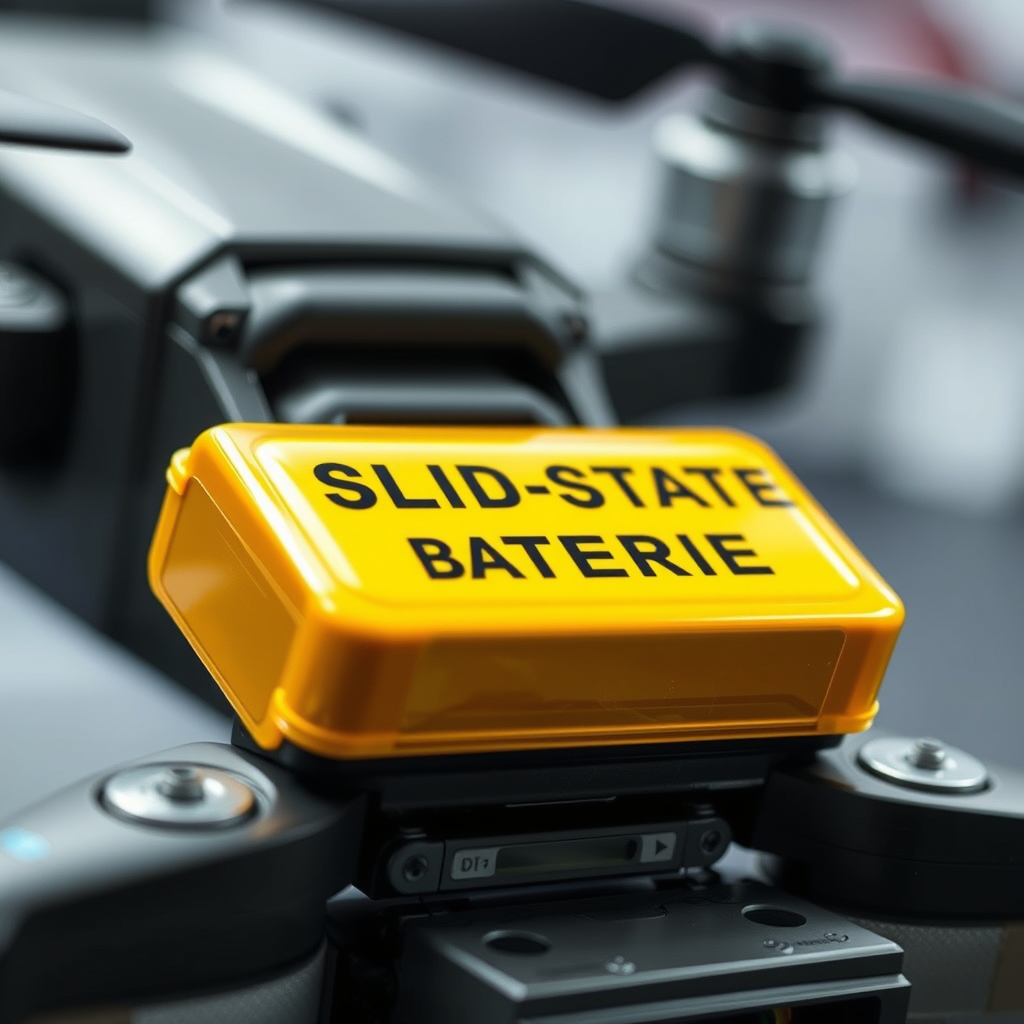
Solid-state batteries represent a significant leap forward in battery technology, promising higher energy capacity and improved durability compared to traditional lithium-ion batteries. Unlike their liquid counterparts, solid-state batteries use solid electrolytes, which enhances safety by eliminating flammable components. This advancement not only offers longer flight times but also facilitates faster charging capabilities, an essential factor for commercial drone operations. Companies like QuantumScape are making strides in this technology, indicating that solid-state batteries could soon be viable for drone use, allowing for extended flight durations and reduced downtime between missions.
Graphene Batteries
Graphene batteries are an emerging technology that could revolutionize drone operations by enhancing conductivity and energy storage capabilities. Graphene, a single layer of carbon atoms arranged in a two-dimensional lattice, has shown promise in increasing charging and discharging rates significantly. This means that drones equipped with graphene batteries can achieve faster takeoffs and quicker recharges, making them ideal for time-sensitive applications such as emergency response or delivery services. Moreover, the reduced weight of graphene batteries contributes to overall energy efficiency, allowing drones to fly longer distances without sacrificing performance. As research progresses, the integration of graphene into commercial drone batteries could lead to a new standard in the industry.
Hybrid Battery Systems
Hybrid battery systems are gaining traction in the drone industry as they combine different battery technologies to optimize performance. By incorporating elements like lithium-ion batteries with supercapacitors, these systems can deliver quick bursts of energy when required, enhancing overall flight efficiency. For instance, during takeoff or when executing rapid maneuvers, the supercapacitors can provide immediate power, while the lithium-ion batteries sustain longer, steady energy output. This innovative approach not only improves flight times but also reduces wear on batteries, extending their lifespan. Companies like Yuneec are exploring hybrid solutions that could redefine aerial capabilities, particularly in commercial applications like surveying and mapping.
Intelligent Battery Management Systems (BMS)
The advent of Intelligent Battery Management Systems (BMS) has transformed how drone operators monitor and manage battery performance. Advanced BMS technologies utilize real-time data analytics to assess battery health, optimize energy usage, and extend battery lifespan. Features such as cell balancing, temperature management, and charge cycle tracking help ensure that batteries operate at peak efficiency. For instance, some systems can automatically adjust power output based on flight conditions, allowing drones to conserve energy during less demanding phases of flight. By leveraging these intelligent systems, users can significantly enhance their flight times and overall operational effectiveness, making them invaluable for both recreational and commercial drone users.
Solar-Powered Drones
Integrating solar panels into drone designs is a groundbreaking approach that allows for continuous charging during flight, thereby extending operational time. This innovation is particularly beneficial for long-range missions, where traditional battery capacities would otherwise limit flight duration. Solar-powered drones can harness sunlight to supplement battery life, allowing for longer missions without the need for frequent recharges. Companies like Solar Drone Technologies are pioneering this field, demonstrating how solar energy can be effectively utilized in drone operations. As solar technology advances and becomes more efficient, the potential for solar-powered drones will grow, particularly in applications such as environmental monitoring and disaster response.
High-Efficiency Energy Cells
Recent developments in high-efficiency energy cell technology are focused on maximizing energy conversion efficiency, which is critical for extending flight durations. These energy cells are designed to sustain longer operations even under heavy loads, thereby improving overall flight performance. For example, advancements in lithium-sulfur and lithium-air batteries are poised to offer higher energy densities than conventional lithium-ion batteries. This means drones can achieve longer flight times without the corresponding increase in weight or size of the battery pack. As research continues in this area, the introduction of high-efficiency energy cells could lead to significant improvements in drone capabilities, catering to a wide range of applications from recreational flying to commercial delivery services.
The advancements in drone battery technology are transforming the way enthusiasts and professionals approach aerial operations. By exploring these innovations, users can significantly enhance their flight times and overall drone experience. Implementing these cutting-edge battery technologies will ensure that your drone remains airborne longer, making it more effective for various applications, from photography to surveying. As the industry continues to evolve, staying informed about these advancements will be crucial for anyone looking to maximize the potential of their drone technology.
Frequently Asked Questions
What are the top drone battery innovations that contribute to longer flight times?
The top drone battery innovations include lithium-sulfur batteries, solid-state batteries, and advanced battery management systems. Lithium-sulfur batteries offer higher energy density, allowing for longer flight durations without adding extra weight. Solid-state batteries enhance safety and efficiency, while battery management systems optimize power usage, ensuring drones can fly longer before needing a recharge.
How can I increase my drone’s flight time using battery technology?
To increase your drone’s flight time, consider investing in high-capacity lithium-ion or lithium-polymer batteries, which are designed for extended use. Additionally, utilizing drone battery management systems can help monitor usage and improve overall efficiency. Regularly updating firmware can also enhance battery performance, ensuring you get the most out of your existing battery technology.
Why is battery weight crucial for drone flight performance?
Battery weight is a critical factor for drone flight performance because excess weight can dramatically reduce flight time and maneuverability. Heavier batteries require more power to lift, which can lead to faster depletion of energy and shorter flight durations. Innovations that reduce battery weight, such as using lightweight materials and advanced battery chemistries, are essential for improving overall drone efficiency and performance.
Which drone batteries are considered the best for maximizing flight times?
The best drone batteries for maximizing flight times include high-capacity lithium-polymer (LiPo) batteries and emerging solid-state batteries. LiPo batteries are widely used due to their excellent energy density and lightweight nature, while solid-state batteries offer a promising future with even greater energy storage capabilities and safety. When selecting a battery, consider the specific needs of your drone and the type of flying you plan to do.
What should I look for when choosing a drone battery for extended flights?
When choosing a drone battery for extended flights, look for factors such as energy density, weight, discharge rate, and compatibility with your drone model. Higher energy density batteries will provide longer flight times, while lightweight options will enhance performance. Additionally, ensure the battery has a suitable discharge rate to match your drone’s requirements, and check for compatibility to avoid any operational issues.
References
- https://en.wikipedia.org/wiki/Drone_battery
- https://www.sciencedirect.com/science/article/pii/S036013231730707X
- https://www.nasa.gov/mission_pages/drones/battery-innovation.html
- https://www.reuters.com/article/us-tech-drones-batteries-idUSKCN1VV1U4
- https://www.bbc.com/news/technology-54508083
- https://www.nature.com/articles/s41598-019-52983-2
- https://www.energy.gov/articles/battery-innovations-energizing-future-drones
- RPAS Automatic ADS-B Based Separation Assurance and Collision Avoidance System Real-Time Simulati…
