
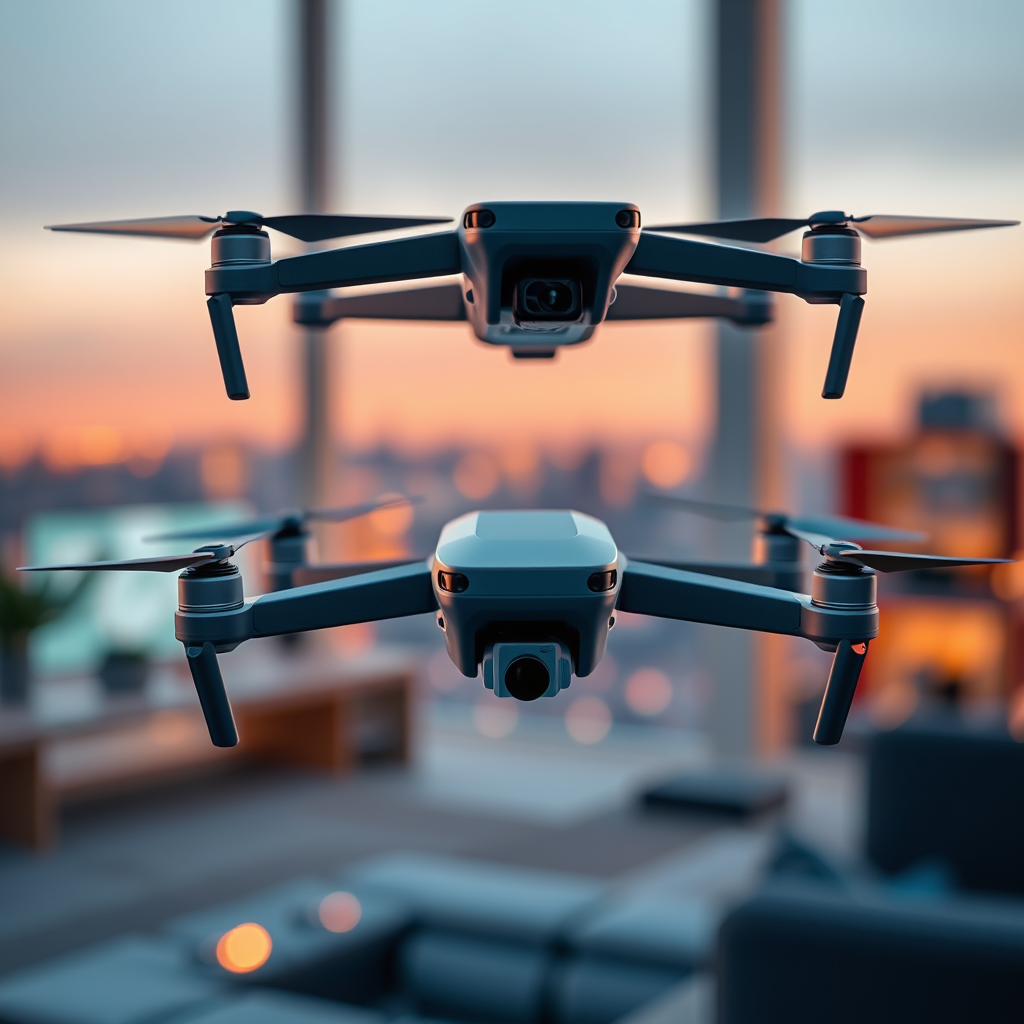
Quantum sensors are set to revolutionize drone navigation by providing unmatched accuracy and reliability. By harnessing the unique principles of quantum mechanics, these advanced sensors significantly enhance a drone’s positioning and measurement capabilities. This leap in technology not only improves operational efficiency but also broadens the scope of applications for drones across various sectors. In this article, we will delve into the fundamental workings of quantum sensors, their benefits, diverse applications, and the challenges ahead as this technology reshapes drone navigation.
Understanding Quantum Sensors

Quantum sensors are cutting-edge devices that utilize quantum phenomena, such as entanglement and superposition, to achieve remarkable sensitivity. Unlike traditional sensors that rely on classical physics, quantum sensors exploit the behavior of particles at a quantum level. For example, atomic interferometry, a technique used in quantum sensors, enables the detection of minute changes in gravitational fields, magnetic fields, and even temperature variations. This high sensitivity translates into improved precision for navigation systems, allowing drones to operate more effectively in complex environments.
The ability to detect minor fluctuations in environmental conditions means that quantum sensors can provide real-time feedback on a drone’s position relative to its surroundings. This capability is particularly valuable in areas where conventional sensors struggle, such as dense urban landscapes or remote locations where satellite signals may be weak or non-existent. By integrating quantum sensors into their systems, drones can achieve a higher level of autonomous navigation, making them more versatile and capable.
Benefits of Quantum Sensors in Drone Navigation
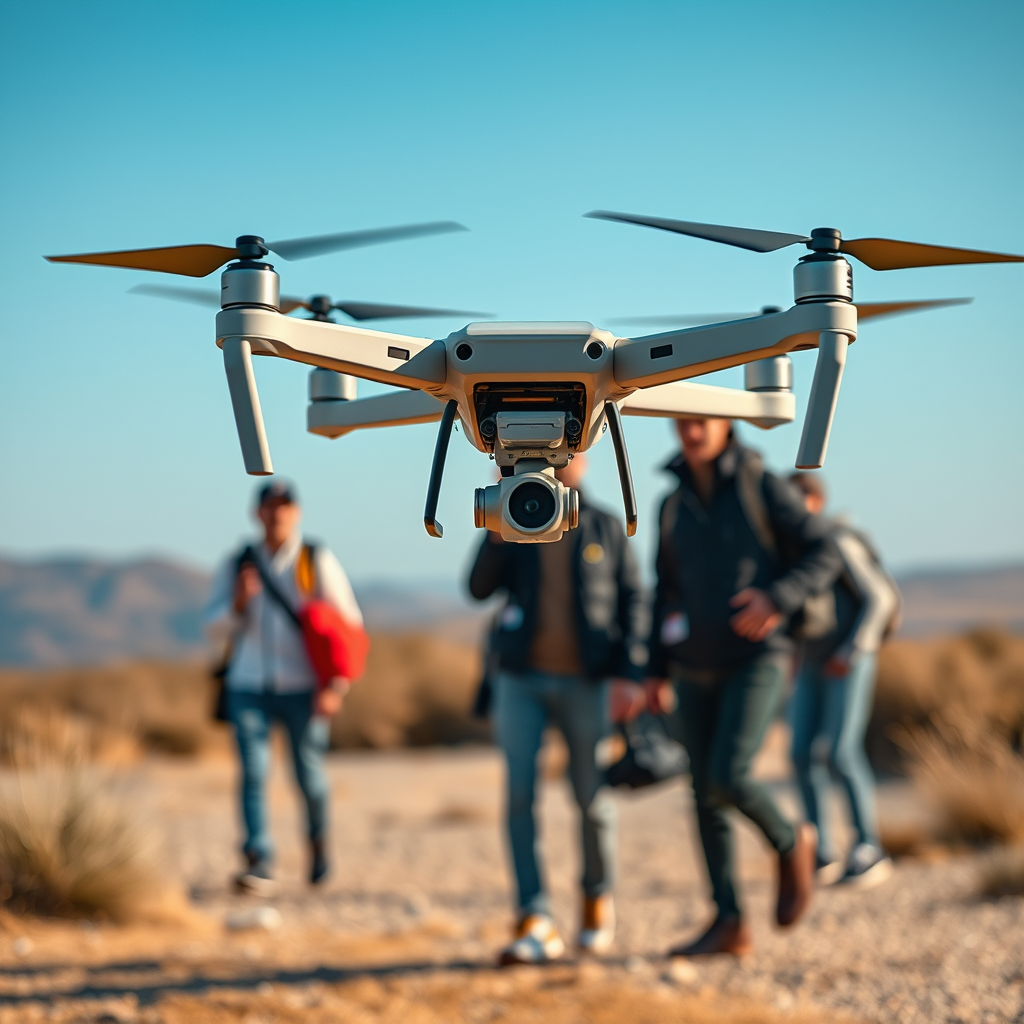
One of the primary advantages of quantum sensors in drone navigation is enhanced accuracy. Traditional navigation systems, such as GPS, often face challenges due to signal interference, multipath effects, and atmospheric conditions. Quantum sensors, however, can significantly reduce errors in positioning, leading to safer and more reliable flights. For instance, in an urban environment where tall buildings can obstruct GPS signals, quantum sensors can provide precise positioning without reliance on satellite data.
Additionally, the robustness of quantum sensors allows drones to operate in challenging environments where traditional sensors might fail. In scenarios such as search and rescue operations in disaster-stricken areas, drones equipped with quantum sensors can navigate effectively through rubble and debris, locating victims more efficiently than their counterparts relying on conventional navigation systems. This capability not only improves operational success rates but also enhances the safety of drone missions.
Applications for Quantum Sensors in Drones
The potential applications of quantum sensors in drone navigation are vast and varied, spanning both military and commercial sectors. In military and defense operations, enhanced navigation capabilities are crucial for reconnaissance and surveillance missions. Quantum sensors can provide real-time situational awareness and precise targeting information, making drones invaluable assets on the battlefield. For example, during reconnaissance missions, drones equipped with quantum sensors can accurately map terrain and detect enemy movements without revealing their location.
In the commercial sector, precision agriculture stands out as a prime application for quantum sensors. Drones equipped with these advanced sensors can navigate autonomously over farmland, collecting high-resolution data on crop health and soil conditions. This data allows farmers to make informed decisions, optimizing resource use and improving yield. Furthermore, in sectors like infrastructure inspection and environmental monitoring, quantum sensors enable drones to perform detailed assessments with unparalleled accuracy, thus enhancing operational efficiency and effectiveness.
Comparing Quantum Sensors to Traditional Navigation Systems
When comparing quantum sensors to traditional navigation systems, the differences are stark. Traditional GPS systems are susceptible to interference from environmental factors, leading to inaccuracies that can compromise the effectiveness of drone operations. In contrast, quantum sensors are designed to mitigate these limitations. They offer a level of precision that is unattainable with conventional technologies, particularly in GPS-denied environments.
For instance, in densely populated urban areas where GPS signals may be obstructed, quantum sensors can maintain accurate navigation by relying on their innate ability to detect changes in gravitational fields or magnetic signatures. This capability is crucial for applications such as urban mapping, emergency response, and delivery services in metropolitan areas, where reliability and precision are paramount.
Future Trends in Drone Navigation Technology
Looking ahead, the integration of quantum sensors with artificial intelligence (AI) and machine learning holds tremendous potential for the future of drone navigation technology. Ongoing research is focused on developing algorithms that can analyze data from quantum sensors in real-time, enabling smarter navigation solutions. By leveraging AI, drones can adapt to changing environments dynamically, optimizing their flight paths and making autonomous decisions based on real-time data.
Moreover, advancements in the miniaturization of quantum sensors are likely to lead to their widespread adoption in consumer drones. As these sensors become more compact and cost-effective, we can expect an influx of innovative applications in personal and recreational drone use, expanding the market significantly.
Challenges and Considerations
Despite the promising advantages of quantum sensors, several challenges and considerations remain before their widespread implementation in drone navigation. One of the most pressing issues is the cost of quantum sensors, which can be prohibitively high for some applications. While the technology continues to advance and costs decrease, the initial investment may deter smaller operators from adopting these systems.
Additionally, regulatory frameworks will need to evolve to accommodate the unique characteristics of quantum sensor technology. Ensuring safe and compliant drone operations requires a thorough understanding of the technology’s capabilities and limitations. Policymakers must work closely with industry experts to develop regulations that promote innovation while ensuring public safety and privacy.
The integration of quantum sensors into drone navigation systems promises a transformative future characterized by enhanced performance, reliability, and versatility. As this technology matures, it will usher in new possibilities across various sectors, from military applications to commercial uses in agriculture and environmental monitoring. Staying abreast of the latest developments in quantum sensor technology is essential for industry stakeholders, as understanding its implications will be crucial in harnessing its full potential. As we navigate this exciting frontier, the impact of quantum sensors will undoubtedly reshape the landscape of drone navigation, paving the way for innovative solutions and enhanced operational capabilities.
Frequently Asked Questions
What are quantum sensors and how do they improve drone navigation?
Quantum sensors are advanced devices that utilize the principles of quantum mechanics to measure various physical properties with extreme precision. In drone navigation, they enhance capabilities such as GPS-denied environments and low-light conditions by providing accurate data on position, orientation, and distance. This improved accuracy allows drones to navigate more effectively through complex terrains and obstacles, ultimately increasing their operational efficiency in diverse applications.
Why are traditional navigation systems insufficient for modern drones?
Traditional navigation systems, primarily relying on GPS, are often limited by signal availability and accuracy, especially in urban canyons or remote areas. These systems can be vulnerable to interference and may not perform well in adverse weather conditions or complex environments. Quantum sensors, on the other hand, offer higher precision and reliability, enabling drones to operate autonomously and safely in scenarios where GPS signals are weak or nonexistent.
How do quantum sensors enhance the safety and reliability of drone operations?
Quantum sensors significantly enhance safety and reliability by providing real-time, precise measurements of environmental variables and drone position. This allows for better obstacle avoidance and improved situational awareness, reducing the risk of crashes or mishaps. Additionally, their ability to function in challenging conditions ensures that drones can maintain consistent performance, ultimately fostering trust in autonomous drone operations across various industries.
Which industries are likely to benefit the most from quantum sensor technology in drone navigation?
Industries such as agriculture, construction, search and rescue, and environmental monitoring are poised to gain the most from quantum sensor technology in drone navigation. For example, in agriculture, drones can navigate with greater accuracy to monitor crops and distribute resources efficiently. In search and rescue missions, precise navigation capabilities can significantly enhance response times and operational effectiveness in challenging terrains.
What are the potential challenges of implementing quantum sensors in drone technology?
While quantum sensors offer numerous advantages, several challenges must be addressed for successful implementation. These include the high cost of quantum sensor technology, the need for specialized knowledge to operate and maintain these systems, and potential integration issues with existing drone hardware and software. Overcoming these obstacles will be crucial for widespread adoption and maximizing the benefits of quantum sensors in drone navigation.
References
- Quantum sensor
- https://www.nature.com/articles/s41586-019-1580-7
- https://www.sciencedirect.com/science/article/pii/S2213138819301726
- https://www.bbc.com/news/technology-59047692
- https://www.nist.gov/news-events/news/2021/06/quantum-sensors-improve-unmanned-aerial-vehicle-navigation
- https://www.researchgate.net/publication/344812509_Quantum_sensors_for_aerial_navigation_and_computation
- https://www.scientificamerican.com/article/quantum-sensors-will-make-navigation-more-precise/
