
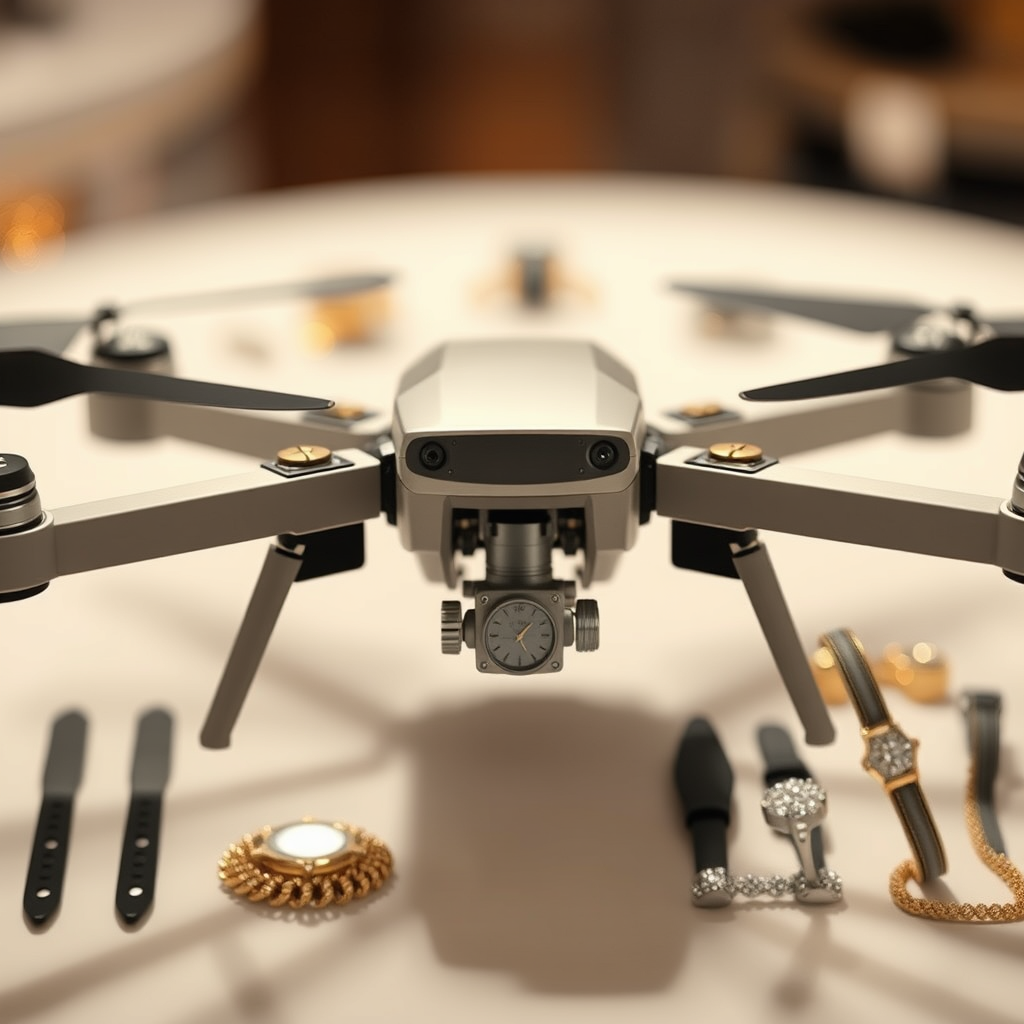
In 2025, drones are sophisticated machines, equipped with cutting-edge technology that significantly enhances their functionality and performance. These high-tech devices are composed of various components, each designed to improve efficiency, versatility, and user experience. Understanding the intricacies of these components not only sheds light on how drones operate but also highlights their diverse applications across different industries.
Airframe and Structure
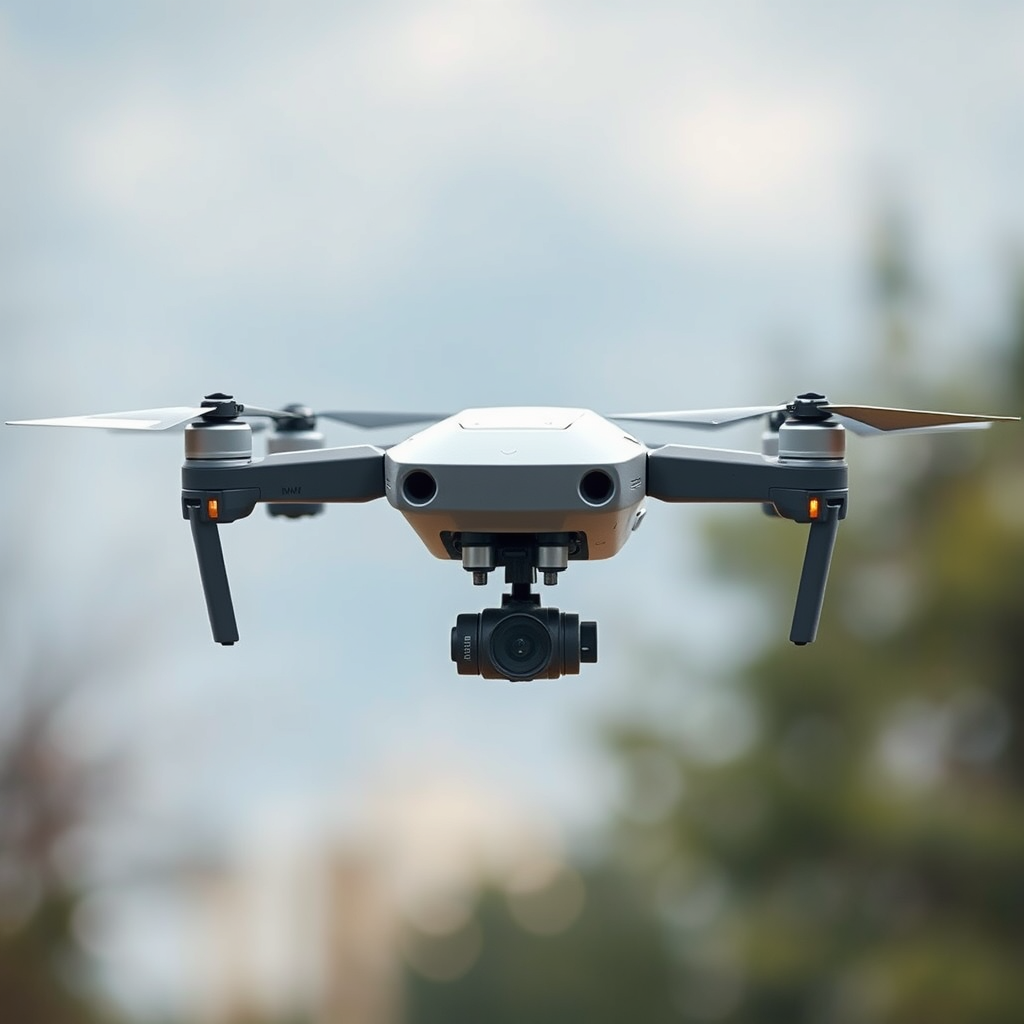
The airframe of a 2025 drone is engineered to provide both durability and lightweight performance. Typically constructed from materials such as carbon fiber or advanced composites, these airframes are designed to withstand the rigors of flight while minimizing weight to optimize efficiency. For instance, carbon fiber offers an excellent strength-to-weight ratio, making it a popular choice among manufacturers. The aerodynamic shapes of these drones are meticulously designed to reduce drag, which allows for longer flight times and improved stability. This design philosophy is crucial, especially for applications requiring extended aerial operations, such as search and rescue missions or long-range agricultural monitoring.
Moreover, the airframe’s structure often includes modular designs, enabling easy repairs and upgrades. This modularity is essential for commercial users who may require specific attachments or sensor configurations for different tasks, ensuring that the drone can be easily adapted to meet varying operational needs.
Propulsion System
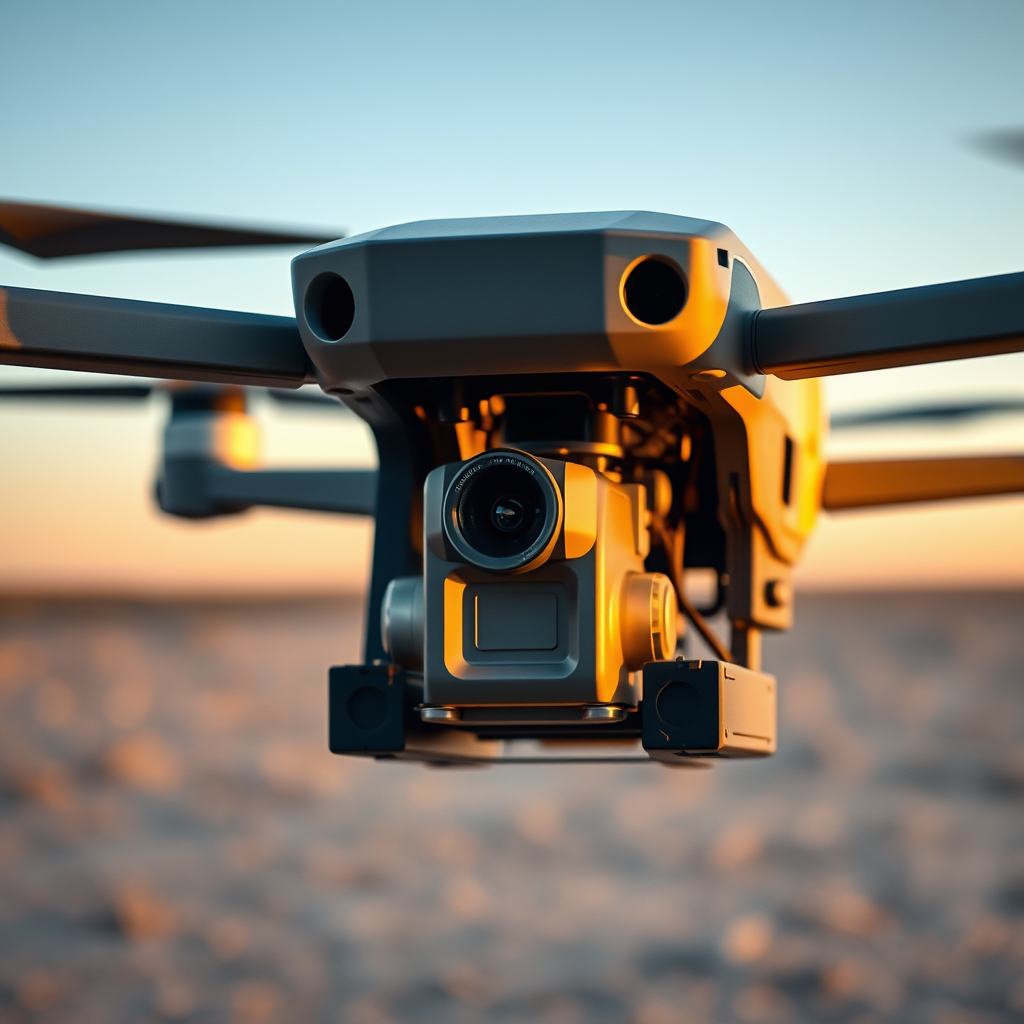
The propulsion system is at the heart of a drone’s flight capabilities, comprising electric motors and high-efficiency propellers. In 2025, significant advancements have been made in motor technology, with brushless motors becoming the standard due to their reliability and efficiency. These motors work in conjunction with specially designed propellers that maximize thrust while minimizing energy consumption, which is crucial for longer flight durations.
Some manufacturers have begun integrating hybrid propulsion systems, combining electric motors with fuel-based engines. This innovative approach not only extends the range of drones significantly but also allows for greater flexibility in operational environments. For example, hybrid drones can operate efficiently in remote areas where recharging electric batteries may not be feasible, making them ideal for applications such as wildlife monitoring or infrastructure inspections in challenging terrains.
Battery Technology
Battery technology has seen remarkable advancements, with advanced lithium-polymer (LiPo) batteries being the norm in 2025 drones. These batteries offer higher energy density, enabling drones to fly longer on a single charge, and they feature faster charging capabilities, allowing for quick turnaround times between flights. For instance, some high-end models now support rapid charging technology that can restore a significant percentage of battery life in under an hour, which is particularly beneficial for commercial applications requiring frequent flights.
Moreover, research into solid-state batteries is gaining momentum, presenting potential breakthroughs in safety and longevity. Solid-state batteries promise to reduce the risk of fire hazards associated with traditional LiPo batteries while potentially offering even higher energy densities. As these technologies become commercially viable, they will likely further enhance the operational capacity of drones, paving the way for more ambitious applications, such as long-duration surveillance or deep-space exploration.
Navigation and Control Systems
The navigation and control systems of 2025 drones are equipped with state-of-the-art GPS technology and a suite of advanced sensors. These systems enable precise navigation and autonomous flight capabilities, allowing drones to execute complex flight paths with minimal human intervention. For example, drones used in agricultural settings can autonomously survey vast fields, collect data, and even apply fertilizers or pesticides based on real-time analytics.
In addition to GPS, drones are increasingly incorporating an array of sensors such as ultrasonic and LIDAR, which enhance their ability to detect and avoid obstacles in real time. This capability is particularly important in urban environments or during emergency response scenarios where unpredictable obstacles may arise. The integration of advanced software further allows for real-time data processing, enabling drones to make quick decisions based on the environment, thus enhancing safety and operational efficiency.
Communication and Data Transmission
In 2025, drones utilize enhanced communication protocols that ensure better signal reliability over long distances. These advancements are crucial for applications requiring remote operation, such as infrastructure inspections or surveillance missions. The integration of technologies like 5G significantly boosts data transmission speeds, allowing for high-definition video feeds and rapid data transfer back to operators in real time.
This enhanced communication capability also facilitates remote piloting and control, enabling operators to manage multiple drones simultaneously from a centralized location. For instance, in construction projects, multiple drones can be deployed to survey a site, providing real-time updates to project managers, improving decision-making, and enhancing project efficiency.
Sensors and Cameras
The versatility of 2025 drones is largely attributed to their sophisticated sensor and camera systems. High-resolution cameras, coupled with various sensors like LiDAR and infrared, allow drones to perform a wide range of tasks from aerial photography to detailed surveying. For instance, in the agricultural industry, drones equipped with multispectral sensors can monitor crop health by analyzing light reflectance, providing farmers with actionable insights to optimize their yields.
Moreover, advancements in imaging technology enable drones to perform real-time data capture and analysis, which is invaluable in fields such as construction, where accurate site surveys are essential for project planning and execution. The ability to integrate these sensors with AI algorithms further enhances their capabilities, allowing for automatic anomaly detection and data analysis.
Software and AI Integration
Software and artificial intelligence (AI) are critical to the operation and efficiency of 2025 drones. AI algorithms are employed to automate flight paths, enhance obstacle avoidance, and facilitate complex data analysis based on the information collected during flights. This level of automation not only reduces the workload on operators but also enhances safety by minimizing the risks of human error.
Additionally, cloud connectivity allows for seamless software updates, enabling drones to adapt to new technologies and user requirements. This adaptability is essential in fast-evolving industries, ensuring that users can leverage the latest advancements without needing to invest in entirely new hardware. For instance, a drone purchased for agricultural monitoring can be updated to incorporate new sensing technologies or analysis methods as they become available, maximizing its utility over time.
The components of a 2025 drone reflect cutting-edge technology that enhances their utility across various fields. By understanding these elements, users can appreciate the advancements in drone technology and how they can apply them to their specific needs. As drone technology continues to evolve, staying informed about the latest components will empower users to make the most of these innovative devices. The future of drones promises even greater integration of technology, highlighting their potential to revolutionize industries from agriculture to logistics and beyond.
Frequently Asked Questions
What are the key components of a 2025 drone?
A 2025 drone typically comprises several essential components including the frame, motors, electronic speed controllers (ESCs), flight controller, and battery. The frame provides the structure and stability, while the motors and ESCs facilitate movement. The flight controller is the brain of the drone, processing data from various sensors to ensure stable flight, and the battery powers the entire system, with advancements leading to longer flight times and faster charging solutions.
How does the advanced camera technology in a 2025 drone enhance aerial photography?
The advanced camera technology in 2025 drones often includes higher resolution sensors, improved stabilization systems, and enhanced low-light performance. These features allow for capturing stunning high-definition images and videos from various angles, making them ideal for professional photography and videography. Additionally, many models incorporate AI-driven features like object tracking and automated shooting modes, which enhance the user experience and improve the quality of the content produced.
Why is battery technology crucial for the performance of a 2025 drone?
Battery technology is crucial because it directly influences the drone’s flight time, payload capacity, and overall performance. With advancements in lithium-polymer (LiPo) and lithium-ion batteries, 2025 drones can achieve longer durations in the air and are often equipped with smart battery management systems that optimize energy consumption. This innovation not only enhances operational efficiency but also reduces the frequency of recharging, making drones more practical for extensive use in applications like surveying and search and rescue.
Which sensors are commonly found in a 2025 drone and what are their functions?
Common sensors in a 2025 drone include GPS, accelerometers, gyroscopes, barometers, and obstacle detection sensors. The GPS allows for precise navigation and location tracking, while accelerometers and gyroscopes help maintain stability and orientation during flight. Barometers measure altitude, and obstacle detection sensors provide real-time feedback to prevent collisions, making drones safer and more reliable for various applications, from recreational use to commercial tasks.
What improvements can users expect in the software and control systems of 2025 drones?
Users can expect significant improvements in the software and control systems of 2025 drones, including enhanced user interfaces, improved flight planning tools, and more robust autonomous flight capabilities. Many drones will feature advanced AI algorithms for real-time decision-making, allowing for smarter navigation, automated obstacle avoidance, and seamless integration with other devices. These advancements not only simplify piloting for beginners but also expand the capabilities of experienced users, making drones more versatile across different use cases.
References
- Drone
- https://www.nasa.gov/feature/what-is-a-drone
- https://www.sciencedirect.com/science/article/pii/S235286481730198X
- Unmanned Aircraft Systems (UAS) | Federal Aviation Administration
- https://www.techrepublic.com/article/the-future-of-drones-what-to-expect-in-2025/
- https://www.wired.com/story/what-is-a-drone/
- https://www.ncbi.nlm.nih.gov/pmc/articles/PMC6111208/
