
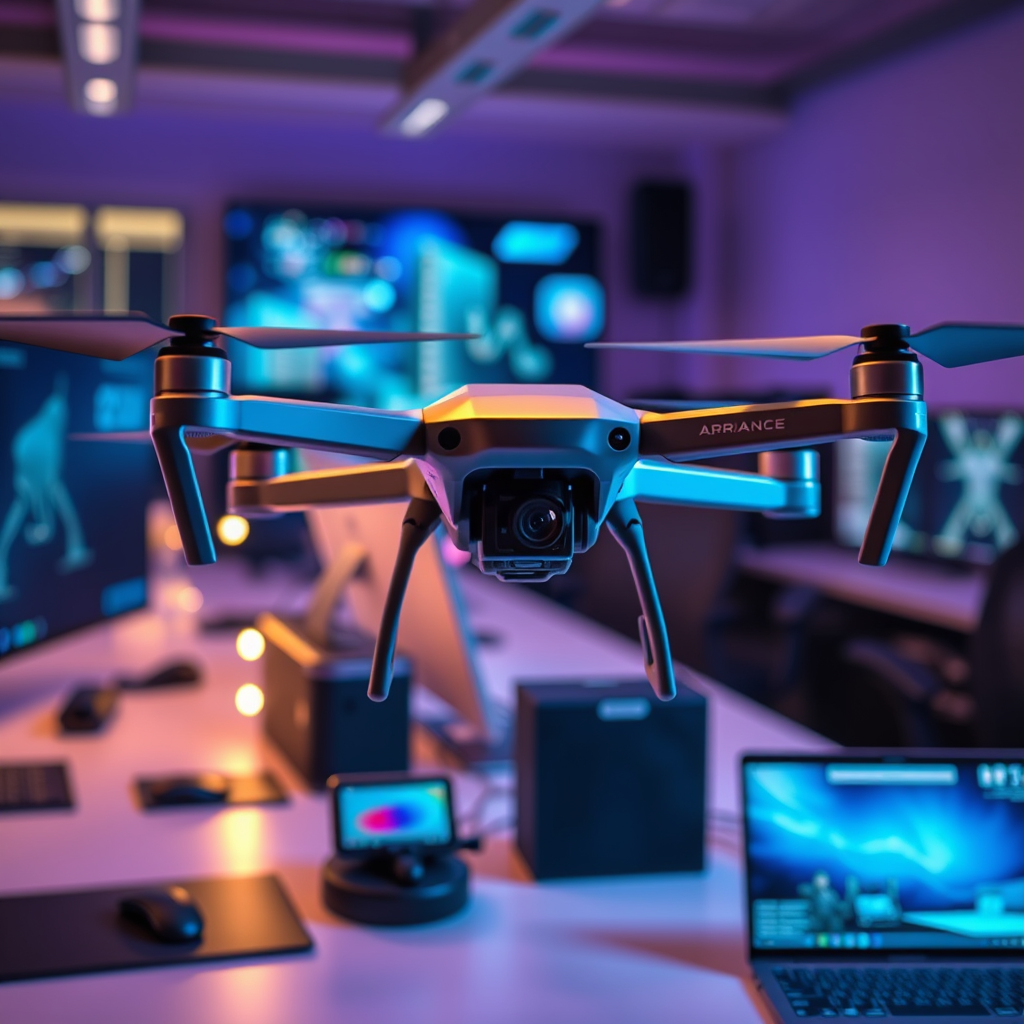
The evolution of drone cameras has fundamentally transformed aerial photography and videography, with the introduction of 8K technology marking a significant milestone in image quality and detail. This leap in resolution enhances the capabilities of drone operators, enabling them to capture breathtaking visuals that were once unimaginable. In this article, you’ll learn how drone cameras have advanced over the years, the impact of 8K resolution, and what the future holds for aerial imaging technologies.
The Early Days of Drone Cameras
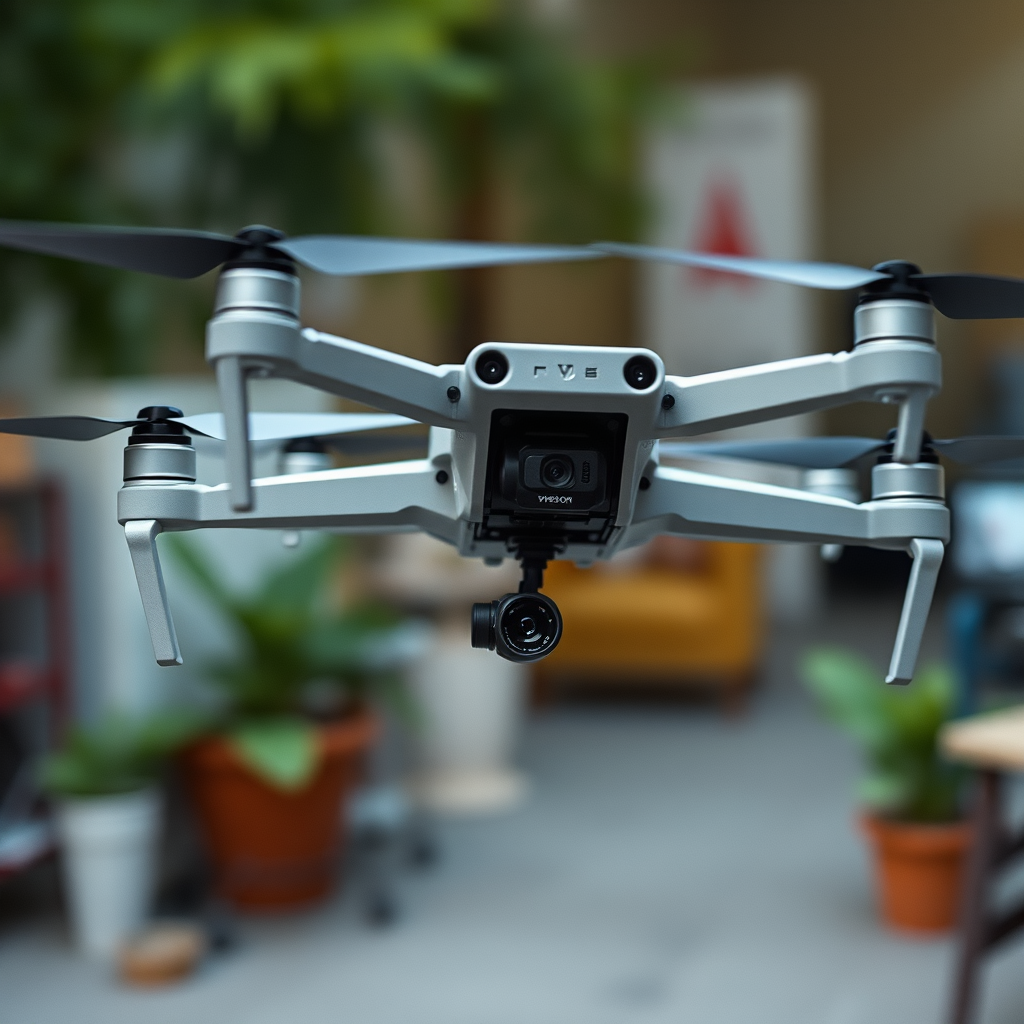
In the nascent stages of drone technology, the focus was primarily on basic photography capabilities. Early drone models were often equipped with simple cameras that could capture still images but lacked the sophistication needed for high-quality video production. These basic designs were a far cry from the advanced systems we see today. The development of remote control technology was crucial during this period, allowing operators to maneuver drones with unprecedented ease and precision. As the technology evolved, it laid the groundwork for more complex features, paving the way for enhanced photography and videography experiences.
The Shift to HD and 4K Resolution
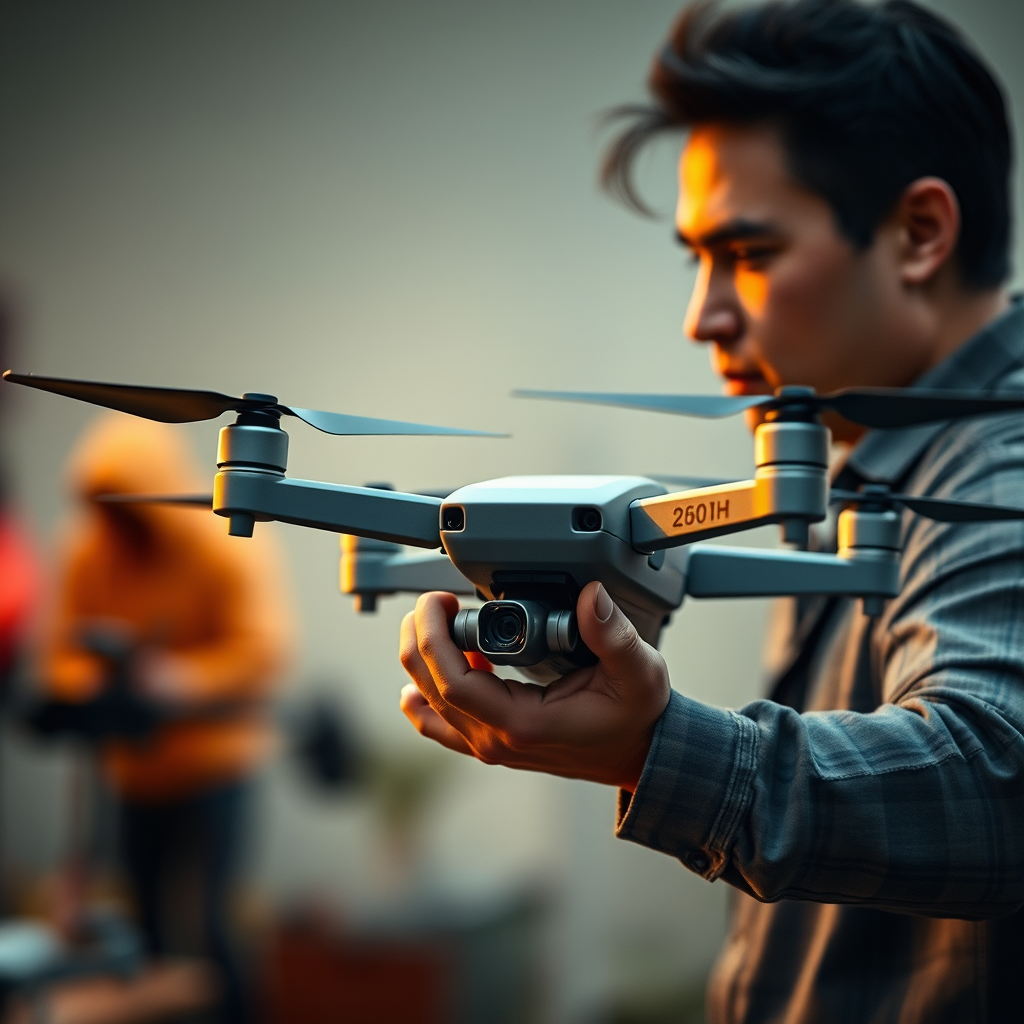
The transition from standard definition to high definition (HD) marked a significant turning point in drone camera technology. HD resolution dramatically improved image clarity, enabling aerial photographers and videographers to produce content that was more visually appealing and professional. This shift was not merely cosmetic; it represented a new era of creativity for filmmakers and hobbyists alike. The advent of 4K resolution further revolutionized the landscape, providing four times the detail of HD and allowing users to capture intricate textures, vibrant colors, and stunning landscapes with remarkable accuracy. 4K technology opened doors for professional filmmakers to create cinematic masterpieces, helping to elevate the art of aerial storytelling.
The Rise of 8K Drone Cameras
With the introduction of 8K resolution, drone cameras have reached new heights in image quality. Offering four times the detail of 4K, 8K technology provides unparalleled clarity and depth, making it an essential tool for high-end productions. Leading manufacturers like DJI and Autel Robotics have embraced this technological leap, releasing drones equipped with advanced 8K cameras that cater to the needs of professional filmmakers. For instance, the DJI Mavic 3 Cine offers an impressive 8K video recording capability, allowing users to capture breathtaking aerial shots with astonishing detail. This level of resolution not only enhances the visual experience but also provides greater flexibility in post-production, enabling editors to crop or zoom into footage without losing quality.
Key Features of Modern Drone Cameras
Modern drone cameras come equipped with a host of advanced features that significantly improve the user experience and overall video quality. One of the most notable advancements is the integration of sophisticated stabilization systems, such as gimbals, which counteract the natural movements of the drone during flight. This technology ensures smooth and stable footage, even in challenging flying conditions. Additionally, intelligent shooting modes, including tracking and waypoint navigation, further enhance usability. For example, drones with ActiveTrack capabilities can autonomously follow subjects, allowing users to focus on composition rather than manual piloting. These features empower both amateur and professional users to capture stunning imagery with minimal effort.
The Impact of AI and Automation
Artificial intelligence (AI) and automation technologies are playing a pivotal role in the evolution of drone cameras. AI-powered image processing algorithms enhance the quality of captured images by optimizing color balance, sharpness, and exposure during post-production. Furthermore, advanced subject tracking capabilities enable drones to autonomously follow moving objects, ensuring that the key subjects remain in focus throughout the shot. Automation features, such as pre-programmed flight paths and automated return-to-home functions, simplify the operation of drones, making it easier for users to capture complex shots. This seamless integration of AI into drone technology not only enhances creative possibilities but also increases safety and reliability in aerial operations.
Future Trends in Drone Camera Technology
Looking ahead, the future of drone camera technology is poised for remarkable advancements. One of the most exciting prospects is the development of next-generation camera sensors that promise to deliver even higher resolutions and improved performance in low-light conditions. Enhanced processing power will also enable drones to handle more complex tasks and deliver real-time data analysis. Furthermore, the integration of virtual reality (VR) and augmented reality (AR) capabilities may revolutionize how users interact with drone footage, offering immersive experiences that blur the lines between reality and digital environments. These trends indicate a bright future for aerial imaging, where the possibilities for creativity and innovation are virtually limitless.
Considerations for Choosing a Drone Camera
When selecting a drone camera, understanding your specific needs is crucial. Consider factors such as resolution, flight time, and the type of projects you intend to undertake. For instance, if you are a professional filmmaker, opting for a drone with 8K capabilities may be essential to meet the demands of high-end production. Additionally, evaluating brand reputation and customer support is vital, as reliable maintenance and timely upgrades can significantly enhance your drone experience. Researching user reviews and industry feedback can provide valuable insights into product performance and durability, ensuring that you make informed decisions that align with your goals.
Summarizing the evolution of drone cameras highlights the remarkable advancements from basic models to the sophisticated 8K technology we see today. As drone cameras continue to develop, staying informed about new features and technologies will help you make the best choices for your aerial photography needs. Explore the latest models and consider how these innovations can enhance your projects, as the world of aerial imaging continues to soar to new heights.
Frequently Asked Questions
What are the main advancements in drone camera technology leading to 8K resolution?
The evolution of drone cameras to 8K resolution has been driven by advancements in sensor technology, image processing capabilities, and lens optics. High-performance sensors now capture more detail and dynamic range, while improved image stabilization algorithms ensure clarity even during fast movements. Additionally, the integration of powerful processors allows drones to handle larger files and enhance video quality, making 8K recording more accessible to both hobbyists and professionals.
How do 8K drone cameras improve aerial photography and videography?
8K drone cameras significantly enhance aerial photography and videography by providing four times the resolution of 4K, resulting in sharper images and more detail in every frame. This increased resolution allows for greater flexibility in post-production, such as cropping and digital zooming without losing quality. Additionally, the vibrant colors and improved dynamic range of 8K footage create visually stunning imagery that can elevate projects in filmmaking, real estate, and environmental monitoring.
Why should I invest in an 8K drone camera for my business?
Investing in an 8K drone camera can provide your business with a competitive edge, especially in visual industries such as real estate, film, and marketing. The high resolution of 8K footage allows for more detailed and engaging visuals, attracting potential clients and enhancing your brand’s image. Furthermore, as content consumption trends lean towards higher resolutions, having an 8K drone camera positions your business as a forward-thinking entity capable of delivering cutting-edge media.
What are the best 8K drone cameras currently available on the market?
Some of the best 8K drone cameras available include the DJI Inspire 2 with the Zenmuse X7 camera, the Autel Robotics EVO Lite+, and the Panasonic Lumix GH6 when paired with a compatible drone setup. These models are praised for their exceptional image quality, ease of use, and advanced features such as intelligent flight modes and robust stabilization systems. When selecting an 8K drone camera, consider your specific needs, such as portability, battery life, and additional features like obstacle avoidance.
Which factors should I consider when choosing a drone camera for 8K filming?
When choosing a drone camera for 8K filming, consider critical factors like sensor quality, lens compatibility, flight time, and stabilization technology. A larger sensor typically results in better low-light performance and dynamic range, while high-quality lenses can enhance image sharpness. Additionally, look for drones with longer battery life and advanced stabilization systems to ensure smooth footage, as these features are essential for capturing high-quality 8K video in various environments.
References
- https://en.wikipedia.org/wiki/Drone_camera
- https://www.bbc.com/news/technology-50141257
- https://www.nytimes.com/2021/04/14/technology/drones-camera-8k.html
- https://www.sciencedirect.com/science/article/pii/S1877050919316762
- https://www.reuters.com/technology/what-know-about-drones-2021-04-14/
- https://www.wired.com/story/drone-photography-8k/
- https://www.techcrunch.com/2020/08/25/the-evolution-of-drone-cameras/
- https://www.nasa.gov/press-release/nasa-s-drones-can-see-the-world-in-8k-resolution
