
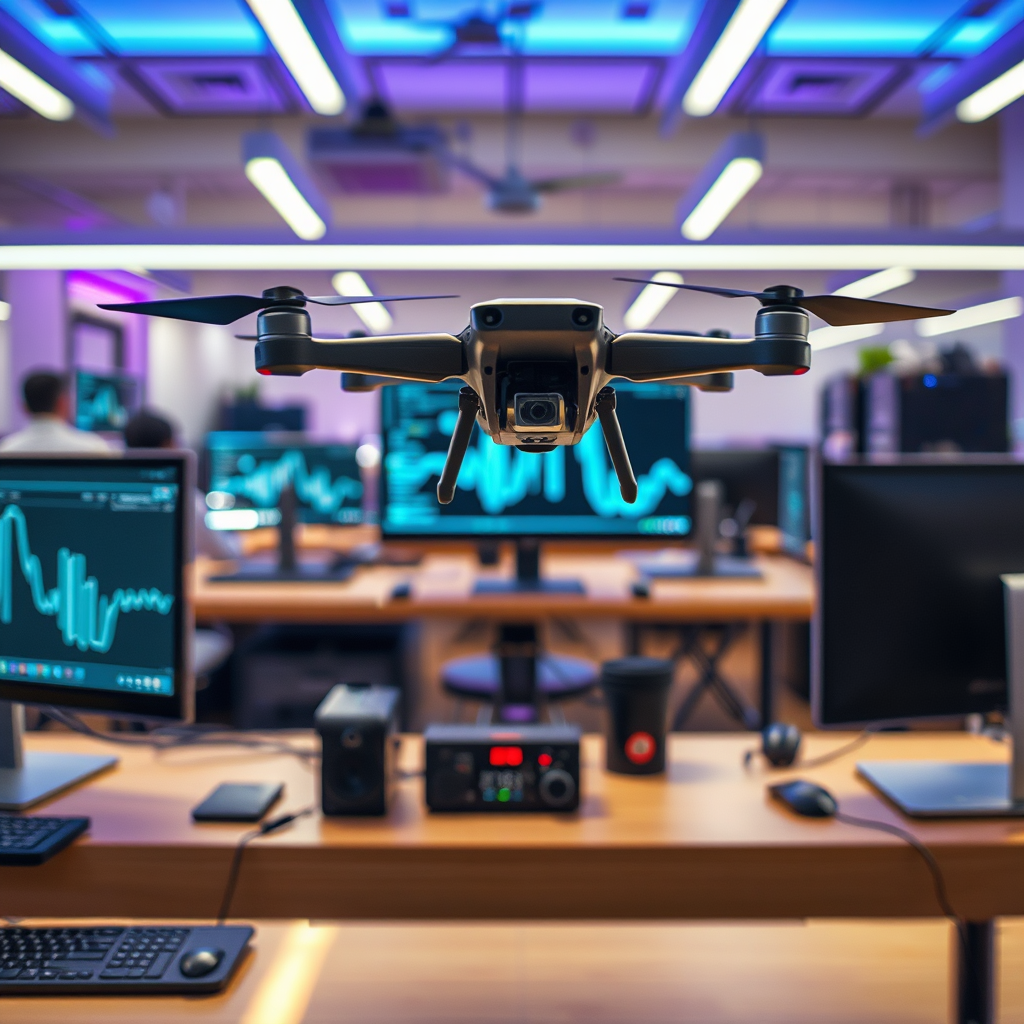
Reducing drone noise is a multifaceted challenge that is being addressed through innovative design, advanced materials, and sophisticated algorithms. This technology not only enhances the user experience but also aligns with regulatory standards and public acceptance. In this article, readers will explore the intricate mechanisms behind drone noise reduction and how these elements synergize to minimize sound output.
Understanding Drone Noise
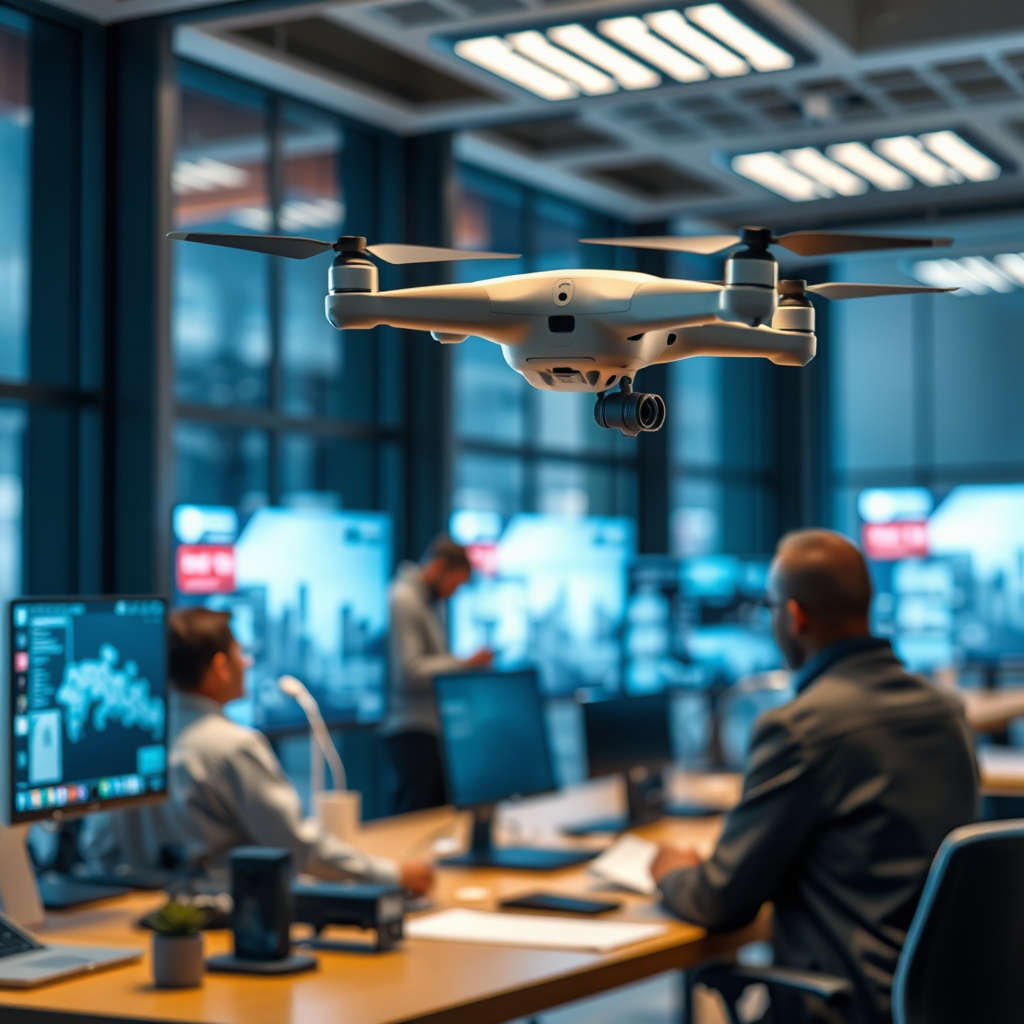
Drones generate noise primarily through their rotors and propellers, which create turbulence as they move through the air. The sound produced is a combination of aerodynamic noise—resulting from air displacement—and mechanical noise, which emanates from the motors and internal mechanisms. The shape and design of the propellers play a crucial role in sound production; for instance, larger blades can create more lift but also produce a higher noise level due to increased turbulence. Conversely, optimizing the pitch and diameter of propellers can lead to quieter operations.
Research has shown that specific designs, such as those with serrated edges or tapered tips, can significantly reduce noise levels during flight. Understanding these noise sources is essential for engineers and manufacturers looking to innovate quieter drone technologies.
Key Technologies in Noise Reduction

Active noise cancellation (ANC) technology, commonly used in headphones, is increasingly being adapted for drone applications. This technology works by generating sound waves that are phase-inverted relative to the noise created by the drone, effectively canceling it out. Integrating ANC systems into drone designs could lead to a substantial reduction in perceived noise, particularly in urban environments where noise pollution is a growing concern.
In addition to active solutions, passive noise reduction methods are also vital. These include the use of sound-dampening materials such as foams and composites that absorb sound waves rather than reflecting them. By strategically placing these materials within the drone’s structure, manufacturers can effectively minimize mechanical noise, thereby enhancing the overall flight experience.
Aerodynamic Improvements
Streamlined designs significantly contribute to quieter flight by reducing drag and turbulence. Drones with aerodynamic forms experience less resistance as they move through the air, which in turn lessens the noise generated by turbulent airflow around the rotors. This can be achieved through various design modifications, such as optimizing the frame shape and rotor configurations.
The shapes of wings and rotors also play a pivotal role in noise reduction. For instance, rotor blades designed with a wider chord and a more gradual taper can minimize the intensity of the vortices produced during flight, effectively reducing noise levels. Research and development in this area continue to yield innovative designs that balance performance with noise reduction.
Material Innovations
The exploration of composite materials that absorb sound is a critical area in drone noise reduction technology. Materials like carbon fiber and advanced polymers can be engineered not only to be lightweight and durable but also to possess sound-absorbing properties. This dual functionality allows for improved efficiency during flight while simultaneously reducing noise output.
Moreover, using lighter materials contributes to overall noise reduction by enhancing the drone’s aerodynamic capabilities. A lighter drone requires less power to achieve the same lift, resulting in quieter operation due to reduced motor strain and lower RPMs. Such advancements are instrumental for applications requiring discretion, such as wildlife monitoring or urban deliveries.
Software Solutions for Sound Management
Software solutions also play a significant role in managing drone noise. Advanced algorithms can optimize flight paths to minimize noise exposure in sensitive areas. For example, drones can be programmed to fly at altitudes that reduce noise impact on ground level, or to adjust their speed dynamically based on environmental conditions.
Real-time data processing further enhances noise control strategies by allowing drones to adapt their operations based on live feedback. By integrating GPS and environmental sensors, drones can identify areas with higher noise sensitivity and adjust their flight patterns accordingly, making them more compatible with urban landscapes.Regulatory Standards and Impact
As drone usage becomes increasingly ubiquitous, noise regulations are emerging as an essential consideration in drone design and technology. Regulatory bodies are setting standards aimed at minimizing noise pollution, particularly in urban areas. Compliance with these standards is crucial for commercial drone operations, as failure to adhere can result in fines or restrictions on flight permissions.
The importance of these regulations cannot be overstated; they not only protect the public from excessive noise but also drive innovation in quieter drone technologies. Manufacturers are compelled to focus on noise reduction as a key aspect of their product development, leading to more advanced and quieter drones in the market.
Future Trends in Drone Noise Reduction
Looking ahead, we can anticipate several exciting advancements in noise reduction technology for drones. The integration of artificial intelligence (AI) is poised to revolutionize how drones manage sound. AI can enhance noise reduction algorithms, improving their adaptability and responsiveness to varying operational contexts.
Moreover, ongoing research into novel materials and designs will likely produce breakthroughs that further reduce noise levels. Techniques such as biomimicry, which draws inspiration from nature to solve engineering challenges, could lead to innovative drone designs that operate more quietly.
As the demand for drones continues to grow, the emphasis on noise reduction will remain a critical component of their development, ensuring that these aerial devices can coexist harmoniously with urban life.
By understanding the science behind drone noise reduction technology, users can appreciate the extensive efforts being made to create quieter, more efficient drones. As innovations continue to emerge, staying informed will empower users to make informed choices about technology and contribute to the seamless integration of drones into everyday life.
Frequently Asked Questions
What are the main sources of noise produced by drones?
The primary sources of noise from drones include the rotors, motors, and vibrations from the drone’s structure. Rotor blades create turbulence as they slice through the air, generating significant noise, while the electric motors can emit a high-pitched sound. Understanding these noise sources is crucial for developing effective drone noise reduction technology.
How does drone noise reduction technology work?
Drone noise reduction technology works through a combination of design modifications and advanced materials. Techniques such as optimizing rotor blade shape to minimize turbulence, using quieter motors, and incorporating noise-dampening materials help to lower sound levels. Additionally, software algorithms can be employed to control flight patterns, further reducing noise during operations.
Why is noise reduction important for drone operations?
Noise reduction is essential for drone operations because excessive noise can lead to disturbances in residential areas, wildlife habitats, and during sensitive missions such as search and rescue. Lower noise levels improve public acceptance of drones, expand their use in urban environments, and enhance operational efficiency, particularly in applications like delivery services and aerial photography.
Which drone brands are leading in noise reduction technology?
Brands like DJI, Parrot, and Skydio are at the forefront of integrating noise reduction technology into their drone models. DJI, for instance, has implemented innovative rotor designs and quieter flight modes in its latest series, while Skydio focuses on advanced software solutions to manage noise levels during operations. These advancements not only enhance user experience but also address community concerns regarding noise pollution.
What are the best practices for minimizing drone noise during flight?
To minimize drone noise during flight, operators should consider flying at higher altitudes, as noise diminishes with distance. Choosing drones equipped with noise-reduction technology is also beneficial. Additionally, avoiding high-speed maneuvers and flying in designated areas can help reduce the impact of noise on the surrounding environment, ensuring a more discreet operation.
References
- https://en.wikipedia.org/wiki/Drone_noise
- https://www.sciencedirect.com/science/article/abs/pii/S2213138821000354
- https://www.theguardian.com/environment/2021/nov/10/drones-noise-pollution-research
- https://www.nasa.gov/centers/langley/news/factsheets/2020.html
- https://www.researchgate.net/publication/332345678_An_overview_of_auditory_perception_of_drones_and_noise_reduction_technologies
- https://www.nist.gov/news-events/news/2020/07/nist-research-aims-reduce-drone-noise
- A Hybrid Voronoi Tessellation/Genetic Algorithm Approach for the Deployment of Drone-Based Nodes …
- https://www.bbc.com/future/article/20210701-how-drones-are-changing-our-world
- https://www.nature.com/articles/s41598-020-70802-4
