
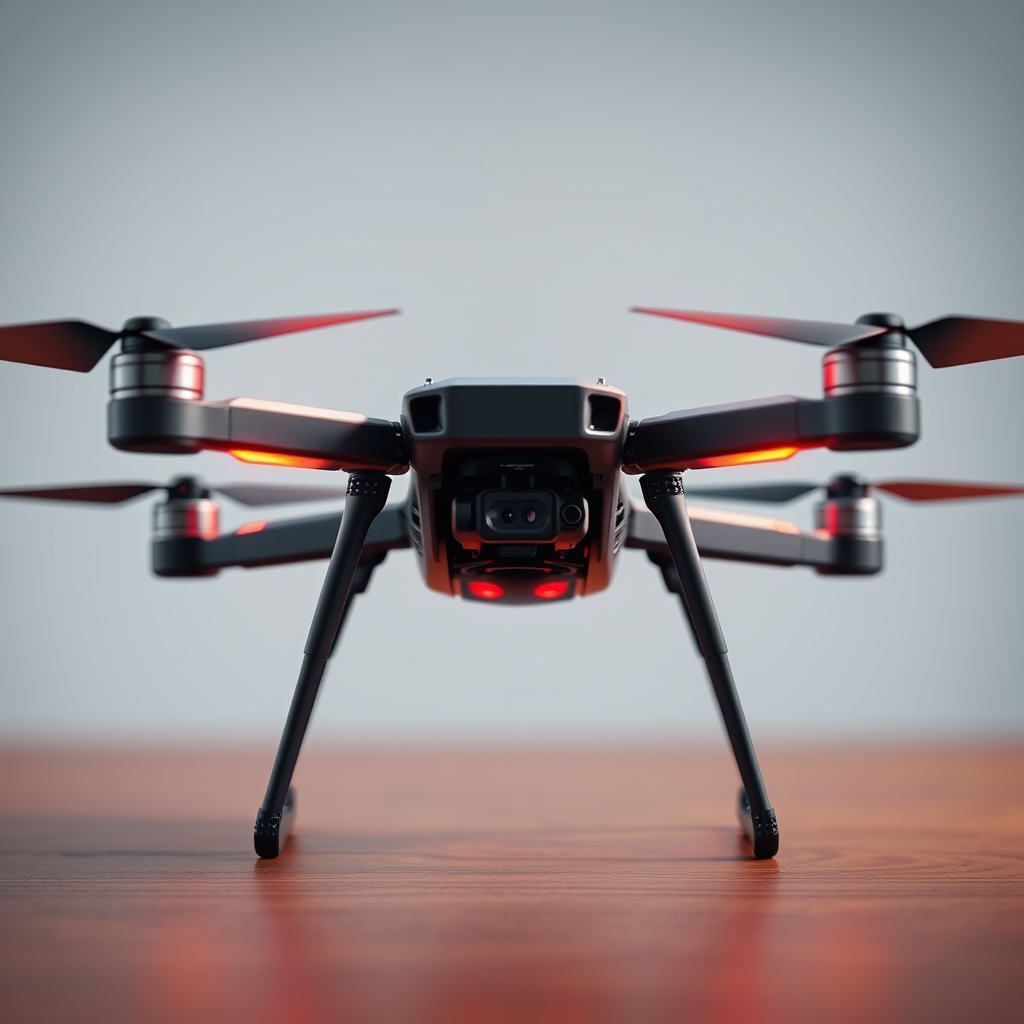
Modular drones are the perfect choice for customization because they allow users to easily interchange components based on specific needs. This adaptability enhances functionality, making them suitable for various applications—from photography to agriculture. By facilitating the integration of diverse technologies and meeting the evolving demands of different industries, modular drones are setting a new standard in aerial innovation. In this article, we’ll explore the features that make modular drones customizable and how they can cater to diverse user requirements.
Versatility of Modular Components
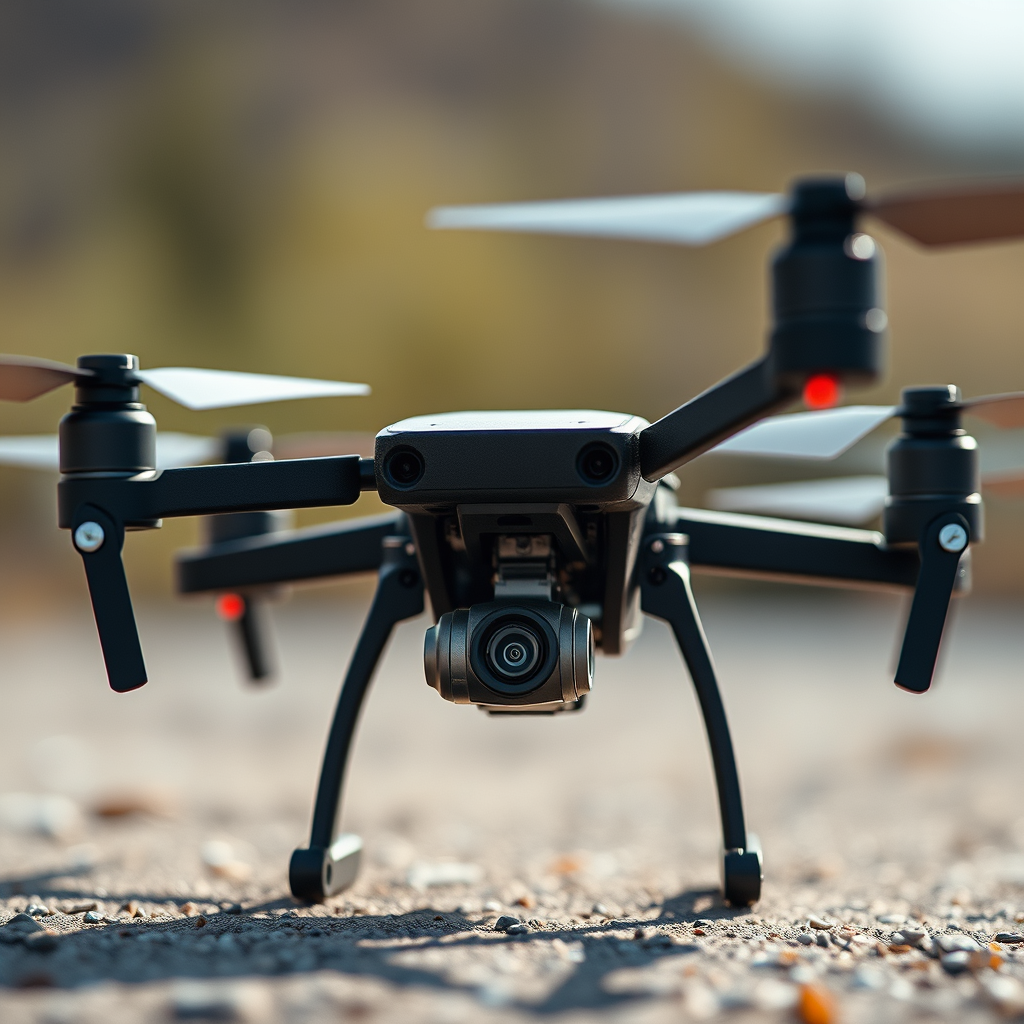
One of the standout features of modular drones is their versatility, which is largely attributed to the ability to swap out key components like cameras, sensors, and batteries. This modularity enables users to tailor their drones for specific missions—whether it’s capturing high-resolution images for real estate, conducting thermal imaging for building inspections, or equipping agricultural sensors for crop monitoring. For example, a drone designed for photography can be outfitted with a high-definition camera, while the same drone can be transformed into an agricultural tool by replacing the camera with multi-spectral sensors to gather data on plant health. This interchangeability enhances overall efficiency, allowing users to maximize the utility of their drone across various tasks without the need for multiple devices.
Furthermore, the modular design of these drones allows for rapid reconfiguration, making them particularly advantageous in dynamic environments where mission parameters can change on the fly. A construction site may require surveillance one day and site mapping the next. With modular drones, operators can seamlessly adapt their equipment to meet these shifting demands, thereby improving operational responsiveness and reducing downtime.
Cost-Effectiveness and Upgradability
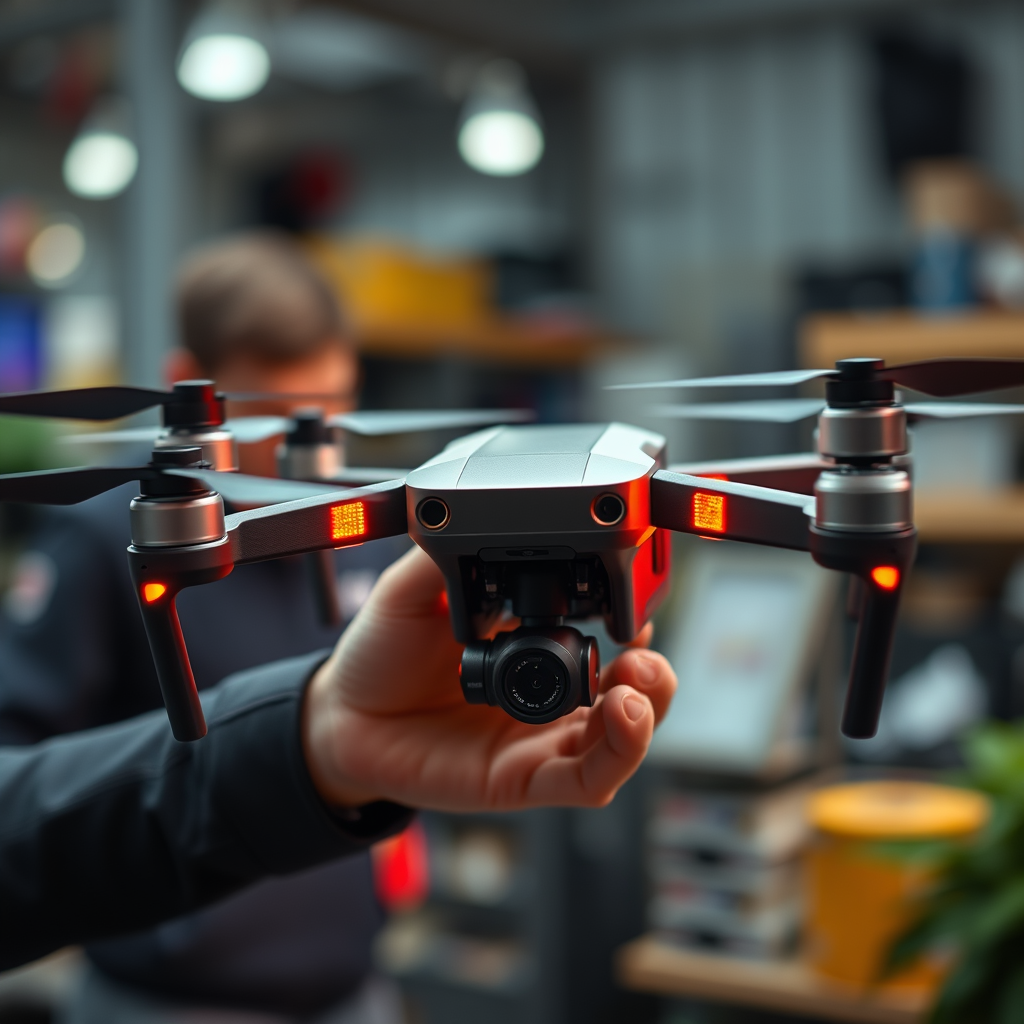
Investing in a modular drone can be a financially prudent decision for both individuals and organizations. Rather than purchasing an entirely new drone when technology advances or mission requirements evolve, users can upgrade individual components, significantly reducing costs over time. For instance, if a new camera model is released that offers better image quality or additional features, users can simply replace the existing camera without needing to invest in a whole new drone. This model of gradual upgrades not only extends the lifecycle of the drone but also allows users to stay current with technological advancements.
Moreover, this cost-effective approach is particularly beneficial for businesses that rely on drones for various applications. For example, a surveying company may start with a basic modular drone and incrementally add advanced sensors, improved batteries for longer flight times, or enhanced processing capabilities as their business grows. This adaptability enables them to scale their operations without incurring significant upfront costs.
Enhanced Performance for Specific Tasks
Customizing drones for specific tasks can lead to improved performance and outcomes, as different payloads and attachments can be utilized based on mission requirements. For instance, in emergency response situations, drones can be equipped with infrared cameras to locate individuals in low-visibility conditions, such as during search and rescue operations. Alternatively, in the agricultural sector, drones can be fitted with crop-spraying systems to assist in precision farming, ensuring that resources are used efficiently and effectively.
The ability to tailor drones for specific applications not only enhances performance but also enables operators to gather more relevant data. In research settings, for instance, a modular drone can be rigged with specialized sensors to measure atmospheric conditions, enabling scientists to conduct detailed environmental studies. This level of customization ensures that each mission can be executed with optimal efficiency, allowing for better decision-making based on the data collected.
User-Friendly Design for Customization
Many modular drones are designed with user-friendliness in mind, allowing even novices to make adjustments with relative ease. Manufacturers often provide clear guidelines and modular kits, which simplify the process of swapping components. This accessibility is particularly important for industries that may not have extensive technical expertise in drone operation.
For example, a small business owner looking to utilize drones for marketing purposes may not have a technical background but can easily follow the provided instructions to attach a new camera or sensor. This user-centric approach not only broadens the market for modular drones but also encourages more people to engage with drone technology, fostering innovation and creativity in various fields.
Moreover, some manufacturers offer online tutorials and support resources, further enhancing the user experience. This community of users can share tips, modifications, and best practices, creating a collaborative environment where knowledge and experience are readily exchanged. This peer support is invaluable for users looking to maximize the capabilities of their modular drones.
Community and Support for Customization
The growing community of modular drone users is a significant asset for those looking to customize their devices. Many enthusiasts and professionals share their experiences, modifications, and upgrades through online forums and social media platforms. This collaborative spirit fosters an environment where users can seek advice, troubleshoot issues, and discover innovative ways to enhance their drones.
Additionally, various online resources provide information about the latest upgrades and best practices for customization. Blogs, YouTube channels, and webinars dedicated to drone technology often discuss new components, share modification techniques, and review products. Engaging with this community not only helps users understand the full potential of their modular drones but also encourages them to experiment with different configurations, ultimately leading to enhanced performance and creativity in their respective fields.
Real-World Applications of Modular Drones
Industries such as agriculture, construction, and media are increasingly adopting modular drones to meet specific operational needs. In agriculture, for example, drones equipped with multispectral sensors are being used to monitor crop health, allowing farmers to make data-driven decisions that enhance yield while minimizing resource use. Similarly, in the construction industry, modular drones can be outfitted with high-resolution cameras and LiDAR systems to conduct site surveys and inspections, improving project efficiency and safety.
Case studies illustrate how customization has led to improved efficiency and effectiveness in various sectors. A notable example is a construction firm that integrated modular drones into their workflow, enabling real-time data collection for project management. By customizing their drones with specific sensors, they improved their ability to track construction progress and identify potential delays, resulting in significant cost savings and enhanced project timelines.
In the media sector, modular drones have revolutionized the way content is captured. Filmmakers can easily switch out camera systems to achieve different visual effects, allowing for greater creativity and flexibility in storytelling. This adaptability not only enhances the quality of the content produced but also opens up new avenues for artistic expression.
The adaptability of modular drones makes them a compelling choice for users seeking tailored solutions. By understanding their versatile components, cost benefits, and real-world applications, you can make an informed decision about how modular drones can meet your unique needs. Explore your options today and consider how customization can enhance your drone experience.
Frequently Asked Questions
What are the benefits of using modular drones for customization?
Modular drones offer significant advantages for customization, including the ability to easily swap out components such as cameras, sensors, and batteries. This flexibility allows users to tailor their drones to specific tasks, whether for photography, surveying, or agriculture. Additionally, modular drones can be upgraded incrementally, ensuring that users can adapt to technological advancements without needing to purchase an entirely new drone.
How do modular drones enhance operational efficiency?
Modular drones enhance operational efficiency by allowing users to quickly modify their setups for different missions or tasks. For example, a drone can be outfitted with a high-resolution camera for aerial photography and then converted to carry a multispectral sensor for environmental monitoring in a matter of minutes. This adaptability reduces downtime and maximizes the drone’s utility across various applications, ultimately saving time and resources.
Why should businesses consider modular drones over traditional drones?
Businesses should consider modular drones because they provide a cost-effective solution for evolving operational needs. With traditional drones, a company might need to invest in multiple drones for different purposes. In contrast, modular drones can be customized and expanded as business requirements change, leading to long-term savings and a better return on investment. This scalability is especially crucial in industries like agriculture, construction, and surveillance, where needs can shift rapidly.
Which industries benefit most from customizing modular drones?
Industries such as agriculture, construction, emergency response, and filmmaking benefit immensely from customizing modular drones. In agriculture, farmers can equip drones with specific sensors to monitor crop health, while construction firms can use drones for site inspections with specialized cameras. Emergency responders can tailor drones for search and rescue operations, optimizing their capabilities based on the situation at hand. This versatility makes modular drones an invaluable tool across diverse sectors.
What should I consider when customizing a modular drone?
When customizing a modular drone, consider the specific tasks you need it for, such as payload capacity, flight time, and sensor compatibility. Assess the available modules and accessories that fit your operational requirements, and ensure that the drone’s design allows for easy upgrades in the future. Additionally, evaluate the manufacturer’s support and community resources, as these can significantly enhance your experience and provide guidance on optimal configurations for your unique needs.
References
- Drone
- https://www.nasa.gov/feature/nasa-s-drones-are-ready-to-fly
- https://www.sciencedirect.com/science/article/pii/S2351978921000593
- https://www.reuters.com/technology/drone-technology-customization-2023-04-10/
- https://www.forbes.com/sites/bernardmarr/2021/09/27/the-9-key-benefits-of-modular-drones/?sh=55e2e69c4b7f
- https://www.wired.com/story/what-are-modular-drones-and-why-they-matter/
- https://www.techrepublic.com/article/how-modular-drones-are-revolutionizing-industries/
- UAVs for Hydrologic Scopes: Application of a Low-Cost UAV to Estimate Surface Water Velocity by U…
