
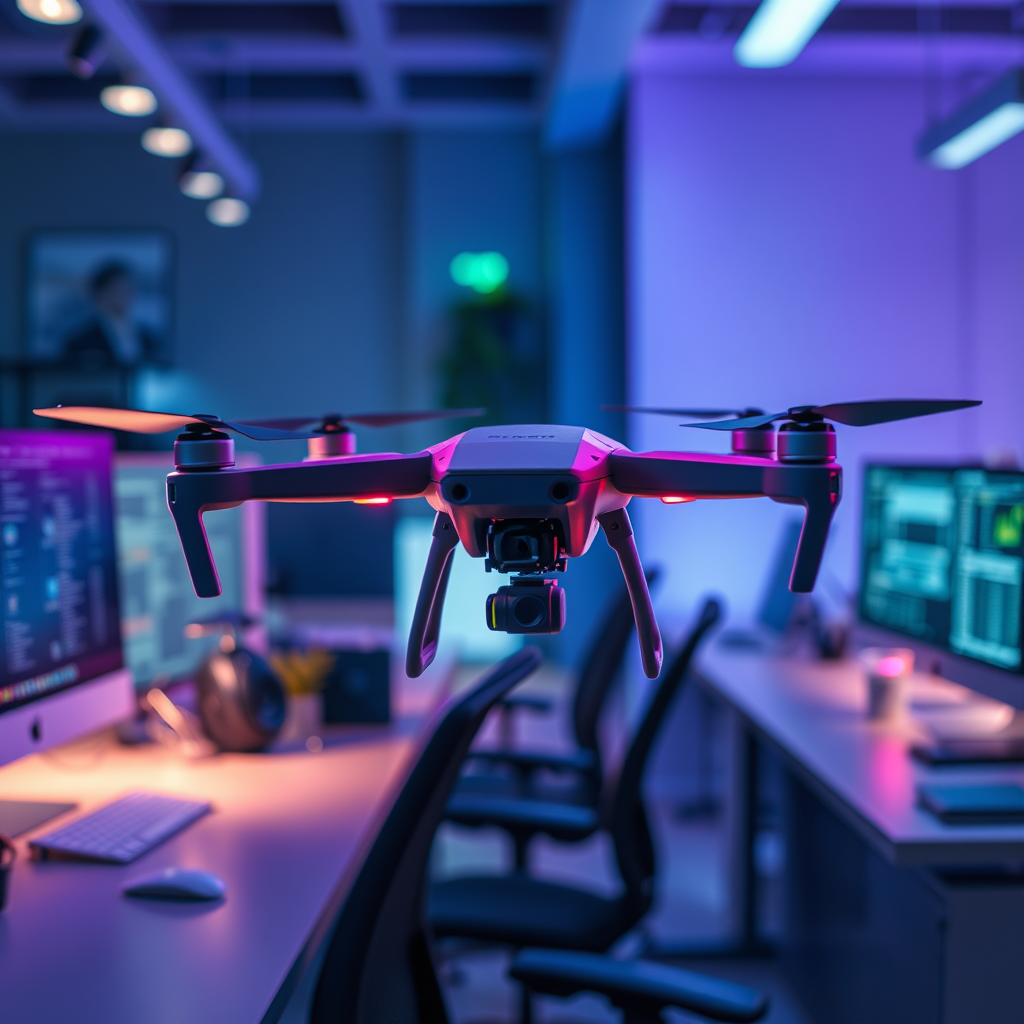
The short answer is yes; biodegradable drones could significantly contribute to sustainability efforts. By reducing plastic waste and minimizing environmental impact, these innovative technologies offer a promising path toward greener practices in various industries. As the world grapples with increasing environmental challenges, the integration of biodegradable materials into drone technology presents a viable solution. This article will delve into the workings of biodegradable drones, their potential applications across different sectors, and the challenges that lie ahead.
Understanding Biodegradable Drones
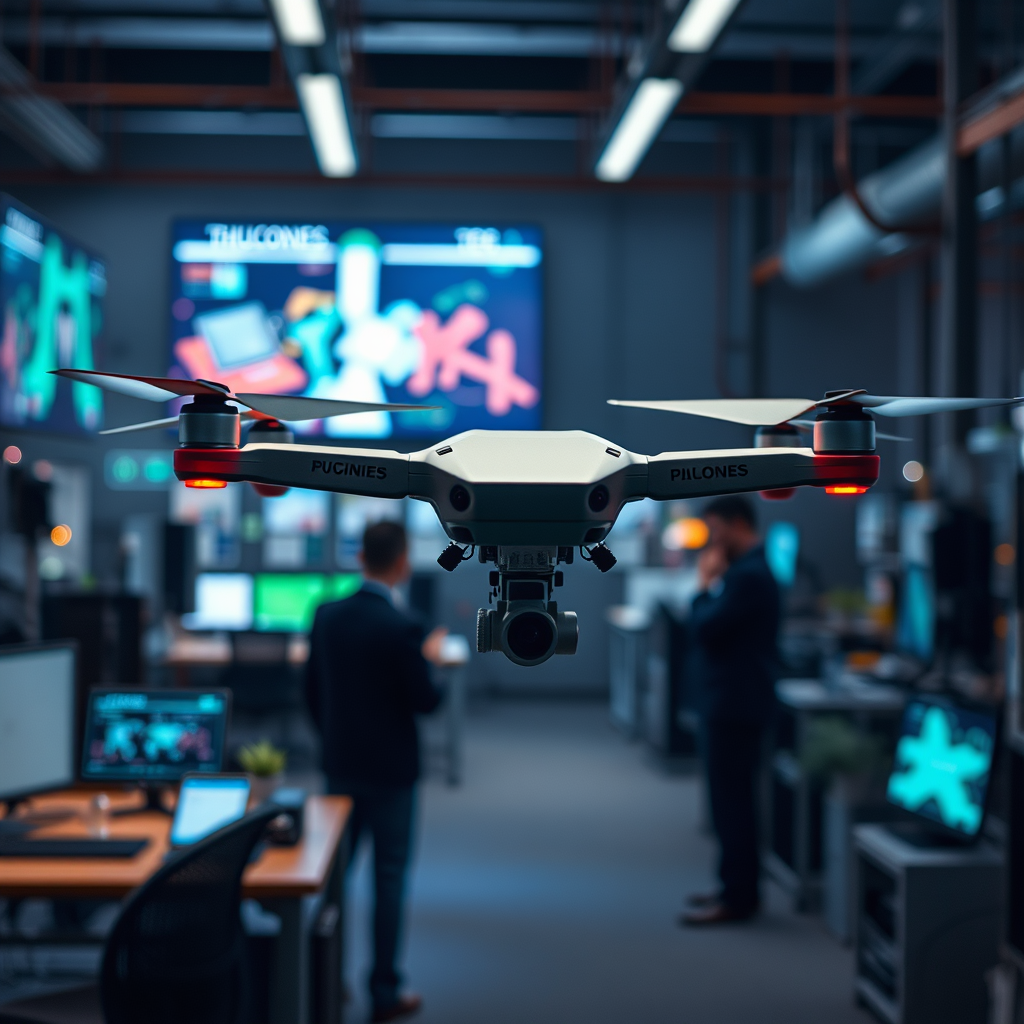
Biodegradable drones are designed to break down naturally over time, minimizing their environmental footprint post-use. Unlike traditional drones, which often rely on plastics and metals that can persist in the environment for hundreds of years, biodegradable drones are constructed using materials such as plant-based polymers and other organic substances. These materials decompose through natural processes, returning to the ecosystem without leaving harmful residues. The technology behind these drones encompasses advanced engineering that ensures functionality and performance while being environmentally friendly.
In comparison, traditional drones have a significant ecological footprint due to their reliance on non-biodegradable materials and the energy-intensive manufacturing processes involved. The production and disposal of these drones contribute to a growing global plastic crisis, which is further exacerbated when drones are discarded after their operational life. By shifting to biodegradable alternatives, we can greatly reduce this impact, making a strong case for their adoption in various sectors.
Environmental Benefits
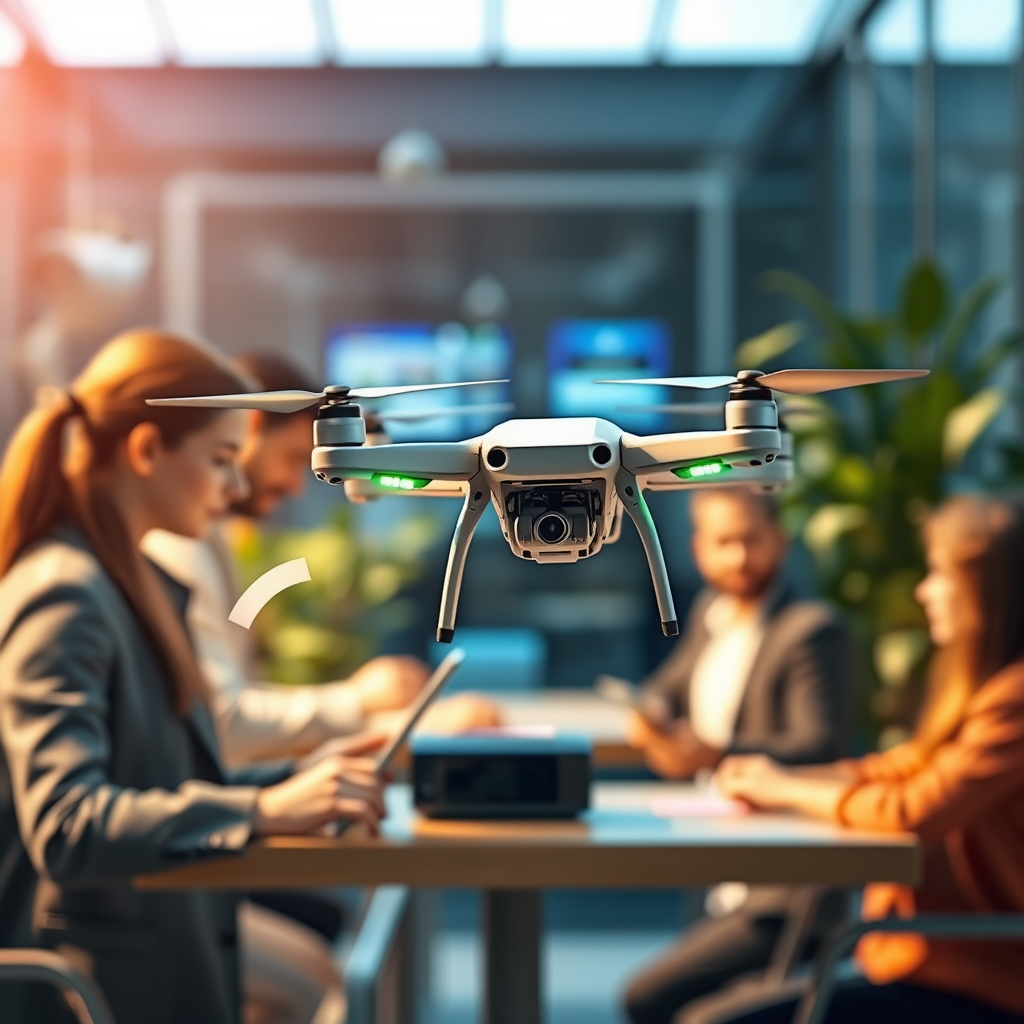
The environmental benefits of biodegradable drones are substantial. One of the most pressing issues they address is the reduction in plastic pollution stemming from drone components. Traditional drones often end up in landfills or, worse, polluting natural habitats. The introduction of biodegradable materials not only reduces waste but also alleviates the burden on landfills and decreases the risk of wildlife entanglement in plastic debris.
Additionally, biodegradable drones contribute to sustainable practices in delivery and agriculture. In the logistics sector, companies can utilize these drones for last-mile delivery services without the worry of long-term waste. Similarly, in agriculture, drones can be employed to disperse seeds or monitor crops, with the added benefit that they will not contribute to soil pollution when their lifecycle is complete. The use of biodegradable drones, therefore, aligns closely with broader sustainability goals, such as reducing carbon emissions and promoting eco-friendly practices.
Applications of Biodegradable Drones
Biodegradable drones have vast potential across various applications, particularly in package delivery and agriculture. In logistics, companies such as Zipline have pioneered the use of drones for medical supply deliveries in hard-to-reach areas. By adopting biodegradable materials for their drone fleets, they could mitigate the environmental impact of their operations while maintaining efficiency and responsiveness.
In agriculture, biodegradable drones can play a crucial role in seed planting and crop monitoring. For example, drones can be designed to carry seed pods made from biodegradable materials, which can be released from the air, ensuring efficient planting over large areas. This method not only enhances planting efficiency but also reduces soil disruption, promoting healthier ecosystems. Furthermore, the integration of sensors and imaging technology allows for real-time monitoring of crop health, leading to better resource management and reduced chemical usage.
Challenges and Limitations
Despite their potential, biodegradable drones face several challenges and limitations that must be addressed for widespread adoption. One significant hurdle is the technical challenges associated with manufacturing and performance. Biodegradable materials often have different physical properties compared to traditional materials, which can affect the drone’s durability, weight, and flight capabilities. Research and development are necessary to optimize these drones for performance while maintaining their eco-friendly attributes.
Additionally, regulatory concerns pose a barrier to the integration of biodegradable drones into existing frameworks. Aviation regulations are stringent, and the introduction of new materials and technologies must undergo rigorous testing and approval processes. Public perception also plays a critical role; while environmentally conscious consumers may support the use of biodegradable drones, misconceptions about their efficacy and reliability could hinder acceptance.
Future of Biodegradable Drones
The future of biodegradable drones looks promising, with several innovations on the horizon. Researchers and engineers are actively exploring new materials and designs that can enhance the performance of biodegradable drones while reducing costs. For instance, advancements in bio-composite materials may lead to lighter, stronger drones that can withstand various operational challenges.
Widespread adoption of biodegradable drones could transform industries by integrating them into existing logistics and agricultural systems. Companies may also develop hybrid models that combine biodegradable materials with traditional components, allowing for a gradual transition to fully sustainable drone technologies. As environmental awareness grows and regulations evolve, the potential for these eco-friendly drones to become mainstream within industries is increasingly viable.
Case Studies and Real-World Examples
Several companies are already exploring the use of biodegradable drones in their operations, showcasing the effectiveness and sustainability impact of this technology. For example, the startup BioCarbon Engineering has developed drones that not only plant trees but also utilize biodegradable materials in their construction. Their initiatives have demonstrated that drone-assisted reforestation can be conducted efficiently while minimizing the ecological footprint.
Another notable example is the partnership between the agricultural firm AgEagle and various research institutions, working to develop biodegradable drones specifically designed for precision agriculture. By employing these drones to monitor crop health and deliver inputs, they are paving the way for more sustainable agricultural practices that align with global sustainability goals.
As more companies recognize the benefits of biodegradable drones, we can expect an increase in successful case studies that highlight their operational efficiency and positive environmental outcomes.
With the rise of biodegradable drones, we have a unique opportunity to address pressing environmental issues while enhancing operational efficiency across various sectors. As technology evolves, the potential for these eco-friendly drones to transform industries and contribute to a sustainable future becomes increasingly apparent. By adopting biodegradable drones, companies can reduce their environmental impact, engage in sustainable practices, and inspire a broader movement towards greener technology solutions.
Frequently Asked Questions
What are biodegradable drones and how do they work?
Biodegradable drones are unmanned aerial vehicles designed using materials that can decompose naturally over time, minimizing their environmental impact. These drones typically utilize bioplastics or other sustainable materials that break down through natural processes, thereby reducing plastic pollution associated with traditional drones. They operate just like conventional drones, allowing for various applications such as aerial photography, delivery, and environmental monitoring, but with the added benefit of being eco-friendly.
Why are biodegradable drones important for sustainability?
Biodegradable drones play a crucial role in sustainability by addressing the growing concern of electronic waste and plastic pollution. Traditional drones, often made from non-biodegradable materials, contribute to landfill issues and environmental degradation. By using biodegradable materials, these drones help reduce waste and promote a circular economy, where products are designed to be less harmful to the environment, thus supporting global sustainability efforts.
How effective are biodegradable drones compared to traditional drones?
The effectiveness of biodegradable drones can vary based on their design and intended use; however, many models are engineered to match or even exceed the performance of traditional drones in terms of flight time, payload capacity, and range. While they may currently face limitations in terms of durability and cost, advancements in technology are rapidly improving their functionality. In many applications, especially those focused on environmental monitoring or short-term projects, they offer a viable and sustainable alternative.
What are the best applications for biodegradable drones?
The best applications for biodegradable drones include environmental monitoring, reforestation projects, and agricultural surveys. In environmental monitoring, they can help track wildlife and assess ecological health without leaving a lasting footprint. In reforestation, biodegradable drones can disperse seed pods, facilitating tree planting in hard-to-reach areas. Their temporary nature makes them ideal for projects where traditional drones might contribute to long-term waste.
Which companies are leading the way in biodegradable drone technology?
Several innovative companies are at the forefront of biodegradable drone technology, including BioCarbon Engineering, which focuses on drone-assisted reforestation, and DroneSeed, known for its efforts in large-scale tree planting. Other notable players include the University of Virginia’s engineering team, which has developed prototypes of biodegradable drones for various applications. These companies are pioneering research and development to enhance the functionality and sustainability of drones, making them more accessible for eco-conscious consumers and businesses alike.
References
- https://www.sciencedirect.com/science/article/pii/S095965262100018X
- https://www.wired.com/story/biodegradable-drones-sustainability/
- https://www.nytimes.com/2021/04/14/science/drones-biodegradable.html
- https://www.nature.com/articles/s41598-020-75796-0
- https://www.bbc.com/news/science-environment-57016462
- https://www.researchgate.net/publication/338123456_Biodegradable_Materials_for_Drones_Sustainable_Solutions_for_Aerial_Applications
- News | American Association for the Advancement of Science (AAAS)
- https://www.usda.gov/media/blog/2020/06/08/biodegradable-drones-helping-farmers-sustainability-efforts
