
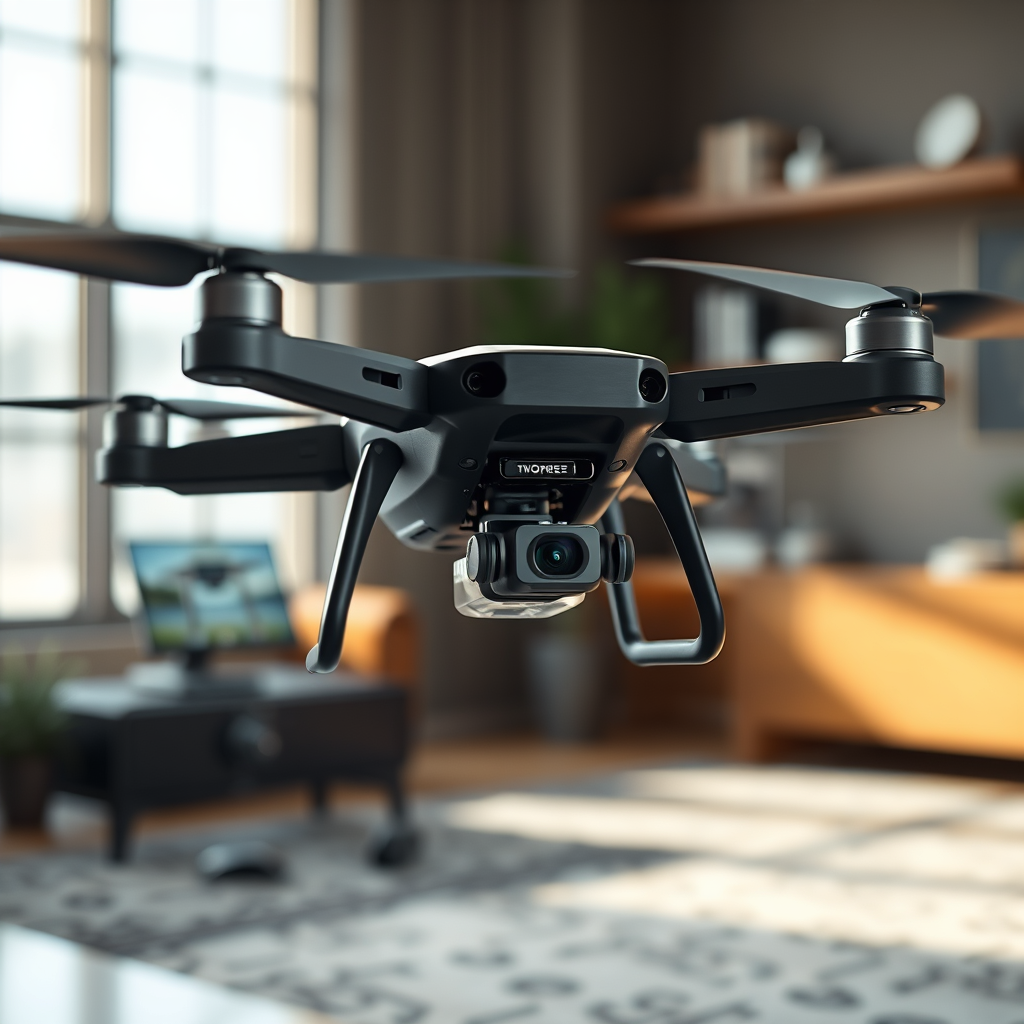
Drones are leveraging augmented reality (AR) technology to significantly enhance the pilot experience by providing real-time data overlays and intuitive navigation aids. This integration not only improves situational awareness but also facilitates safer and more efficient flight operations. In this article, you’ll discover how AR transforms drone piloting, the benefits it brings, and its future potential.
The Role of Augmented Reality in Drone Navigation
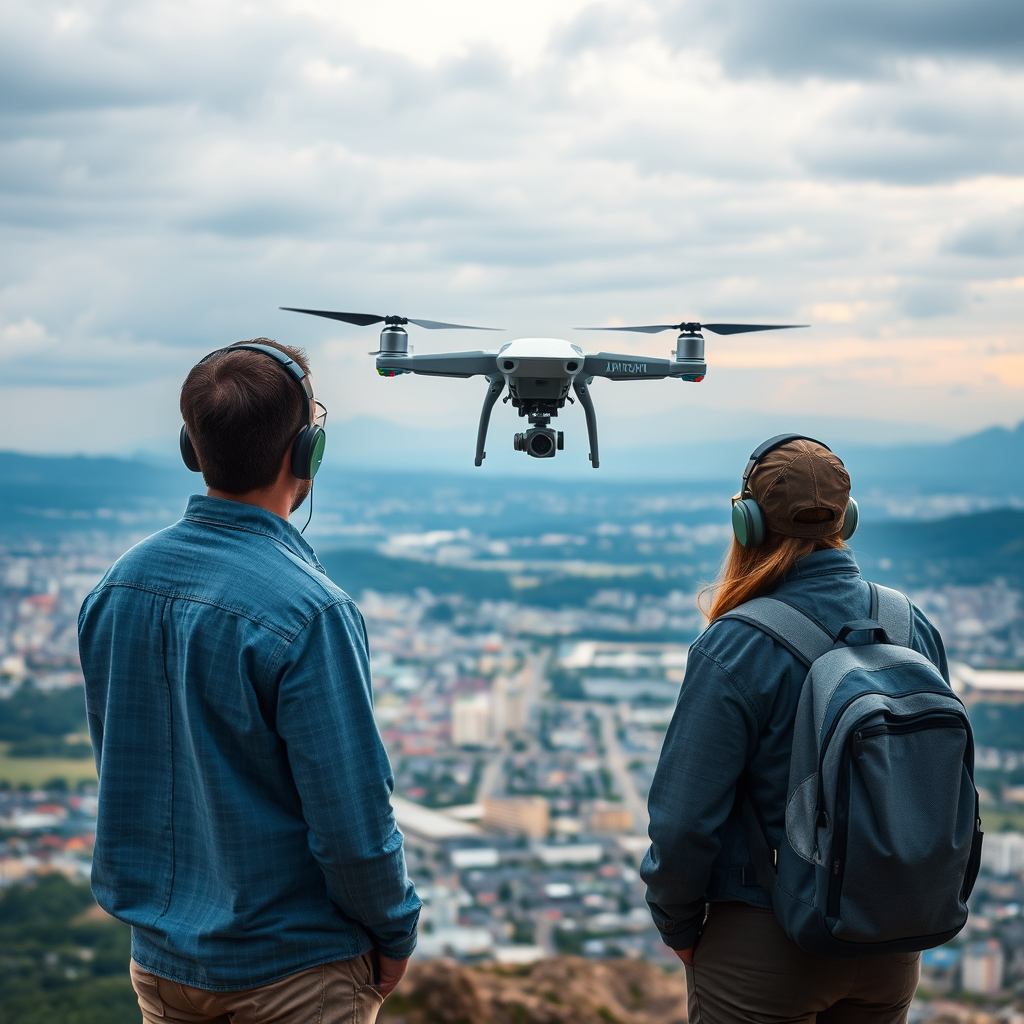
Augmented reality plays a pivotal role in modern drone navigation, significantly simplifying the complexities associated with piloting these advanced aerial vehicles. By providing real-time data overlays, AR displays critical information directly in the pilot’s line of sight. For instance, GPS coordinates, altitude, and speed can be projected onto a transparent display, allowing pilots to maintain focus on their surroundings while simultaneously accessing vital flight data. This capability is particularly beneficial in challenging environments where traditional navigation methods might falter.
Moreover, AR enhances visual cues for obstacle avoidance and route planning. By superimposing 3D maps and navigational aids directly onto the live feed from the drone’s cameras, pilots can easily identify potential hazards such as trees, buildings, or power lines. This intuitive interface not only aids in safe flying but also allows for more efficient route optimization, enabling pilots to plan their flights with greater precision and confidence.
Benefits of AR for Drone Pilots
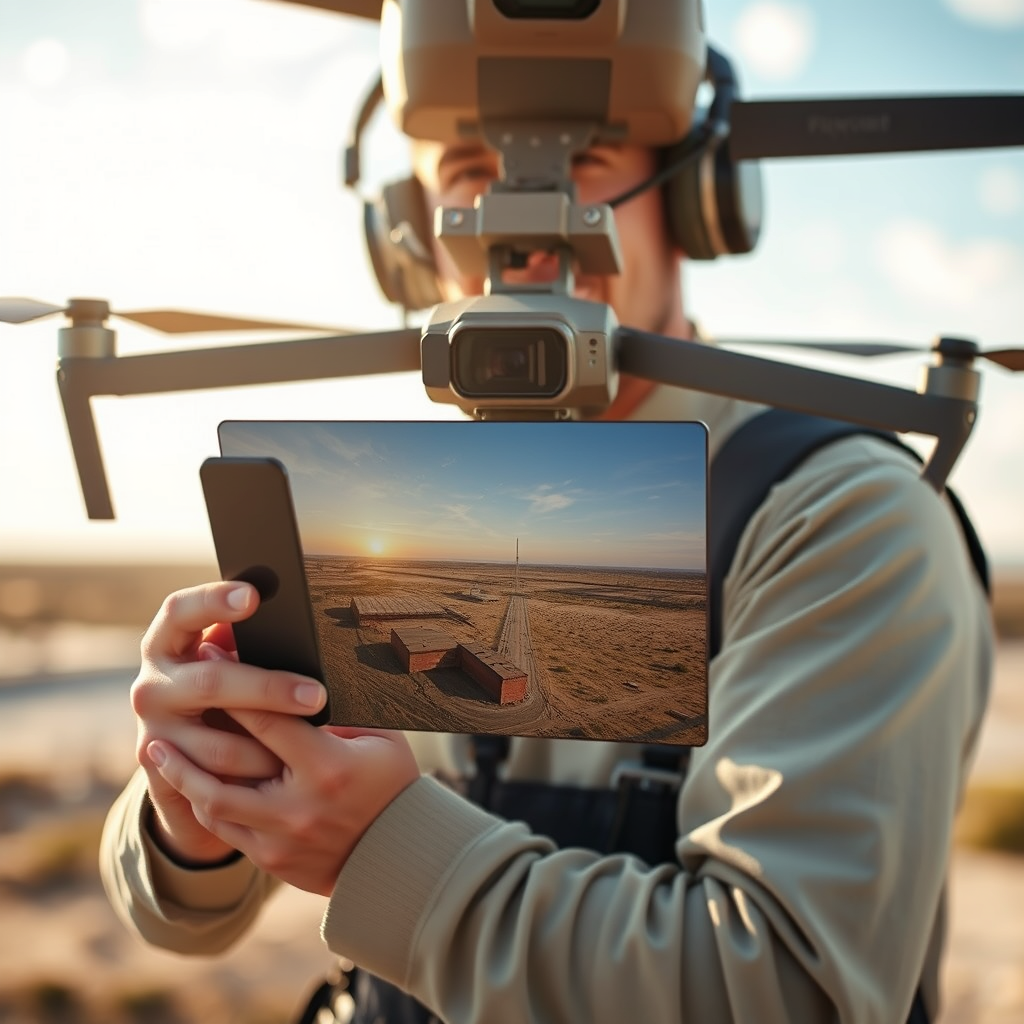
The incorporation of augmented reality into drone operations brings numerous benefits, chiefly an increase in situational awareness. With 3D mapping and visual guidance, pilots can navigate complex environments more effectively. For example, when conducting aerial surveys or inspections, AR can highlight areas of interest or potential issues, allowing pilots to focus on specific tasks without losing sight of their overall surroundings.
Additionally, AR reduces pilot workload significantly. By automating data presentation and providing intuitive guidance, pilots can devote more attention to critical flight operations, such as maintaining altitude and ensuring safe distances from obstacles. This reduction in cognitive load not only enhances performance but also contributes to safer flight practices, particularly in high-stress situations like search and rescue missions.
AR Technologies Used in Drones
Several key AR technologies are driving the integration of augmented reality into drone systems. Heads-up displays (HUDs) are among the most common, providing pilots with essential data without obstructing their view of the external environment. These displays can be integrated into goggles or visors, creating a seamless experience that enhances situational awareness.
Additionally, smartphone applications are becoming increasingly sophisticated in their AR capabilities. Many of these apps utilize the smartphone’s camera, sensors, and GPS to create interactive maps and overlays. Pilots can access features such as live telemetry, flight paths, and environmental data directly on their devices, further enhancing their operational capabilities.
Sensors and cameras play a crucial role in the success of AR systems in drones. Advanced imaging technologies, such as LiDAR and high-resolution cameras, gather data that can be processed and visualized in real-time. This integration ensures that pilots receive comprehensive and accurate information throughout their flight, which is essential for making informed decisions.
Applications of AR in Drone Operations
The applications of augmented reality in drone operations are vast and varied, spanning multiple sectors including agriculture, construction, and search and rescue operations. In agriculture, for instance, AR can be used to overlay crop health data onto live drone feeds, allowing farmers to identify areas that require attention. This capability not only enhances productivity but also promotes sustainable practices by enabling targeted interventions.
In the construction industry, AR-equipped drones can facilitate site inspections and progress monitoring by providing real-time updates and comparisons to architectural plans. A case study involving a large-scale construction project demonstrated how AR helped project managers visualize structural changes and assess site conditions more effectively, ultimately leading to cost savings and improved project timelines.
In the realm of search and rescue operations, AR can significantly enhance situational awareness for pilots. By overlaying maps of the search area and identifying potential hazards, AR-equipped drones can assist teams in locating missing persons more efficiently. Several successful missions have showcased the effectiveness of AR in these high-stakes scenarios, highlighting its potential to save lives.
Challenges and Limitations of AR in Drones
While the benefits of augmented reality in drone operations are substantial, there are also challenges and limitations that need to be addressed. Technical issues, such as latency and the accuracy of AR data, can pose significant obstacles. For example, if there is a delay in the data processing, it could lead to misinterpretations of the environment, thereby increasing the risk of accidents.
Furthermore, regulatory and legal hurdles must be navigated to ensure widespread adoption of AR technologies in drones. Different countries have varying regulations concerning drone operations, and integrating AR systems may complicate compliance. For instance, the use of HUDs may require pilots to adhere to specific visibility standards, which could differ based on local laws. Addressing these challenges will be essential for the seamless integration of AR into drone operations.
Future Trends of AR in Drone Technology
Looking ahead, the future of augmented reality in drone technology appears promising. Advancements in AR will likely focus on improving the accuracy and responsiveness of data overlays, enhancing the pilot experience even further. Innovations in machine learning and artificial intelligence are expected to play a significant role in these developments, enabling drones to better interpret their surroundings and provide more relevant information in real-time.
Additionally, potential new applications for AR-integrated drones are emerging across various industries. For example, in the realm of emergency response, AR could be utilized to create dynamic maps that display real-time data on hazards and resources during natural disasters. This capability would empower first responders with crucial information, ultimately improving response times and outcomes.
As industries begin to recognize the value of AR-enhanced drones, we can expect to see an increase in research and investment. This growth will foster innovation, allowing for the development of more sophisticated AR systems that can adapt to diverse operational needs.
In summary, the integration of augmented reality into drone technology is revolutionizing the way pilots operate. By improving navigation, situational awareness, and efficiency, AR is paving the way for safer and more effective drone operations. As the technology continues to evolve, pilots and industries alike should stay informed about these advancements to fully leverage the benefits of AR in their operations.
Frequently Asked Questions
How are drones using augmented reality (AR) to enhance pilot navigation?
Drones leverage augmented reality to provide pilots with real-time data overlays, improving navigation and situational awareness. For instance, AR can display flight paths, obstacles, and even weather conditions directly in the pilot’s field of vision, allowing for safer and more efficient flying. This integration of AR technology enhances the pilot’s ability to make informed decisions quickly, especially in complex environments.
What are the benefits of combining augmented reality with drone technology for pilots?
The combination of augmented reality and drone technology offers several benefits for pilots, including improved situational awareness, enhanced training experiences, and simplified mission planning. AR helps pilots visualize complex data, such as topographical maps or sensor readings, which can significantly reduce the cognitive load during flight. Additionally, pilots can use AR for simulation training, gaining valuable experience in a controlled environment before operating in real-world scenarios.
Why is augmented reality becoming essential for drone pilots in commercial applications?
Augmented reality is becoming essential for drone pilots in commercial applications due to its ability to enhance safety, efficiency, and accuracy. Industries such as agriculture, construction, and surveying can benefit from AR by overlaying critical information on live video feeds, allowing pilots to make data-driven decisions on the spot. This technology reduces the risk of human error and boosts productivity, making it a crucial tool in commercial drone operations.
Which industries are most likely to benefit from AR-enhanced drone technology?
Several industries stand to gain significantly from AR-enhanced drone technology, including agriculture, real estate, construction, and emergency services. In agriculture, AR can help farmers visualize crop health data, while in real estate, it can provide clients with immersive property tours. Construction teams can use AR for project planning and monitoring, and emergency services can enhance their response strategies by visualizing hazards and resources in real time.
What should drone pilots consider when integrating augmented reality into their operations?
When integrating augmented reality into their operations, drone pilots should consider the software compatibility, hardware requirements, and training needs associated with AR systems. It’s crucial to choose AR solutions that are compatible with the drone’s existing systems to ensure seamless functionality. Additionally, adequate training is essential to maximize the potential of AR technology, enabling pilots to fully utilize its features for improved operational efficiency and safety.
References
- Drone
- https://www.nytimes.com/2021/05/06/technology/drones-augmented-reality.html
- https://www.reuters.com/technology/drone-augmented-reality-pilot-training-2022-03-15/
- https://www.sciencedirect.com/science/article/pii/S1877050919310782
- https://www.wired.com/story/drones-augmented-reality-pilots/
- https://www.nasa.gov/feature/nasa-and-drones-augmented-reality-to-the-rescue
- https://www.iaru.org/wp-content/uploads/2020/03/AR-Drones-White-Paper.pdf
- Unmanned Aircraft Systems (UAS) | Federal Aviation Administration
- https://www.itu.int/en/ITU-T/focusgroups/air/Pages/default.aspx
