
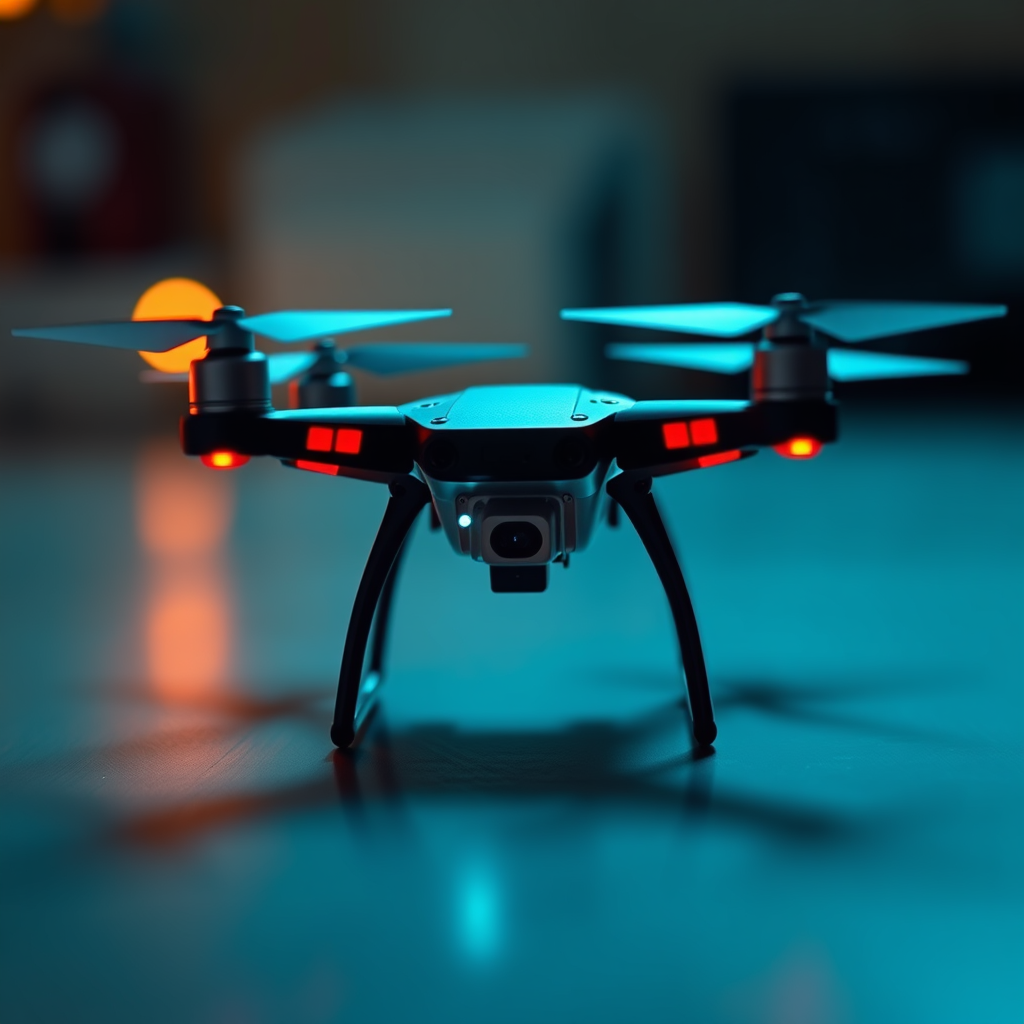
The miniaturization of technology has revolutionized the consumer drone market by making drones lighter, more affordable, and easier to operate. As a result, consumers now have access to highly capable drones that were once limited to professional use. This advancement has not only transformed drone design but has also enhanced functionality and improved the overall user experience. In this article, we’ll explore how advancements in miniaturization have influenced drone design, functionality, and overall consumer experience.
Evolution of Drone Technology
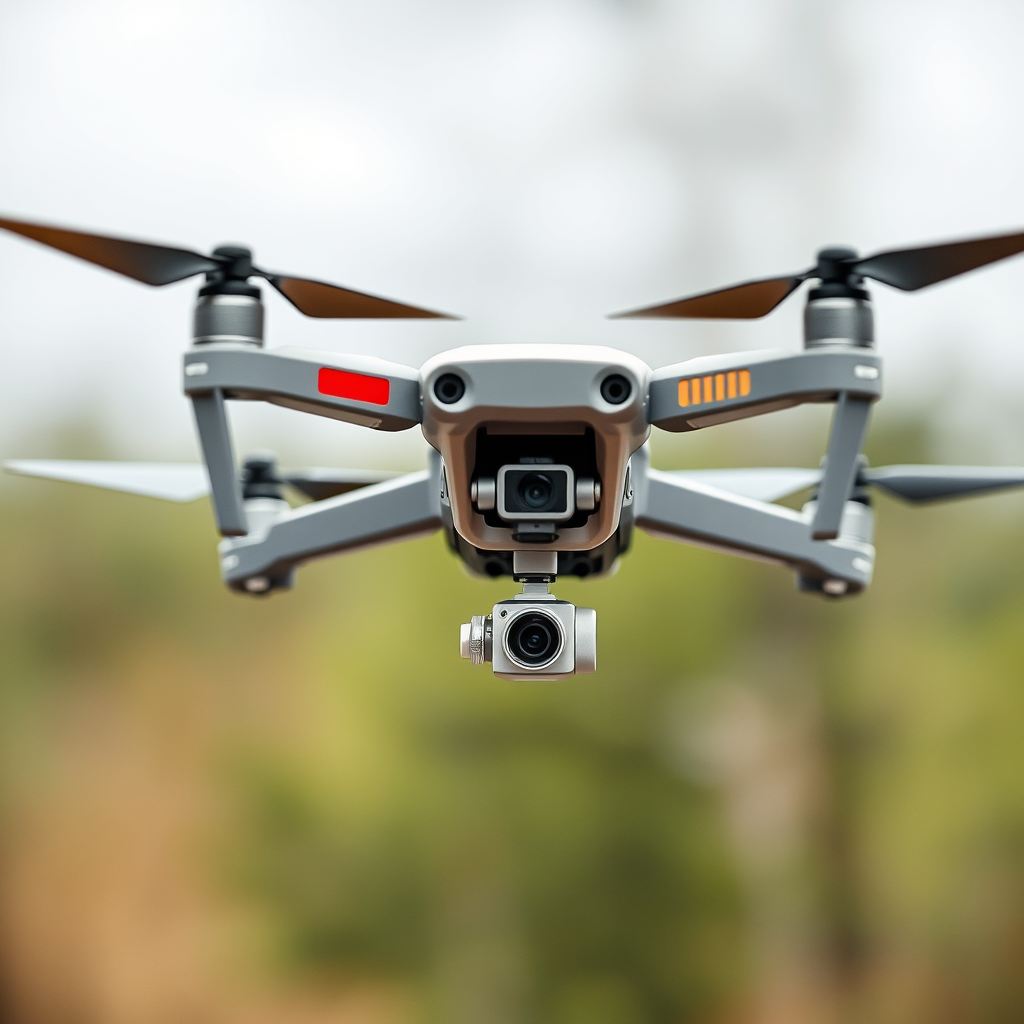
Miniaturization has played a pivotal role in the evolution of drone technology, allowing engineers to develop smaller, more efficient components. This shift has led to the creation of lighter drones that are easier to handle and transport. For instance, the integration of micro-electromechanical systems (MEMS) has enabled the production of miniature sensors that provide essential data without adding significant weight to the drone. This has resulted in drones that can maintain stability and maneuverability even in challenging conditions.
Moreover, innovations in battery technology have significantly enhanced flight time while reducing size. Lithium polymer (LiPo) batteries, for example, have become increasingly compact and lightweight yet capable of delivering high energy outputs. This advancement means that consumers can expect longer flight durations from smaller drones, allowing for extended possibilities in aerial photography, videography, and recreational use. The combination of lighter components and improved battery efficiency has undoubtedly paved the way for the widespread adoption of consumer drones.
Enhanced Features Through Miniaturization
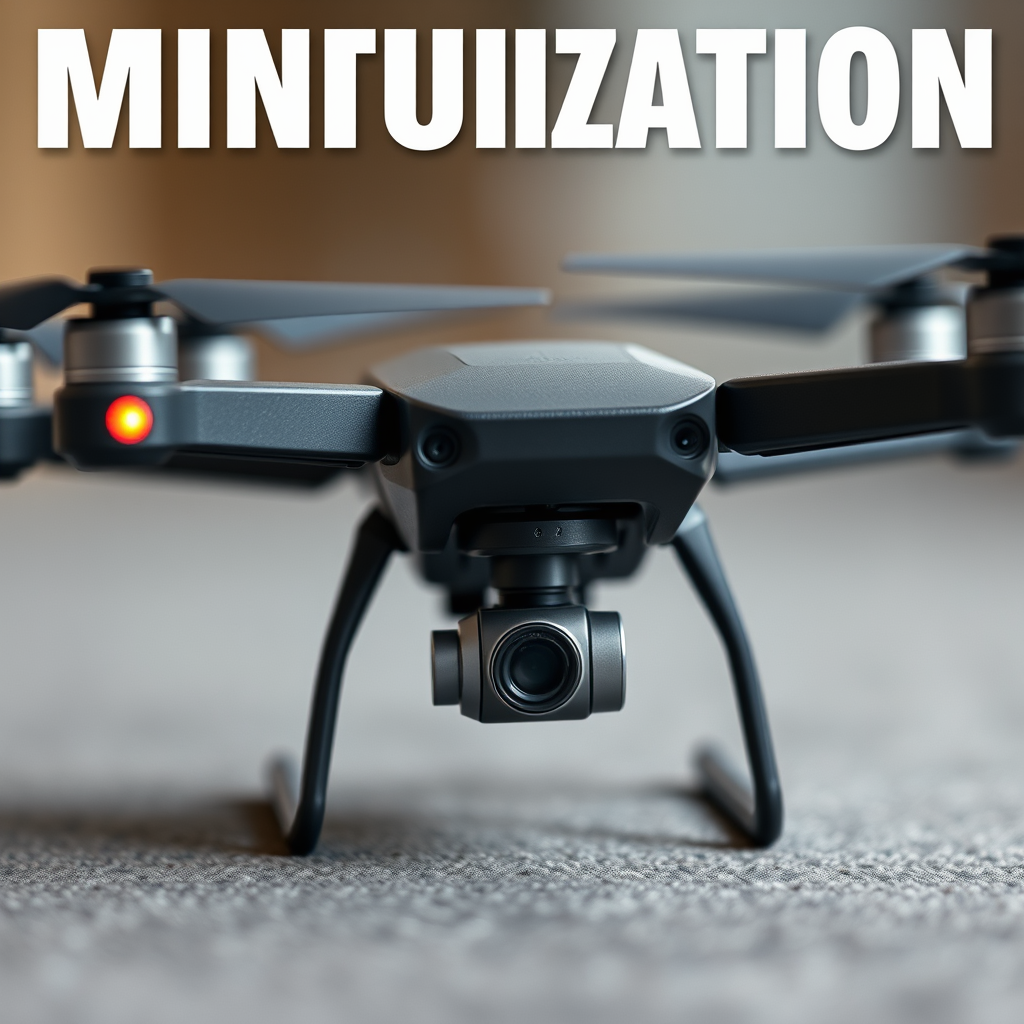
The impact of miniaturization extends beyond weight and efficiency; it has also enabled the incorporation of sophisticated features into consumer drones. Smaller sensors, such as high-definition cameras and obstacle detection systems, are now standard in many consumer models. For example, drones equipped with 4K cameras are now commonplace, allowing users to capture stunning aerial footage and images with remarkable clarity. These advancements have made it possible for casual users and professional photographers alike to achieve high-quality results without the need for bulky equipment.
Additionally, compact processors have enhanced the drones’ capability for real-time data processing. This improvement facilitates advanced navigation and control features, such as GPS tracking and automated flight paths. Drones can now execute complex maneuvers with precision, making them more user-friendly and capable of performing various tasks. For instance, the integration of obstacle avoidance technology allows drones to navigate autonomously, avoiding collisions and making them safer for use in urban environments.
Affordability and Accessibility
Miniaturization has substantially reduced manufacturing costs, making drones more affordable for consumers. As components become smaller and more efficient, manufacturers can produce drones at lower prices without compromising quality. This affordability has led to a surge in the availability of entry-level models, which encourages widespread adoption among hobbyists and enthusiasts. For example, brands like DJI and Parrot have launched budget-friendly options that pack impressive features, allowing consumers to explore the world of drones without a hefty investment.
With the increased accessibility of drones, more individuals can engage in aerial photography, racing, and exploration. This democratization of technology not only fosters a growing community of drone enthusiasts but also sparks innovation as users experiment with different applications. The affordability and availability of drones have undoubtedly transformed them from niche gadgets into mainstream consumer products.
User-Friendly Designs
The design of smaller drones has prioritized user-friendliness, making them accessible to beginners and casual users. Many miniaturized drones come equipped with intuitive controls and simplified interfaces that do not require extensive training or experience. This ease of use is crucial for attracting new users who may feel intimidated by the complexities of flying drones.
Integrated features, such as automated flight modes and one-touch takeoff and landing, further simplify operations for novice pilots. For instance, many modern drones include features like follow-me modes, where the drone autonomously follows the user, allowing for hands-free operation. Such advancements not only enhance the user experience but also encourage more people to explore the joys of drone flying.
Applications of Miniaturized Drones
The miniaturization of drones has opened new avenues for diverse applications across various industries. In the realm of aerial photography, smaller drones equipped with high-quality cameras have made it easier for both professionals and amateurs to capture stunning images and videos. In agriculture, miniaturized drones are being employed for crop monitoring, allowing farmers to assess field conditions efficiently and make informed decisions based on real-time data.
Additionally, the logistics and delivery sectors are beginning to leverage smaller drones for last-mile deliveries. Companies like Amazon are exploring the use of miniaturized drones to transport goods directly to consumers’ doorsteps, showcasing the potential for drones to streamline supply chains. The versatility of smaller drones caters to a wide range of consumer needs and industry requirements, highlighting their significance in modern applications.
Future Trends in Drone Miniaturization
As technology continues to advance, ongoing research may lead to even smaller drones with enhanced capabilities. Future innovations may focus on increasing flight times and improving payload capacity, allowing drones to carry heavier equipment or additional sensors. Moreover, the integration of artificial intelligence (AI) could further revolutionize how miniaturized drones operate, enabling them to perform complex tasks autonomously and adapt to various environments.
For instance, AI-powered drones could analyze data in real-time, making decisions based on environmental factors or user preferences. This potential for smart drones could facilitate more applications in areas such as disaster response, environmental monitoring, and urban planning. The future of drone miniaturization holds exciting possibilities, and consumers can expect innovations that will continue to push the boundaries of what drones can achieve.
The advancements in miniaturization have significantly impacted consumer drones, making them more efficient, affordable, and versatile. As technology continues to evolve, consumers can expect even greater innovations in this exciting field. If you’re considering purchasing a drone or want to stay updated on the latest trends, explore your options and see how miniaturization can enhance your flying experience. With the rapid pace of technological advancement, the future of consumer drones is undoubtedly bright, promising a wealth of opportunities for both casual users and professionals alike.
Frequently Asked Questions
What are the main benefits of miniaturization in consumer drones?
Miniaturization in consumer drones offers several key benefits, including increased portability, enhanced maneuverability, and often lower costs. Smaller drones are easier to transport and can be used in diverse environments, making them ideal for hobbyists and professionals alike. Additionally, advancements in technology allow miniaturized drones to maintain impressive features like high-resolution cameras and long battery life, providing users with enhanced functionality without the bulk.
How does miniaturization affect the performance and battery life of consumer drones?
While miniaturization allows for lighter and more compact drone designs, it can also present challenges regarding performance and battery life. Smaller drones may have less powerful motors and shorter flight times due to limited battery space. However, advancements in battery technology, such as lithium-polymer cells, are helping to mitigate these issues by providing better energy density, allowing miniaturized drones to achieve longer flight durations and improved performance.
Why is miniaturization important for the future of consumer drone technology?
Miniaturization is crucial for the future of consumer drone technology as it paves the way for more versatile applications and user-friendly designs. As drones become smaller, they can access areas that larger models cannot, such as tight urban spaces or indoor environments. This adaptability opens up new opportunities for industries like real estate, agriculture, and surveillance, making miniaturized drones an essential part of future technological advancements.
What are the best miniaturized consumer drones available in 2023?
As of 2023, some of the best miniaturized consumer drones include the DJI Mini 3, which offers excellent camera capabilities in a compact form, and the Holy Stone HS720E, known for its affordable price and user-friendly features. Other notable mentions include the Parrot Anafi and the Potensic D80, both of which provide great performance while being lightweight and easy to transport. These models exemplify the balance of power and portability that defines modern miniaturized drones.
Which industries are most affected by the miniaturization of consumer drones?
Various industries are significantly impacted by the miniaturization of consumer drones, including photography, agriculture, real estate, and delivery services. In photography, smaller drones enable photographers to capture unique aerial shots in challenging environments. In agriculture, miniaturized drones are used for crop monitoring and precision farming. Moreover, the real estate market benefits from aerial imagery, while delivery services explore smaller drones for efficient package transport, demonstrating the versatility and growing importance of miniaturized drones across sectors.
References
- Unmanned aerial vehicle
- https://www.sciencedirect.com/science/article/pii/S2212017317300113
- https://www.researchgate.net/publication/322995900_Impact_of_miniaturization_on_the_performance_of_drones
- https://www.theguardian.com/technology/2020/jun/16/five-ways-drones-are-changing-the-world
- https://www.nist.gov/news-events/news/2019/05/nist-researchers-explore-how-drones-are-changing-supply-chain
- https://www.techrepublic.com/article/how-miniaturization-is-changing-the-drone-industry/
- https://www.bbc.com/future/article/20200923-the-incredible-drones-that-fly-on-solar-power
- https://www.cnbc.com/2021/05/05/consumer-drones-are-getting-smarter-and-more-affordable.html
