
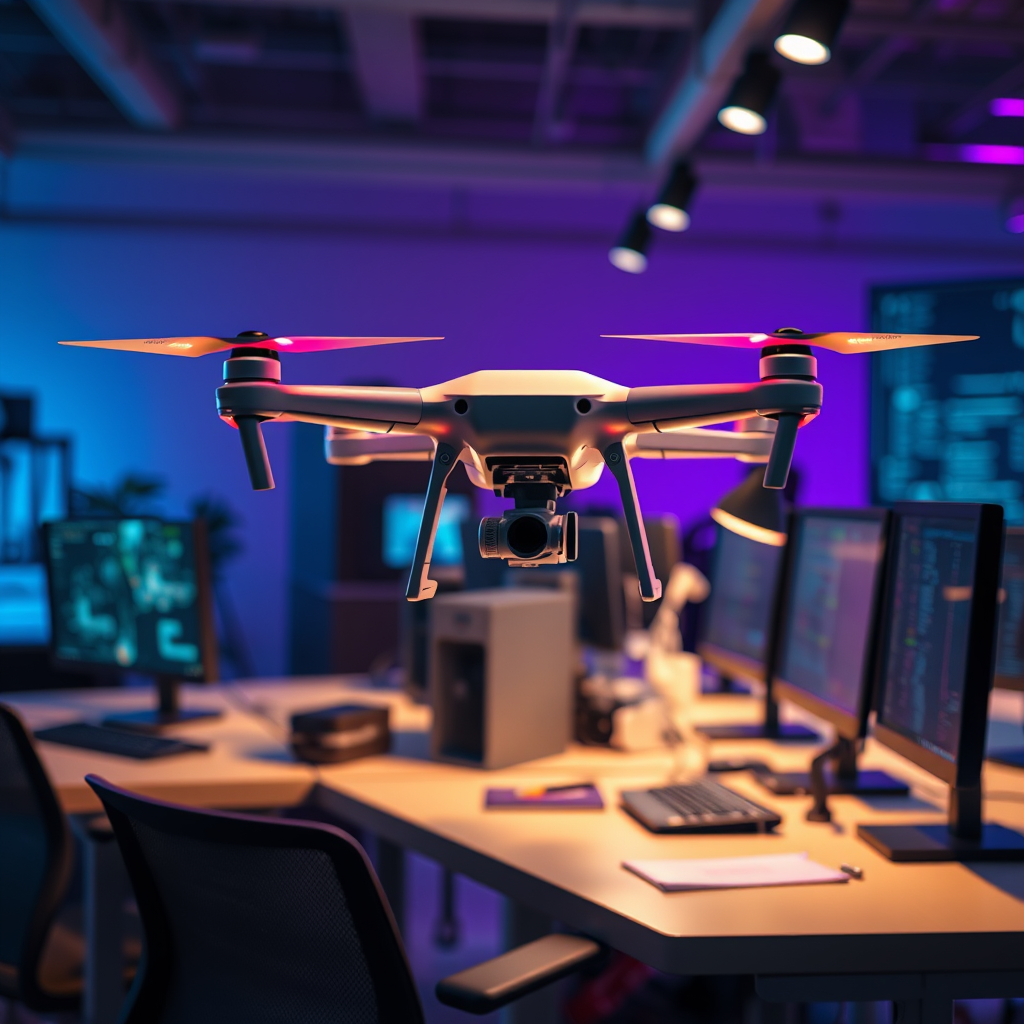
Drones equipped with AI technology are revolutionizing predictive maintenance by enabling real-time data analysis and proactive equipment monitoring. These advanced systems empower organizations to predict equipment failures before they occur, significantly reducing downtime and maintenance costs. In this article, you’ll learn how these systems work, their benefits, and their impact on various industries, illustrating a transformative approach to asset management.
Understanding Predictive Maintenance

Predictive maintenance refers to the process of using data-driven insights to predict when equipment will fail or require maintenance. This approach is critical in asset management as it enables organizations to schedule timely interventions, thereby preventing unexpected breakdowns and optimizing operational efficiency. By leveraging historical data, sensor readings, and advanced analytical techniques, predictive maintenance not only extends the lifespan of assets but also minimizes repair costs.
In contrast to traditional maintenance methods, which often rely on routine preventative maintenance or reactive maintenance after a failure has occurred, predictive maintenance offers a more strategic approach. Traditional methods can lead to unnecessary maintenance activities or, conversely, to catastrophic failures due to lack of timely intervention. Predictive maintenance, on the other hand, utilizes real-time data to make informed decisions, ultimately leading to enhanced reliability and lower operational costs.
Role of Drones in Maintenance
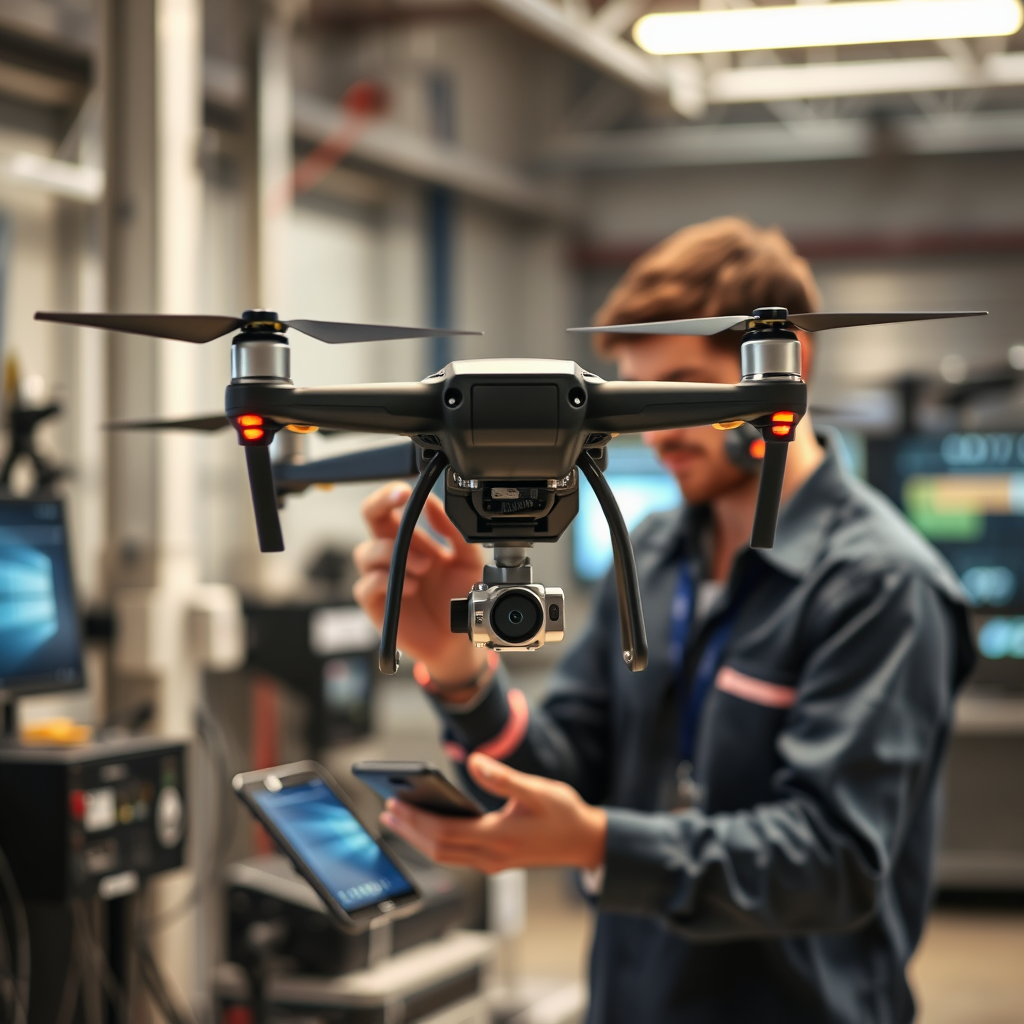
Drones have emerged as pivotal tools for conducting inspections and data collection in hard-to-reach areas that are often hazardous or impractical for human workers. For instance, in industries like oil and gas, drones can inspect pipelines, offshore rigs, and storage tanks without putting personnel in potentially dangerous situations. These unmanned aerial vehicles can capture high-resolution images and videos, providing comprehensive visual data that is crucial for maintenance assessments.
The advantages of using drones over manual inspections are manifold. They significantly enhance safety by reducing the need for workers to access dangerous sites, thus minimizing the risk of accidents. Additionally, drones can perform inspections in a fraction of the time it would take for manual inspections, leading to improved efficiency. With the ability to cover large areas quickly and gather vast amounts of data, drones make it possible for organizations to maintain a proactive approach to asset management.
AI Integration in Drones
AI algorithms play a fundamental role in processing the data collected by drones. By utilizing machine learning and computer vision technologies, drones can analyze visual data, identify patterns, and detect anomalies that may signify impending equipment failures. Machine learning models can be trained to recognize specific issues, such as corrosion or structural weaknesses, by analyzing historical data alongside real-time inputs.
For example, a drone equipped with computer vision can autonomously inspect the structural integrity of a wind turbine, identifying flaws in the blades or tower that may require maintenance. This level of analytical capability allows organizations to focus their maintenance efforts on assets that require immediate attention, rather than performing blanket inspections across all equipment.
Benefits of Using AI-Powered Drones
The integration of AI-powered drones into predictive maintenance practices yields numerous benefits. One of the most significant advantages is cost savings. By identifying potential issues before they escalate into costly failures, organizations can reduce downtime and avoid emergency repairs. This proactive approach not only saves money but also improves overall operational efficiency.
Moreover, the accuracy of AI algorithms enhances the reliability of predictive maintenance efforts. With advanced data analysis capabilities, drones can detect subtle changes and trends that human inspectors may overlook. This increased precision allows for timely interventions, ultimately leading to improved asset reliability and a reduction in the total cost of ownership.
Real-World Applications
Several industries have successfully adopted drones for predictive maintenance, showcasing their effectiveness and versatility. In the energy sector, for instance, companies like Siemens and GE have implemented drone inspections for wind turbines and power lines, enabling them to monitor asset conditions more effectively and make data-driven maintenance decisions.
In infrastructure, the use of drones for inspecting bridges and roads has gained traction. The Virginia Department of Transportation, for example, has utilized drones to conduct bridge inspections, significantly reducing the time and labor costs associated with traditional inspection methods. These real-world applications highlight how AI-powered drones are not only enhancing maintenance strategies but also driving innovation across various sectors.
Challenges and Considerations
Despite their numerous advantages, the adoption of drone technology for maintenance comes with its own set of challenges. One significant concern is regulatory compliance. In many regions, drone operations are subject to strict regulations that govern their usage, including altitude restrictions and airspace management. Organizations must navigate these regulations to ensure safe and legal drone operations.
Additionally, privacy concerns are paramount, particularly in urban environments where drones may inadvertently capture images or data of private property. Organizations must implement stringent data governance practices to address these concerns and maintain public trust.
The Future of Drones and AI in Maintenance
Looking ahead, the evolution of drone technology and AI in predictive maintenance is poised for significant growth. As drone capabilities continue to advance—such as improved battery life, enhanced autonomy, and sophisticated data processing—the scope of their applications will broaden. Emerging trends, such as the integration of 5G technology, will further bolster real-time data transmission and remote monitoring capabilities.
Moreover, the development of more advanced AI algorithms will enhance predictive maintenance models, allowing organizations to glean deeper insights from collected data. As industries increasingly recognize the value of these technologies, the future landscape promises to be more efficient, reliable, and data-driven.
In summary, it’s clear that AI-powered drones are transforming predictive maintenance by providing efficient, accurate, and proactive monitoring solutions across various industries. As technology advances, organizations should consider integrating these tools to enhance their maintenance strategies and improve operational efficiency. Take the next step by exploring drone technology options tailored for your industry!
Frequently Asked Questions
What is the role of AI in drone-based predictive maintenance?
AI plays a crucial role in drone-based predictive maintenance by analyzing data collected through drone sensors to predict equipment failures before they occur. This involves employing machine learning algorithms that can identify patterns in operational data, enabling companies to schedule maintenance precisely when needed. By harnessing AI, businesses can reduce downtime and optimize maintenance schedules, leading to cost savings and improved operational efficiency.
How do drones collect data for predictive maintenance?
Drones collect data for predictive maintenance through high-resolution cameras, thermal imaging sensors, and LiDAR technology. These tools allow drones to capture detailed images and measurements of assets, such as wind turbines or pipelines, from various angles. The data is then processed using AI algorithms that analyze the footage for signs of wear and tear, enabling early detection of potential issues that could lead to costly repairs.
Why is predictive maintenance important in industrial sectors using drones?
Predictive maintenance is vital in industrial sectors because it minimizes unexpected equipment failures and extends the lifespan of assets. By utilizing drones equipped with AI for monitoring, companies can move from reactive to proactive maintenance strategies, which reduces operational costs. Furthermore, this approach enhances safety by allowing inspections to be conducted without exposing personnel to hazardous environments.
What are the best industries for implementing drones with AI for predictive maintenance?
The best industries for implementing drones with AI for predictive maintenance include energy (especially wind and solar), manufacturing, agriculture, and construction. In these sectors, drones can efficiently inspect large, difficult-to-reach areas and monitor equipment health, leading to significant improvements in maintenance strategies. By leveraging drone technology, these industries can enhance productivity, reduce costs, and ensure compliance with safety regulations.
Which technologies complement drones for effective predictive maintenance?
Technologies that complement drones for effective predictive maintenance include IoT (Internet of Things) devices, cloud computing, and advanced analytics platforms. IoT devices can provide real-time data on asset performance, while cloud computing enables the storage and processing of vast amounts of data collected by drones. Combined with advanced analytics, these technologies create a powerful framework for predictive maintenance, enhancing decision-making and operational efficiency.
References
- Drone
- https://www.researchgate.net/publication/332076749_Artificial_Intelligence_and_Drones_Applications_in_Transportation
- https://www.sciencedirect.com/science/article/pii/S2351978919300599
- https://www.nasa.gov/press-release/nasa-s-drones-using-ai-to-keep-track-of-power-lines
- https://www.geospatialworld.net/blogs/ai-drones-for-predictive-maintenance/
- https://www.forbes.com/sites/bernardmarr/2021/06/21/how-ai-powered-drones-are-transforming-inspection-and-maintenance/
- Blog – IBM Research
- https://www.mckinsey.com/industries/aerospace-and-defense/our-insights/how-aerospace-companies-can-use-drones-for-predictive-maintenance
