
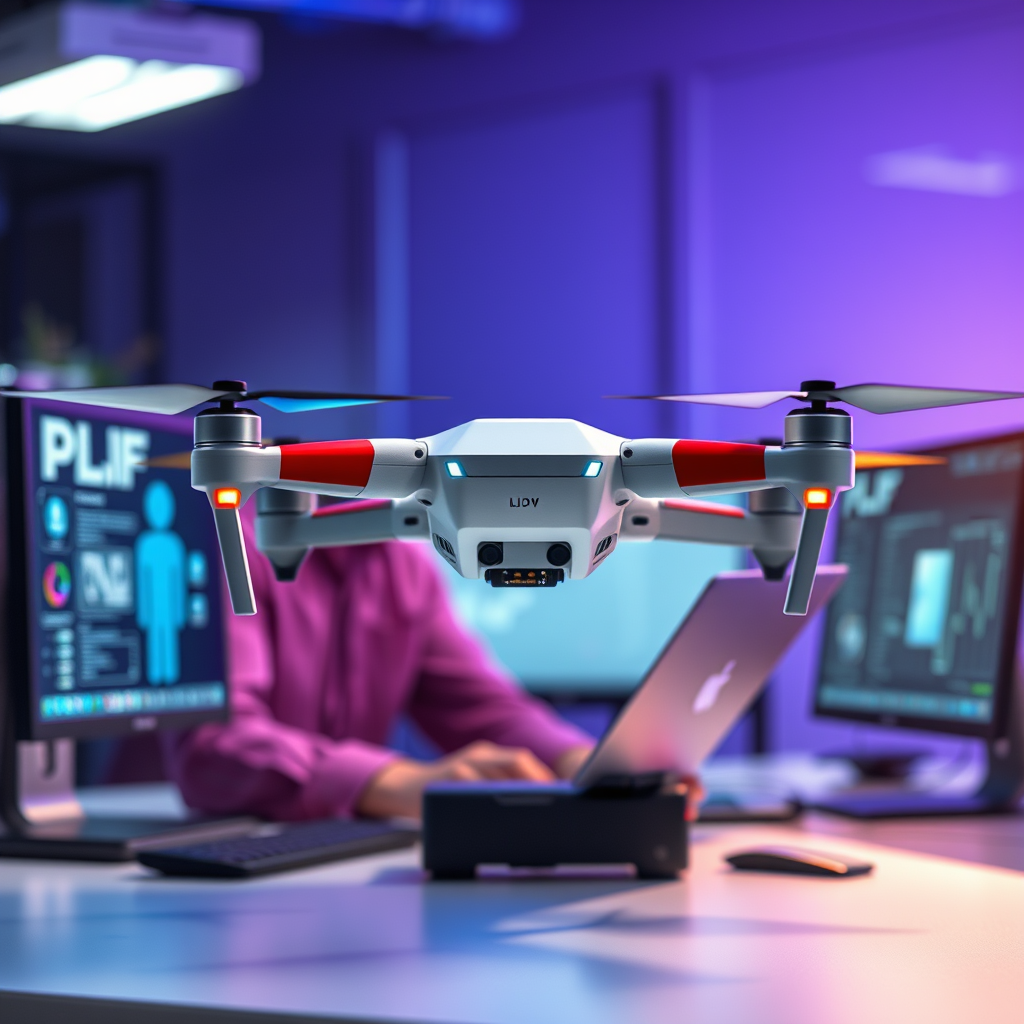
Self-repairing drones are indeed on the verge of becoming a reality by 2025, marking a significant advancement in the field of drone technology and maintenance. This innovative capability promises to enhance operational efficiency and reduce downtime across various industries. As we witness an influx of advancements in materials science and sensor technology, the potential for drones that can autonomously assess and repair damages is becoming increasingly feasible. This article delves into the current state of drone technology, the innovations driving self-repair mechanisms, and the challenges that must be addressed to make this vision a reality.
Current State of Drone Technology
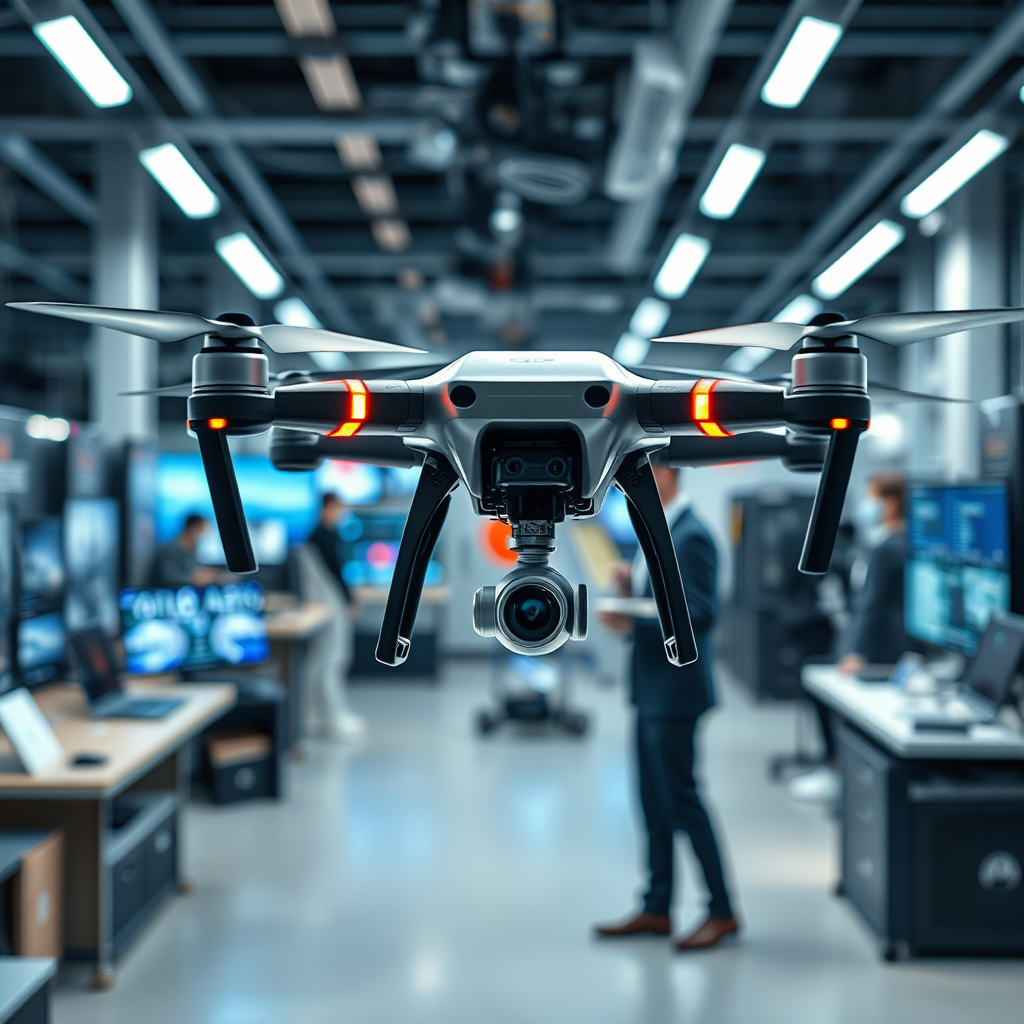
The current landscape of drone technology is characterized by remarkable capabilities, yet it is not without limitations. Drones are widely used for applications such as aerial photography, surveillance, and logistics. However, their operational efficacy can be hampered by physical damage, especially in challenging environments. Existing drones rely heavily on human intervention for repairs, leading to increased downtime and operational costs.
Recent advancements in materials and sensor technologies are setting the stage for the next evolution in drone capabilities. Lightweight composite materials, such as carbon fiber and plastic polymers, are enhancing structural integrity while minimizing weight. Additionally, the integration of advanced sensors allows drones to perform real-time diagnostics, identifying mechanical issues or structural weaknesses. These advancements lay the groundwork for self-repairing mechanisms, which could transform the maintenance paradigm within the drone industry.
Innovations in Self-Repairing Mechanisms
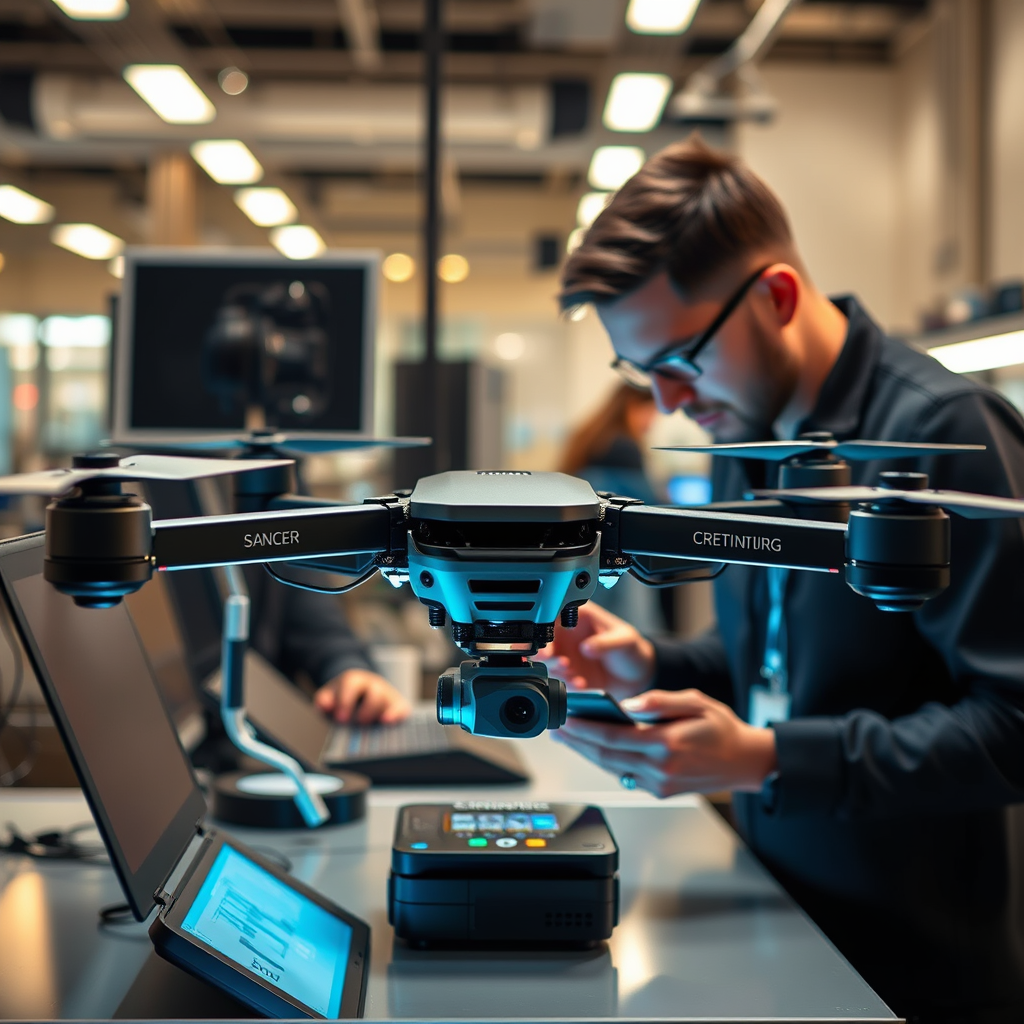
The concept of self-repairing drones hinges on advanced materials and technologies that enable these machines to autonomously mend damages. One of the key innovations in this area is the development of self-healing materials that can automatically seal cracks or ruptures when exposed to certain stimuli, such as heat or moisture. For example, researchers are exploring the use of polymer-based materials infused with microcapsules containing healing agents. When the material is damaged, these microcapsules rupture and release the healing agents, which then bond to restore the integrity of the structure.
Additionally, advancements in robotics and artificial intelligence play a crucial role in the implementation of self-repairing mechanisms. Drones equipped with AI can assess their physical condition using embedded sensors, determine the extent of damage, and initiate repair processes without human intervention. This level of automation not only enhances drone resilience but also significantly reduces the need for manual repairs, thereby streamlining operations in various sectors.
Industry Applications and Implications
The implications of self-repairing drones are vast, with potential applications spanning agriculture, delivery services, and search and rescue operations. In agriculture, drones equipped with self-repairing capabilities can monitor crop health and perform tasks such as spraying pesticides or fertilizers. If damaged during operation, these drones can quickly repair themselves, ensuring continuous service and minimizing disruptions.
In the logistics sector, delivery drones could benefit immensely from self-repairing technology. Drones often face harsh weather conditions and potential collisions; hence, the ability to autonomously repair damages would enhance reliability and efficiency in package delivery. This innovation can significantly reduce operational costs associated with vehicle downtime and maintenance.
Search and rescue operations could also see transformative benefits. Drones used in emergency situations often operate in hazardous environments where damage is likely. Self-repairing drones would provide a critical advantage, allowing continuous aerial surveillance and support without the risk of prolonged downtime due to damage.
Challenges to Overcome
Despite the promising outlook for self-repairing drones, several challenges remain to be addressed before widespread implementation can occur. One of the primary technical hurdles is the development of reliable self-repair systems that can function effectively in varied environmental conditions. Ensuring that these systems can work quickly and reliably without compromising the drone’s performance is vital for their success.
Moreover, regulatory and safety considerations present significant challenges. The integration of self-repairing technologies into commercial drones raises questions about liability in case of malfunction and the need for updated regulatory frameworks to govern their use. Ensuring that these drones adhere to safety standards while operating autonomously will be crucial for gaining public trust and regulatory approval.
Timeline to 2025: What to Expect
Experts predict that by 2025, we will witness significant advancements in the development and deployment of self-repairing drones. Research institutions and technology companies are already investing in this area, with several key milestones expected in the coming years. Prototypes showcasing self-repair capabilities are anticipated to emerge within the next two years, with ongoing testing and optimization processes.
By 2024, we can expect pilot programs in select industries, particularly in agriculture and logistics, to evaluate the effectiveness and reliability of self-repairing drones in real-world conditions. As these programs progress, valuable data will inform further development and refinement, paving the way for more extensive commercial applications by 2025.
Future of Drone Technology Beyond Self-Repair
Looking beyond self-repair capabilities, the future of drone technology appears promising with various advancements on the horizon. Innovations in drone design and functionality are anticipated, including enhanced payload capacities, extended flight durations, and improved energy efficiency.
Furthermore, the integration of artificial intelligence and machine learning is likely to revolutionize drone operations. With AI, drones can learn from past experiences, improving their navigation and decision-making capabilities. This could enhance their operational efficiency, making them indispensable tools across numerous sectors, from surveillance and monitoring to disaster response.
The convergence of self-repairing technology with AI-driven systems opens new avenues for autonomous operations, creating a new generation of drones that can not only perform tasks but also adapt and evolve in response to their environments.
The potential for self-repairing drones to become a reality by 2025 is both exciting and challenging. As technological advancements continue to evolve, the drone industry stands on the brink of a new era. The integration of self-repair mechanisms promises to enhance operational efficiency and reduce costs across various sectors, while also addressing some of the limitations faced by traditional drones. By staying informed about these developments, stakeholders can better prepare for the transformative impact these innovations may have on their fields and interests.
Frequently Asked Questions
What are self-repairing drones and how do they work?
Self-repairing drones are advanced UAVs (unmanned aerial vehicles) equipped with technology that allows them to autonomously identify and fix minor damages. These drones utilize materials that can heal themselves, often through embedded sensors and smart materials that respond to damage by triggering a repair process. By integrating AI and robotics, self-repairing drones can extend their operational lifespan and reduce downtime, making them valuable assets for industries like agriculture, logistics, and search and rescue.
How will self-repairing drones impact industries by 2025?
By 2025, self-repairing drones are expected to revolutionize industries such as delivery services, agriculture, and infrastructure inspection by enhancing efficiency and reducing maintenance costs. Their ability to autonomously fix minor issues will minimize the need for human intervention, allowing for uninterrupted operations in critical tasks. This capability is especially important in remote or hazardous environments where quick repairs are essential for safety and operational continuity.
Why are self-repairing drones considered a game changer for environmental monitoring?
Self-repairing drones are seen as a game changer for environmental monitoring because they can operate in challenging conditions for prolonged periods without frequent human maintenance. Their autonomous repair capabilities mean they can continuously collect data on ecosystems, monitor wildlife, and assess environmental changes without interruption. This persistent operational capacity could lead to more comprehensive and timely data collection, ultimately aiding in better environmental conservation efforts.
What are the biggest challenges in developing self-repairing drones for widespread use?
The development of self-repairing drones faces several challenges, including the complexity of integrating advanced materials and repair mechanisms into lightweight designs without compromising performance. Additionally, ensuring reliability in diverse environmental conditions and developing cost-effective solutions for mass production are significant obstacles. Researchers must also address regulatory concerns and public safety issues related to autonomous operations in various airspace environments.
Which companies are leading the way in self-repairing drone technology?
Several companies are pioneering self-repairing drone technology, including established aerospace firms and innovative startups. Notable names include Boeing, which has explored self-healing materials for aerospace applications, and startups like Skydio, focusing on autonomous systems. These companies are at the forefront of research and development, leveraging partnerships with universities and tech firms to refine their self-repair capabilities and bring these advanced drones to market by 2025.
References
- Drone
- https://www.sciencedirect.com/science/article/pii/S2352864820301734
- https://www.bbc.com/news/technology-54624956
- https://www.nytimes.com/2023/05/10/technology/drones-repair.html
- https://www.reuters.com/technology/future-drones-can-repair-themselves-2022-09-15/
- https://www.nasa.gov/feature/nasa-s-self-healing-drones
- https://www.techrepublic.com/article/self-repairing-drones-are-on-the-horizon/
- https://www.wired.com/story/self-repairing-drones/
