
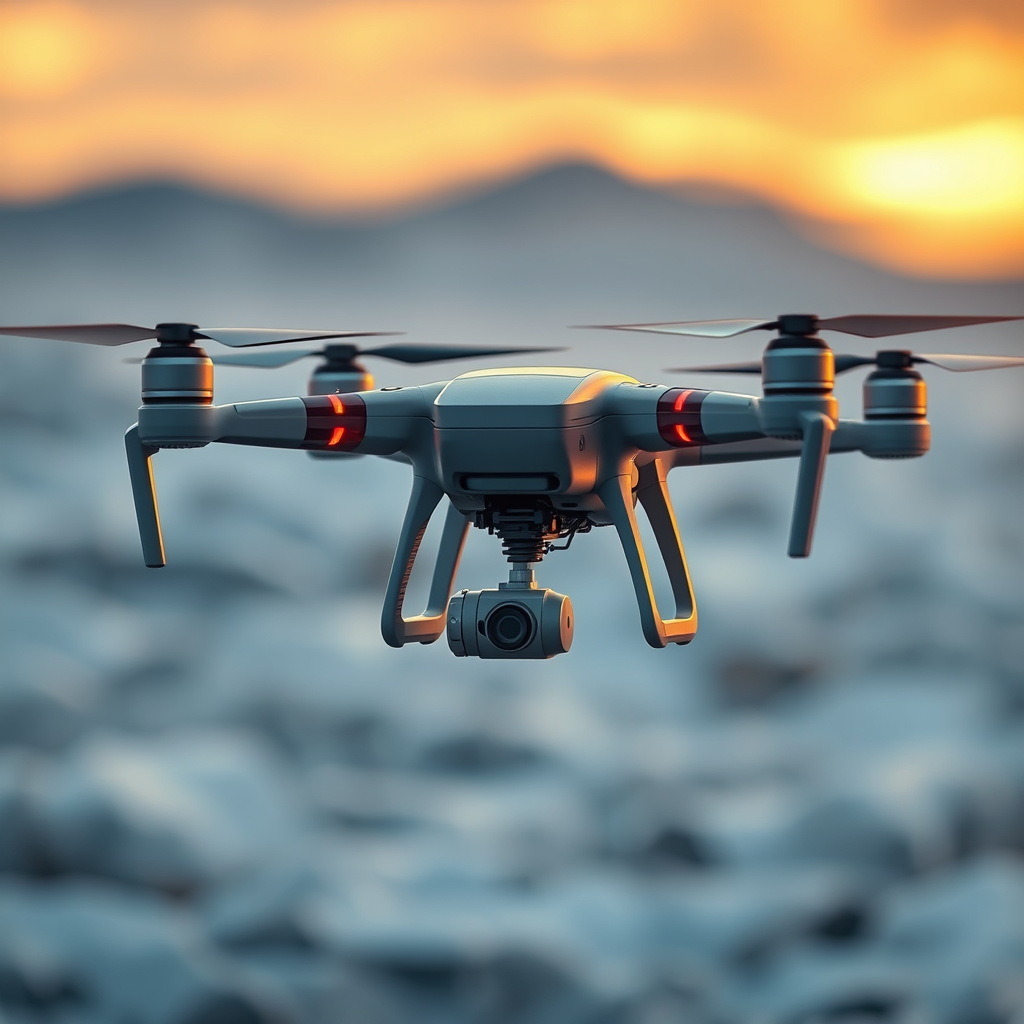
Drones are increasingly being engineered to operate effectively in extreme weather conditions, enhancing their functionality and reliability across various sectors. These advancements enable drones to contend with challenges such as heavy rain, strong winds, and extreme temperatures, making them invaluable tools for applications ranging from disaster response to agricultural monitoring. This article delves into the technological innovations that empower drones to thrive in adverse environments, ensuring they remain effective and dependable.
Advancements in Drone Materials
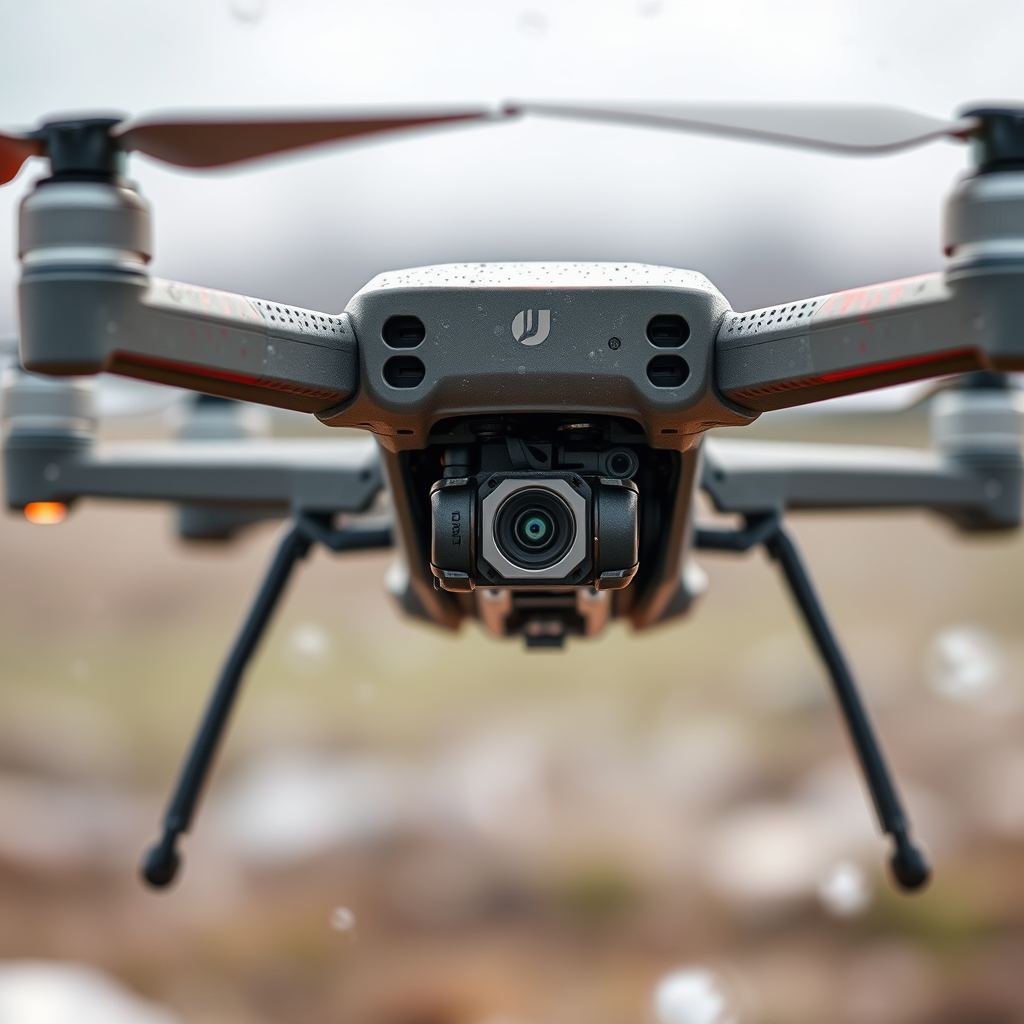
The evolution of drone materials is pivotal in adapting to extreme weather conditions. Manufacturers are now utilizing durable and lightweight composites, such as carbon fiber and advanced polymers, which not only reduce the overall weight of the drone but also provide enhanced resilience against harsh elements. These materials are designed to withstand high impacts and resist corrosion from rain and moisture.
Furthermore, waterproofing technologies have seen significant improvements, especially in the form of hydrophobic coatings and seals that protect sensitive electronic components from water damage. For instance, drones like the DJI Matrice 300 RTK feature IP45-rated housing that protects them from dust and water spray, allowing for operation in wet environments without compromising functionality. The integration of these materials ensures that drones can continue to operate effectively, even when subjected to the rigors of extreme weather.
Enhanced Stability and Control
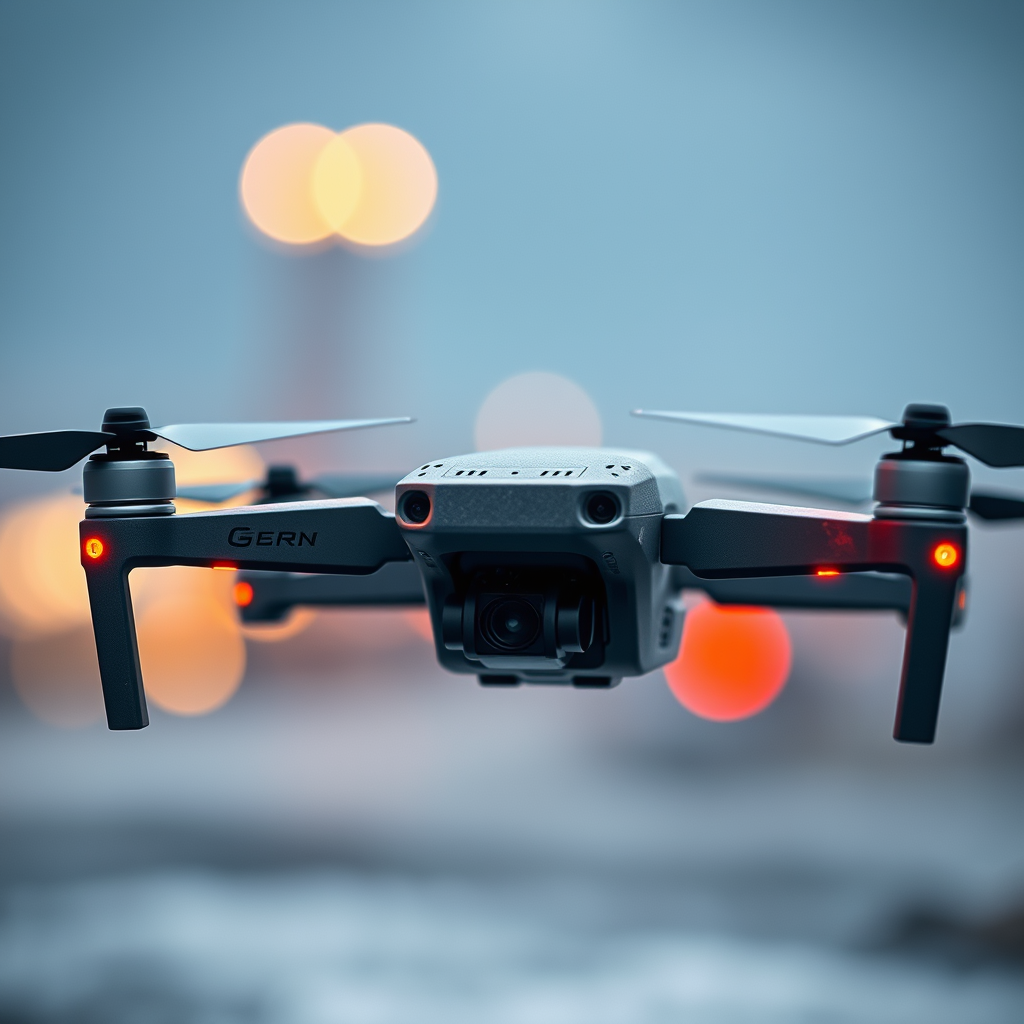
To ensure stability in variable weather conditions, drones are equipped with advanced flight control systems designed to automatically adjust to changes in their environment. These systems utilize gyroscopes and accelerometers that continuously monitor the drone’s orientation and position, allowing for real-time adjustments to maintain steady flight paths.
In addition, the inclusion of sophisticated GPS and sensory technology plays a crucial role in navigating turbulence. For example, drones equipped with LIDAR and ultrasonic sensors can detect wind currents and obstacles, enabling them to make necessary adjustments mid-flight. This technology is particularly useful during search and rescue operations, where maintaining a stable flight path is essential for capturing clear images and data, regardless of how turbulent the conditions may become.
Battery Life and Power Management
The performance of drones in extreme weather is also heavily reliant on battery technology. Recent advancements have led to the development of more resilient batteries that can function effectively in both cold and hot temperatures. Lithium polymer (LiPo) batteries, which are commonly used in drones, have been optimized to withstand a wider range of temperatures without significant loss of performance.
Moreover, smart energy management systems have been integrated into drones to optimize power usage based on environmental conditions. These systems evaluate factors such as temperature and wind resistance to adjust energy consumption dynamically. For instance, if a drone encounters strong headwinds, the energy management system will allocate more power to maintain altitude and speed, allowing for longer flight times during adverse conditions. This technology not only enhances operational efficiency but also extends the usability of drones in challenging environments.
Weather Prediction Integration
An essential aspect of drone operations in extreme weather is the integration of real-time weather data analysis. Drones are increasingly being equipped with the ability to access and process up-to-date weather information, allowing operators to make informed decisions regarding flight operations. By using APIs that pull data from meteorological services, drones can receive information on impending storms, wind changes, and temperature fluctuations.
This capability enables drones to reroute or adjust their missions based on immediate weather updates. For instance, if a drone is monitoring a wildfire and real-time data indicates an approaching storm, the drone can be programmed to change its flight path or return to base to avoid hazardous conditions. Such proactive measures ensure not only the safety of the drone but also the effectiveness of its mission, particularly in critical scenarios like disaster management.
Applications in Various Industries
The adaptability of drones to extreme weather conditions has opened new avenues for their application across multiple industries. In disaster relief, for example, drones have proven invaluable during severe weather events such as hurricanes and floods. They can quickly assess damage, deliver supplies, and provide real-time situational awareness to emergency responders, all while navigating treacherous conditions that would hinder ground vehicles.
In the agricultural sector, drones are increasingly used for crop monitoring in unpredictable climates. Farmers can deploy drones equipped with multispectral sensors to assess crop health and soil conditions, even during adverse weather. This capability allows for timely interventions, such as irrigation adjustments or pest control measures, facilitating better yields despite the challenges posed by extreme weather.
Regulatory Challenges and Solutions
Despite the advancements in drone technology, regulatory challenges remain a significant hurdle for widespread adoption, especially in extreme weather conditions. Current regulations often restrict drone operations during adverse weather, primarily due to safety concerns. Regulatory bodies like the FAA in the United States have established guidelines that limit drone flights in certain weather conditions, which can impede the deployment of these versatile machines when they are most needed.
However, there is a growing push for updated guidelines that recognize the advancements in drone resilience. Stakeholders in the drone industry are advocating for more flexible regulations that would allow for controlled drone operations in extreme weather, provided that operators can demonstrate the technological capabilities of their drones. By fostering collaboration between regulators and manufacturers, the industry can pave the way for innovative solutions that maximize the benefits of drones in challenging conditions.
Future Trends in Drone Design
Looking ahead, we can anticipate further innovations in drone design aimed at enhancing resilience against extreme weather. Emerging technologies, such as artificial intelligence and machine learning, are expected to play a significant role in improving flight control and decision-making capabilities. These advancements may lead to drones that can autonomously adjust their flight paths and operations based on predictive weather modeling.
Additionally, research into new materials, such as graphene composites, may yield even lighter and stronger drone structures capable of withstanding more severe weather conditions. As battery technology continues to evolve, we can expect to see energy sources that provide longer flight times and faster charging capabilities, further enhancing the operational range of drones in adverse environments.
Drones are evolving to meet the challenges of extreme weather through innovative design and technology. As these advancements continue, we can expect to see even greater capabilities in drone operations across various sectors. The integration of advanced materials, improved stability systems, and real-time weather data will only enhance their effectiveness. Staying informed about the latest drone technologies can help businesses and individuals alike leverage these tools to their fullest potential, ensuring they can operate efficiently and safely even in the most challenging conditions.
Frequently Asked Questions
How are drones built to withstand extreme weather conditions?
Drones designed for extreme weather are equipped with specialized features such as reinforced frames, waterproofing, and temperature-resistant materials. Manufacturers use advanced engineering techniques to ensure that components like batteries and sensors remain functional in harsh environments, including high winds, heavy rain, and freezing temperatures. Additionally, some models have adaptive flight systems that adjust to changing weather conditions, enhancing their stability and reliability.
Why is it important for drones to operate in extreme weather?
Operating drones in extreme weather is crucial for various applications, including search and rescue missions, agricultural monitoring, and disaster response. These situations often arise during severe weather events, where traditional methods may fail. By enabling drones to function reliably in adverse conditions, organizations can gather critical data, conduct inspections, or deliver aid, ultimately improving safety and efficiency in emergency scenarios.
What are the best drones for flying in extreme weather?
Some of the best drones for extreme weather include models like the DJI Matrice 300 RTK and the Parrot Anafi USA, which are built for durability and performance. These drones feature robust designs, advanced stabilization technology, and the ability to operate in a wider range of temperatures and conditions. When choosing a drone for harsh environments, it’s essential to consider factors such as flight time, payload capacity, and weather resilience to ensure optimal performance.
How do drone operators prepare for flying in extreme weather?
Drone operators can prepare for extreme weather by conducting thorough pre-flight checks, including assessing battery health and ensuring all components are secure. They should also monitor weather forecasts and understand how conditions like wind speed, precipitation, and temperature can affect flight performance. Additionally, having contingency plans in place, such as safe landing zones and emergency protocols, is essential for ensuring the safety of both the drone and the operator.
Which technologies are enhancing drone performance in harsh conditions?
Several advanced technologies are enhancing drone performance in harsh conditions, including improved GPS systems, thermal imaging cameras, and obstacle avoidance sensors. These features allow drones to navigate challenging environments more effectively, ensuring safer and more accurate flights. Furthermore, the integration of artificial intelligence and machine learning enables drones to adapt their flight paths in real time, optimizing their operations and maintaining stability even in unpredictable weather.
References
- https://www.nationalgeographic.com/science/article/drones-adapt-to-extreme-weather
- https://www.nasa.gov/feature/nasa-s-drones-are-helping-to-make-sense-of-extreme-weather
- https://www.sciencedirect.com/science/article/pii/S2352864818300904
- https://www.reuters.com/article/us-usa-weather-drones-idUSKBN2A10Y
- https://www.wired.com/story/drones-extreme-weather/
- https://www.bbc.com/news/science-environment-57318262
- Alcanzan a California pequeñas olas del tsunami causado por un volcán en el Pacífico
- The Chinese elephant herd – ABC News
- https://www.usgs.gov/news/featured-story/drones-and-extreme-weather-what-to-know
