
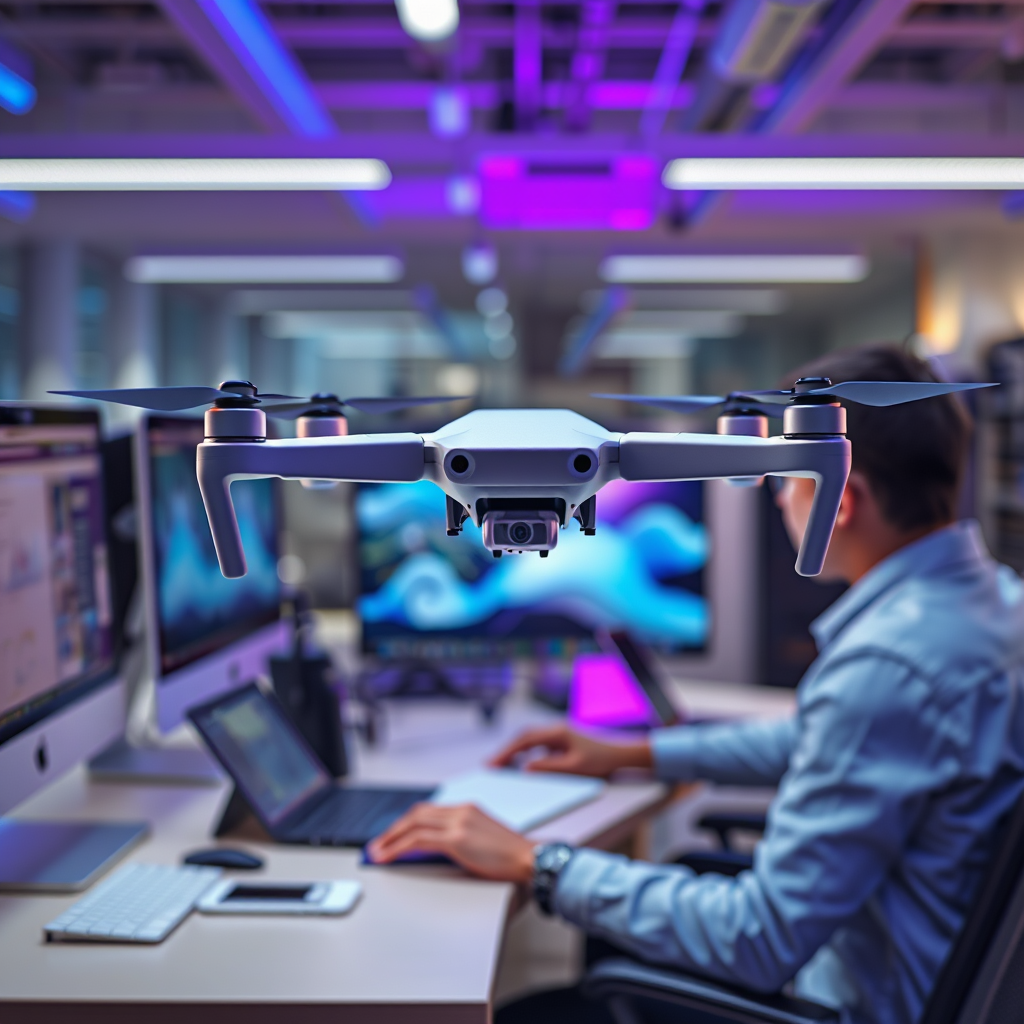
The increasing popularity of open-source drone software can be attributed to its flexibility, cost-effectiveness, and the vibrant community that supports its development. As more developers and organizations recognize the advantages of this model, it is reshaping the landscape of drone technology and application. This article delves into the multifaceted reasons behind the surge in open-source drone software adoption and examines its implications for the future of the industry.
The Benefits of Open-Source Software

– Cost Savings: One of the most compelling reasons for the rising popularity of open-source drone software is the significant cost savings it offers. Unlike proprietary solutions that require expensive licensing fees, open-source software is typically free to use. This financial advantage is particularly appealing for startups and small businesses that are looking to innovate without incurring substantial initial costs. Furthermore, there are no hidden fees for updates or additional features, allowing organizations to allocate their resources more effectively.
– Customization: Open-source software provides an unparalleled level of customization. Users have the freedom to modify the code according to their specific requirements, which can lead to enhanced performance and functionality tailored to particular applications. For instance, a farming company might adapt an open-source drone software to better analyze soil health based on local conditions, or emergency services could customize flight paths for search and rescue operations. This adaptability not only improves efficiency but also fosters innovation as users experiment with new capabilities.
Community Collaboration and Support

– Active Development: The thriving communities surrounding open-source projects are a significant factor in their success. These communities are often composed of a diverse group of developers and enthusiasts who are committed to ongoing improvements and updates. For example, platforms like PX4 and ArduPilot have active forums where contributors regularly share enhancements, bug fixes, and new features. This collaborative environment ensures that the software evolves rapidly and remains at the cutting edge of technology.
– Shared Knowledge: Collaboration within these communities leads to a wealth of shared knowledge and resources. Users can exchange solutions, learn from one another’s experiences, and troubleshoot issues collectively. This not only accelerates problem-solving but also encourages innovation, as users build upon each other’s ideas. The availability of extensive documentation, tutorials, and forums fosters a culture of learning and support, making it easier for newcomers to engage with the technology.
Enhanced Security and Transparency
– Open Review Process: The public nature of open-source code enhances security through a continuous open review process. This transparency allows developers and security experts to scrutinize the code, leading to faster identification and resolution of vulnerabilities. For instance, when a security flaw is discovered in an open-source drone software, the community can quickly mobilize to address the issue, often releasing patches within hours. This swift response capability significantly reduces the risk of malicious exploitation and enhances overall safety.
– Transparency in Development: Users of open-source software can see exactly how the software is built, which fosters trust in the technology being utilized. This transparency is particularly crucial in sensitive applications, such as those involving public safety or data privacy. The ability to audit the code helps organizations verify that there are no hidden backdoors or malicious components, thereby instilling confidence in the software’s integrity.
Accessibility for New Developers
– Learning Opportunities: Open-source software serves as an invaluable platform for new developers to learn and experiment without the burden of financial constraints. By accessing the code and documentation, aspiring developers can hone their skills in a real-world context, gaining experience that is often crucial for their careers. Many universities and coding boot camps incorporate open-source projects into their curricula, further promoting this trend.
– Mentorship and Resources: The open-source community is characterized by a spirit of mentorship, where experienced developers actively guide newcomers. This supportive environment fosters skill development and helps reduce the barriers to entry for those interested in drone technology. Resources such as online forums, webinars, and community meetups provide opportunities for knowledge sharing and networking, further enriching the learning experience.
Use Cases Across Industries
– Agriculture: Open-source drones are revolutionizing the agricultural sector by enabling precision farming techniques. Farmers can leverage drones equipped with open-source software for crop monitoring, soil analysis, and even targeted pesticide application. For example, the use of drones in precision agriculture allows for real-time data collection on crop health, enabling farmers to make informed decisions that enhance yield and reduce resource waste.
– Emergency Services: In the realm of emergency services, open-source drones are proving invaluable for search and rescue operations. These drones can be quickly deployed in disaster-stricken areas, providing real-time aerial footage and data to aid in rescue efforts. Their adaptability allows for the integration of various sensors and software features, enabling responders to assess situations more effectively and deploy resources where they are most needed.
Future Trends in Drone Software Development
– Integration with AI: The future of open-source drone software is poised for exciting developments, particularly with the integration of artificial intelligence (AI). This convergence can lead to significant advancements in automation and decision-making capabilities. For instance, AI algorithms can enhance object recognition, enabling drones to navigate complex environments autonomously. As more developers contribute to these integrated systems, we can expect to see more sophisticated and efficient drone applications.
– Regulatory Compliance: As the regulatory landscape for drones continues to evolve, open-source solutions are likely to provide adaptable frameworks that help users comply with new standards. By leveraging the collective knowledge of the community, developers can create modules that address specific regulatory requirements, ensuring that users can operate within legal guidelines while maximizing the potential of their drone technology.
The increasing traction of open-source drone software showcases its advantages in cost, flexibility, and community engagement. As industries continue to adopt this technology, it will likely drive further innovation and accessibility in the drone market. By exploring open-source projects and engaging with the community, businesses and developers can harness the full potential of this transformative trend, paving the way for a future rich with possibilities in drone technology.
Frequently Asked Questions
Why is open-source drone software becoming more popular among developers and hobbyists?
Open-source drone software is gaining traction due to its flexibility and customization potential, allowing developers and hobbyists to modify the software to suit specific needs. Additionally, the collaborative nature of open-source projects encourages innovation as users contribute enhancements and new features. This community-driven approach not only fosters a rich ecosystem of shared knowledge but also significantly reduces costs, making high-quality drone software accessible to a wider audience.
What are the main advantages of using open-source software for drone applications?
The primary advantages of using open-source software for drone applications include cost-effectiveness, as it is often free and avoids licensing fees, and the ability to customize functionalities to fit unique requirements. Moreover, open-source platforms tend to receive continuous updates and improvements from a global community of developers, ensuring users benefit from the latest advancements in technology. This collaborative environment also enhances security and reliability since many eyes are on the code, identifying and fixing vulnerabilities faster than proprietary solutions.
How can I get started with open-source drone software?
To get started with open-source drone software, first identify the specific platform or project that aligns with your needs, such as PX4 or ArduPilot. Next, visit their official websites, where you can find comprehensive documentation, tutorials, and community forums. Download the software, set up a development environment, and engage with the community through forums or chat channels for support. Starting small with sample projects can help you gradually build your skills and confidence.
Which open-source drone software projects are considered the best for beginners?
For beginners, two of the best open-source drone software projects are ArduPilot and PX4. ArduPilot is known for its user-friendly interface and extensive documentation, making it accessible for newcomers. PX4, on the other hand, offers a modular architecture and is ideal for those interested in advanced applications and integrations. Both projects boast active communities, providing ample resources and support for users at all skill levels.
Why should businesses consider using open-source drone software for commercial applications?
Businesses should consider using open-source drone software for commercial applications due to its cost savings, as it eliminates hefty licensing fees associated with proprietary software. Moreover, the ability to customize and adapt the software to specific operational needs can enhance efficiency and performance. Additionally, the transparency of open-source code allows businesses to conduct thorough security audits, ensuring compliance and reducing risks associated with data privacy and software reliability.
References
- Open-source hardware
- https://www.nytimes.com/2021/07/21/technology/drones-open-source-software.html
- https://www.reuters.com/technology/open-source-software-drone-systems-technology-2021-10-12/
- https://www.wired.com/story/open-source-drone-software/
- https://www.nasa.gov/feature/nasa-pilots-open-source-drone-software-for-all
- https://www.unm.edu/~drone/open-source-drone-software.html
- https://www.techrepublic.com/article/the-rise-of-open-source-software-in-the-drone-industry/
- https://www.frontiersin.org/articles/10.3389/frobt.2021.00001/full
