
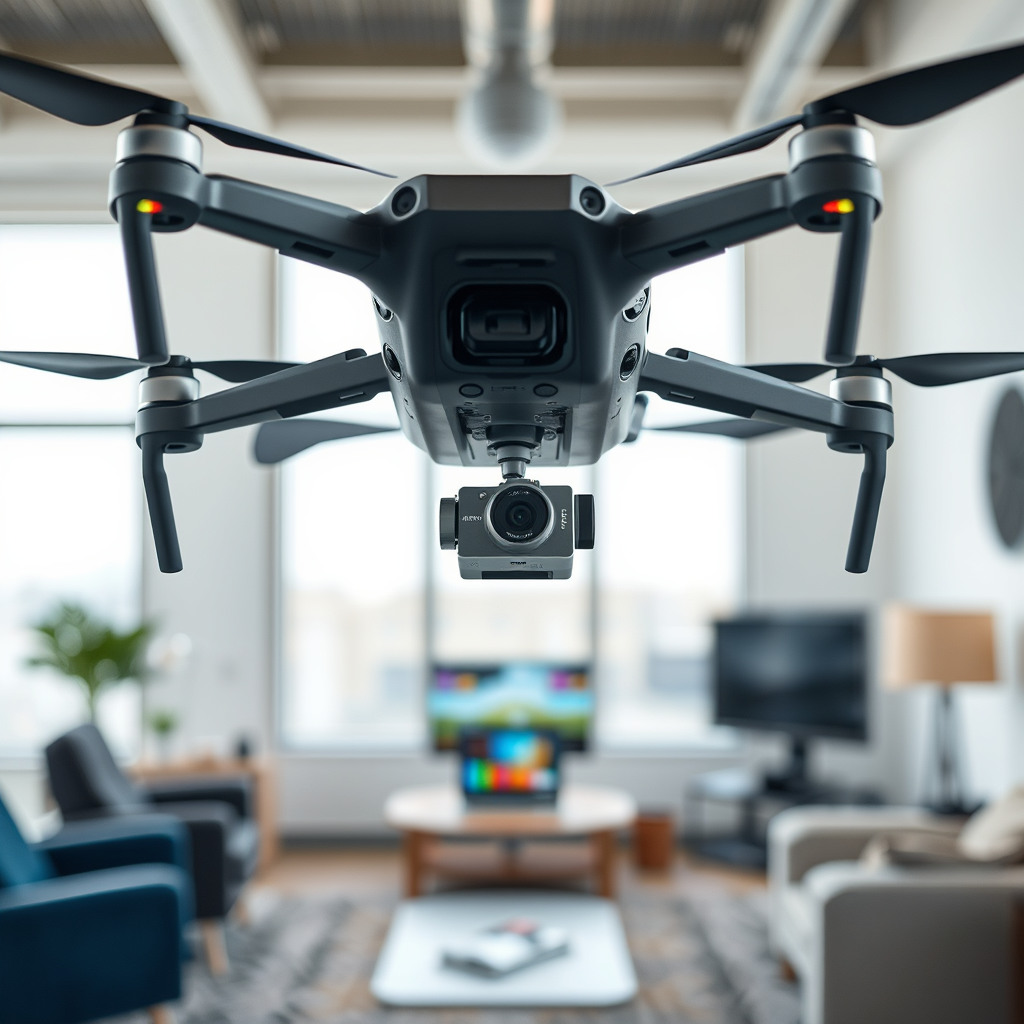
The latest advances in drone cooling systems are enhancing the efficiency and reliability of high-performance applications, enabling drones to operate at optimal temperatures in demanding environments. As drone technology continues to evolve, so does the need for effective thermal management solutions that can prevent overheating, prolong component lifespan, and reduce maintenance costs. This article explores the most significant innovations in drone cooling technology, how they improve performance, and what features to look for in the next generation of drone cooling solutions.
Understanding the Importance of Cooling Systems in Drones
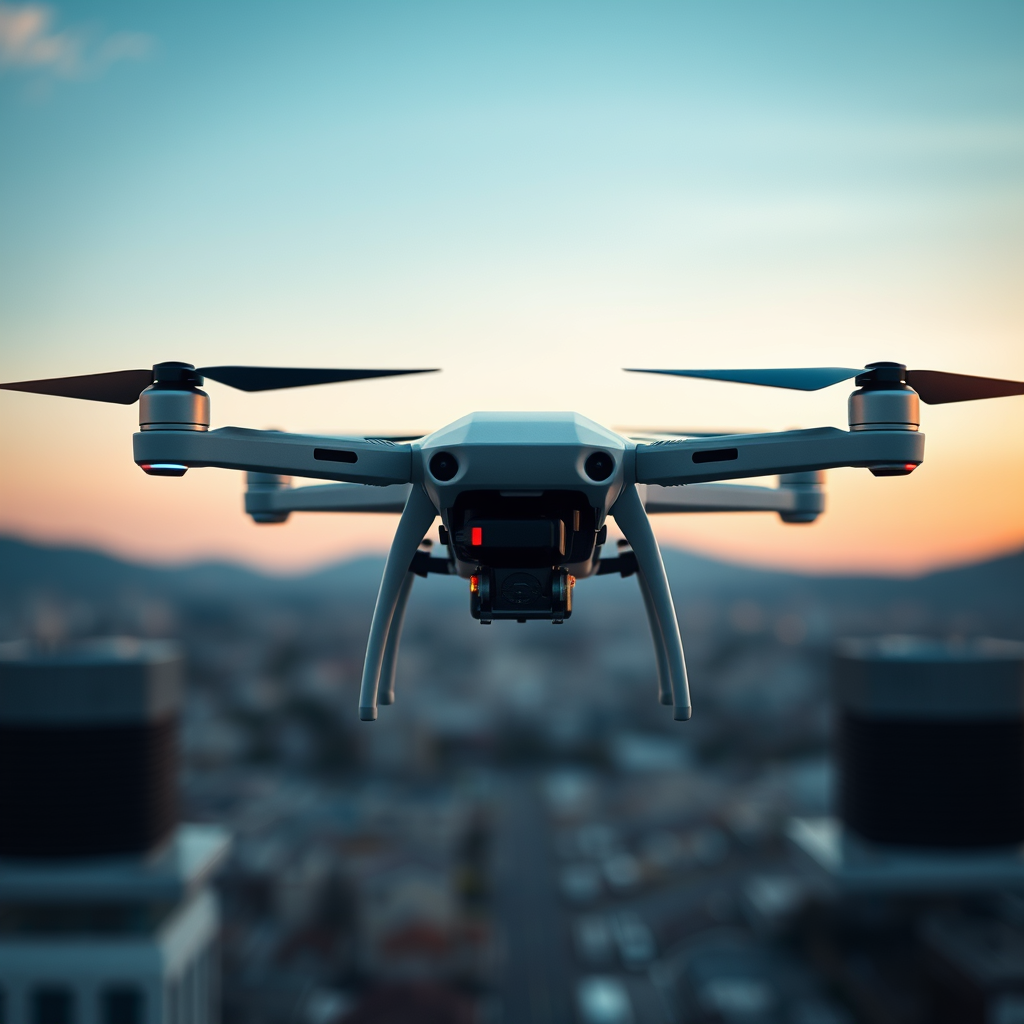
Cooling systems are critical for maintaining optimal operating conditions in drones. Overheating can lead to performance drops or even catastrophic failures during crucial operations, particularly in high-stakes environments such as aerial photography, surveying, or search and rescue missions. Effective thermal management is not just about immediate performance; it plays a vital role in extending the lifespan of drone components. High temperatures can accelerate wear and tear, leading to more frequent repairs or replacements, which can be costly and time-consuming. By investing in advanced cooling systems, operators can ensure better reliability, reduce unexpected downtime, and ultimately lower maintenance costs.
Innovations in Liquid Cooling Technology
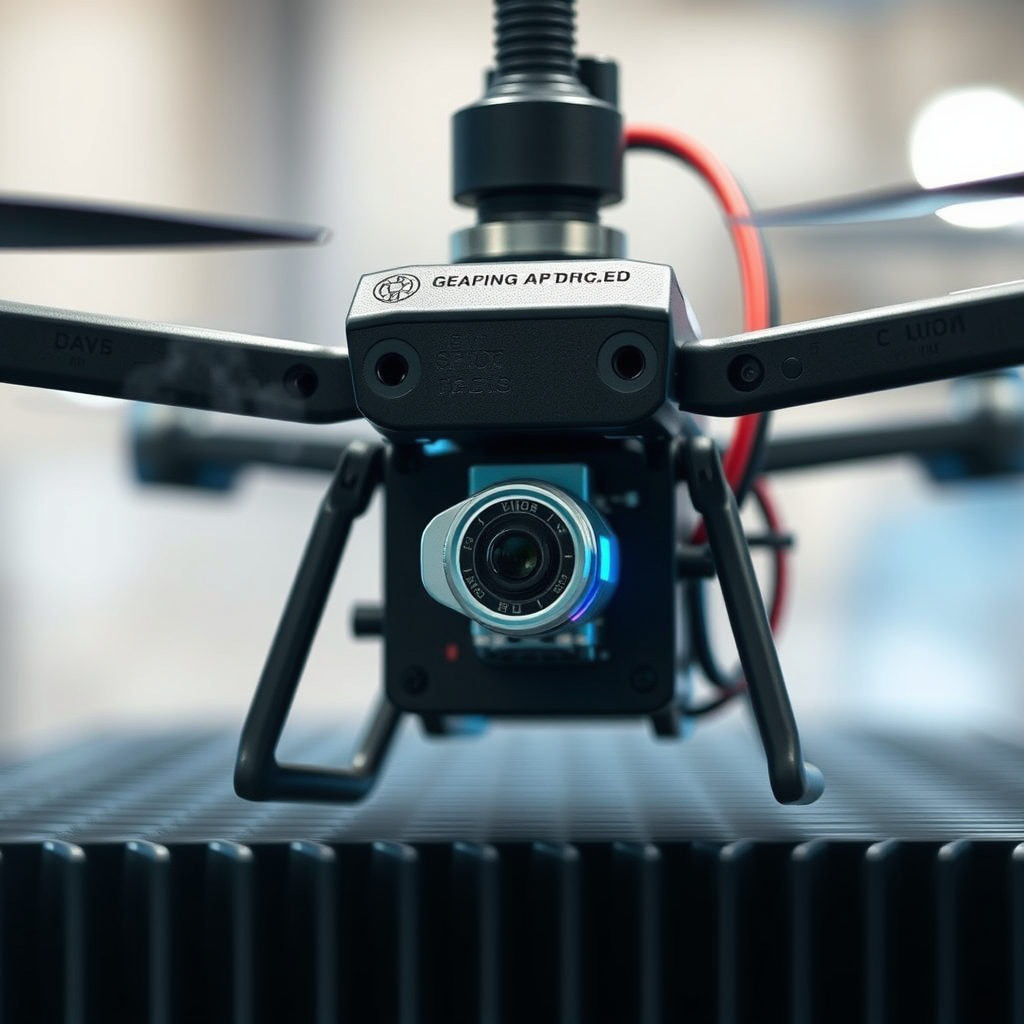
Liquid cooling technology has emerged as a game-changer in the drone industry, offering superior heat dissipation compared to traditional air cooling methods. Unlike air cooling, which relies on ambient air to remove heat, liquid cooling systems circulate a coolant through a closed-loop system that absorbs and dissipates heat more efficiently. Recent advancements in this field include the development of lightweight materials and compact designs that minimize the overall weight of the drone while maximizing cooling performance. For instance, systems utilizing microchannel heat exchangers have shown remarkable efficiency, enabling drones to handle higher payloads and longer flight times without compromising thermal performance. The integration of advanced materials such as graphene and other nanomaterials is also being explored to further enhance the heat transfer capabilities of these systems.
Active vs. Passive Cooling Solutions
When it comes to drone cooling, two primary categories exist: active and passive cooling solutions. Active cooling systems involve mechanical components such as fans, pumps, and controllers that dynamically manage temperature based on real-time conditions. These systems provide precise temperature control, making them suitable for high-performance applications where temperature fluctuations can impact functionality. For example, active cooling solutions are particularly beneficial in environments where drones are subjected to sudden changes in temperature or prolonged periods of operation.
On the other hand, passive cooling solutions rely on natural convection and conduction to manage heat. This includes components like heat sinks and thermal pads that dissipate heat without the need for moving parts. While passive systems tend to be simpler and lighter, they may not provide the same level of temperature control as their active counterparts. However, advancements in materials and design are enhancing the effectiveness of passive cooling solutions, making them increasingly viable for various drone applications. The choice between active and passive cooling ultimately depends on the specific requirements of the drone and its intended use.
Smart Cooling Management Systems
The integration of smart technology into drone cooling systems is transforming how thermal management is approached. Smart cooling management systems leverage sensors and algorithms to monitor real-time temperature data, allowing for dynamic adjustments based on operational demands. This technology can optimize cooling efficiency by adapting to varying environmental conditions, thereby enhancing overall performance and energy consumption. For instance, a drone equipped with a smart cooling system can automatically increase cooling capacity during high-temperature flights or reduce it during cooler operations, maximizing battery life and ensuring consistent performance.
Moreover, these systems can provide valuable data analytics that help operators make informed decisions regarding maintenance and operational strategies. By leveraging machine learning and artificial intelligence, future smart cooling systems may predict potential overheating issues before they occur, enabling preemptive measures that enhance reliability and reduce the risk of failure in critical missions.
Key Players in the Drone Cooling Market
The drone cooling market is witnessing significant investment from major manufacturers and technology companies dedicated to advancing thermal management technologies. Companies like Intel and NVIDIA are exploring innovative cooling solutions tailored specifically to the unique requirements of drone applications. These players are not only developing proprietary technologies but are also collaborating with drone manufacturers to create integrated solutions that push the boundaries of thermal management capabilities.
For example, partnerships between tech firms and aerospace companies aim to refine cooling methodologies that cater to high-performance drones, particularly in sectors like agriculture, logistics, and public safety. This collaborative approach fosters innovation and accelerates the development of cutting-edge cooling systems that can support the growing demands of the drone industry.
Future Trends in Drone Cooling Systems
Looking ahead, several exciting trends are poised to shape the future of drone cooling systems. One anticipated advancement is the incorporation of nanotechnology in heat transfer materials, which promises to enhance cooling efficiency while minimizing weight. By utilizing nanoscale structures, manufacturers can create materials that offer superior thermal conductivity, significantly improving overall cooling performance.
Additionally, research into phase-change materials (PCMs) is gaining traction as a way to manage heat more effectively. PCMs can absorb, store, and release thermal energy, providing a passive cooling solution that operates without the need for mechanical components. This technology could enable drones to maintain optimal operating temperatures for extended periods, particularly in high-heat environments, without adding significant weight or complexity.
As the drone industry continues to evolve, innovations in cooling technology will play a crucial role in addressing the challenges associated with high-performance applications. Staying informed about these advancements will be vital for operators looking to maintain a competitive edge in a rapidly changing landscape.
The rapid evolution of drone cooling systems is essential for maximizing performance in high-demand environments. By understanding the latest technologies and trends, users can make informed decisions regarding which cooling solutions best meet their operational needs. As the drone industry continues to grow, staying updated on these innovations will be vital for maintaining competitive advantages and ensuring the reliability and efficiency of drone operations.
Frequently Asked Questions
What are the latest advancements in drone cooling systems for high-performance applications?
The latest advancements in drone cooling systems focus on improving thermal management through innovative materials and designs. For instance, the use of phase change materials (PCMs) helps absorb excess heat during operation, while active cooling solutions like miniaturized fans and liquid cooling systems have become more prevalent. These technologies not only enhance performance by preventing overheating but also extend the lifespan of drone components, making them essential for high-performance applications.
How do drone cooling systems affect overall flight performance?
Drone cooling systems play a crucial role in maintaining optimal operating temperatures, which directly influences flight performance and reliability. When a drone’s components, such as the motors and batteries, are kept within their ideal temperature ranges, they operate more efficiently, resulting in longer flight times and improved responsiveness. Effective cooling systems also reduce the risk of thermal throttling, which can lead to sudden power loss and reduced maneuverability during critical flight operations.
Why is thermal management critical for high-performance drones?
Thermal management is critical for high-performance drones because excessive heat can lead to component failure, reduced efficiency, and safety hazards. High-performance applications, such as aerial photography, surveying, and rescue missions, often require prolonged flight durations and high power output, generating significant heat. By implementing effective cooling solutions, manufacturers can ensure that drones maintain optimal performance levels, minimizing the risk of overheating and enhancing overall operational reliability.
What are the best cooling solutions currently available for high-performance drones?
The best cooling solutions for high-performance drones include active cooling systems like liquid cooling and advanced passive designs such as heat sinks and thermal pads. Liquid cooling systems are particularly effective, as they can dissipate heat more efficiently in compact spaces. Additionally, some manufacturers are incorporating advanced airflow designs and materials with high thermal conductivity to enhance passive cooling. Choosing the right solution depends on the specific application and design constraints of the drone.
Which drone brands are leading the way in innovative cooling technologies?
Leading drone brands that are pioneering innovative cooling technologies include DJI, Parrot, and Skydio. These companies are integrating advanced thermal management systems into their high-performance models, emphasizing reliability and efficiency. For instance, DJI’s latest commercial drones utilize sophisticated heat dissipation techniques to maintain consistent performance under demanding conditions. As the drone industry continues to evolve, these brands are likely to remain at the forefront of cooling technology advancements.
References
- https://www.sciencedirect.com/science/article/pii/S2212861919301470
- https://www.nature.com/articles/s41598-021-03341-9
- https://www.reuters.com/technology/drones-are-getting-smarter-and-cooler-every-day-2021-08-20/
- https://www.wired.com/story/the-future-of-drones-is-cooling-off/
- https://www.bbc.com/news/technology-53646454
- https://www.nasa.gov/centers/armstrong/news/technology/2021/advanced-cooling-systems-for-drones.html
- https://www.jstor.org/stable/10.5325/jsciencetech.1.1.0001
- Daniel G. Bobrow: In Memoriam | AI Magazine
