
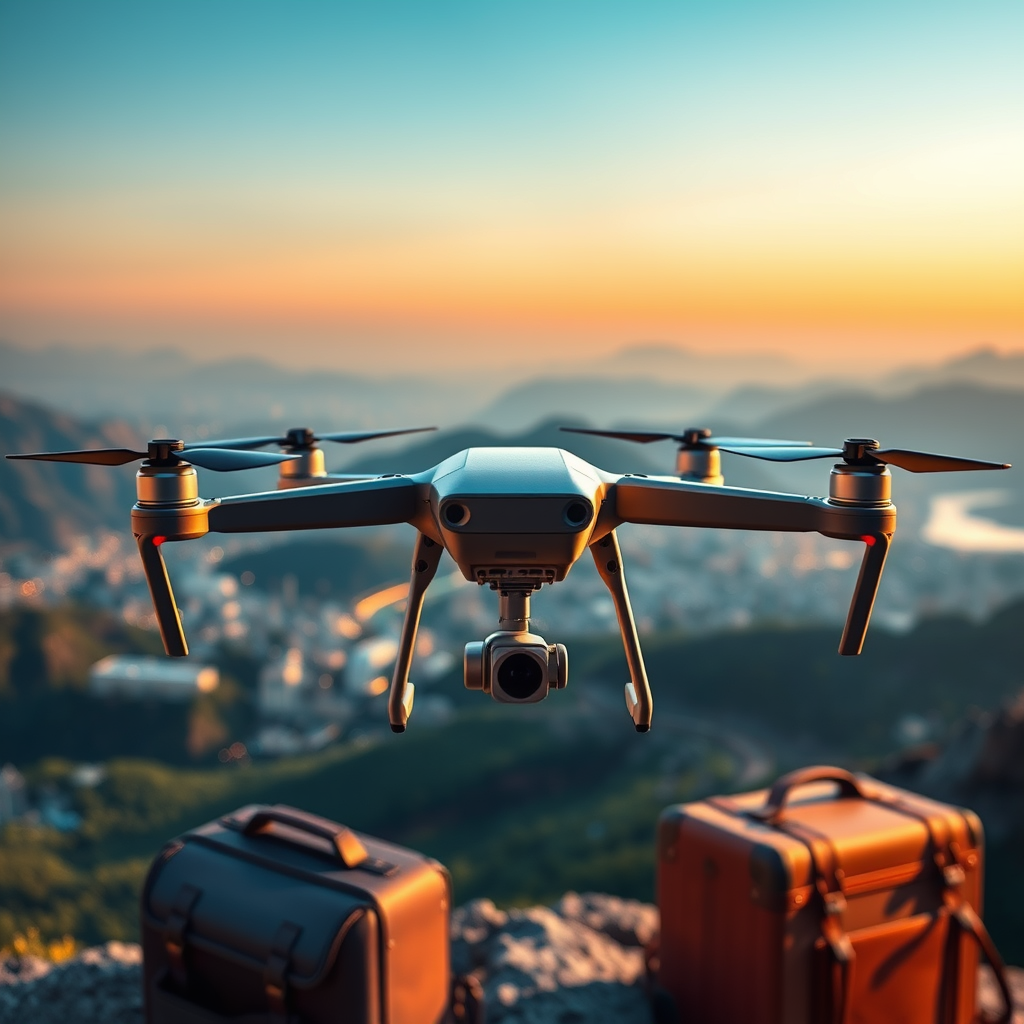
The key to achieving long-range flights with drones lies in the effectiveness of drone antennas. These antennas enhance signal strength and communication capabilities, allowing drones to maintain connectivity over vast distances. In this article, you’ll discover how drone antennas play a critical role in extending flight ranges, improving performance, and ensuring reliable data transmission.
Understanding Drone Antennas
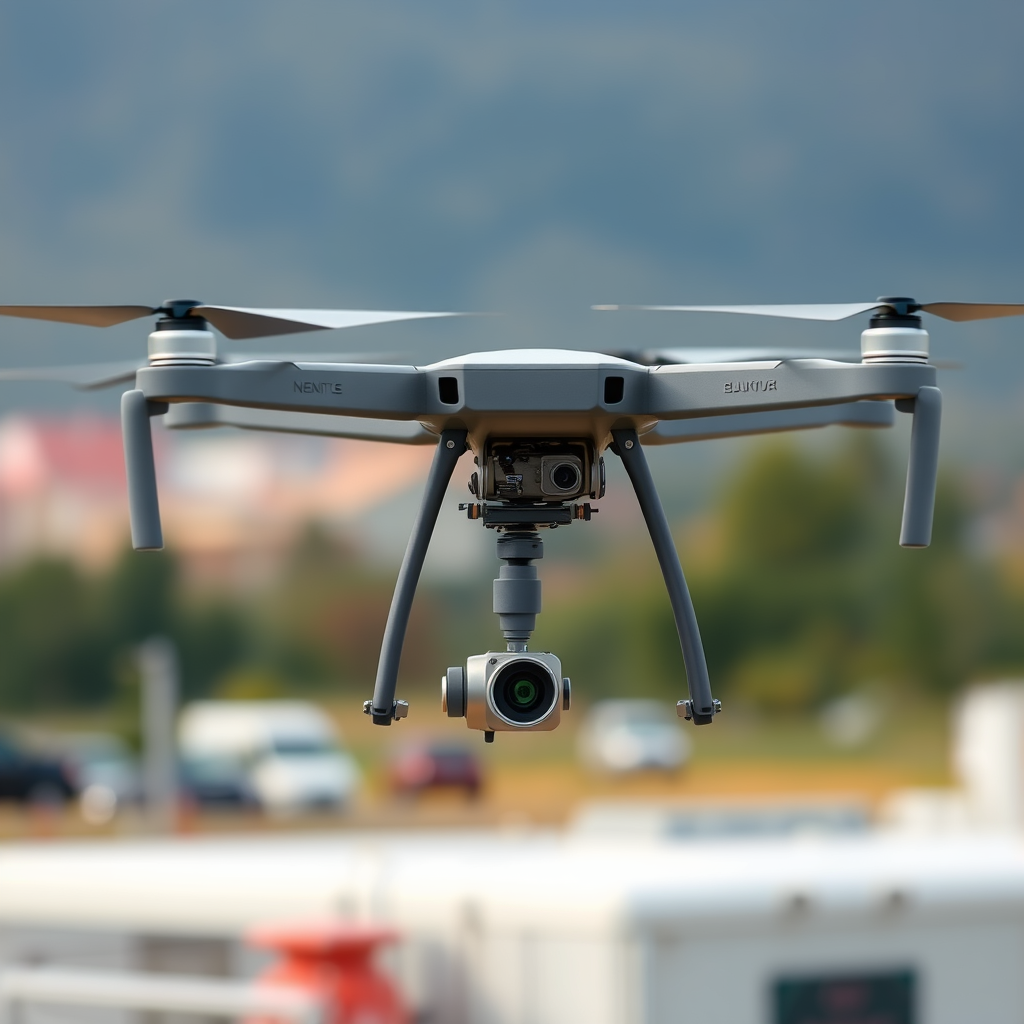
Drone antennas are specialized components designed to transmit and receive signals between the drone and the pilot or ground station. Their primary function is to facilitate communication by sending control commands and receiving telemetry data, such as GPS location and battery status. The design and placement of antennas on a drone can significantly influence its operational range and reliability.
There are various types of antennas used in drones, each serving unique purposes. Common types include dipole antennas, patch antennas, and helical antennas. Dipole antennas are typically omnidirectional, making them suitable for general use where signals are needed from multiple directions. Patch antennas, on the other hand, are often used for applications requiring focused signal transmission and reception, as they can be designed to be directional. Helical antennas are known for their compact size and are particularly effective in scenarios where space is limited, offering good gain and a circular polarization that aids in mitigating signal degradation.
Importance of Signal Strength
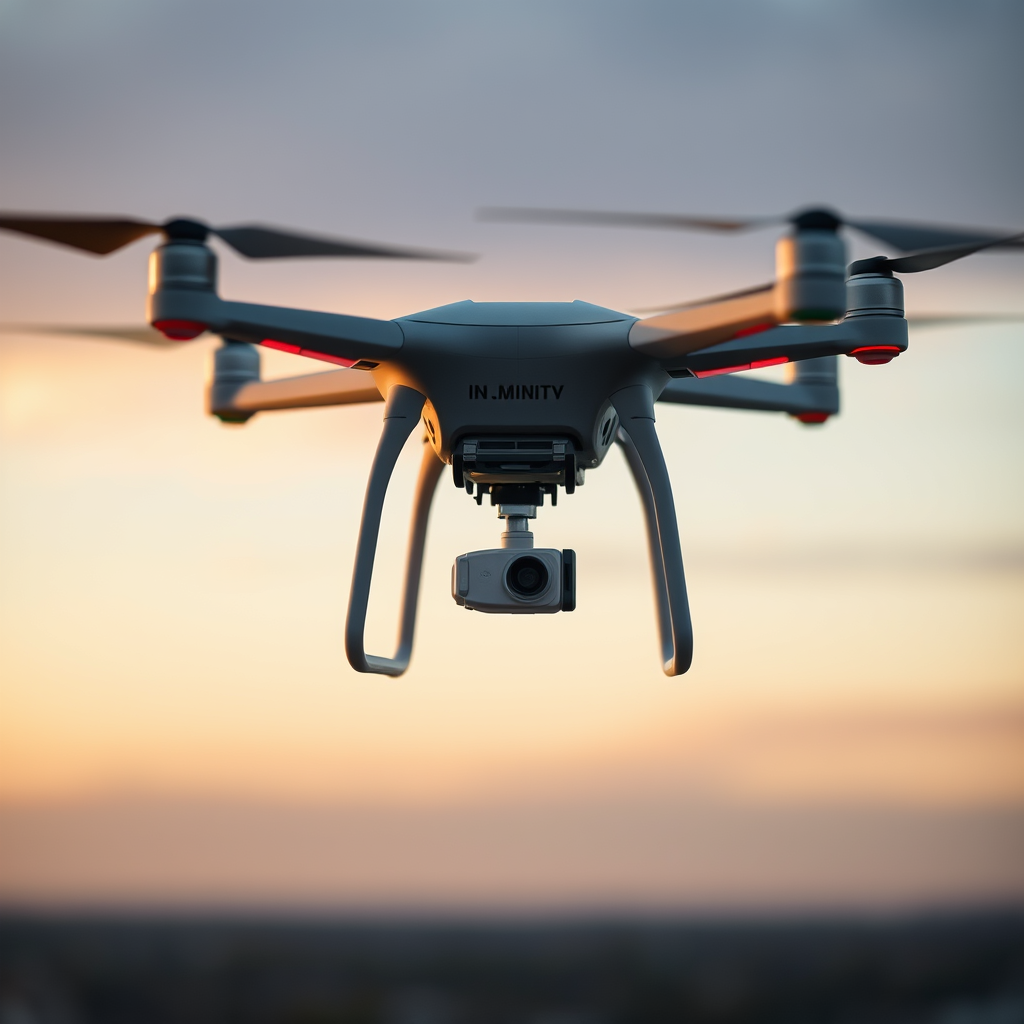
The quality of a drone’s antenna directly impacts signal strength during flight. A strong, stable signal is essential for maintaining control of the drone and receiving real-time data. When the signal weakens, communication may become erratic, leading to control issues and potential loss of the aircraft. This is particularly critical during long-range flights, where the drone may be far from the pilot, making it vulnerable to signal interference and degradation.
Weak signals can result in delayed responses and can compromise the drone’s ability to execute commands accurately. For example, a minor lag in control input can cause significant deviations in the drone’s flight path, leading to potential accidents or loss of the drone altogether. Therefore, investing in high-quality antennas that provide robust signal strength is crucial for ensuring safe and effective long-range operations.
Types of Antennas for Long-Range Flights
When it comes to long-range flights, the choice between omnidirectional and directional antennas can impact performance significantly. Omnidirectional antennas radiate signals in all directions, making them ideal for situations where the drone’s orientation may vary frequently. They are beneficial for applications like aerial photography or videography, where the drone may need to capture images from various angles.
Conversely, directional antennas focus the signal in a specific direction, providing a much stronger connection over longer distances. They are particularly advantageous for missions that require a consistent line of sight, such as surveying large areas or conducting inspections on infrastructure. By utilizing a directional antenna, operators can extend their range significantly, but they must ensure that the drone remains aligned with the intended signal path.
Ultimately, the choice of antenna depends on the specific requirements of the flight mission and the environment in which the drone will operate. A combination of both types may also be employed in certain scenarios to optimize performance.
Enhancing Communication Capabilities
Antennas play a crucial role in maintaining real-time communication between the drone and its pilot, which is vital for successful operations, especially during long-range flights. A reliable connection allows for continuous monitoring of the drone’s status, making it possible to react promptly to any issues that may arise, such as low battery warnings or changes in GPS signal strength.
Moreover, the importance of data transmission reliability cannot be overstated. In many applications, such as search and rescue missions or agricultural monitoring, timely data relay is essential for decision-making. For instance, if a drone is surveying a disaster-stricken area, the data collected needs to be transmitted back to the base station without delay to facilitate swift action. Therefore, choosing an antenna that ensures robust data transmission capabilities is fundamental for the success of long-range drone operations.
Innovations in Drone Antenna Technology
Recent advancements in drone antenna technology have significantly improved performance and reliability. Innovations such as adaptive antennas, which automatically adjust their characteristics based on environmental conditions, offer enhanced signal stability and range. Additionally, the integration of software-defined radio (SDR) technology allows for greater flexibility and adaptability in communication systems, enabling drones to switch frequencies based on interference levels or distance.
Looking to the future, we can expect trends like miniaturization and increased integration of antennas into the drone’s design. This will not only streamline production but also enhance aerodynamic efficiency. Furthermore, the development of 5G technology is set to revolutionize drone communication, offering higher data rates and lower latency, which could dramatically enhance long-range flight capabilities.
Practical Tips for Choosing the Right Antenna
When selecting antennas for specific drones, several factors should be considered to maximize long-range flight capabilities. First, assess the drone’s intended use. For applications requiring extensive coverage and high data transfer rates, a high-gain directional antenna may be the best option. Conversely, for general-purpose flying, an omnidirectional antenna may suffice.
Second, consider the environmental factors in which the drone will operate. Urban environments may introduce more signal interference, making robust antennas with advanced filtering capabilities essential. Additionally, look for antennas with durable construction that can withstand outdoor conditions, including wind, rain, and temperature fluctuations.
Lastly, always review compatibility with the drone’s existing systems. Not all antennas will work seamlessly with every drone, so ensure that the selected antenna is compatible with the drone’s firmware and communication protocols.
Real-World Applications of Long-Range Drones
Long-range drones equipped with advanced antennas have found applications across numerous industries. For instance, the agricultural sector uses drones to monitor crop health over extensive fields, enabling farmers to make informed decisions based on real-time data. The construction industry employs drones for site inspections and progress monitoring, reducing the need for manual observations and enhancing safety.
Moreover, public safety organizations utilize long-range drones for search and rescue missions, where the ability to maintain a reliable signal can mean the difference between success and failure. These sectors benefit from improved antenna technology, which ensures that they can operate over larger areas with enhanced data transmission capabilities, ultimately leading to better outcomes.
The effectiveness of drone antennas is vital for maximizing the potential of long-range flights. By enhancing signal strength, improving communication, and leveraging the latest technology, drone enthusiasts and professionals alike can ensure their UAVs perform optimally. If you’re looking to extend your drone’s flight capabilities, consider investing in high-quality antennas that meet your specific needs.
Frequently Asked Questions
Why are drone antennas crucial for long-range flights?
Drone antennas are essential for long-range flights because they facilitate reliable communication between the drone and the operator. A high-quality antenna ensures a stable signal over extended distances, reducing the risk of disconnection or loss of control. The design and frequency of the antenna also determine its ability to minimize interference and optimize transmission range, making it a vital component for successful long-range drone operations.
What types of antennas are best for long-range drone flights?
The best types of antennas for long-range drone flights include directional antennas, such as Yagi or parabolic antennas, which focus the signal in a specific direction, enhancing range and strength. Additionally, omnidirectional antennas are useful for maintaining a consistent connection in various orientations. Selecting the right antenna type depends on the intended flight distance, environment, and specific use case, such as mapping, surveying, or aerial photography.
How does antenna placement affect drone flight range?
Antenna placement significantly impacts a drone’s flight range because it affects signal transmission and reception. Ideally, antennas should be mounted as high as possible and away from obstructions to maximize their line of sight and minimize interference. Furthermore, positioning antennas at optimal angles can improve signal strength and ensure consistent communication, ultimately extending the drone’s operational range.
What are common issues with drone antennas that can limit range?
Common issues with drone antennas that can limit range include improper calibration, physical obstructions, and interference from other electronic devices. If antennas are not correctly tuned to the operating frequency, they may not transmit or receive signals effectively, leading to dropouts. Additionally, environmental factors like buildings, trees, and even weather conditions can hinder signal propagation, emphasizing the need for quality antennas and strategic placement.
How can I enhance my drone’s antenna for better long-range performance?
To enhance your drone’s antenna for better long-range performance, consider upgrading to a high-gain antenna that can improve signal strength and range. Additionally, ensure that the antenna is correctly mounted and aligned for optimal performance. Using signal boosters or repeaters can also extend the operational range by amplifying the signal, while adhering to local regulations regarding transmission power is crucial for safe and legal drone operation.
References
- https://en.wikipedia.org/wiki/Drone_antenna
- https://www.researchgate.net/publication/329264600_Design_and_Analysis_of_a_Dual_Band_Antenna_for_Drones
- https://www.sciencedirect.com/science/article/pii/S2351978919309344
- https://www.nasa.gov/mission_pages/irregular-operations/overview/long-range-drone-operations.html
- Unmanned Aircraft Systems (UAS) | Federal Aviation Administration
- https://www.itu.int/en/ITU-R/study-groups/rsc/Pages/default.aspx
- Frontiers | Virtual Reality Is Sexist: But It Does Not Have to Be
