
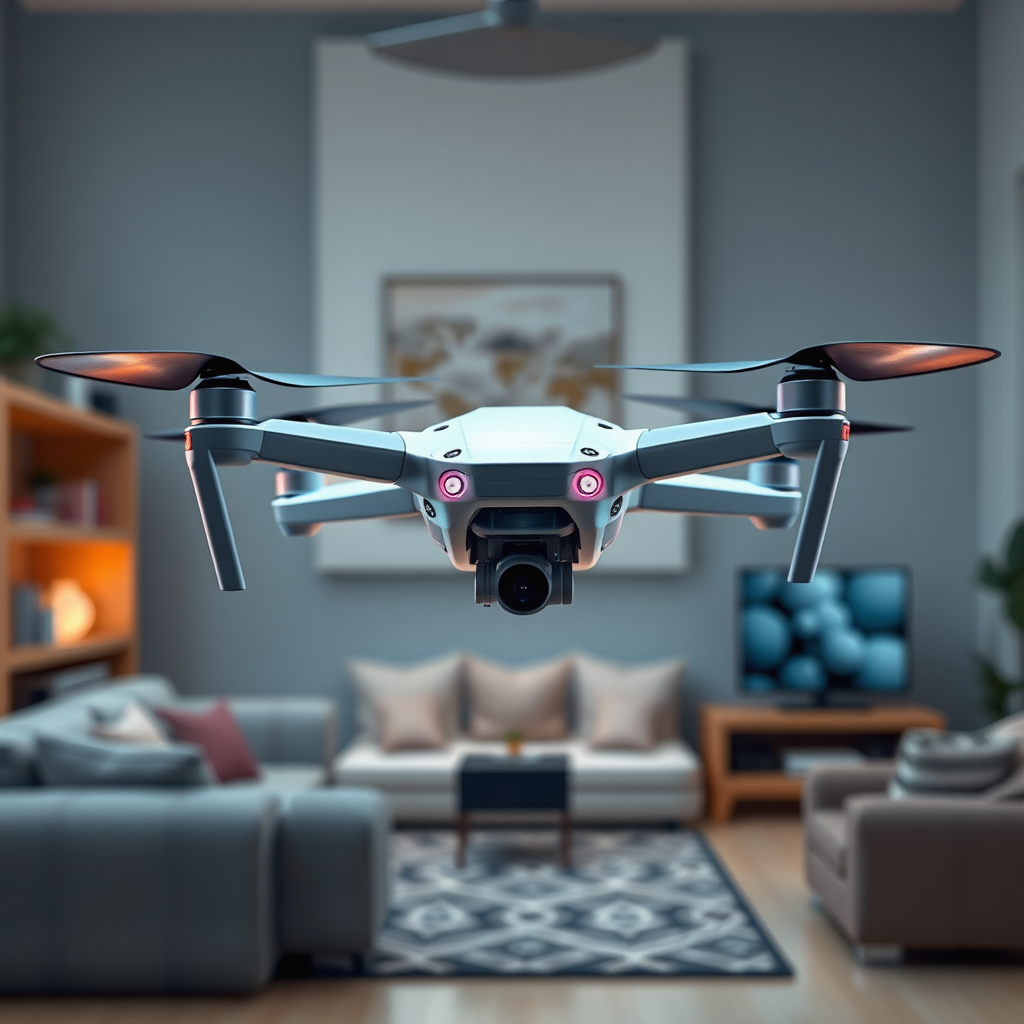
Shape-shifting drones are indeed the future of innovation, as they promise to redefine the landscape of aerial technology with their unparalleled adaptability and efficiency. These advanced machines can morph their structure according to specific operational needs, making them exceptionally versatile across various sectors. As we delve deeper into the technological foundations, applications, advantages, challenges, and future prospects of shape-shifting drones, it becomes evident that they hold significant potential to revolutionize industries ranging from logistics to defense.
The Technology Behind Shape-Shifting Drones
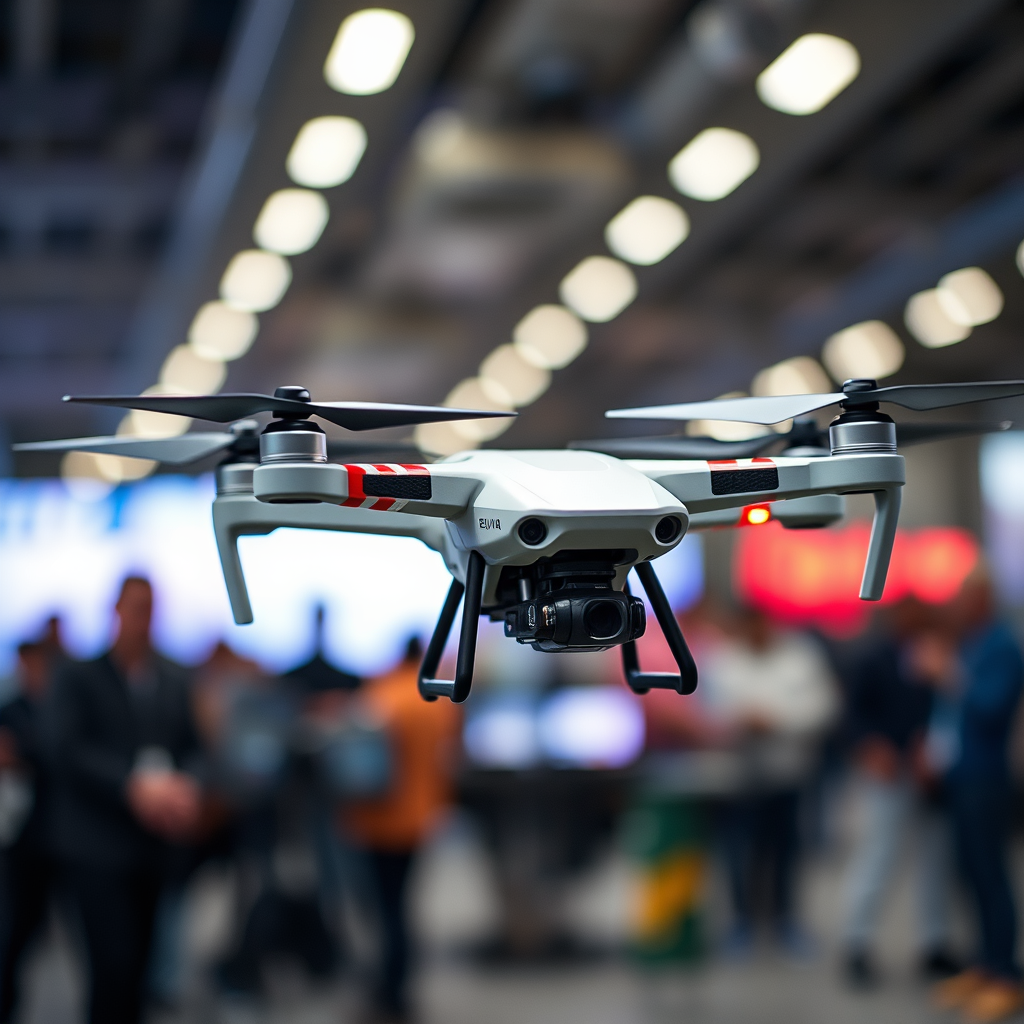
The backbone of shape-shifting drone technology lies in the use of smart materials and advanced engineering techniques. Smart materials, such as shape memory alloys and piezoelectric materials, can alter their properties in response to external stimuli like heat, pressure, or electrical signals. This allows drones to change shape dynamically, adapting to the demands of their environment or mission objectives.
Mechanisms enabling these drones to change shape often include morphing wings and reconfigurable structures. For instance, researchers are developing wings that can extend, contract, or reshape themselves to optimize aerodynamics for various flight conditions. These innovations not only enhance flight performance but also allow for a single drone to perform multiple roles—transitioning from surveillance to cargo transport seamlessly. The integration of artificial intelligence complements these technologies by enabling real-time decision-making and autonomous flight capabilities, further enhancing the operational versatility of shape-shifting drones.
Current Applications of Shape-Shifting Drones
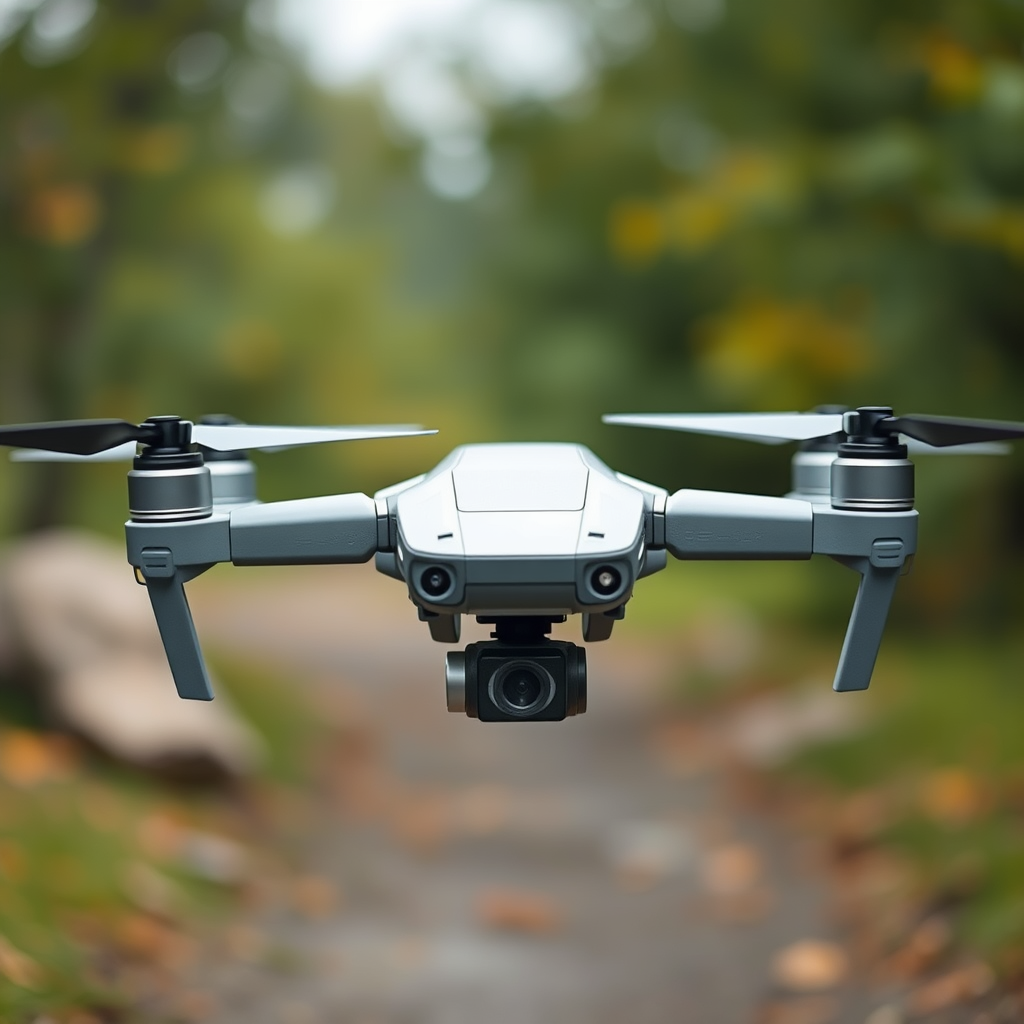
Shape-shifting drones are currently being utilized in several critical applications, particularly in military operations where they serve as vital tools for surveillance and reconnaissance. These drones can be designed to alter their appearance and flight patterns to evade detection, making them invaluable assets in intelligence-gathering missions. For example, the U.S. military is exploring drones that can shift their shape to mimic wildlife or other environmental features, allowing for stealthy operations in sensitive areas.
In the realm of disaster response, shape-shifting drones hold significant promise for delivering supplies to hard-to-reach locations. For instance, during natural disasters such as hurricanes or earthquakes, these drones can morph to navigate through debris or reach isolated communities, ensuring timely delivery of essential goods and medical supplies. The ability to adapt their shape enhances their maneuverability, making them effective in environments where traditional drones may struggle.
Advantages of Shape-Shifting Drones
The advantages of shape-shifting drones are extensive, primarily stemming from their increased versatility and adaptability. This flexibility enables a single drone to undertake various missions, from aerial photography to precision agriculture, thus reducing the need for multiple specialized drones. This not only streamlines operations but also leads to significant cost savings in maintenance and procurement.
Moreover, shape-shifting drones can optimize performance based on mission requirements. For instance, altering wing configurations can improve fuel efficiency during long-distance flights or enhance agility during quick maneuvers. As a result, organizations can achieve higher operational efficiency, maximizing the utility of each flight hour while minimizing environmental impact.
Challenges Facing Shape-Shifting Drones
Despite their promising potential, shape-shifting drones face several challenges that must be addressed before widespread adoption. One of the primary technological hurdles is the complexity of design and manufacturing. Creating drones that can effectively morph while maintaining structural integrity requires advanced engineering and materials science, which are still in development stages.
Additionally, regulatory issues pose significant obstacles. As these drones operate in the airspace alongside traditional aircraft, airspace management becomes a pressing concern. Establishing clear guidelines and regulations that ensure the safety and reliability of shape-shifting drones is critical. Furthermore, public acceptance of drones, particularly in civilian applications, necessitates comprehensive strategies to address privacy and security concerns.
Future Prospects for Shape-Shifting Drones
Looking ahead, the evolution of shape-shifting drones in the next decade is poised to be transformative. As advancements in materials science and artificial intelligence continue, we can expect drones to become even more capable of complex tasks and autonomous operations. Predictions suggest the emergence of hybrid drone models that combine the strengths of various existing technologies, creating multifunctional platforms that can seamlessly transition between different operational modes.
New potential markets are also on the horizon. Industries such as agriculture may leverage shape-shifting drones for precision farming, where drones can adapt to different crop types and terrains, optimizing yield and resource use. Similarly, in urban environments, shape-shifting drones could revolutionize last-mile delivery systems, adapting their shape to navigate through congested areas efficiently.
Expert Opinions on Shape-Shifting Drones
Insights from industry leaders and researchers underscore the potential of shape-shifting drones to reshape the future of aerial technology. Dr. Emily Carter, a prominent researcher in aerospace engineering, emphasizes that “the ability to adapt shapes will not only enhance the efficiency of drones but also expand their application range significantly.” Early adopters in the military and logistics sectors are already reporting increased operational effectiveness and reduced costs, showcasing the tangible benefits of this technology.
Case studies highlight successful implementations of shape-shifting drones, such as the collaboration between a leading aerospace company and a humanitarian organization. This partnership developed a prototype drone capable of adapting its shape to deliver medical supplies to remote areas, demonstrating the practical applications of this innovative technology in real-world scenarios.
In summary, shape-shifting drones could revolutionize the way we think about aerial technology and its applications in various fields. As advancements continue, it’s essential to stay informed about their development and consider the implications for the future. For those interested in following this innovation, keep an eye on industry news and technological breakthroughs!
Frequently Asked Questions
What are shape-shifting drones and how do they work?
Shape-shifting drones are advanced unmanned aerial vehicles (UAVs) capable of altering their physical structure or configuration to adapt to various environments and tasks. These drones use innovative materials and technologies, such as morphing wings or flexible bodies, allowing them to transition between different flight modes or even perform tasks on land or water. This adaptability can enhance their operational efficiency and expand their potential applications in fields like disaster response, agriculture, and surveillance.
Why are shape-shifting drones considered the next big innovation in the drone industry?
Shape-shifting drones are considered a groundbreaking innovation due to their versatility and potential to revolutionize various industries. By combining multiple functionalities into a single drone, they can reduce the need for multiple specialized drones, thereby saving costs and simplifying logistics. Their ability to adapt to different tasks or environments in real-time can significantly enhance capabilities in areas such as search and rescue, environmental monitoring, and urban planning.
How can businesses benefit from using shape-shifting drones?
Businesses can leverage shape-shifting drones to improve operational efficiency, reduce costs, and enhance data collection capabilities. For example, in agriculture, these drones can switch from aerial surveying to crop spraying seamlessly, optimizing resource use and increasing yield. In logistics, a shape-shifting drone could navigate complex urban environments while adapting to changing conditions, ensuring timely deliveries and better service.
Which industries are likely to adopt shape-shifting drones first?
Industries such as agriculture, logistics, environmental monitoring, and defense are among the first to adopt shape-shifting drones due to their diverse applications and operational needs. In agriculture, they can be used for precision farming, while in logistics, they can enhance delivery systems. The defense sector may utilize these drones for reconnaissance and surveillance, capitalizing on their adaptive capabilities to operate in various terrains and conditions.
What challenges do shape-shifting drones face before widespread adoption?
Despite their promising potential, shape-shifting drones face several challenges, including technological limitations, regulatory hurdles, and public acceptance. Developing reliable and efficient morphing mechanisms can be complex and costly, while regulations surrounding UAV operations can vary significantly by region. Moreover, ensuring safety and privacy in urban areas where these drones may operate poses additional concerns that need to be addressed for widespread adoption.
References
- Drone
- https://www.bbc.com/news/technology-50811167
- https://www.reuters.com/technology/shape-shifting-drones-could-change-future-warfare-2021-12-15/
- https://www.sciencedirect.com/science/article/pii/S0097846521000747
- https://www.nationaldefensemagazine.org/articles/2021/12/15/shape-shifting-drones-could-change-future-warfare
- https://www.theguardian.com/technology/2021/dec/15/shape-shifting-drones-future-warfare
- https://www.technologyreview.com/2020/03/26/1200807/the-future-of-drones-is-shape-shifting/
