
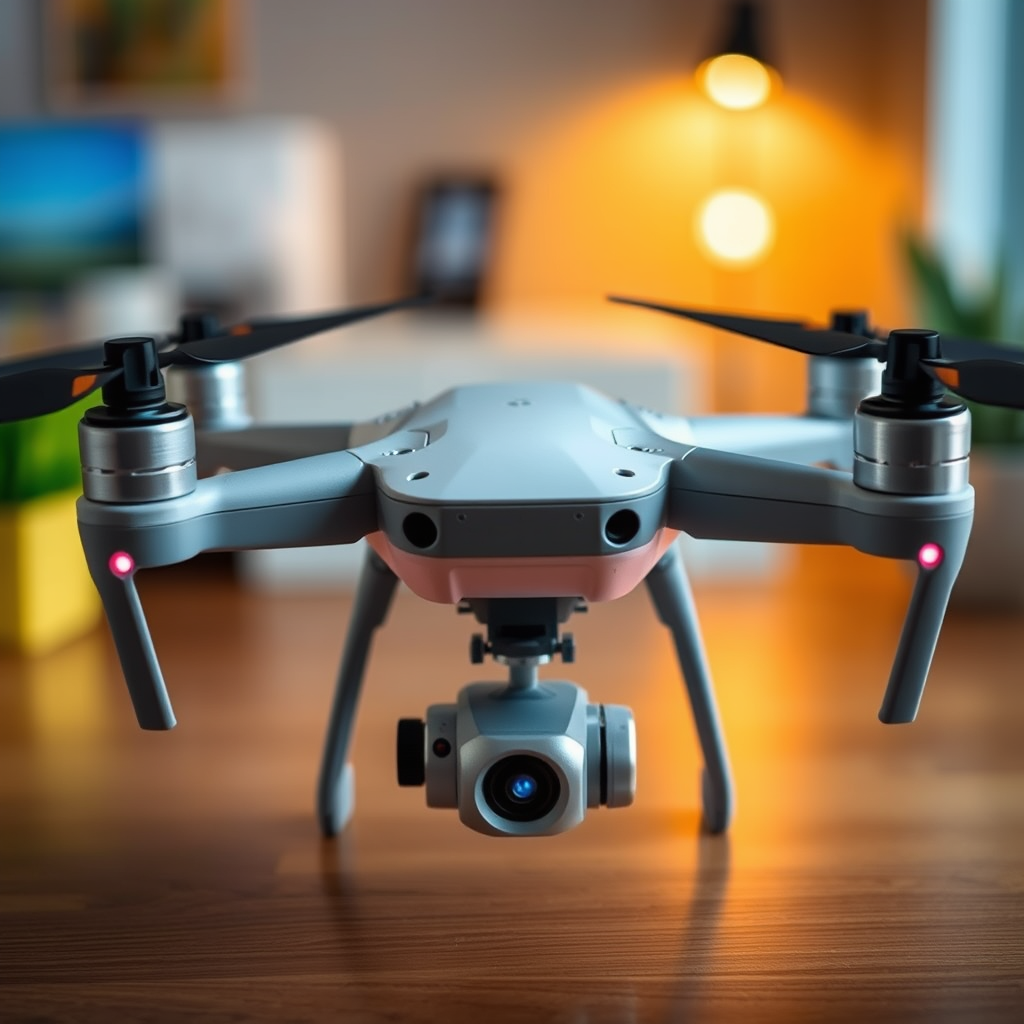
Keeping your drone’s firmware updated is crucial for maintaining its performance, enhancing capabilities, and ensuring safety. Regular firmware updates not only address existing issues but also provide your drone with the latest features and security enhancements. In this article, you’ll learn why regular firmware updates are necessary for your drone’s efficiency and functionality, and how they can significantly impact your flying experience.
The Importance of Firmware Updates
Firmware updates are vital for the health of any drone system. Manufacturers frequently release these updates to address bugs that may hinder the stability of the device. For instance, a drone may experience erratic behavior or connection issues due to software glitches; firmware updates often contain critical bug fixes that enhance drone stability, allowing for a smoother flying experience.
Moreover, as technology evolves, new accessories and software applications are developed, necessitating compatibility improvements. For example, if you purchase a new camera or a flight controller, the drone’s firmware might need to be updated to ensure these new components work seamlessly together. This proactive approach not only extends the functional lifespan of your drone but also enriches your overall flying experience.
Enhancements in Performance
One of the most compelling reasons for keeping your drone’s firmware updated is the potential for performance enhancements. Manufacturers continuously refine flight algorithms through firmware updates, optimizing the drone’s operation for smoother flight patterns and improved battery management.
Consider the example of a drone that has received a firmware update aimed at enhancing its altitude hold capabilities. Users may notice that their drone maintains altitude more effectively, thereby reducing battery strain and extending flight time. Additionally, improved responsiveness can be a game-changer; updates may allow for quicker reactions to pilot input, enhancing the overall control and agility of the drone during complex aerial maneuvers.
Security Improvements
In an age where cybersecurity threats are prevalent, firmware updates play a crucial role in safeguarding your drone from potential vulnerabilities. Regular updates often patch security flaws that could be exploited by malicious actors, thereby protecting your investment and personal data.
For instance, a well-known drone manufacturer may discover a security gap that allows unauthorized access to the drone’s control systems. By issuing a firmware update, they can patch this vulnerability, ensuring that your drone remains secure against hacking attempts. Therefore, keeping your firmware updated is not only a technical requirement; it’s also a critical step in protecting your privacy and data integrity.
New Features and Capabilities
The drone industry is rapidly evolving, and firmware updates often bring exciting new features and capabilities to your device. These updates can introduce new flying modes, advanced camera functionalities, or enhanced sensor performance.
For example, a firmware update may enable a drone to utilize new smart tracking capabilities, allowing it to autonomously follow a moving subject with precision. This is particularly beneficial for filmmakers and enthusiasts looking to capture dynamic shots without manual intervention. Additionally, updates may improve existing features, such as expanding the range of available camera settings or enhancing the quality of image stabilization. Staying updated ensures you can take full advantage of the latest technology in drone operation, allowing you to get the most out of your device.
Compliance and Regulations
As regulatory frameworks surrounding drone usage continue to evolve, firmware updates are often necessary to ensure compliance with these changes. Many updates are designed to help drones meet new aviation regulations, which can vary significantly by region and are often updated to reflect new safety standards.
For instance, some jurisdictions may require drones to be equipped with specific fail-safe features to enhance safety during operation. By regularly updating your firmware, you can rest assured that your drone adheres to legal requirements, thereby preventing potential fines or penalties. Moreover, operating a compliant drone not only ensures your safety but also contributes to the responsible use of aerial technology in shared airspace.
How to Update Your Drone’s Firmware
Updating your drone’s firmware should be a straightforward process, but it is crucial to follow manufacturer guidelines to ensure safety. Most manufacturers provide detailed instructions on how to update firmware, which typically involves downloading the latest software from their official website or using a dedicated application.
Always utilize official channels and tools to ensure the update process is secure and effective. For example, many manufacturers offer a companion app that not only facilitates firmware updates but also provides notifications about new releases. Before initiating an update, it’s wise to back up any important data to prevent loss during the update process. Following these steps will help you maintain the integrity of your drone while enhancing its performance.
Troubleshooting and Support
Regular updates can significantly reduce the likelihood of encountering technical issues with your drone. Many manufacturers monitor feedback from users and release updates that address common problems reported by the community. This proactive approach can save users time and frustration, enabling them to enjoy uninterrupted flying experiences.
Additionally, if you encounter problems after a firmware update, manufacturers often provide dedicated support channels to assist users. Whether through online forums, customer service hotlines, or detailed FAQs, having access to expert guidance can be invaluable. Engaging with the support community can also provide insights into best practices for maintenance and usage, further enhancing your flying experience.
Staying proactive about firmware updates is essential for maximizing your drone’s performance and safety. By keeping your firmware current, you not only enhance the flight experience but also ensure your drone operates at its best. Make it a habit to check for updates regularly and enjoy the full capabilities of your drone. In doing so, you safeguard your investment, embrace cutting-edge technology, and contribute to the responsible and enjoyable use of drones in our skies.
Frequently Asked Questions
Why are firmware updates important for drone performance?
Firmware updates are crucial for enhancing drone performance because they often contain bug fixes, improved flight algorithms, and new features that optimize the drone’s functionality. These updates can lead to better stability, enhanced battery life, and more efficient data processing, ultimately ensuring safer and more reliable flights. Regularly updating firmware keeps your drone operating at peak performance and helps mitigate risks associated with outdated software.
How do I check if my drone needs a firmware update?
To check if your drone requires a firmware update, you should first connect your drone to its designated app or software that accompanies it, such as DJI Go or the manufacturer’s specific platform. Most apps will notify you if an update is available when you power on your drone or during the pre-flight checks. Always refer to the manufacturer’s website for detailed instructions and ensure you’re using the latest version for optimal performance.
What are the risks of not updating my drone’s firmware?
Not updating your drone’s firmware can lead to several risks, including potential malfunctions, degraded performance, and even safety hazards during flight. Outdated firmware may lack critical security patches, making your drone vulnerable to hacking or unauthorized access. Additionally, failure to update can result in the drone being incompatible with new software features or improvements, limiting its overall capabilities and user experience.
Which drones require regular firmware updates, and how often should they be done?
Most modern drones, especially those from reputable manufacturers like DJI, Parrot, and Autel, require regular firmware updates to maintain optimal performance. It’s recommended to check for updates every few months or whenever you notice performance issues or new features announced by the manufacturer. Keeping your drone’s firmware current ensures you benefit from the latest enhancements and maintains compliance with safety regulations.
What is the best way to perform a firmware update on my drone?
The best way to perform a firmware update on your drone is to follow the manufacturer’s guidelines, typically found on their official website. Most updates can be done through the drone’s mobile app, which will guide you through the process step-by-step. Ensure that your drone is fully charged, and you have a stable internet connection to download the update. After the update, perform a checklist to ensure all systems are functioning correctly before your next flight.
References
- https://en.wikipedia.org/wiki/Drone_firmware
- https://www.nasa.gov/feature/what-are-drone-firmware-updates
- https://www.reuters.com/article/us-drones-security-idUSKBN2A10XO
- https://www.sciencedirect.com/science/article/pii/S1877050919316899
- https://www.techradar.com/news/the-importance-of-drone-firmware-updates
- https://www.ncbi.nlm.nih.gov/pmc/articles/PMC7568442/
- Recreational Flyers & Community-Based Organizations | Federal Aviation Administration
- https://www.bbc.com/news/technology-49143267
