
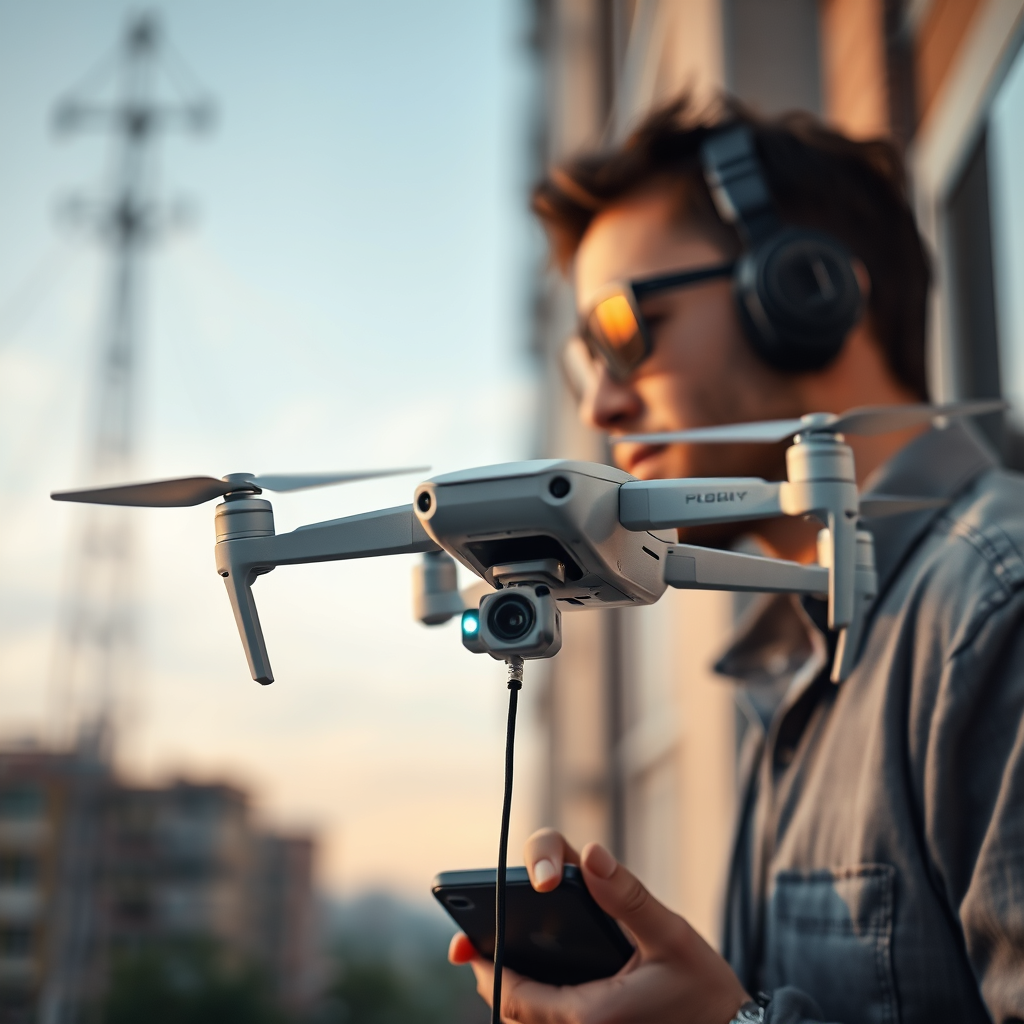
Tethered drones indeed represent a significant advancement in the realm of continuous surveillance, providing an innovative solution that overcomes the limitations of battery life associated with traditional drones. By maintaining a constant power supply through their tether, these drones can offer persistent aerial coverage, making them invaluable tools in various surveillance applications. In this article, we will delve into the mechanics of tethered drones, examine their advantages and challenges, explore real-world applications, and assess their future potential in surveillance technology.
Understanding Tethered Drones
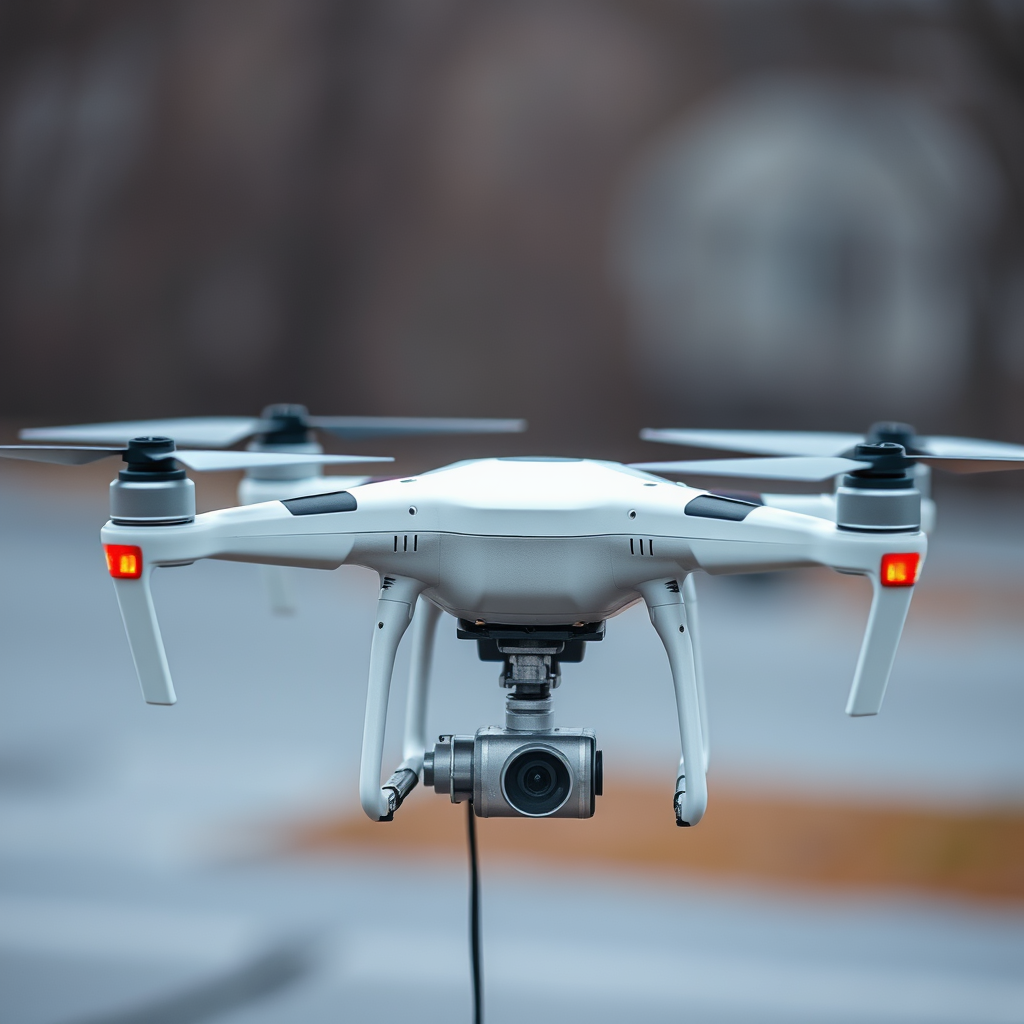
Tethered drones are unmanned aerial vehicles (UAVs) that are connected to a stationary power source via an electrical cable. This design enables them to operate for extended periods, as they draw energy directly from the tether rather than relying on onboard batteries. The basic operation of tethered drones involves maintaining a specific altitude and position while transmitting real-time data back to ground control through the tether, which often includes video feeds or other sensor data.
In contrast to traditional drones, which have limited flight times due to battery constraints, tethered drones can remain airborne for hours or even days, depending on the power supply. This difference allows tethered drones to be utilized for prolonged surveillance missions without the need for frequent landings and recharging. Furthermore, the tether provides additional stability, enabling them to withstand adverse weather conditions better than their untethered counterparts.
Advantages of Tethered Drones for Surveillance
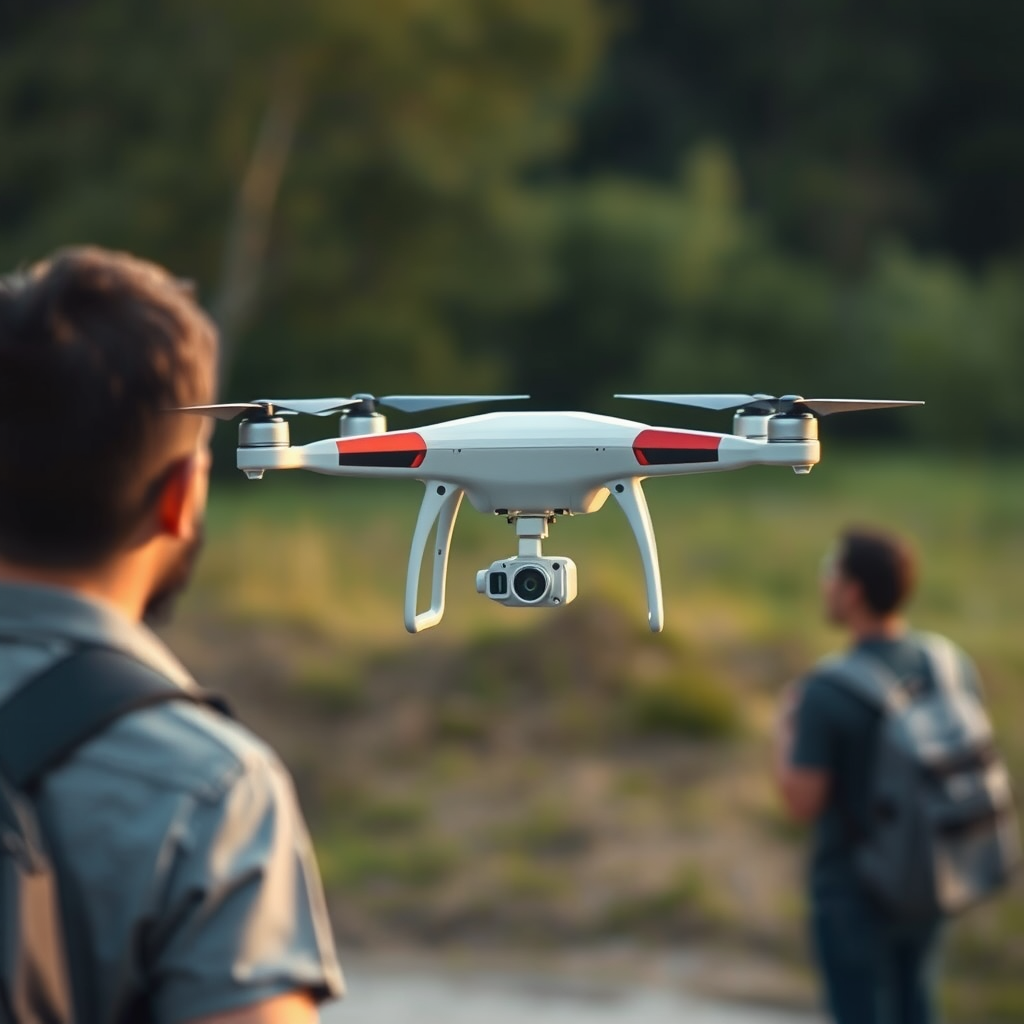
One of the most significant advantages of tethered drones is their unlimited flight time. Because they are connected to a power source, these drones can remain in the air indefinitely as long as the tether remains intact. This continuous operation is particularly advantageous for surveillance scenarios where consistent monitoring is crucial, such as in security applications, crowd monitoring, or critical infrastructure protection.
Enhanced stability and reliability are other key benefits of tethered drones. The tether not only secures the drone but also helps stabilize it against wind forces and turbulence, allowing for more accurate data collection. This stability is essential for surveillance applications that require high-definition video or precise sensor readings, as it minimizes the risk of shaky footage or inaccurate readings due to drone movement.Key Applications of Tethered Drones
Tethered drones have found a variety of applications in the field of surveillance, notably in law enforcement and disaster response.
In law enforcement, tethered drones can be deployed for crime scene monitoring or crowd control during large public events. For instance, they can provide real-time aerial footage to help officers assess situations from a vantage point that would otherwise be difficult to obtain. Additionally, these drones can assist in gathering evidence or monitoring ongoing incidents without the risk of losing the drone due to battery depletion.
In disaster response scenarios, tethered drones can play a pivotal role in search-and-rescue operations. By providing continuous aerial views of affected areas, they can help identify survivors or assess damage over large geographic stretches. The ability to maintain a stable presence in the air allows rescue teams to make informed decisions based on real-time data, significantly improving response times and efficiency.
Challenges and Limitations of Tethered Drones
Despite their many advantages, tethered drones do face certain challenges and limitations. One primary concern is their physical limitations regarding mobility and maneuverability. Since they are attached to a tether, their operational range is restricted, which can hinder their effectiveness in situations that require extensive coverage or flexibility in movement.
Moreover, regulatory concerns and airspace restrictions can pose significant challenges for the deployment of tethered drones. In many jurisdictions, there are strict regulations governing drone operations, including altitude restrictions and no-fly zones. This regulatory environment can complicate the deployment of tethered drones, particularly in urban areas or regions with dense air traffic.
Technological Innovations Enhancing Tethered Drones
Recent technological advancements are continuously enhancing the capabilities of tethered drones, particularly regarding sensor technology and artificial intelligence (AI) integration. New sensor technologies, such as high-definition cameras and thermal imaging, are being incorporated into tethered drones to improve data capture. These sensors can provide critical insights during surveillance operations, allowing for better monitoring and analysis of specific areas.
Additionally, the integration of AI into tethered drones is revolutionizing surveillance analytics. AI algorithms can analyze the data collected by the drones in real-time, identifying patterns or anomalies that may require immediate attention. For example, AI can assist in recognizing unusual behavior in crowds or detecting potential security threats, significantly improving response capabilities.
Future Prospects of Tethered Drones in Surveillance
The future of tethered drones in surveillance appears promising, with ongoing developments in drone technology and an increasing array of applications. As drone technology continues to evolve, we can expect improvements in battery efficiency, sensor capabilities, and AI analytics, which will further enhance the effectiveness and reliability of tethered drones.
Market trends indicate a growing adoption of tethered drones across various sectors, including security, emergency services, and infrastructure monitoring. As organizations recognize the value of continuous surveillance, the demand for tethered drones is likely to increase. Moreover, advancements in regulatory frameworks may pave the way for broader deployment, allowing for more innovative applications in urban environments and other previously restricted areas.
In conclusion, tethered drones present a viable option for continuous surveillance, marrying the advantages of extended operation with innovative technology. Their ability to provide unlimited flight time and enhanced stability makes them an attractive choice for various applications, from law enforcement to disaster response. As technological advancements continue to unfold and the market for tethered drones expands, it is essential for stakeholders to stay informed about their capabilities and potential uses. Exploring the possibilities of tethered drones in your field could significantly enhance surveillance capabilities, paving the way for improved safety and security measures.
Frequently Asked Questions
What are tethered drones and how do they work for continuous surveillance?
Tethered drones are unmanned aerial vehicles (UAVs) connected to a stationary power source via a cable, allowing for extended flight times and continuous operation. They work by providing real-time aerial surveillance, as the tether connects them to a ground station that supplies power and data transfer capabilities. This setup eliminates the need for battery replacements and enhances the drone’s stability, making them ideal for persistent monitoring in various applications such as security, traffic management, and disaster response.
Why are tethered drones considered a better option for surveillance compared to traditional drones?
Tethered drones offer several advantages over traditional drones for surveillance purposes. Their continuous power supply allows for extended operational periods without the need for landings to recharge, ensuring uninterrupted monitoring. Additionally, tethered drones are less prone to theft or loss since they remain anchored to a specific location, and their stability enhances video quality, making them ideal for capturing detailed imagery essential for surveillance tasks.
How can tethered drones be utilized in urban environments for surveillance?
Tethered drones can be effectively deployed in urban environments for various surveillance applications, including crowd monitoring, traffic oversight, and event security. Their ability to hover in place for extended periods allows law enforcement and security personnel to oversee large gatherings or monitor traffic flow without the need for frequent repositioning. Furthermore, their high-definition cameras can capture detailed footage for real-time analysis and post-event review, enhancing overall situational awareness.
What are the limitations of using tethered drones for continuous surveillance?
While tethered drones provide numerous benefits, they also have some limitations. The reliance on a physical tether restricts their operational range, confining them to a specific area around the tether anchor point. Additionally, adverse weather conditions, such as high winds or heavy rain, can affect their stability and performance. Lastly, the setup cost for tethered drone systems can be higher than traditional drones due to the required infrastructure, which might deter some users.
Which industries are best suited for implementing tethered drones for surveillance purposes?
Tethered drones are particularly well-suited for industries that require consistent surveillance and monitoring, such as law enforcement, event management, and critical infrastructure protection. They are also beneficial in public safety sectors, including firefighting and emergency response, where real-time aerial views can significantly enhance situational awareness. Additionally, sectors like construction and energy can utilize tethered drones to monitor site safety and assess conditions over large areas, making them an invaluable tool for various applications.
References
- https://en.wikipedia.org/wiki/Tethered_drone
- https://www.sciencedirect.com/science/article/abs/pii/S1350031219300980
- https://www.nytimes.com/2021/08/13/us/tethered-drones-surveillance.html
- https://www.bbc.com/news/technology-58716299
- https://www.reuters.com/technology/us-army-to-test-tethered-drones-amid-ongoing-efforts-modernize-2022-05-17/
- Tools to Facilitate Implementation of Effective Metropolitan Freight Transportation Strategies | …
- https://www.darpa.mil/news-events/2022-12-21
- https://www.techrepublic.com/article/tethered-drones-are-ready-to-take-off-for-surveillance-operations/
