
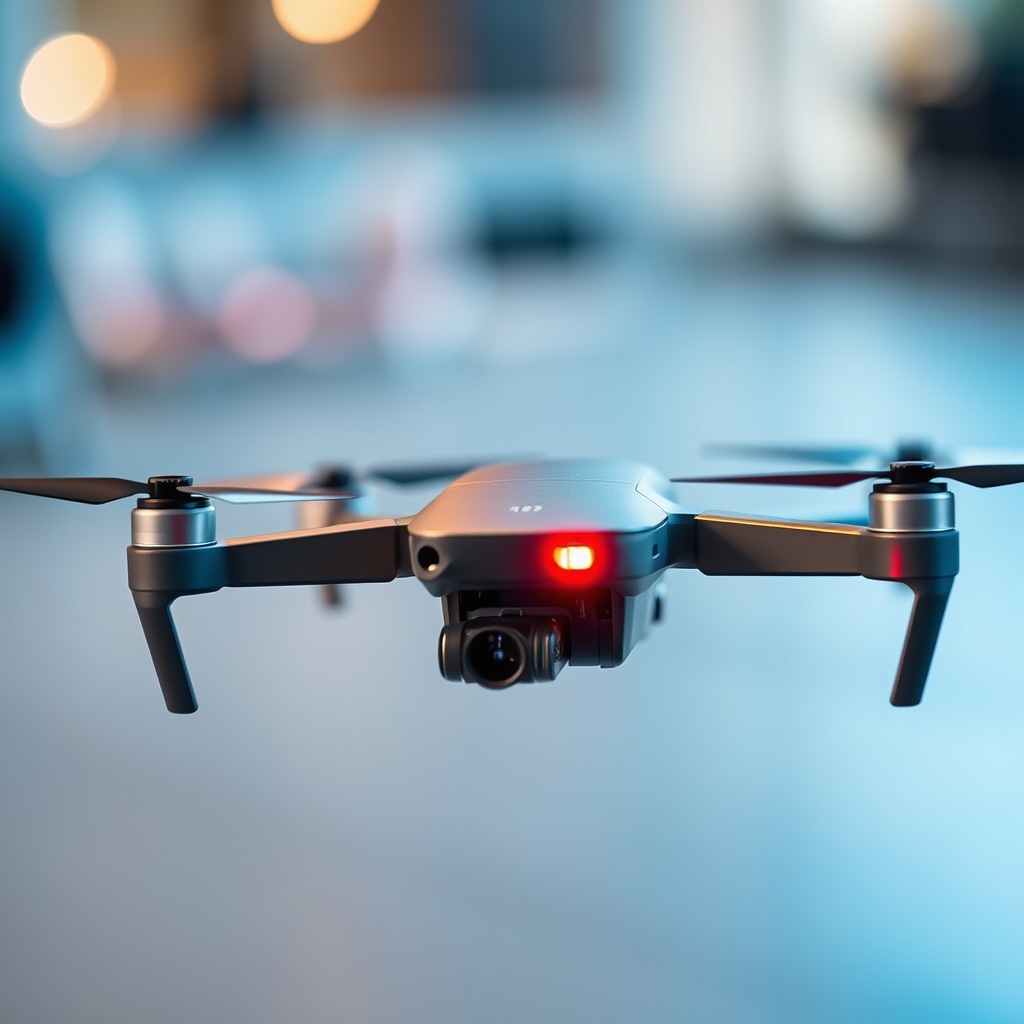
The integration of flexible batteries into drone design is fundamentally transforming the industry by allowing for lighter, more versatile, and compact configurations. These innovative power sources not only enhance the performance of drones but also expand their applications across various sectors. As drones become increasingly integral to logistics, agriculture, and surveillance, understanding the impact of flexible batteries is essential for manufacturers, engineers, and consumers alike.
The Advantages of Flexible Batteries
Lightweight Design
One of the primary advantages of flexible batteries is their lightweight nature. Traditional rigid batteries can significantly contribute to a drone’s overall weight, limiting its flight time and efficiency. Flexible batteries, on the other hand, are designed to be lightweight, which directly translates to improved flight efficiency and endurance. For instance, the integration of flexible batteries can reduce a drone’s weight by up to 30%, allowing it to carry additional payloads or simply fly longer distances without the need for frequent recharges. By reducing weight, manufacturers can also explore new design avenues, ultimately leading to drones that are not only more efficient but also capable of carrying out more complex tasks.
Space Optimization
Flexible batteries offer unparalleled opportunities for space optimization within drone designs. Their ability to conform to various shapes allows engineers to strategically place them within the drone’s structure, maximizing space utilization. This could mean integrating batteries into the wings or fuselage, areas that are typically underutilized in traditional designs. For example, companies like Zipline have successfully implemented flexible battery designs that fit seamlessly into their delivery drones, thereby increasing their overall efficiency and operational capacity. This innovative use of space not only makes drones lighter but also enhances their aerodynamic performance.
Enhanced Performance Capabilities
Increased Flight Time
The energy density of flexible batteries is a game-changer for drone performance. By storing more energy in a smaller footprint, these batteries allow for longer flight durations. This is particularly crucial for applications such as surveillance, search and rescue operations, and agricultural monitoring, where extended flight times can significantly impact the effectiveness of the mission. For instance, drones utilizing flexible battery technology can achieve flight times of up to 50% longer than those powered by traditional batteries. This advancement is enabling missions that were previously impossible due to time constraints.
Improved Maneuverability
The reduction in overall weight that flexible batteries provide also results in improved maneuverability. Lighter drones are inherently more agile, allowing for quicker turns and altitude changes during flight. This is especially beneficial in applications requiring precision, such as aerial photography or emergency response scenarios. A recent study highlighted that drones equipped with flexible batteries can respond to control inputs almost 20% faster than their heavier counterparts, making them more effective in dynamic environments.
Innovations in Drone Applications
Delivery Services
The rise of e-commerce has necessitated innovative solutions for last-mile delivery. Flexible batteries enable the development of compact drones that can navigate urban environments more effectively, making them ideal for delivery services. Companies like Amazon and UPS are investing heavily in drone technology to streamline their logistics, with flexible batteries playing a crucial role in making these drones more efficient. The design flexibility allows for drones that can carry varied payloads, adapting to different delivery needs while maintaining performance.
Agricultural Monitoring
Flexible batteries are also finding significant applications in agriculture, where drones are increasingly used for crop monitoring and analysis. The ability to operate in diverse environments, such as uneven terrain or extreme weather conditions, is enhanced by the lightweight and adaptable nature of flexible batteries. For example, agricultural drones equipped with these batteries can fly longer distances over large fields, collecting vital data for farmers regarding crop health and irrigation needs. This capability not only improves productivity but also supports more sustainable farming practices.
Design Considerations for Manufacturers
Modularity
The flexibility inherent in these batteries facilitates modular designs, allowing manufacturers to create drones tailored to specific tasks. Modular drones can be easily adapted for various functions, such as mapping, delivery, or surveillance, by swapping out components like batteries and payloads. This adaptability is crucial in a rapidly evolving market where demands change frequently. Companies are increasingly prioritizing modular designs to keep up with customer needs and technological advancements.
Thermal Management
Despite their advantages, integrating flexible batteries into drone designs presents challenges, particularly concerning thermal management. As these batteries operate, they generate heat, which must be effectively dissipated to maintain performance and prolong battery life. Engineers must consider how to manage heat within the drone’s design to prevent overheating, which could lead to battery failure or decreased efficiency. Innovative cooling solutions, such as heat sinks or active cooling systems, are becoming essential in the design process for drones utilizing flexible batteries.
Future Trends in Battery Technology
Advancements in Materials
The future of flexible batteries lies in ongoing research into new materials that enhance their performance, safety, and durability. Innovations such as solid-state batteries and organic materials are being explored to further improve energy density and reduce the risk of fires associated with lithium-ion batteries. These advancements could make flexible batteries even more suitable for drone applications, potentially leading to lighter and more efficient designs.
Sustainability
As the demand for eco-friendly solutions increases, the push for sustainable battery technology is gaining momentum. Manufacturers are exploring biodegradable materials and more environmentally friendly production methods. The integration of sustainable practices in battery production could not only reduce the carbon footprint of drones but also appeal to environmentally conscious consumers and businesses. Companies that prioritize sustainability are likely to gain a competitive edge in the market.
Challenges to Overcome
Durability
While flexible batteries present numerous advantages, ensuring their durability in harsh operating conditions remains a significant challenge. Drones often face extreme temperatures, moisture, and physical stress during operation, which could compromise battery integrity. Manufacturers must invest in rigorous testing and development to ensure that flexible batteries can withstand these conditions without significant degradation in performance.
Cost-Effectiveness
The production costs associated with flexible batteries can be a barrier to widespread adoption. While these batteries offer many benefits, their higher initial costs compared to traditional batteries may deter some manufacturers from making the switch. To promote broader acceptance, ongoing research and advancements in manufacturing processes are essential to drive down costs. Collaborations between battery manufacturers and drone producers could also help in finding economies of scale to make flexible batteries more accessible.
The integration of flexible batteries into drone design represents a significant advancement in technology, enhancing functionality and opening new possibilities for application across various sectors. As the industry continues to evolve, understanding the implications of these developments will be crucial for engineers and companies in aerospace and drone sectors. By keeping abreast of these advancements, stakeholders can better navigate the future landscape of drone technology and leverage the benefits of flexible batteries for their next project or investment.
Frequently Asked Questions
What are flexible batteries and how do they work in drone technology?
Flexible batteries are advanced energy storage devices that are lightweight and can be bent or shaped to fit the design of various drones. Unlike traditional rigid batteries, these innovative power sources utilize materials like lithium polymer and graphene, allowing for greater versatility in design and improved energy density. This means drones can achieve longer flight times and enhanced performance without the added weight of conventional batteries.
How do flexible batteries improve drone design and performance?
Flexible batteries significantly enhance drone design by allowing manufacturers to create more compact and aerodynamically efficient models. Their lightweight nature reduces the overall weight of the drone, enabling longer flight durations and higher payload capacities. Additionally, the ability to integrate these batteries into unconventional shapes can lead to innovative drone designs that maximize functionality and aesthetic appeal.
Why are flexible batteries considered a game-changer for the future of drone technology?
Flexible batteries are considered a game-changer because they address several critical limitations of traditional batteries, such as weight and shape constraints. As the demand for more efficient, longer-lasting drones grows, these batteries enable manufacturers to innovate without being hindered by bulky power sources. Furthermore, their potential for integration into wearable tech and other applications makes them essential for the advancement of drone technology across various industries.
What are the best applications for drones powered by flexible batteries?
Drones powered by flexible batteries are best suited for applications requiring lightweight designs and long endurance, such as aerial photography, surveying, and agricultural monitoring. Their adaptability makes them ideal for emerging uses in search and rescue missions, where quick deployment and maneuverability are vital. Additionally, flexible batteries can enhance the capabilities of delivery drones, allowing them to carry more significant payloads over longer distances.
Which challenges do manufacturers face when integrating flexible batteries into drone designs?
Manufacturers face several challenges when integrating flexible batteries into drone designs, primarily related to durability and thermal management. While flexible batteries are lightweight, they can be more susceptible to damage under stress or impact compared to traditional batteries. Additionally, managing heat generation during operation is crucial to ensure the safety and longevity of both the batteries and the drones themselves, necessitating innovative cooling solutions in the design process.
References
- Flexible battery
- https://www.sciencedirect.com/science/article/pii/S2211285517302021
- https://www.nature.com/articles/s41560-018-0201-3
- https://www.bbc.com/news/technology-47329251
- https://www.reuters.com/article/us-drone-batteries-idUSKBN2A11Y3
- The Effect of the Parameters of T-RTM on the Properties of Polyamide 6 Prepared by in Situ Polyme…
- https://www.nrel.gov/docs/fy20osti/76481.pdf
- News | American Association for the Advancement of Science (AAAS)
