
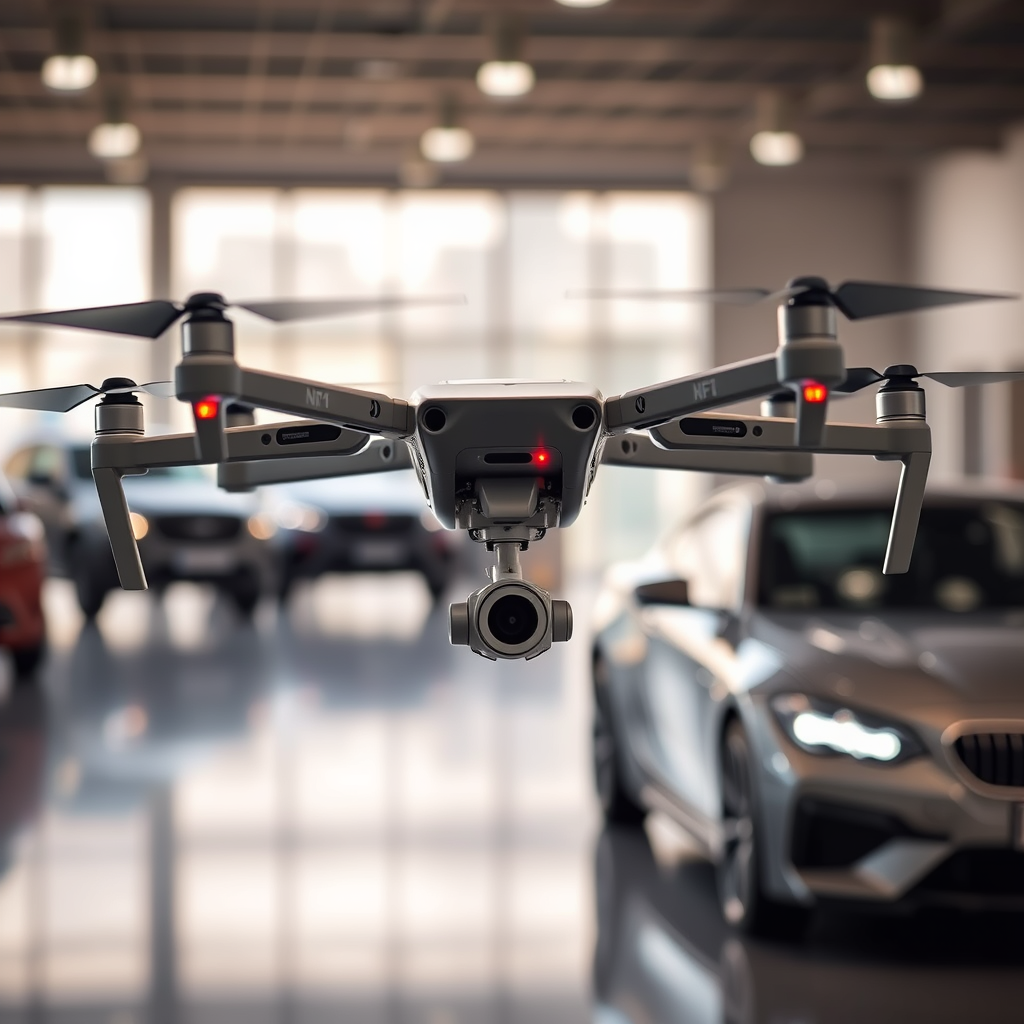
The short answer is yes, but with significant caveats. Autonomous cargo drones are making strides toward becoming integral to global shipping, but their widespread adoption is still a work in progress. Innovations in drone technology, coupled with the evolving regulatory landscape, suggest a promising future. However, challenges related to safety, security, and economic implications must be addressed before these drones can become a commonplace solution in global logistics. In this article, we will explore the current state of technology, regulatory challenges, and the potential impact on the shipping industry.
Current Technological Advancements
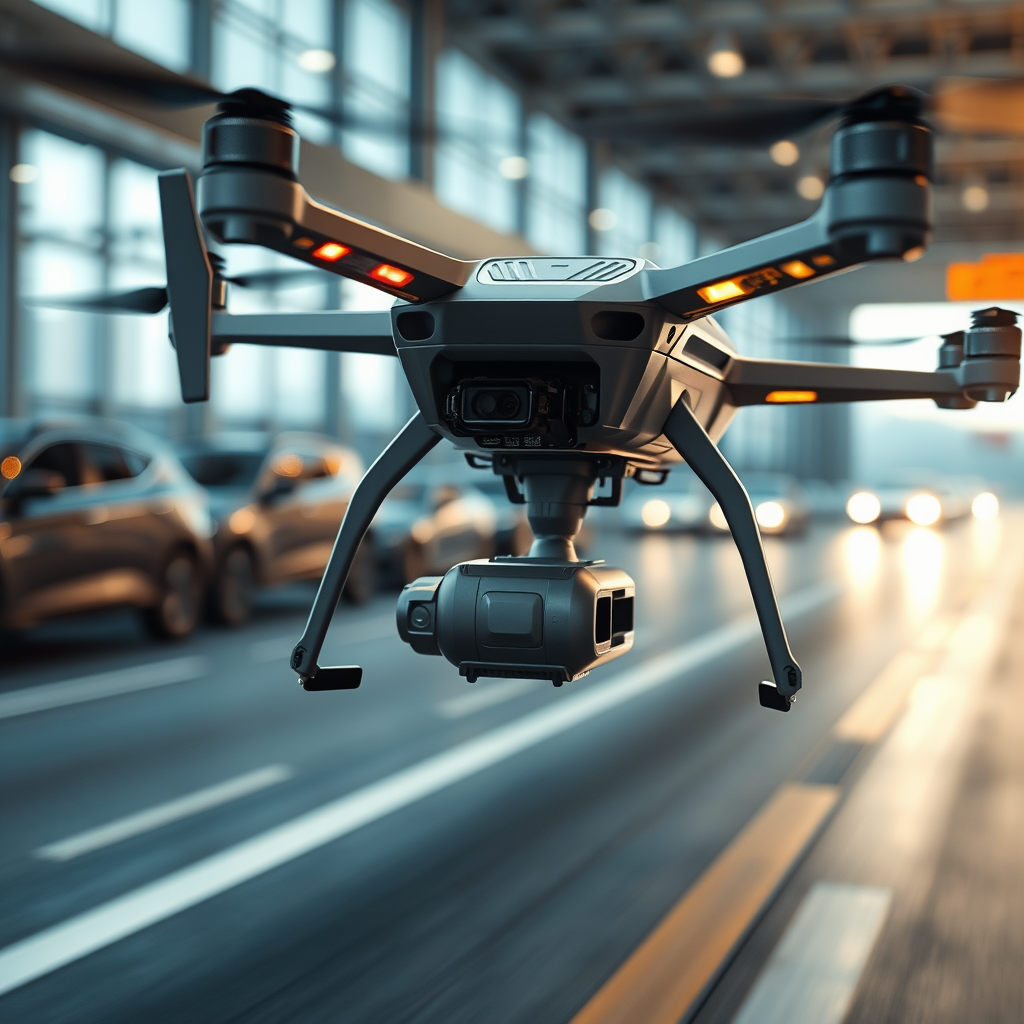
The landscape of drone technology has rapidly evolved, driven by advancements in artificial intelligence (AI), machine learning, and sophisticated navigation systems. Modern autonomous cargo drones are equipped with advanced sensors and cameras that allow them to navigate complex environments independently. For instance, companies like Zipline are successfully deploying drones for medical supply deliveries in remote areas, demonstrating the feasibility of autonomous operations. Similarly, Amazon Prime Air is actively testing its Prime Air delivery drones, aiming to enable fast and efficient parcel delivery.
These drones utilize advanced algorithms to optimize flight paths, ensuring timely deliveries while minimizing energy consumption. Furthermore, integration with GPS and real-time data analytics enhances their ability to adapt to changing conditions, such as weather shifts or air traffic. Notably, the development of Vertical Takeoff and Landing (VTOL) technology has enabled drones to operate in constrained spaces, expanding their potential applications in urban settings. This combination of technological advancements points toward a future where autonomous cargo drones can play a pivotal role in global shipping logistics.
Regulatory Landscape
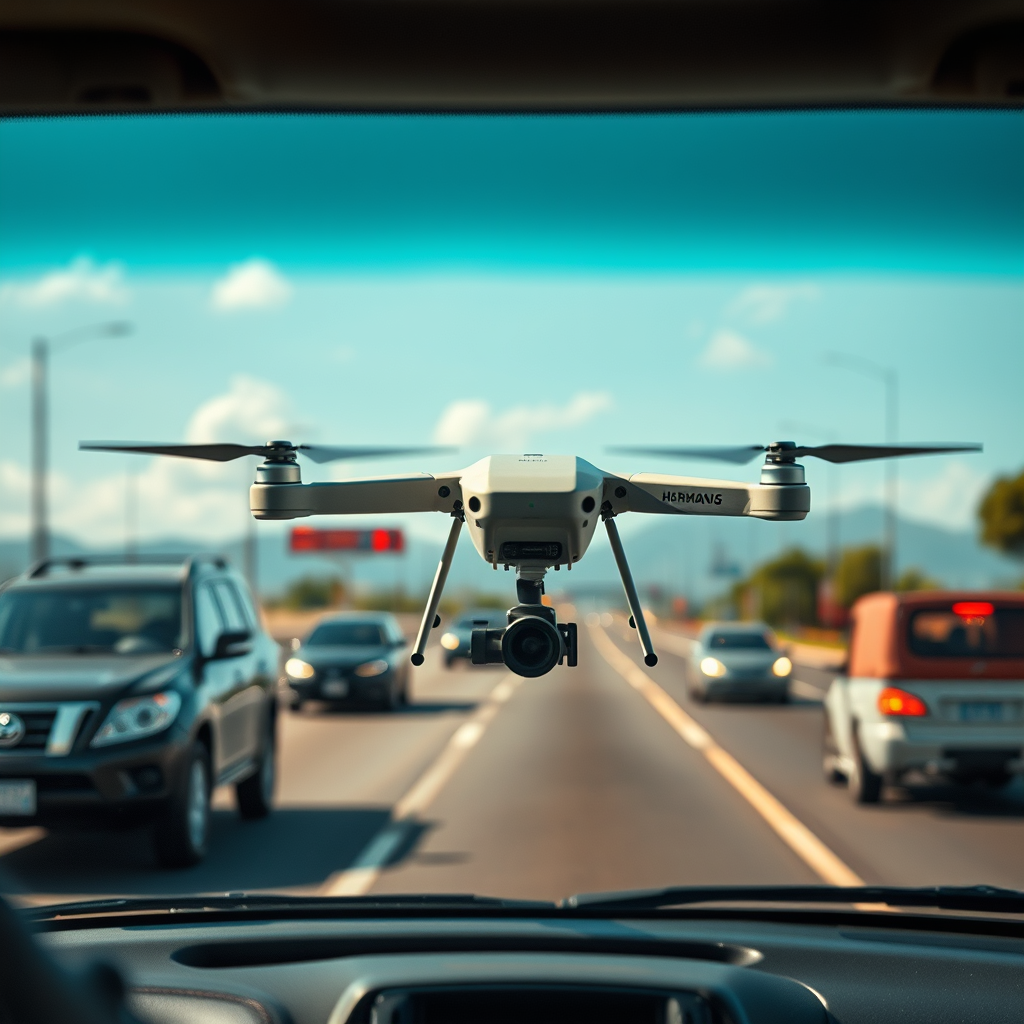
Navigating the regulatory landscape remains one of the most significant challenges for the deployment of autonomous cargo drones. In various countries, regulations governing drone usage differ significantly, impacting their operational capabilities. For instance, the Federal Aviation Administration (FAA) in the United States has established stringent rules, requiring drones to remain within the visual line of sight of operators unless special waivers are obtained. Meanwhile, countries like China have embraced a more lenient regulatory framework, fostering rapid advancements in drone technology and deployment.
Companies aiming for global operations face hurdles in obtaining necessary approvals, which can be a lengthy and complex process. Issues such as air traffic management, airspace restrictions, and safety certifications complicate the deployment of autonomous drones across borders. Moreover, the lack of standardized regulations at the international level poses a barrier to seamless operations. As stakeholders advocate for a more unified regulatory framework, it is crucial that policymakers balance innovation with safety considerations to facilitate the growth of this burgeoning industry.
Safety and Security Considerations
Safety protocols are paramount in the operation of autonomous cargo drones. Companies must implement rigorous testing and validation processes to ensure that drones can operate safely in diverse environments. For example, companies like Wing, a subsidiary of Alphabet Inc., have developed comprehensive safety measures that include collision avoidance systems and emergency landing protocols. These mechanisms are essential for mitigating risks associated with drone operations, particularly in populated areas.
In addition to physical safety, cybersecurity is a growing concern in the realm of autonomous drones. As these drones become integral to supply chains, they present potential vulnerabilities to cyberattacks. Threats such as hacking could compromise the operational integrity of drones, leading to unauthorized access to sensitive data or even physical harm. To address these challenges, companies must invest in robust cybersecurity measures, including encryption and secure communication protocols, to protect both their operations and customer data.
Economic Implications
The economic implications of integrating autonomous cargo drones into global shipping are substantial. One of the primary advantages of using drones is the potential for significant cost savings. Drones can reduce last-mile delivery costs by bypassing traditional transportation methods, such as trucks, which are subject to traffic delays and fuel expenses. Studies suggest that autonomous drone delivery can reduce delivery times by up to 50%, thereby enhancing overall efficiency in the logistics sector.
However, the rise of autonomous cargo drones raises questions about the future of traditional shipping jobs. While drones may streamline operations, they could also displace certain roles within the logistics industry. For instance, jobs reliant on manual driving or warehouse operations may be at risk as companies adopt automation technologies. To mitigate these impacts, it is essential for the industry to invest in reskilling and upskilling programs that prepare the workforce for new roles in drone operation, maintenance, and oversight.
Environmental Impact
The environmental impact of autonomous cargo drones presents a compelling case for their adoption in global shipping. Compared to traditional shipping methods, drones have the potential to significantly reduce carbon emissions. Drones are generally more energy-efficient, particularly when powered by renewable energy sources. For instance, electric drones can produce zero emissions during operation, making them a more sustainable alternative to fuel-dependent vehicles.
Moreover, the ability to deliver goods directly to consumers without the need for extensive transportation networks can help minimize the overall carbon footprint associated with logistics. As companies increasingly prioritize sustainability, integrating autonomous drones into their shipping strategies could be a pivotal step toward achieving corporate environmental goals. Comparatively, traditional shipping methods, such as freight trucks and cargo ships, contribute significantly to greenhouse gas emissions, highlighting the need for a shift toward more sustainable practices in the logistics industry.
Case Studies
Several companies have successfully implemented autonomous cargo drones in real-world scenarios, providing valuable insights into their operational capabilities and challenges. Zipline, for example, has been a pioneer in using drones for medical supply deliveries in countries like Rwanda and Ghana. By utilizing drones to transport blood and vaccines to remote healthcare facilities, Zipline has significantly improved access to essential medical supplies, showcasing the practical benefits of drone technology.
Another notable case is that of Wing, which has conducted successful drone delivery trials in Australia and the United States. Their operations have demonstrated the viability of integrating drones into urban environments, facilitating efficient delivery of everyday goods. The lessons learned from these early adopters include the importance of community engagement, regulatory compliance, and robust safety measures. As more companies explore autonomous cargo drones, these case studies will serve as a blueprint for future implementations.
Future Prospects
Looking ahead, the evolution of autonomous cargo drones in global shipping appears promising. As technology continues to advance, we can expect improvements in drone design, payload capacities, and battery life, further enhancing their operational viability. Factors such as public acceptance, technological advancements, and regulatory adaptations will play crucial roles in determining the pace of adoption.
Moreover, collaborative efforts between the drone industry, regulatory bodies, and logistics companies will be essential in creating a conducive environment for growth. As stakeholders work together to address safety, security, and regulatory challenges, the integration of autonomous cargo drones into mainstream logistics will become increasingly feasible. Predictions suggest that by the late 2020s, we may witness a substantial shift toward drone-powered deliveries, revolutionizing the way goods are transported across the globe.
The advancements in autonomous cargo drones signify a transformative shift in global shipping, but hurdles remain in regulation, safety, and broader economic implications. As the technology matures and regulatory frameworks adapt, stakeholders should stay informed and prepared to embrace this change. The potential benefits, including cost savings, environmental sustainability, and improved efficiency, underscore the importance of continued investment and innovation in this exciting field.
Frequently Asked Questions
What are the current capabilities of autonomous cargo drones for global shipping?
Autonomous cargo drones have evolved significantly and now feature advanced technologies such as AI navigation, obstacle avoidance, and real-time tracking. These drones can transport goods efficiently over short to medium distances, with payload capacities ranging from a few kilograms to several hundred kilograms, depending on the model. While companies like Amazon and Zipline have made strides in drone delivery, the technology is still primarily in the testing phase for long-haul global shipping.
How are regulatory challenges impacting the deployment of autonomous cargo drones?
Regulatory challenges significantly hinder the widespread adoption of autonomous cargo drones in global shipping. Aviation authorities in various countries have different regulations, which can affect airspace access, safety standards, and operational limits. Additionally, issues such as privacy concerns and air traffic management need to be addressed before these drones can operate effectively on a global scale.
Why are companies investing in autonomous cargo drones for shipping?
Companies are investing in autonomous cargo drones because they offer numerous advantages, including reduced delivery times, lower operational costs, and environmental benefits. Drones can efficiently navigate traffic and reach remote areas where traditional logistics may face challenges. Moreover, as e-commerce continues to grow, the demand for innovative shipping solutions increases, making drone technology an attractive option for companies looking to stay competitive.
Which industries are most likely to benefit from the use of autonomous cargo drones?
Several industries stand to benefit significantly from the use of autonomous cargo drones, including e-commerce, healthcare, and agriculture. E-commerce companies can enhance last-mile delivery efficiency, while healthcare sectors can utilize drones for transporting medical supplies and urgent medications to remote locations. The agricultural industry can also leverage drones for delivering supplies and equipment directly to farms, reducing logistics costs.
What are the main limitations of autonomous cargo drones in global shipping today?
The main limitations of autonomous cargo drones today include payload capacity, range, and regulatory hurdles. Most drones can only carry limited weights, which restricts the types of goods they can transport. Their operational range also poses challenges for long-distance shipping, and existing regulations can complicate airspace navigation and safety compliance. Addressing these limitations is crucial for the future success of autonomous cargo drones in the global shipping market.
References
- Delivery drone
- https://www.reuters.com/technology/2021/09/10/autonomous-drone-delivery-revolutionizing-logistics/
- https://www.bbc.com/news/technology-56330350
- https://www.sciencedirect.com/science/article/pii/S1361920119300773
- https://www.nist.gov/news-events/news/2021/06/nist-helps-define-future-autonomous-drones
- Unmanned Aircraft Systems (UAS) | Federal Aviation Administration
- https://www.un.org/development/desa/publications/technology-and-innovation-for-sustainable-development.html
- https://www.wired.com/story/drone-delivery-2021/
