
The role of advanced Electronic Speed Controllers (ESC) in drone control is pivotal for achieving optimal performance and safety in flight operations. These systems enhance drone maneuverability and stability, enabling both hobbyists and professionals to navigate complex environments with precision. In this article, you will learn how these systems function, their benefits, and their impact on drone performance.
Understanding Electronic Speed Controllers (ESC)
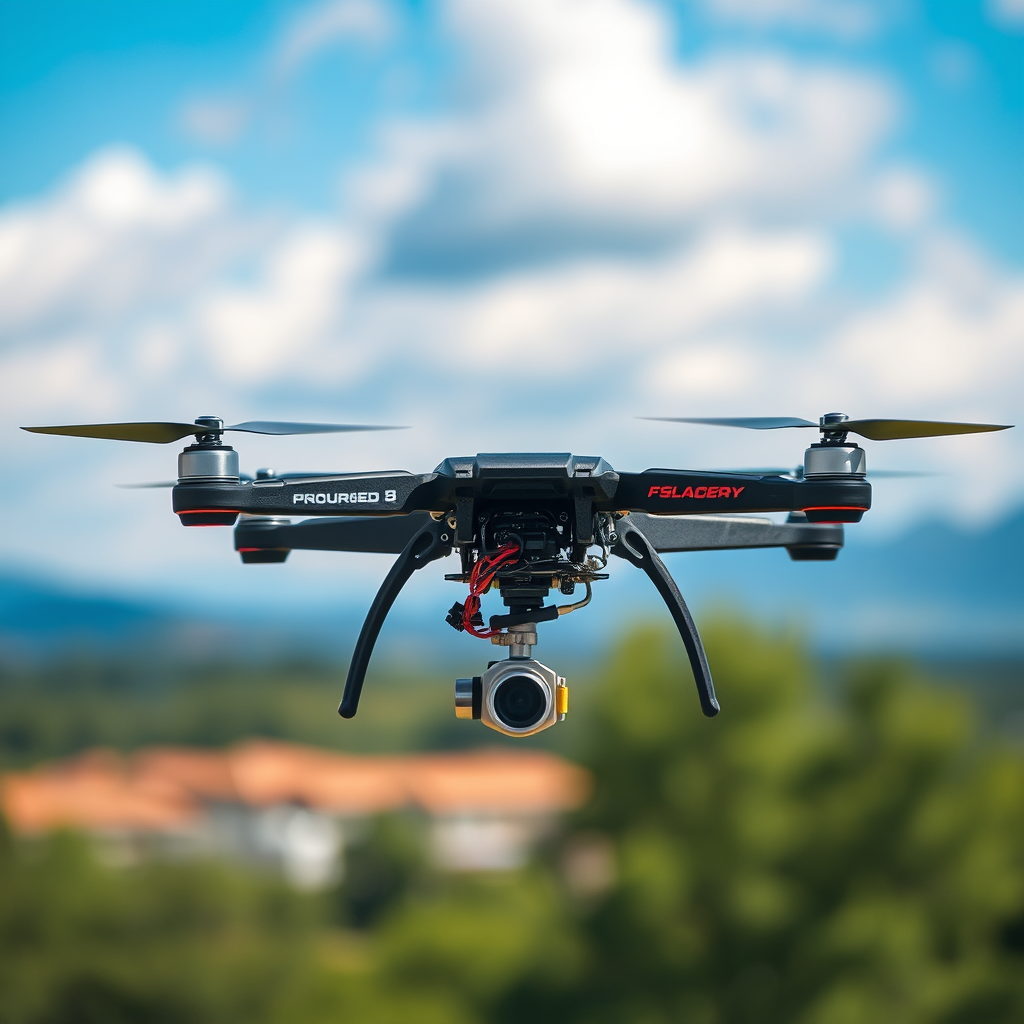
Electronic Speed Controllers (ESC) are essential components in drone technology that regulate the speed of the drone’s motors based on input from the flight controller. The primary function of an ESC is to convert the direct current (DC) from the battery into a signal that can control the speed of brushless motors, which are commonly used in drones due to their efficiency and reliability.
An ESC consists of several key components: a microcontroller, power transistors, and a battery input. The microcontroller interprets commands from the flight controller, determining how much power to deliver to each motor. The power transistors act as switches, rapidly turning on and off to modulate the voltage and current supplied to the motors. This interaction allows for precise adjustments in motor speed, enabling the drone to perform various maneuvers smoothly.
Moreover, the integration of advanced ESC systems often includes features such as telemetry, which provides real-time data on motor performance, and regenerative braking, which can help recover energy during descents. This enhances overall efficiency and responsiveness.
Importance of Advanced ESC Systems
Advanced ESC systems are essential for enhancing responsiveness and control during flight, particularly in challenging conditions. These systems allow for rapid adjustments to motor speed in response to changes in flight dynamics. For example, during abrupt maneuvers or when encountering turbulence, an advanced ESC can react quicker than basic models, maintaining stability and control.
The ability to handle complex maneuvers is also a significant advantage. Drones equipped with advanced ESC systems can perform aerial acrobatics, such as flips and rolls, with ease. This is particularly beneficial for racing drones, where precision control translates to competitive performance. Furthermore, in varying flight conditions—such as high winds or sudden altitude changes—advanced ESC systems can adapt more effectively, ensuring the drone remains stable and controllable.
Key Features of Advanced ESC Systems
One of the standout features of advanced ESC systems is the integration of adaptive algorithms that facilitate real-time adjustments. These algorithms analyze flight data continuously, enabling the ESC to optimize motor performance based on current conditions. For instance, changes in battery voltage or temperature can trigger the ESC to modify power delivery, thus maintaining consistent performance and maximizing battery life.
Additionally, advanced ESC systems support various communication protocols, enhancing compatibility with different flight controllers and sensors. Popular protocols like PWM (Pulse Width Modulation), OneShot, and DShot provide flexibility in connecting ESCs to a wide range of drone systems. This compatibility ensures that users can upgrade their drones with the latest technology without needing to replace multiple components, fostering a more streamlined and efficient upgrade process.
Benefits of Using Advanced ESC in Drones
The benefits of utilizing advanced ESC systems in drones are manifold. One of the most significant advantages is increased efficiency, which translates into longer battery life. Advanced ESCs optimize power management by adjusting motor speeds based on real-time flight data, thereby reducing unnecessary power consumption during flight.
Safety is another critical aspect enhanced by advanced ESC systems. Many models are equipped with fail-safes that automatically reduce power or shut down motors in the event of a malfunction, preventing potential crashes. Additionally, protection mechanisms, such as over-current and over-temperature safeguards, help to prolong the lifespan of both the ESC and the motors.
For commercial applications, these enhancements can lead to reduced operational costs. For instance, drones used in agricultural monitoring or aerial photography can complete tasks more efficiently, maximizing flight time and productivity.
Real-World Applications of Advanced ESC Systems
Advanced ESC systems have found diverse applications across various sectors. In the commercial realm, drones equipped with these systems are used for aerial photography, delivering stable and high-quality images even in turbulent conditions. The film industry, in particular, benefits from the ability of drones to execute complex shots with precision.
In agriculture, drones equipped with advanced ESC systems can navigate uneven terrain to monitor crop health, apply fertilizers, and assess irrigation needs. The stability and control provided by these ESCs allow for more accurate data collection, leading to better decision-making and resource management.
The military also leverages advanced ESC systems for surveillance and reconnaissance. Drones used in these operations require exceptional maneuverability and reliability to navigate complex environments, making advanced ESC systems essential for mission success.
Future Trends in ESC Technology
The future of ESC technology is poised for significant advancements, driven by ongoing innovation in drone design and functionality. Emerging technologies such as artificial intelligence (AI) and machine learning are expected to play a crucial role in the evolution of ESC systems. These technologies will enable ESCs to learn from flight data, improving their adaptive algorithms and enhancing overall performance.
Additionally, the rise of electric vertical takeoff and landing (eVTOL) aircraft may drive the development of ESC systems that can handle larger loads and more complex flight patterns. As these vehicles become more prevalent, the need for robust and reliable ESC technology will increase.
Predictions for the evolution of drone control systems suggest a shift towards more integrated solutions, where ESCs communicate seamlessly with other onboard systems, including navigation and obstacle avoidance. This holistic approach will enhance the overall safety and efficiency of drone operations.
The role of advanced ESC systems in drone control is pivotal for achieving optimal performance and safety in flight operations. As these technologies continue to evolve, staying informed about their advancements can greatly benefit drone enthusiasts and professionals alike. Explore the latest in ESC technology and consider how upgrading your drone’s system can enhance your aerial experience. By understanding and investing in advanced ESC systems, you position yourself at the forefront of drone technology, ready to take full advantage of its capabilities.
Frequently Asked Questions
What are advanced ESC systems and how do they function in drone control?
Advanced ESC (Electronic Speed Controller) systems are integral components in drone control that manage the speed of the drone’s motors. They take signals from the flight controller and adjust the power sent to each motor accordingly, allowing for precise control of flight maneuvers. By implementing sophisticated algorithms, advanced ESCs enhance responsiveness, stability, and efficiency, making them crucial for high-performance drones used in aerial photography, racing, and various industrial applications.
How do advanced ESC systems improve drone flight stability?
Advanced ESC systems improve drone flight stability by providing real-time adjustments to motor speeds based on flight conditions and pilot inputs. They utilize feedback mechanisms that monitor the drone’s orientation and speed, allowing for rapid corrections during turbulence or sudden changes in direction. This enhanced stability is vital for maintaining control during challenging flying conditions, ensuring safety and reliability for both recreational and professional drone users.
Why are advanced ESCs essential for racing drones?
Advanced ESCs are essential for racing drones because they offer precise motor control and rapid throttle response, which are critical for competitive racing scenarios. These systems can handle high current loads and provide better heat dissipation, allowing racers to achieve maximum performance without overheating. Additionally, the ability to program advanced features like braking and dynamic throttle control helps pilots navigate tight turns and accelerate quickly, giving them a competitive edge in fast-paced environments.
What are the best features to look for in an advanced ESC system for drones?
When choosing an advanced ESC system for drones, look for features such as high current ratings (to support powerful motors), programmable settings (for customization), and compatibility with various flight controllers. Additionally, consider ESCs with built-in telemetry support for real-time performance monitoring, as well as those that offer multiple protection features like over-temperature and low-voltage cutoff. These features not only enhance performance but also ensure the longevity and safety of your drone.
Which types of drones benefit the most from advanced ESC systems?
Drones that benefit the most from advanced ESC systems include racing drones, aerial photography drones, and industrial drones used for surveying or inspection purposes. Racing drones require precise and responsive motor control for agility, while aerial photography drones need stability and smooth flight for capturing high-quality images. Industrial drones, on the other hand, rely on advanced ESCs for reliable performance during long flights and heavy payloads, making these systems essential across various drone applications.
References
- https://en.wikipedia.org/wiki/Drone_control
- https://www.nasa.gov/mission_pages/robotics/index.html
- https://www.sciencedirect.com/topics/engineering/esc-systems
- https://www.darpa.mil/program/advanced-droning
- https://www.researchgate.net/publication/332118670_The_Role_of_Electronic_Speed_Controllers_in_Quadcopter_Flight
- https://www.mdpi.com/2504-446X/4/1/18
- https://www.nist.gov/news-events/news/2020/05/us-drones-may-soon-be-flying-into-the-future-faster-and-more-safely
- The Israeli AI Community | AI Magazine
