
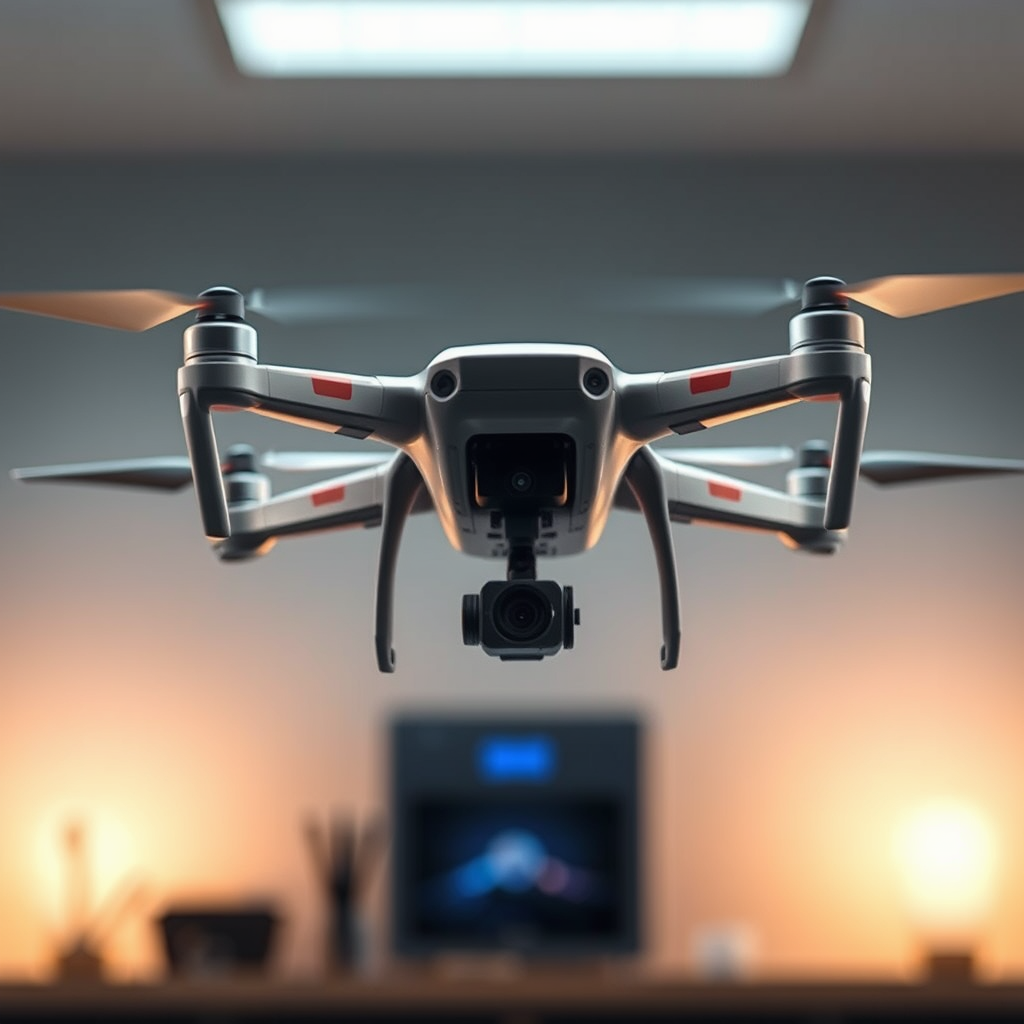
Advanced Inertial Measurement Units (IMUs) are pivotal in elevating drone precision, enabling them to execute complex maneuvers and deliver accurate data with exceptional reliability. These sophisticated sensors significantly contribute to the stability and efficiency of drone operations, particularly in fields such as aerial photography, surveying, and agriculture. As the demand for precision in drone technology continues to escalate, understanding the role of advanced IMUs becomes increasingly important for businesses and enthusiasts alike.
Understanding Inertial Measurement Units (IMUs)
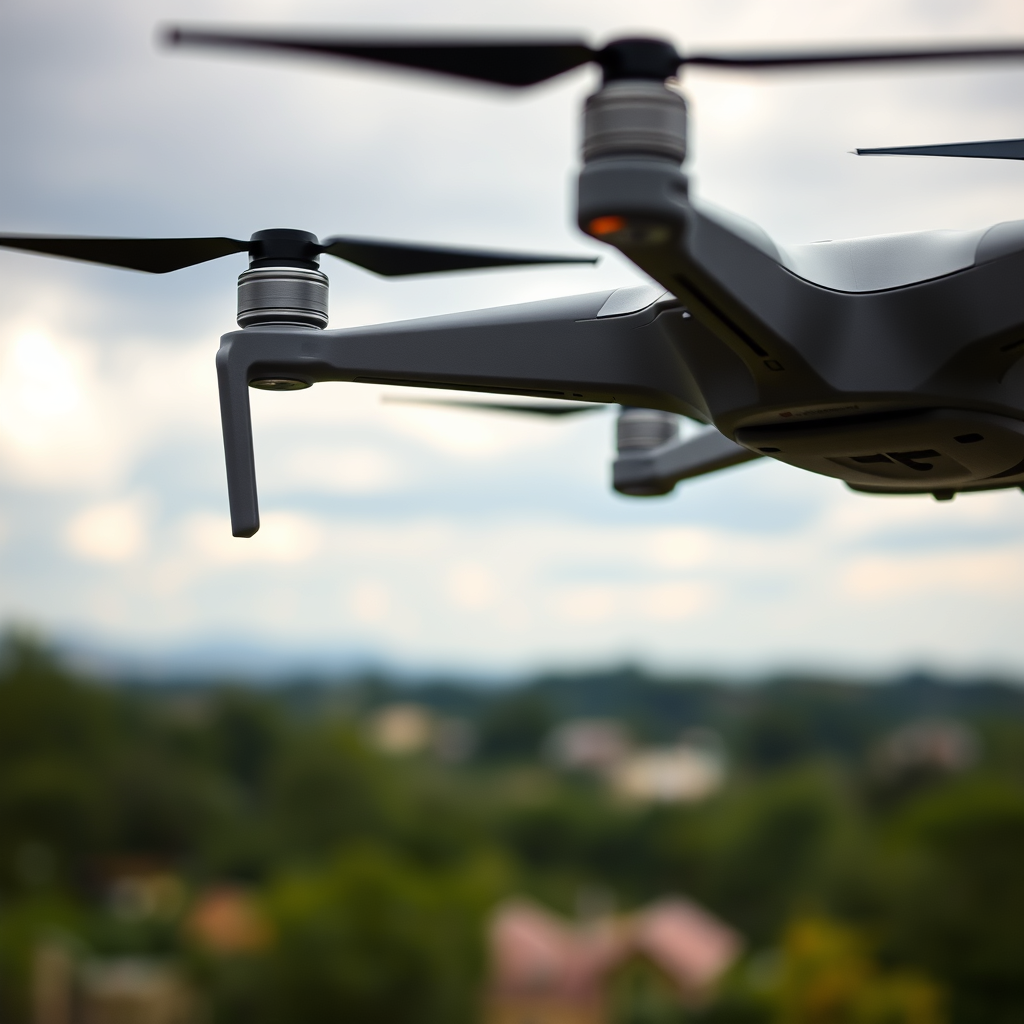
Inertial Measurement Units (IMUs) are sophisticated electronic devices that play a crucial role in determining the motion or position of an object in three-dimensional space. An IMU typically consists of three main components: accelerometers, gyroscopes, and magnetometers.
– Accelerometers measure linear acceleration along one or more axes, allowing the IMU to track changes in speed and direction.
– Gyroscopes gauge rotational velocity, providing insights into the orientation of the drone.
– Magnetometers function like a digital compass, offering information about the magnetic field, which aids in determining absolute heading.
By integrating data from these components, IMUs can accurately measure orientation, velocity, and gravitational forces, thus providing critical information necessary for piloting drones effectively. This makes IMUs indispensable for applications requiring high degrees of precision, as they help maintain stability and control even in challenging conditions.
The Importance of Precision in Drone Operations
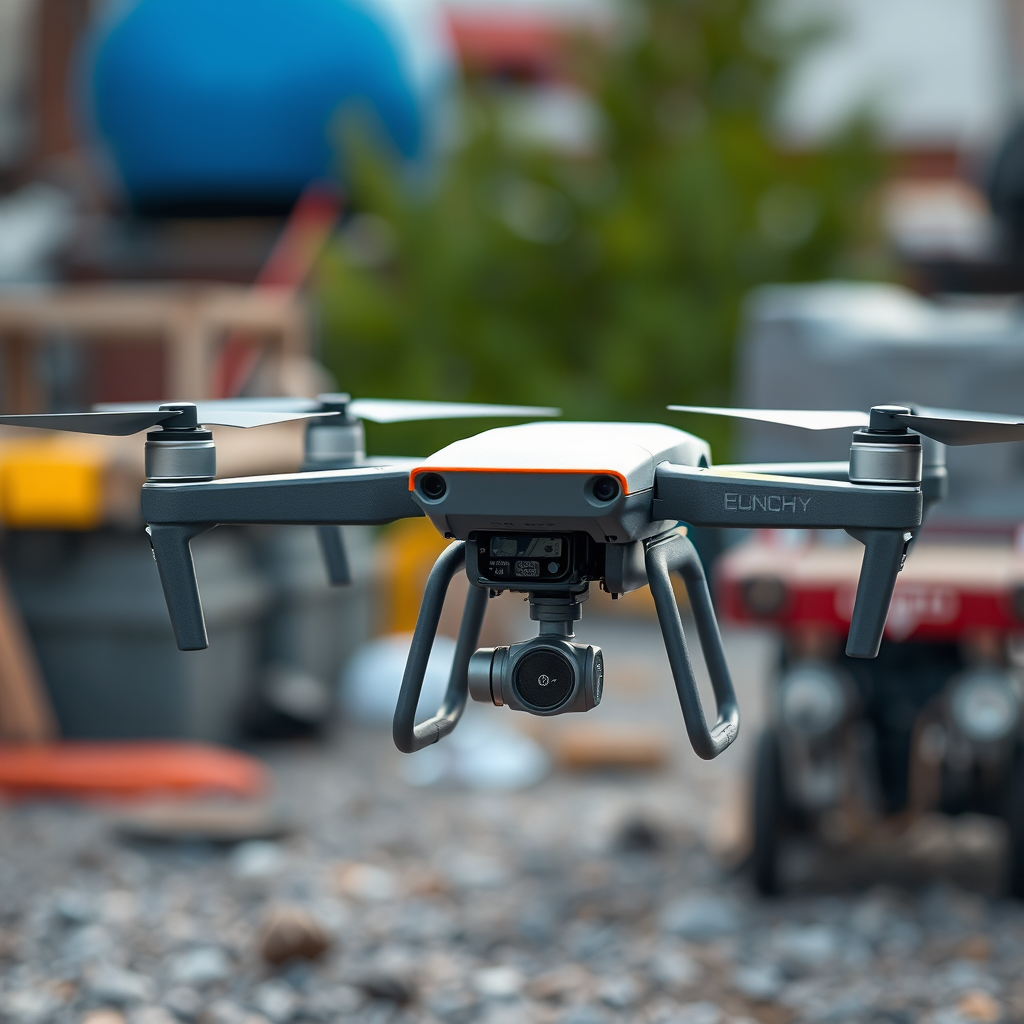
Precision is paramount in various drone applications, such as aerial photography, surveying, and precision agriculture. In aerial photography, for instance, drones equipped with advanced IMUs can capture stable, high-resolution images from various angles without the blurring typically associated with movement. Similarly, in surveying, accurate data collection directly influences the quality of maps and 3D models generated for construction projects.
Moreover, in precision agriculture, drones utilize IMUs to monitor crop health and assess field variability. The ability to collect precise data allows farmers to implement targeted interventions, enhancing yields and reducing waste. On the flip side, imprecise data collection can have dire consequences, leading to faulty analyses, misguided decision-making, and financial losses. Therefore, the role of advanced IMUs in ensuring precision cannot be overstated.
How Advanced IMUs Enhance Drone Stability
One of the key advancements in IMU technology is the concept of sensor fusion, which combines data from multiple sensors to achieve a more accurate and reliable estimation of a drone’s position and orientation. By integrating inputs from accelerometers, gyroscopes, and magnetometers, advanced IMUs can significantly improve stability during flight.
Additionally, sophisticated algorithms play a crucial role in enhancing the stabilization capabilities of drones. These algorithms process the raw data collected from the sensors in real-time, allowing for rapid adjustments and corrections. For example, if a drone experiences sudden gusts of wind, the IMU can quickly detect the change in orientation and communicate with the drone’s flight controller to adjust the thrust and control surfaces accordingly. This dynamic adjustment capability not only enhances flight stability but also allows for smoother operation, even in turbulent conditions.
Applications of Advanced IMUs in Various Industries
The applications of advanced IMUs extend across multiple industries, showcasing their versatility and significance. In precision agriculture, drones equipped with advanced IMUs can effectively monitor crop health and optimize field mapping. By leveraging accurate positional data, farmers can identify areas requiring irrigation or fertilization, ultimately promoting sustainable practices and maximizing yields.
In search and rescue operations, the precision offered by advanced IMUs is equally invaluable. Drones can be deployed to locate missing persons or assess disaster-stricken areas without putting human responders at risk. The ability to accurately track locations and navigate through challenging environments increases the chances of successful missions, saving lives and resources.
Furthermore, in the field of logistics and delivery, advanced IMUs enable drones to navigate complex environments more effectively. They help in ensuring that packages are delivered accurately and safely, reducing the risk of accidents and enhancing customer satisfaction.
Challenges and Limitations of Current IMU Technologies
Despite the advantages of advanced IMU technology, certain challenges and limitations persist. One significant issue is the potential for inaccuracies due to environmental factors such as magnetic interference, vibrations, or extreme temperatures. These factors can compromise the reliability of the data collected, leading to navigation errors and reduced performance.
Additionally, the cost and complexity of advanced IMU systems can be a barrier to entry for smaller businesses or hobbyists. High-quality IMUs often come with a steep price tag, which may deter potential users from incorporating this technology into their operations. As a result, there is a growing need for cost-effective solutions that do not sacrifice performance.
The Future of IMUs in Drone Technology
The future of IMUs in drone technology is promising, with emerging trends poised to revolutionize their functionality. One significant development is the miniaturization of IMU components, which allows for lighter and more compact systems without sacrificing performance. This trend will enable drones to carry more payload, enhancing their versatility and application range.
Moreover, the integration of artificial intelligence (AI) with IMUs is expected to lead to substantial improvements in data processing and decision-making capabilities. By utilizing machine learning algorithms, drones can adapt to various environments, dynamically optimizing their flight paths and enhancing overall operational efficiency.
As drones become increasingly autonomous, the role of advanced IMUs will evolve, supporting more complex applications such as urban air mobility and autonomous delivery systems. With ongoing advancements in IMU technology, we can expect to see even greater enhancements in drone precision and reliability.
The integration of advanced IMUs is transforming drone technology, leading to significant improvements in precision and reliability. As these systems continue to evolve, they will unlock new capabilities and applications, pushing the boundaries of what drones can achieve. For those interested in leveraging this technology, staying informed about the latest advancements is essential. Embracing the potential of advanced IMUs will not only enhance operational efficiency but also position businesses at the forefront of innovation in the rapidly growing drone industry.
Frequently Asked Questions
What are advanced IMUs and how do they enhance drone precision?
Advanced Inertial Measurement Units (IMUs) are critical components in drones that combine accelerometers, gyroscopes, and sometimes magnetometers to measure and maintain orientation and movement. By providing real-time data on the drone’s position, velocity, and attitude, advanced IMUs significantly improve flight stability and accuracy during operations. This enhanced precision is vital for applications such as surveying, mapping, and aerial photography, where even minor deviations can lead to inaccurate results.
How do advanced IMUs improve drone stability in challenging environments?
Advanced IMUs enhance drone stability by continuously measuring the drone’s motion and adjusting its control systems to counteract external forces like wind and turbulence. This is particularly important in challenging environments such as urban areas or during adverse weather conditions where GPS signals may be unreliable. With better stability, drones can maintain their intended flight paths and deliver more accurate data, reducing the risk of costly errors.
Why are advanced IMUs crucial for autonomous drone operations?
Advanced IMUs are essential for autonomous drone operations because they provide the necessary data for navigation and control without human intervention. They allow drones to accurately track their position and orientation, which is vital for executing complex flight paths and avoiding obstacles. By integrating advanced IMUs with other sensors, drones can perform tasks like automated inspections or delivery services with high levels of reliability and precision.
Which features should I look for in an advanced IMU for my drone?
When selecting an advanced IMU for your drone, consider features such as high accuracy and low drift rates, which contribute to better measurement precision over time. Additionally, look for IMUs with integrated temperature compensation to maintain performance in varying environmental conditions, and those that support fusion algorithms for enhanced data processing. Compatibility with your drone’s existing systems and ease of integration are also critical factors to ensure optimal performance.
What are the best applications for drones equipped with advanced IMUs?
Drones equipped with advanced IMUs excel in various applications, including aerial surveying, precision agriculture, and infrastructure inspections. Their enhanced stability and accuracy make them ideal for mapping terrain, monitoring crop health, and inspecting bridges or power lines, particularly in areas where GPS signals might be weak. Additionally, these drones are increasingly used in search and rescue operations, where precise positioning can be critical to locating individuals in challenging terrain.
References
- Inertial measurement unit
- https://www.nasa.gov/mission_pages/tdm/technology/advanced_inertial_measurement_units.html
- https://www.sciencedirect.com/science/article/pii/S2352864819301873
- GPS-Spoofing Attack Detection Technology for UAVs Based on Kullback–Leibler Divergence
- https://www.researchgate.net/publication/335487477_Application_of_IMU_in_Drones
- Frontiers | Virtual Reality Is Sexist: But It Does Not Have to Be
- https://www.theguardian.com/technology/2020/jun/22/how-drones-are-changing-the-way-we-work
- https://www.nist.gov/news-events/news/2021/06/nist-develops-new-technology-enhance-drones-safety-and-precision
- Past Workshops, Seminars and Webinars (2022)
