
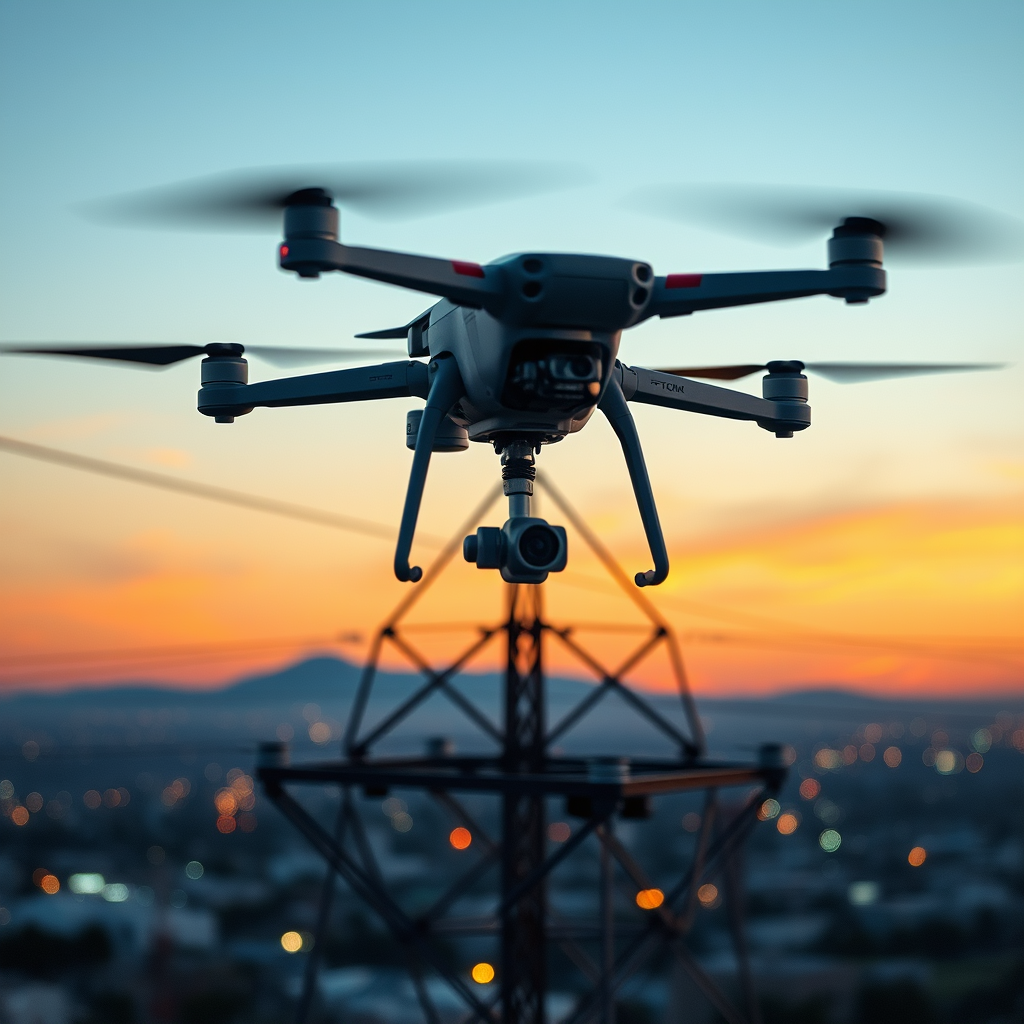
Drone-based power lines have the potential to revolutionize energy distribution, offering a flexible and efficient alternative to traditional infrastructure. By leveraging advanced drone technology, energy companies can overcome significant logistical challenges, particularly in accessing remote locations. This innovative approach not only streamlines power delivery but also promises to reduce the environmental impact associated with conventional power lines. In this article, we’ll explore how drones can transform power delivery, the advantages they bring, and the challenges that lie ahead.
The Concept of Drone-Based Power Lines
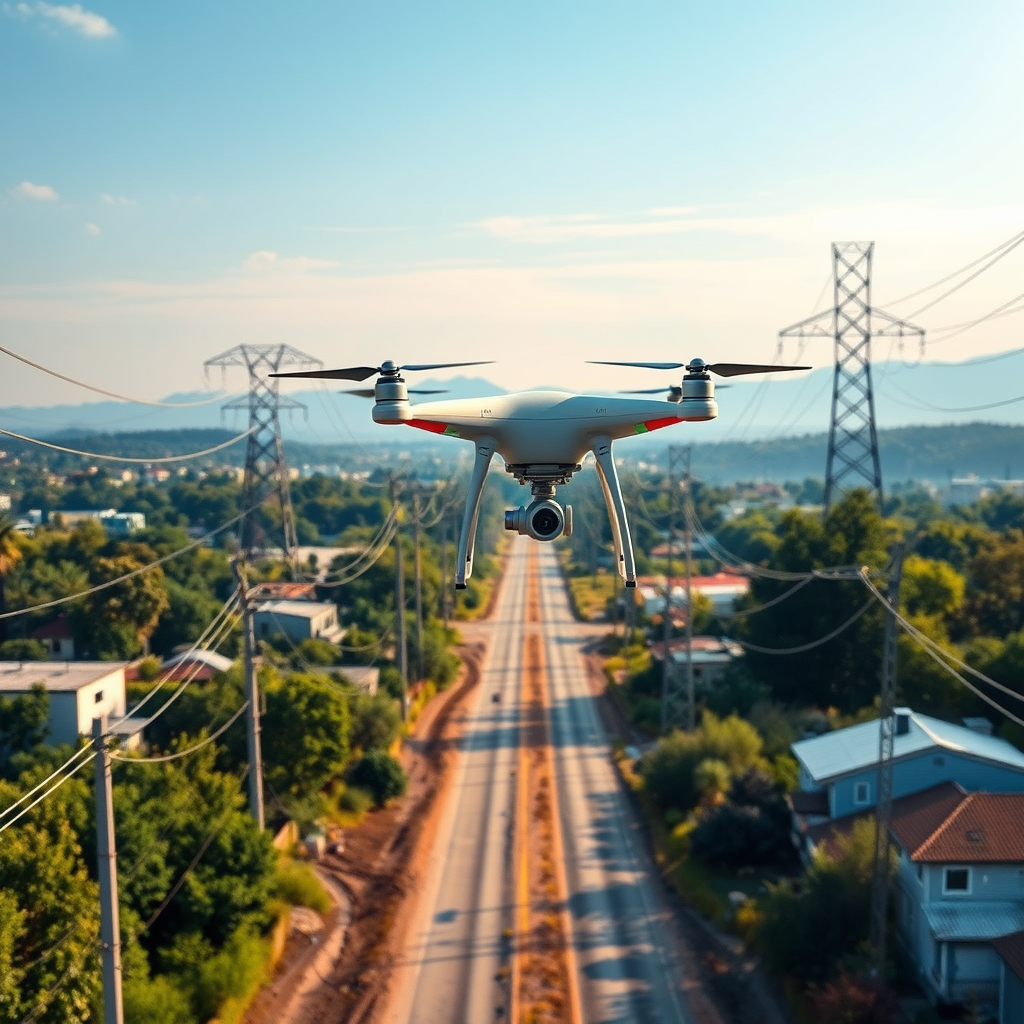
Drone-based power lines refer to an innovative system where drones are utilized to transport power cables or facilitate electrical connections, effectively creating an aerial network for energy distribution. These drones can operate independently or in conjunction with ground-based systems, using advanced navigation, GPS, and aerial delivery mechanisms to ensure precision in deployment. The technology involved includes lightweight, durable materials for cables, battery-powered drones capable of carrying substantial loads, and sophisticated software for route optimization and real-time monitoring.
The operation of drone-based power lines involves several key components. Drones equipped with specialized payload systems can carry power lines to remote or challenging terrains, such as mountains or forests, where traditional power line installation is difficult. By using autonomous navigation systems, these drones can efficiently map out their flight paths while avoiding obstacles and ensuring compliance with airspace regulations.
Advantages of Drone-Based Power Lines
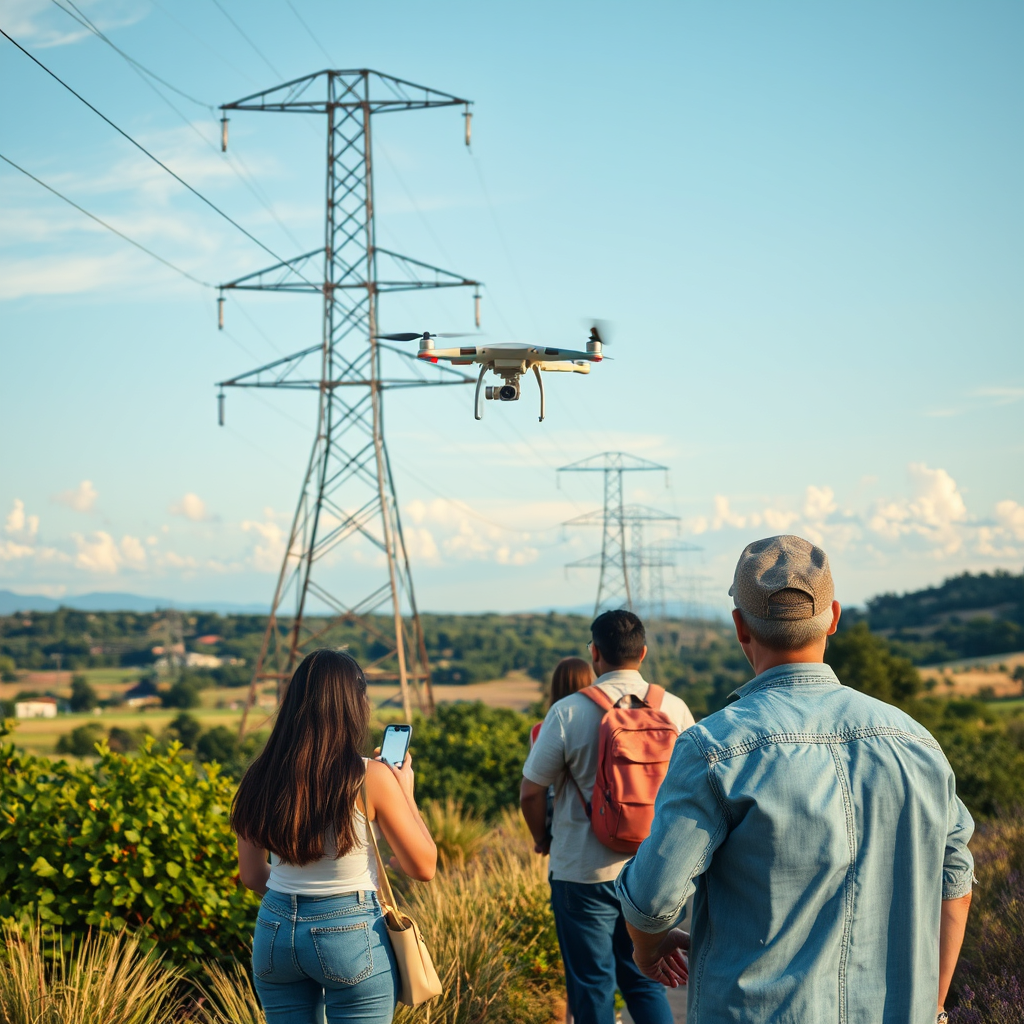
One of the most significant advantages of drone-based power lines is their ability to increase accessibility to remote or difficult-to-reach areas. Many regions around the world lack reliable energy infrastructure, which limits economic development and affects the quality of life for residents. Drones can easily traverse rugged terrains that would be prohibitively expensive and time-consuming to install traditional power lines. For example, in areas affected by natural disasters, drones can quickly establish temporary power lines, providing essential electricity for emergency services and recovery efforts.
Additionally, the environmental impact of drone-based power lines is considerably lower than that of traditional power lines. The construction of conventional power infrastructure often requires extensive land clearing and can disrupt local ecosystems. In contrast, drones can be deployed with minimal land disturbance, reducing the ecological footprint of energy distribution. Moreover, the efficiency of drone operations can lead to fewer emissions compared to traditional vehicles used for power line maintenance and installation.
Current Applications and Case Studies
Several pilot projects and innovative companies are already exploring the use of drones in energy distribution. For instance, in 2021, the Spanish utility company Iberdrola conducted a successful trial using drones to inspect and maintain power lines in rural areas. The project aimed to improve operational efficiency and reduce costs associated with manual inspections. The drones were equipped with high-resolution cameras and sensors that provided real-time data on the condition of power infrastructure, allowing for timely maintenance and repairs.
Another notable example is the partnership between the energy company Siemens and the drone manufacturer Quantum Systems, which developed a system to transport power lines across challenging terrain in Germany. This project showcased how drone technology could be seamlessly integrated into existing energy grids, ultimately enhancing reliability and service delivery.
Regions like the U.S. and parts of Europe are leading the way in adopting drone technology for energy distribution. According to a report by the Federal Aviation Administration (FAA), the use of drones for utility inspections and maintenance is expected to grow exponentially, with significant investments being funneled into research and development.
Challenges and Limitations
Despite the promising advantages, several challenges and limitations hinder the widespread adoption of drone-based power lines. Regulatory hurdles pose a significant barrier, as drone operations must comply with complex airspace management regulations. The FAA and other regulatory bodies worldwide are still developing guidelines for the safe operation of drones in proximity to existing air traffic, which can slow down the implementation of drone technology in energy distribution.
Technical challenges also persist, particularly regarding power transmission and drone reliability. Current battery technology limits the flight time and payload capacity of drones, which may restrict their ability to transport heavy power cables over long distances. Moreover, ensuring the reliability of drones during adverse weather conditions is crucial for maintaining consistent energy delivery. Ongoing research and advancements in battery technology and drone design are essential to addressing these issues.
Future Prospects and Innovations
The future of drone-based power lines is ripe with potential advancements that could enhance energy distribution. Innovations in battery technology, such as solid-state batteries, promise to increase the efficiency and range of drones, enabling them to carry heavier loads and operate for longer durations. Additionally, advancements in artificial intelligence and machine learning could optimize flight paths and automate maintenance tasks, further streamlining operations.
Predictions for the integration of drones into the existing energy grid suggest a gradual but transformative shift. As drone technology matures, energy companies may adopt hybrid models that combine traditional infrastructure with drone-based systems. This integration could lead to a more resilient energy network capable of adapting to varying demands and conditions.
Impact on the Energy Sector
The introduction of drone-based power lines could significantly influence energy markets and pricing. With the ability to deploy energy infrastructure more rapidly and cost-effectively, companies may be able to reduce operational costs, which could translate into lower energy prices for consumers. Furthermore, improved access to power in remote areas may stimulate economic growth, leading to increased demand for energy and potentially altering market dynamics.
The implications for energy sustainability and renewable sources are equally compelling. Drones can facilitate the deployment of solar panels in hard-to-reach areas, enabling the harnessing of renewable energy resources in previously inaccessible locations. This capability aligns with global goals to transition to sustainable energy solutions and combat climate change.
The exploration of drone-based power lines suggests a promising future for energy distribution, highlighting innovative solutions to modern challenges. As the technology evolves, it’s crucial for stakeholders to stay informed and consider how they might adapt to this emerging landscape. For further insights, keep an eye on developments in drone technology and energy policy.
Frequently Asked Questions
What are drone-based power lines and how do they work?
Drone-based power lines refer to the innovative use of drone technology to transport and maintain electrical lines, often in hard-to-reach areas. These drones can be equipped with lightweight cables and are designed to autonomously survey and inspect power lines, as well as to facilitate the installation of new lines. By using drones, energy companies can reduce labor costs and improve safety, while enhancing the reliability of power delivery to consumers.
Why are drone-based power lines considered the future of energy?
Drone-based power lines are seen as the future of energy due to their potential to revolutionize the way electricity is delivered and maintained. They can significantly reduce the time and resources needed for inspections and repairs, especially in remote or rugged terrains. Additionally, the use of drones can minimize environmental impact and disruption to local ecosystems compared to traditional methods, making them an appealing option for sustainable energy solutions.
How do drone-based power lines improve efficiency in energy distribution?
Drone-based power lines improve efficiency in energy distribution by enabling quicker inspections and repairs, which leads to reduced downtime for power outages. Drones can quickly cover large areas, capturing real-time data through high-resolution cameras and sensors that help identify potential issues before they escalate. This proactive approach not only ensures a more stable energy supply but also lowers operational costs for utility companies, benefiting consumers through lower energy prices.
What are the challenges associated with implementing drone-based power lines?
Despite their promise, implementing drone-based power lines comes with challenges such as regulatory hurdles, technical limitations, and public acceptance. Regulatory frameworks may not yet be fully adapted to accommodate the use of drones for energy infrastructure, leading to potential compliance issues. Additionally, the technology must overcome hurdles related to battery life, payload capacity, and weather conditions to operate efficiently, which can deter widespread adoption in the short term.
Which companies are leading the way in drone-based power line technology?
Several companies are at the forefront of drone-based power line technology, including industry giants like DJI, which specializes in drone manufacturing, and utility companies like Pacific Gas and Electric (PG&E) that have begun integrating drones into their operations. Other notable players include startups focusing on drone inspections and maintenance, such as SkyX and DroneDeploy. These companies are pioneering innovative solutions that could redefine energy infrastructure management and set new standards in the industry.
References
- Delivery drone
- https://www.bbc.com/future/article/20210125-drones-and-the-future-of-energy
- https://www.sciencedirect.com/science/article/abs/pii/S0360132321004330
- https://www.nytimes.com/2021/10/05/business/energy-drones.html
- https://www.energy.gov/articles/how-drones-are-changing-energy
- https://www.nasa.gov/feature/nasa-and-utility-partner-on-drone-research
- https://www.wired.com/story/drones-utility-poles/
- https://www.reuters.com/business/energy/utility-drones-combat-power-line-problems-2021-11-04/
