
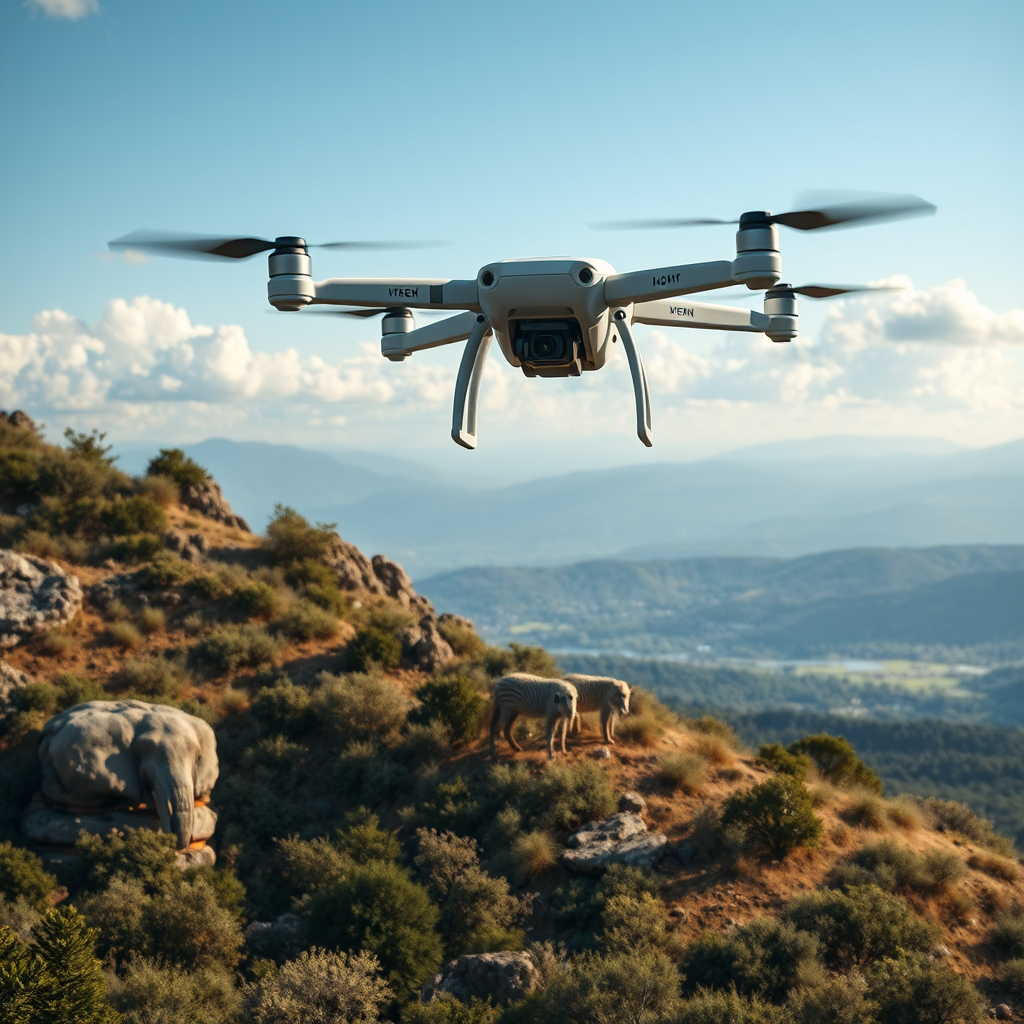
Capturing wildlife with drones ethically requires a commitment to animal welfare and adherence to established regulations. By understanding the technology and the responsibilities that come with it, you can create breathtaking wildlife imagery without causing distress or harm to the animals. This article will guide you through the essential considerations for ethical drone use in wildlife photography and videography, ensuring your passion for capturing nature aligns with conservation principles.
Understanding Drone Regulations
Before embarking on your wildlife drone photography journey, it is vital to familiarize yourself with local laws and regulations regarding drone usage in wildlife areas. Different regions have varying restrictions, especially in protected zones or near wildlife reserves. For instance, in the United States, the Federal Aviation Administration (FAA) has specific guidelines that may restrict drone flights over national parks or wildlife refuges. Always check with local authorities and agencies to ensure compliance.
In addition to federal regulations, many states and municipalities have their own drone ordinances. Ensure you have the necessary permits for flying in restricted areas. Some locations may require you to apply for special permits, especially if your drone activity could impact endangered species or sensitive ecosystems. Staying informed about these regulations not only protects you legally but also demonstrates your commitment to ethical practices in wildlife observation.
Choosing the Right Equipment
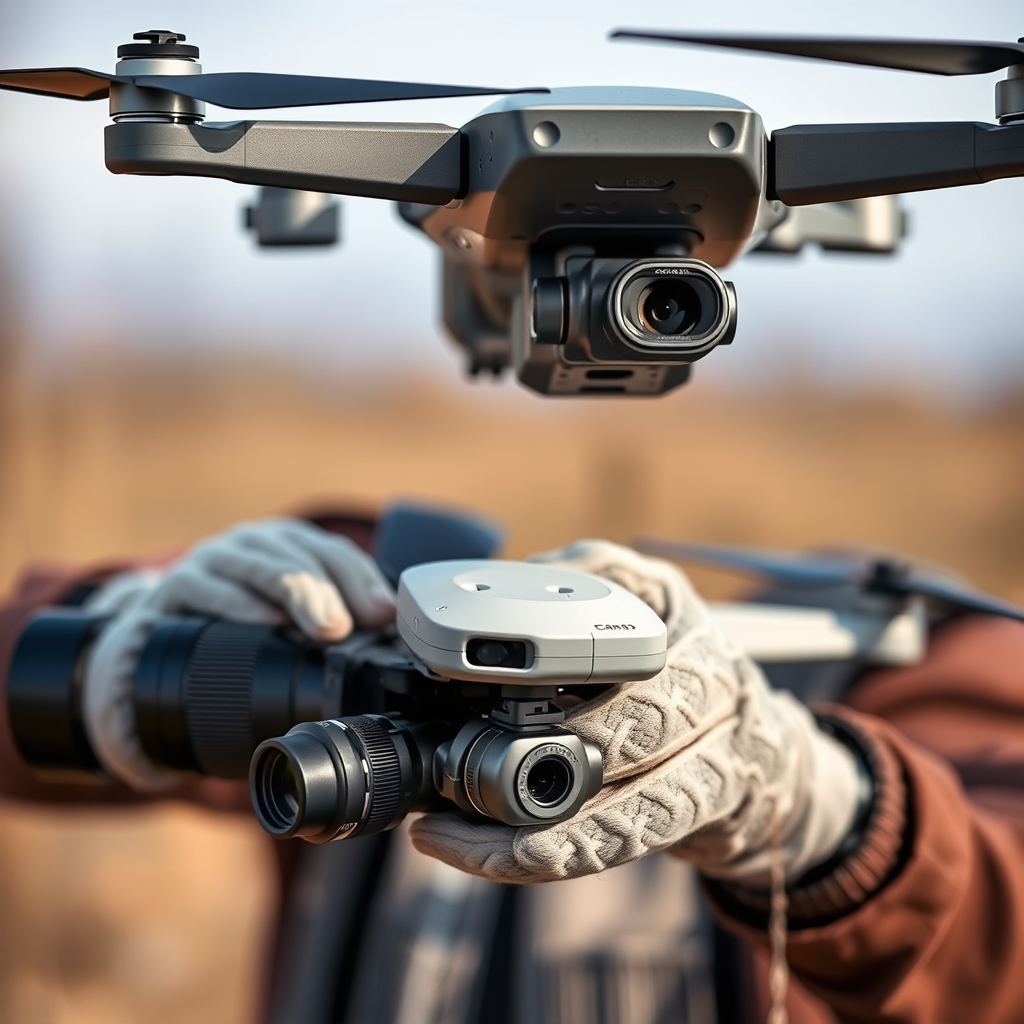
Another important factor is the drone’s noise level. Choose models known for their quieter operation, as excessive noise can startle animals and disrupt their natural behaviors. For example, drones designed with advanced sound-dampening technology can significantly reduce the chances of disturbing wildlife while you capture the essence of their environment. A quieter drone will not only enhance your ability to observe animals but will also contribute to a more ethical photography experience.
Ethical Considerations in Wildlife Photography
When capturing wildlife, ethical considerations should always be at the forefront of your mind. Maintaining a safe distance from wildlife is paramount; this practice ensures that animals are not stressed or forced to flee from their natural behaviors. The general rule is to keep a distance of at least 100 meters from larger animals like bears or elephants and even further from sensitive species.
Moreover, avoid capturing images during critical periods such as nesting or mating seasons, as this can have detrimental effects on animal populations. Disturbing a nesting bird can lead to abandonment of eggs, while interrupting mating behavior can hinder reproductive success. By being aware of these times and respecting the natural rhythms of wildlife, you contribute to their long-term survival and well-being.
Best Practices for Drone Operation
Effective drone operation is essential in minimizing disturbances to wildlife habitats. Before flying, carefully plan your flight paths to avoid areas where animals are known to congregate or places sensitive to disturbance. Utilizing tools such as drone mapping apps can help you identify optimal routes that reduce noise and disruption.
Additionally, take advantage of automated flight features that many modern drones offer. These functionalities provide stable and controlled operations, allowing you to focus on capturing stunning footage without the risk of erratic movements that could disturb wildlife. By pre-programming your flight paths, you can ensure your drone moves smoothly through the landscape, minimizing any potential disturbance to the natural setting.
Respecting Wildlife and Their Habitats
A thorough understanding of the specific needs and behaviors of the wildlife you are observing is essential for ethical drone use. Research the species you plan to photograph, as each may have unique sensitivities. For example, herd animals may become agitated when approached, while solitary predators may be more tolerant of your presence. Tailoring your approach based on this knowledge can enhance your chances of capturing remarkable footage while safeguarding the animals’ welfare.
Following the principle of “leave no trace” is equally important. This means ensuring that your drone operations do not negatively impact the environment or disturb wildlife habitats. Avoid flying over sensitive areas, such as wetlands or breeding grounds, and ensure that your presence does not lead to littering or damaging the environment. By practicing responsible drone use, you help preserve the natural beauty and integrity of wildlife habitats for future generations.
Sharing Your Work Responsibly
When showcasing your drone footage, it is crucial to provide context about the ethical practices you followed. This not only enhances your credibility as a wildlife photographer but also educates your audience about the importance of ethical considerations in wildlife observation. Share your experiences and the guidelines you adhered to while capturing the footage, fostering a community of responsible photographers.
Encouraging others to engage in ethical drone photography is also a vital step in promoting conservation. By sharing tips and best practices, you can inspire fellow enthusiasts to adopt similar approaches, ultimately leading to greater awareness and respect for wildlife and their habitats. Social media platforms and photography forums can serve as excellent avenues for this outreach, allowing you to connect with like-minded individuals passionate about wildlife conservation.
By following these guidelines, you can enjoy the thrill of capturing wildlife with drones while ensuring the well-being of the animals and their habitats. Remember, ethical practices not only enhance your photography but also contribute to wildlife conservation efforts. Embrace responsible drone usage and inspire others to do the same, creating a community committed to preserving the beauty of our world’s wildlife for future generations.
Frequently Asked Questions
What are the ethical considerations for capturing wildlife with drones?
When capturing wildlife with drones, it’s crucial to prioritize the welfare of the animals and their habitats. Ethical considerations include maintaining a safe distance to avoid distress, respecting breeding seasons, and adhering to local regulations regarding wildlife photography. Additionally, it’s important to be aware of the potential impact on the ecosystem and to minimize noise and disturbance during flights.
How can I use drones to observe wildlife without disturbing them?
To observe wildlife without causing disruption, choose the right equipment that allows for quiet operation, such as drones with low noise propellers. Plan your flight paths to avoid sensitive areas, and use a long-range camera to capture images or videos from a distance. Additionally, flying during times when wildlife is less active, like early morning or late afternoon, can help reduce interference with their natural behaviors.
Why is it important to follow local regulations when using drones for wildlife photography?
Following local regulations is vital for ethical drone usage in wildlife photography because these laws are designed to protect both the animals and their environments. They help prevent potential disturbances that could lead to habitat destruction or stress on wildlife. Moreover, adhering to regulations ensures that you avoid legal penalties and support conservation efforts, contributing to the sustainability of wildlife populations.
What are the best practices for drone flying in wildlife areas?
Best practices for flying drones in wildlife areas include conducting thorough research on the local wildlife and their behaviors to avoid nesting or breeding grounds. Always maintain a respectful distance, and avoid hovering over animals to prevent stress. Additionally, it’s advisable to have a spotter on the ground to monitor the wildlife’s reactions during your flight and to be prepared to change your flight plan if animals appear agitated.
Which drones are best suited for ethical wildlife photography?
The best drones for ethical wildlife photography typically feature high-quality cameras, long battery life, and quiet operation. Models like the DJI Mavic Air 2 and the Autel Robotics EVO Lite+ are popular choices due to their advanced camera capabilities and relatively low noise levels. When selecting a drone, prioritize features that allow for stable flight and clear imaging while ensuring minimal disturbance to wildlife.
References
- https://www.wildlifejournalist.com/using-drones-for-wildlife-research/
- RecA bundles mediate homology pairing between distant sisters during DNA break repair | Nature
- https://www.sciencedirect.com/science/article/pii/S016953471731425X
- https://www.fws.gov/service/drone-use-wildlife-surveys
- https://www.usgs.gov/mission-areas/wildlife-ecology/science/use-drones-wildlife-research
- https://www.bbc.com/news/science-environment-51531180
- https://www.nationalgeographic.com/environment/article/drones-wildlife-conservation
- https://www.theguardian.com/environment/2020/jun/05/drones-wildlife-conservation-ethics
- https://www.wildlife.org/drones-in-wildlife-research-and-management/
