
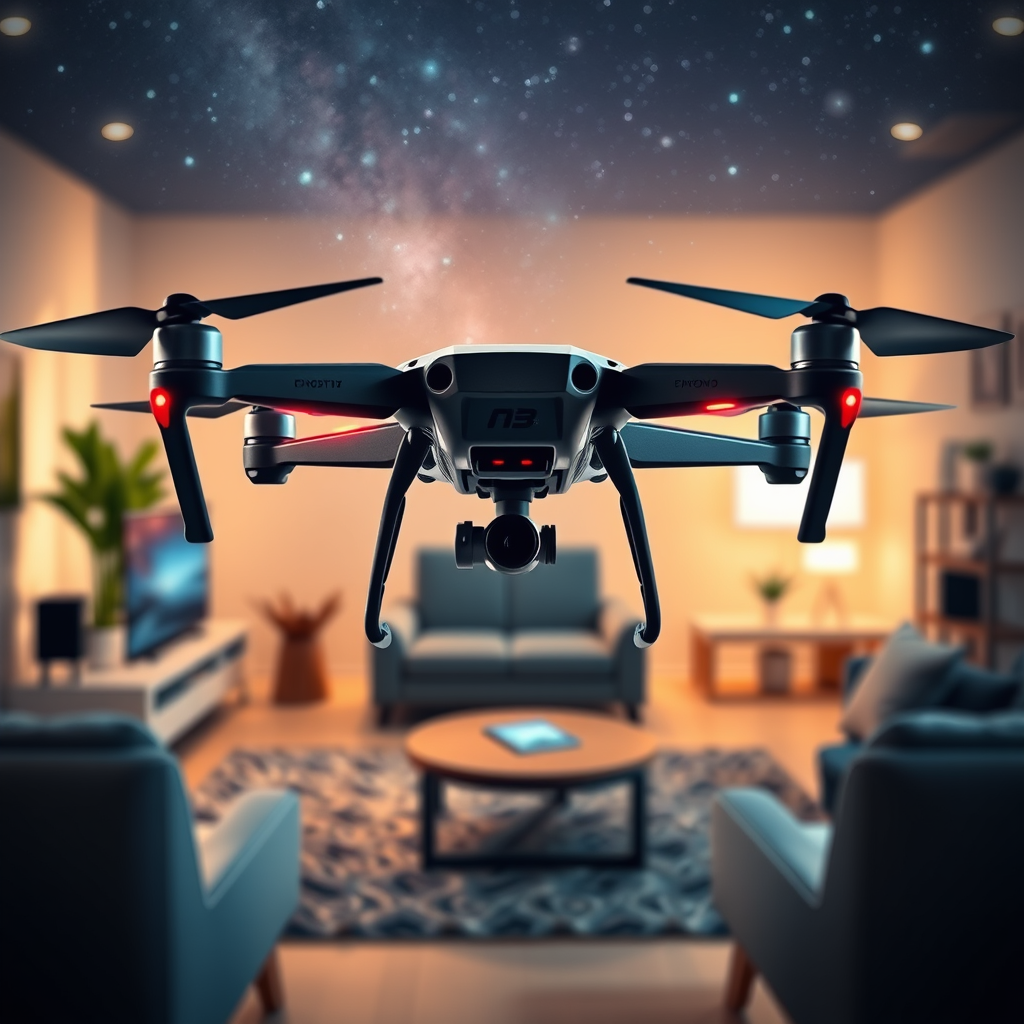
Astrophotography enthusiasts in 2025 have a range of exceptional drones to choose from, each equipped with advanced technology to capture stunning images of the night sky. With innovation at the forefront of drone design, photographers can now access drones that not only excel in low-light performance but also offer stability and control essential for capturing celestial wonders. This guide will help you identify the top options available, highlighting their features and suitability for astrophotography.
Key Features to Look for in Astrophotography Drones
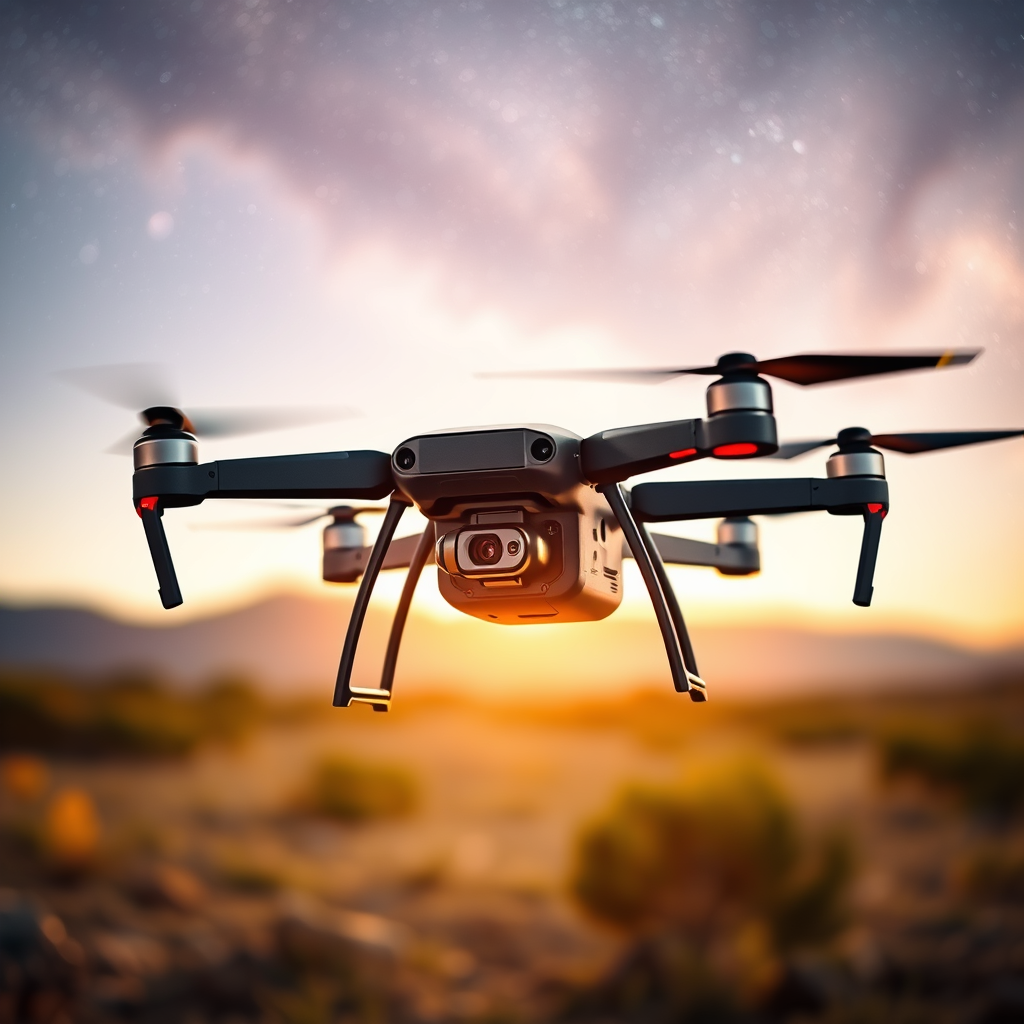
When searching for the ideal drone for astrophotography, several critical features should be considered to ensure that you achieve the best results.
– Low Light Performance: A drone’s sensor quality is paramount when it comes to capturing detailed images in dark conditions. Look for drones equipped with high-resolution sensors, such as those with a 1-inch or larger sensor size, which can gather more light and reduce noise in images. This feature is particularly crucial for astrophotography, as it allows for clearer and more vivid shots of stars, planets, and other celestial bodies.
– Stability and Control: Astrophotography often requires long exposure times, making stability a vital aspect of drone performance. Drones that feature advanced gimbal systems and flight stabilization technology can maintain a steady position, even in windy conditions. This stability is essential for avoiding motion blur, which can ruin an otherwise perfect shot of the night sky.
Top Drones for Astrophotography in 2025
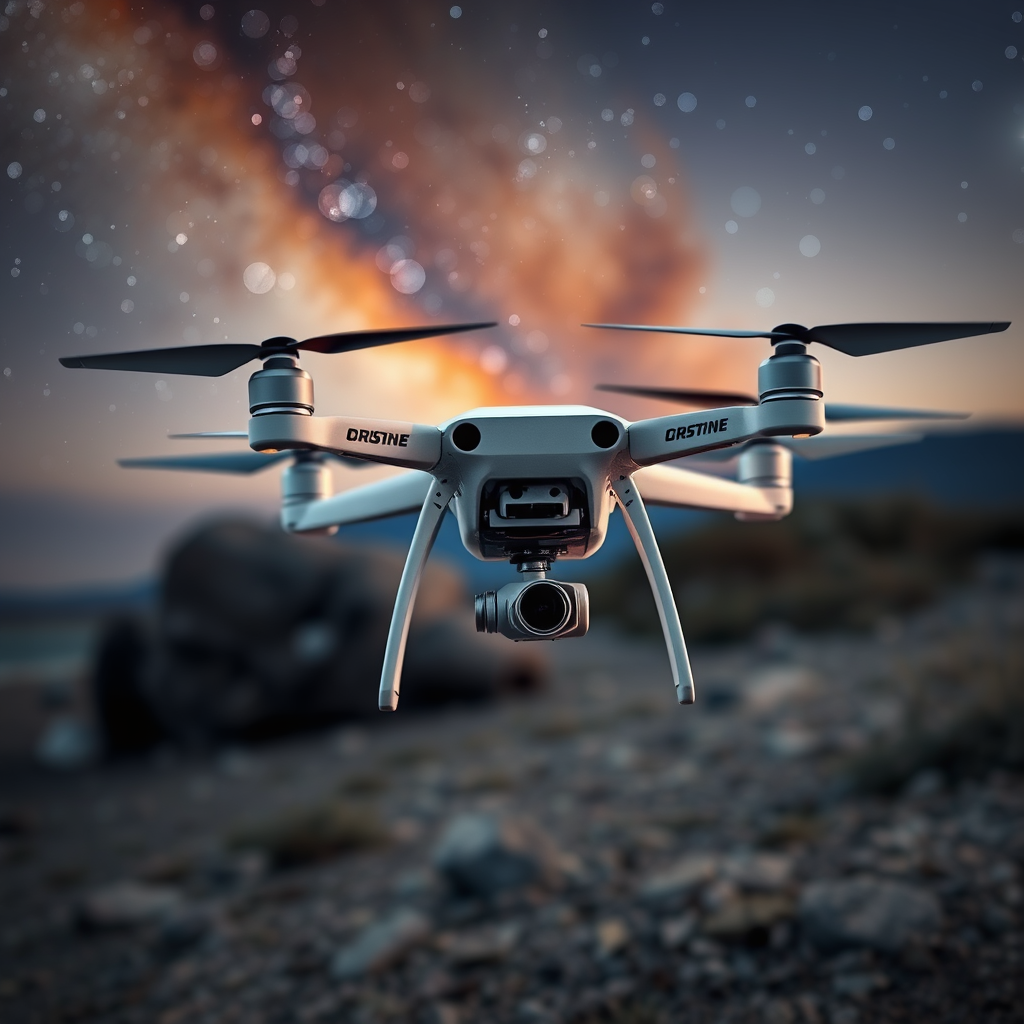
Drone 1: DJI Mavic 3 Pro
The DJI Mavic 3 Pro stands out as a premier choice for astrophotography in 2025. This drone boasts a 4/3 CMOS Hasselblad camera, delivering exceptional image quality with a resolution of 20 MP, perfect for capturing intricate details of celestial objects. Its impressive low-light capabilities allow users to shoot in conditions as low as 0 lux, making it an excellent option for night sky photography. With a flight time of up to 46 minutes, the Mavic 3 Pro ensures that photographers can spend ample time capturing their desired shots without the constant worry of battery life.
Drone 2: Autel EVO Lite+
The Autel EVO Lite+ is another fantastic option, especially for beginners. It features a 1-inch CMOS sensor with a resolution of 50 MP, enabling stunning detail in photographs. The drone also offers a range of intelligent shooting modes that simplify the photography process, making it accessible for those new to astrophotography. For seasoned professionals, the EVO Lite+ provides advanced settings, including manual exposure control, allowing for creative experimentation. With a flight time of approximately 40 minutes, it strikes a good balance between usability and performance.
Camera Specifications and Quality
Sensor Size
When it comes to astrophotography, sensor size plays a crucial role in determining the overall image quality. Larger sensors generally perform better in low-light conditions, as they can capture more light and produce clearer images with less noise. Drones with 1-inch sensors, such as the DJI Mavic 3 Pro and Autel EVO Lite+, are particularly suitable for astrophotography, as they enhance the ability to photograph faint celestial objects and intricate star formations.
Lens Options
The versatility in lens options can greatly enhance creative possibilities in astrophotography. Some drones allow users to swap out lenses, enabling different focal lengths and aperture settings. While most consumer drones come with fixed lenses, emerging models are beginning to incorporate interchangeable lens systems. This capability allows photographers to adapt to various shooting conditions and achieve the desired artistic effect in their astrophotography.
Flight Time and Battery Life Considerations
Average Flight Time
One of the most significant factors to consider when selecting a drone for astrophotography is its flight time. Longer battery life is essential for extended shooting sessions, especially when capturing the night sky, where timing and patience are crucial. Drones like the DJI Mavic 3 Pro, with an average flight time of up to 46 minutes, provide the flexibility needed for photographers to position themselves correctly and take multiple shots without frequent interruptions for battery changes.
Recharge Time
While longer flight times are advantageous, the recharge time of the drone’s battery is equally important. Photographers should consider how quickly they can replenish their batteries between flights. Drones that offer fast-charging capabilities or additional battery packs can significantly enhance the overall shooting experience, allowing for a seamless transition from one shooting session to the next.
Software and Features for Post-Processing
Mobile Apps
Companion mobile applications play a vital role in modern astrophotography. These apps not only assist in capturing images but also provide tools for editing and organizing photos post-shoot. Features like live view, histogram displays, and customizable shooting settings make it easier for photographers to adjust their settings on the fly. Drones like the DJI Mavic 3 Pro come with the DJI Fly app, which includes intelligent shooting modes and editing tools, making the process of capturing and enhancing images more efficient.
Image Stabilization
Image stabilization technology is essential for enhancing image quality during post-capture edits. Many drones come equipped with built-in stabilization systems that help reduce the effects of vibrations and movements during flight. Additionally, software solutions that enhance stabilization after the photo is taken can make a significant difference in the final result. Drones that offer digital stabilization features, combined with robust gimbals, ensure that astrophotographers can produce sharp, clear images even in challenging conditions.
Tips for Successful Astrophotography with Drones
Planning Your Shoot
Effective planning is key to successful astrophotography. Location scouting is essential; finding areas with minimal light pollution will yield the best results. Websites and apps that track celestial events, such as meteor showers or satellite passes, can help photographers choose the perfect time and place to capture breathtaking images of the night sky. Additionally, weather conditions should be monitored closely, as clear skies are vital for optimal shooting.
Camera Settings
Understanding and utilizing the right camera settings is crucial for capturing the night sky effectively. Photographers should consider using a low ISO setting to reduce noise while adjusting the shutter speed to allow for longer exposures. A common starting point is an aperture of f/2.8, which balances light intake and depth of field. Experimenting with different settings and techniques can lead to unique and stunning astrophotography results.
The evolution of drones for astrophotography has resulted in numerous impressive options for 2025. As you evaluate these top models, consider their features, camera capabilities, and usability to find the perfect fit for your astrophotography needs. Start exploring the night sky with the right drone and capture breathtaking celestial images!
Frequently Asked Questions
What features should I look for in the best drones for astrophotography in 2025?
When selecting the best drones for astrophotography in 2025, prioritize features such as a high-quality camera with a large sensor (preferably full-frame) for capturing detailed images of celestial objects. Additionally, look for drones with stable flight capabilities, long battery life, and advanced stabilization technologies like gimbal systems to minimize vibrations during long exposures. A robust app for manual camera controls and the ability to shoot in RAW format can also significantly enhance your astrophotography experience.
How much should I expect to spend on a good drone for astrophotography in 2025?
In 2025, you can expect to spend anywhere from $1,000 to over $3,000 for a good drone suited for astrophotography. Entry-level models with decent camera capabilities and stabilization may start around $1,000, while mid-range options with advanced features typically cost between $1,500 and $2,500. High-end drones with professional-grade cameras and extensive flight capabilities can exceed $3,000, but investing in a quality drone is crucial for capturing stunning night sky images.
Why is camera quality important for drones used in astrophotography?
Camera quality is paramount in drones used for astrophotography because it directly impacts the clarity and detail of images captured in low-light conditions. A high-resolution camera with a larger sensor size can collect more light, reducing noise and allowing for better image quality when photographing faint celestial bodies. Furthermore, features like adjustable ISO settings and long exposure capabilities are essential for achieving the best possible results in astrophotography.
Which drones are recommended for beginners interested in astrophotography in 2025?
For beginners interested in astrophotography in 2025, the DJI Mini 3 Pro and the Autel EVO Lite+ are excellent options. The DJI Mini 3 Pro offers a compact design, user-friendly controls, and impressive camera capabilities, including 4K video and RAW photo formats, making it easy for novices to get started. The Autel EVO Lite+ features a larger sensor, longer battery life, and customizable shooting settings, providing a good balance of performance and ease of use for budding astrophotographers.
What are the best practices for using drones for astrophotography?
To achieve the best results in astrophotography with drones, ensure you fly your drone in dark, remote locations away from light pollution and achieve stable flight conditions. Use manual settings to adjust exposure time, ISO, and aperture, and consider using interval shooting to capture multiple images for stacking later in post-processing. Additionally, monitor weather conditions and plan your flights around significant astronomical events, like meteor showers or planetary alignments, to maximize your astrophotography opportunities.
References
- https://www.sciencedirect.com/topics/engineering/astrophotography
- https://www.nasa.gov/mission_pages/hubble/science/astrophotography.html
- https://www.skyandtelescope.org/astronomy-resources/photographing-the-night-sky/
- https://www.nytimes.com/2022/01/04/science/astrophotography-drones.html
- AAAS Home | American Association for the Advancement of Science (AAAS)
- AstroBin
- Client Challenge
- https://www.britannica.com/science/astrophotography
