
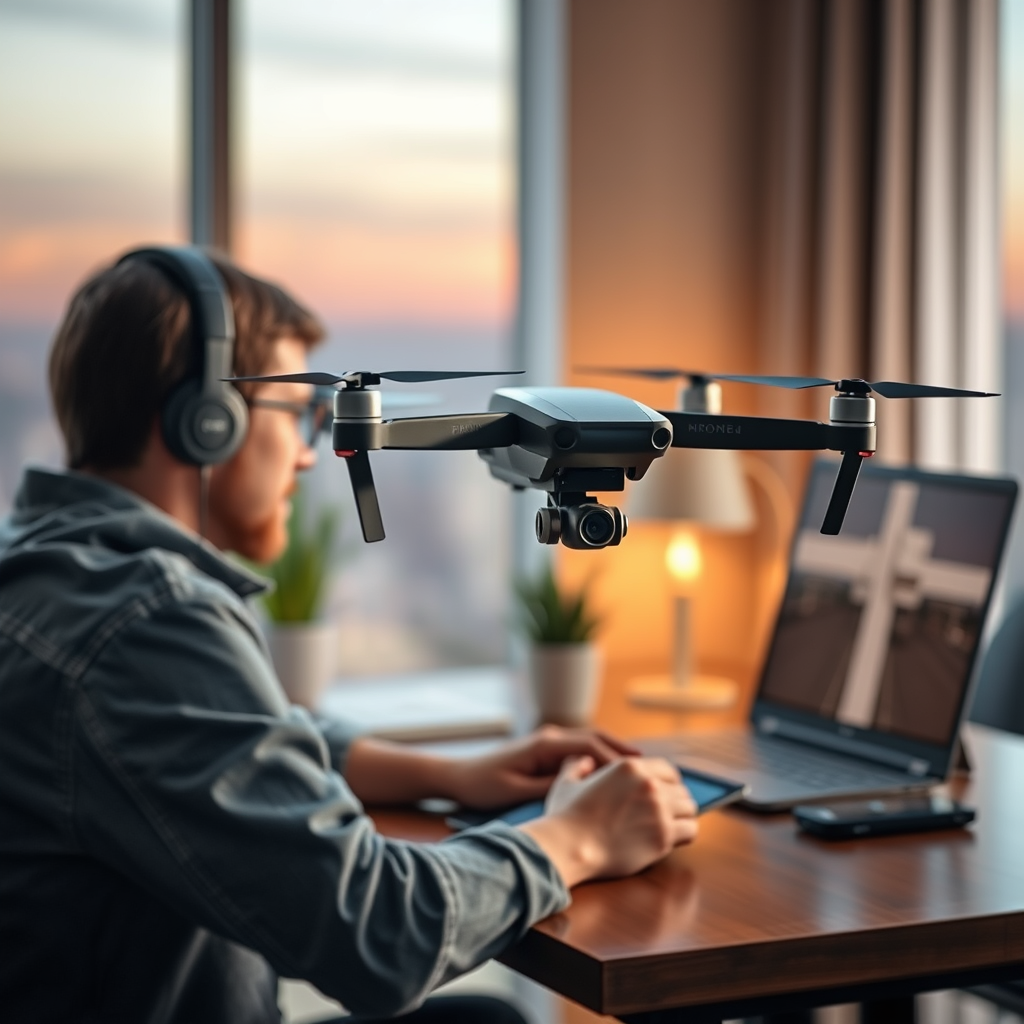
Color grading is essential for transforming drone footage from simple aerial shots into captivating visual narratives. By skillfully adjusting color tones, contrast, and brightness, filmmakers can evoke emotions and create depth, making their videos not only more visually appealing but also more engaging for viewers. This article will delve into the significance of color grading in drone footage, examining its impact on storytelling, effective techniques, tools, best practices, and real-world examples that highlight its transformative power.
Understanding Color Grading
Color grading is the meticulous process of altering and enhancing the color of a video to achieve a desired artistic effect. This essential step in post-production goes beyond mere color correction; it involves adjusting the color balance, contrast, saturation, and brightness to establish a specific aesthetic that aligns with the filmmaker’s vision. Color grading can breathe life into raw footage, allowing for a creative expression that resonates with audiences. In the context of drone footage, which often presents vast landscapes and dynamic scenes, color grading is indispensable for ensuring that these visuals communicate the right mood and narrative.
For instance, a drone shot capturing a bustling city can be color graded to amplify the vibrancy of the lights and life, while a serene rural landscape can be softened with warm hues to evoke a sense of tranquility. Such adjustments not only enhance the beauty of the visuals but also support the overarching story being told.
The Impact on Visual Storytelling
Color grading plays a pivotal role in visual storytelling by guiding the viewer’s emotional journey through the footage. Colors have inherent psychological effects; for example, warm colors like reds and oranges can evoke feelings of warmth and comfort, while cooler tones such as blues and greens often convey calmness or isolation. By selecting the appropriate color palette, filmmakers can effectively communicate themes and emotions.
Consider a drone footage project that aims to showcase the majesty of nature during the golden hour. By enhancing the warm golden tones of the sunset, the audience is more likely to feel a sense of awe and appreciation for the beauty of the landscape. Conversely, a film focused on the harsh realities of urban life might benefit from a desaturated color grading approach, highlighting the starkness and grit of the city environment. Ultimately, color grading allows filmmakers to not only tell a story but to emotionally connect with their audience on a deeper level.
Techniques for Effective Color Grading
Effective color grading requires a combination of technical skills and artistic intuition. One fundamental technique involves using color wheels and curves to make precise adjustments to highlights, midtones, and shadows. Color wheels allow users to manipulate the hue and saturation of specific areas of the image, enabling targeted enhancements. Curves, on the other hand, offer a powerful way to adjust the overall brightness and contrast of the footage, allowing for intricate control over the image’s tonal range.
Another valuable technique is the application of LUTs (Look-Up Tables), which provide a quick and efficient method for color grading. LUTs are pre-defined color profiles that can be applied to footage to achieve a specific look or maintain a consistent style across different clips. For drone footage, using LUTs can expedite the grading process, especially when dealing with large amounts of aerial imagery. However, it is crucial to remember that while LUTs can enhance efficiency, they should be used as a starting point; further adjustments will likely be necessary to tailor the look to the specific footage and desired aesthetic.
Common Color Grading Tools for Drone Footage
When it comes to color grading drone footage, several software options stand out for their robust features and user-friendly interfaces. Adobe Premiere Pro is widely used due to its comprehensive editing capabilities and integrated color grading tools, including Lumetri Color, which simplifies the grading process with intuitive controls. DaVinci Resolve is another industry favorite, renowned for its advanced color grading features, including color scopes and sophisticated correction options, making it a powerful choice for professional filmmakers. Final Cut Pro also offers an array of color grading tools, particularly for Mac users, allowing for seamless integration with other editing processes.
These tools not only provide the necessary functionalities for color grading but also support various formats and resolutions, ensuring that drone footage retains its quality throughout the editing process. By familiarizing oneself with the strengths of these applications, filmmakers can select the right tool that aligns with their needs and workflow.
Best Practices for Color Grading Drone Footage
To achieve optimal results in color grading drone footage, following best practices is essential. One of the most critical steps is to start with a well-exposed image. Proper exposure during the shoot sets a strong foundation for grading; images that are too dark or overexposed can lead to a loss of detail and hamper the grading process. Therefore, paying attention to exposure settings, even in challenging lighting conditions, can significantly affect the final product.
Moreover, considering the lighting conditions during the shoot is paramount. Different times of day, weather conditions, and environmental factors can dramatically influence the colors captured by the drone. For example, shooting during the golden hour can yield warmer tones that are more flattering and visually appealing. By understanding how lighting interacts with color, filmmakers can make informed decisions during the grading process, ultimately enhancing the emotional impact of their footage.
Case Studies: Before and After Color Grading
Real-world examples of drone footage before and after color grading can vividly illustrate the dramatic improvements that this process can bring. One notable case study involves a promotional video for a national park, where the raw footage displayed a beautiful landscape but lacked vibrancy. After careful color grading, the final product showcased rich greens and deep blues, elevating the overall aesthetic and effectively capturing the park’s beauty. This transformation not only made the video more visually striking but also conveyed the park’s allure, encouraging potential visitors to explore.
Another example can be found in a real estate marketing video. The initial drone footage of a property appeared flat and uninviting due to dull colors. Through the application of targeted color grading techniques, the final video featured warmer tones that highlighted the home’s features and surrounding garden, creating an inviting atmosphere that resonated with prospective buyers. Such case studies underscore the power of color grading as a vital tool in enhancing drone footage and achieving the desired visual impact.
Incorporating effective color grading into your drone footage is essential for creating impactful visual stories. By understanding the techniques and tools available, you can elevate the quality of your aerial videos significantly. Start experimenting with color grading today to transform your footage from ordinary to extraordinary!
Frequently Asked Questions
What is color grading in drone footage, and why is it important?
Color grading in drone footage refers to the process of adjusting and enhancing the colors in video footage captured by drones. This crucial step is important because it helps establish a specific mood or atmosphere, enhances visual appeal, and ensures consistency across different shots. With the right color grading techniques, drone footage can transform ordinary scenes into stunning visuals that capture the viewer’s attention and convey the intended message effectively.
How does color grading affect the overall quality of drone videos?
Color grading significantly impacts the overall quality of drone videos by improving the aesthetic and emotional response of the audience. Proper color grading can enhance contrast, saturation, and color balance, making the footage more vibrant and eye-catching. Additionally, it can help eliminate unwanted color casts and unify various shots, resulting in a polished final product that looks professional and engaging, which is essential for both personal projects and commercial work.
What are the best tools and software for color grading drone footage?
Some of the best tools for color grading drone footage include Adobe Premiere Pro, DaVinci Resolve, and Final Cut Pro X. DaVinci Resolve is particularly popular due to its advanced color grading capabilities and is often used in professional settings. Each of these software options provides a range of features, including color wheels, curves, and LUTs (Look-Up Tables), enabling users to achieve the desired look for their drone footage effectively.
Which color grading techniques should beginners use for drone footage?
Beginners should start with basic color grading techniques such as adjusting exposure, contrast, and saturation to enhance the overall look of their drone footage. Utilizing LUTs can also be a great way to apply a specific color style quickly. Additionally, learning to use color wheels to adjust shadows, midtones, and highlights will give beginners a solid foundation in color grading, allowing them to progressively develop their skills and create more visually appealing videos.
Why should I invest time in learning color grading for my drone footage?
Investing time in learning color grading for your drone footage can significantly elevate the quality of your videos, making them stand out in a crowded market. High-quality color grading adds a professional touch that can attract more viewers, potential clients, or followers, depending on your goals. Moreover, mastering color grading techniques allows you to express your creative vision fully, making your work more satisfying and impactful.
References
- Color grading
- https://www.nytimes.com/2021/06/30/style/color-grading-film.html
- https://www.pbs.org/newshour/arts/what-is-color-grading-and-why-is-it-important
- https://www.theguardian.com/film/2020/jun/23/how-color-grading-can-change-the-feeling-of-a-film
- https://www.ncbi.nlm.nih.gov/pmc/articles/PMC7494410/
- https://www.sciencedirect.com/science/article/pii/S1877050919311509
